

How the chess Second became younger: Teenagers take over from grizzled, grey-haired grandmasters
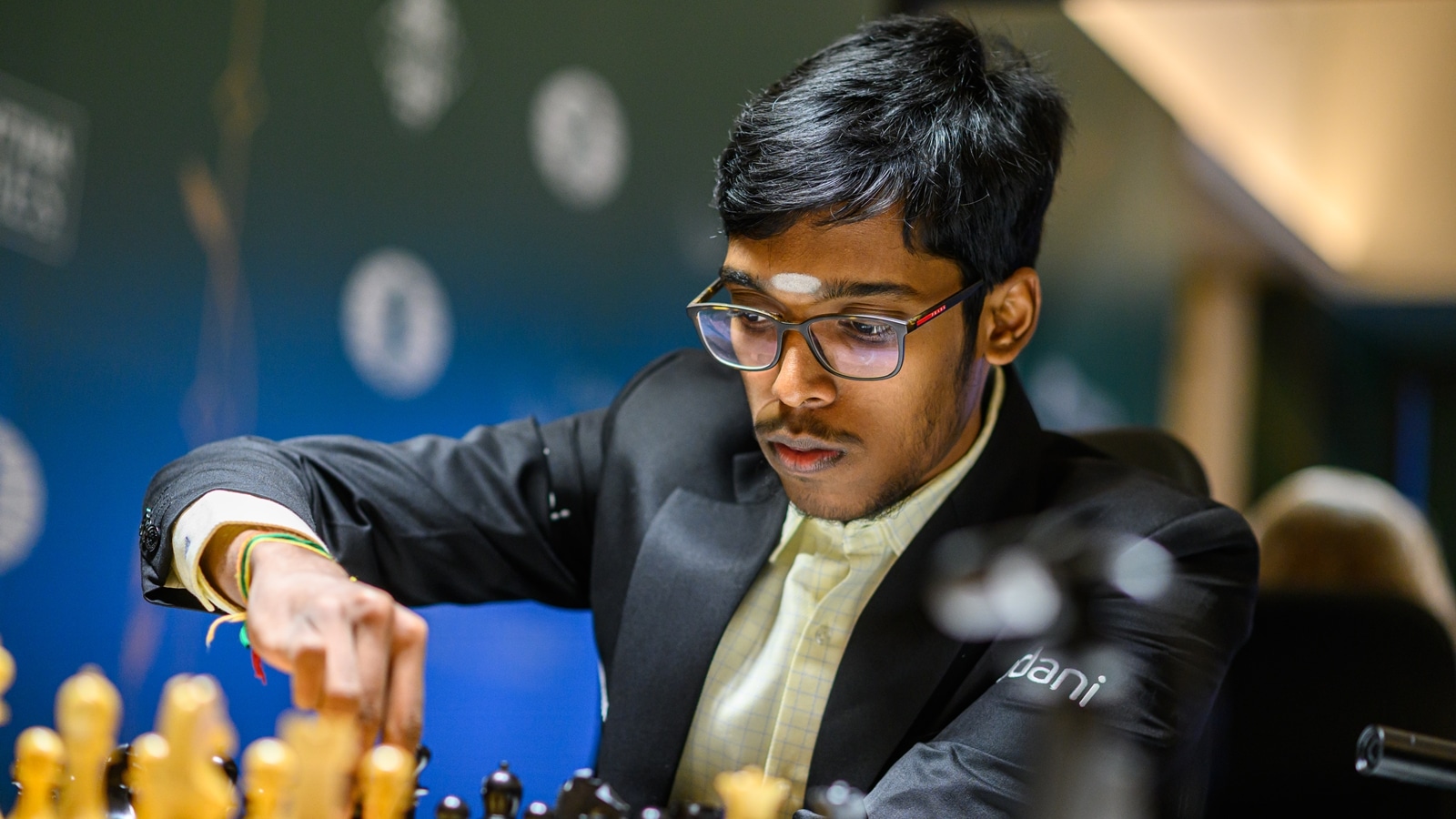
Twenty-year-old M Pranesh is one of the seconds in Indian GM R Praggnanandhaa's team at the Candidates Tournament in Cyprus
For decades, the figure of the ‘Second’ in elite chess was some grizzled grandmaster in a blazer, someone who’d earned their quiet authority over decades. They knew strategies one couldn’t Google and find, passed down from the Soviet days. These were the grey-haired men, sipping coffee and whispering some old but trusted lines of preparation. Their value wasn’t in how fast they could calculate, but in years spent being put through the wringer and getting wiser.
Fast forward to 2026. The profile of the ‘Second’, a Grandmaster and trusted assistant to the main player, has changed.
At the Candidates Tournament in Cyprus, the picture has completely flipped. The press area buzzes with a different kind of energy now. Teenagers are slowly edging out the veterans, sometimes kids barely out of school, hunched over laptops with glazed eyes, still grinding through engine lines at 3 am.
They speak the language of the machine with a fluency that can leave the old guard scrambling to keep up.
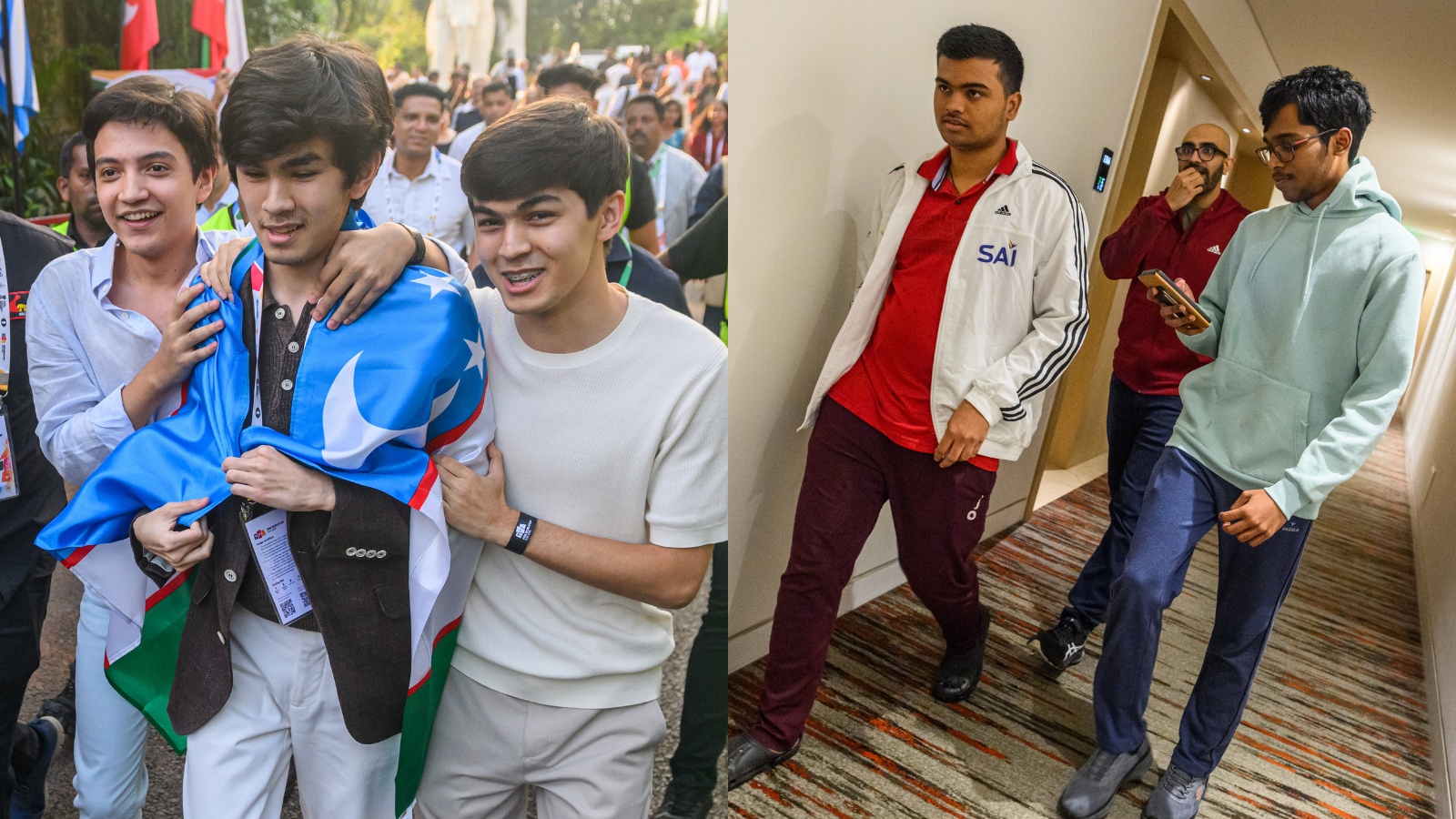
Take M Pranesh, all of 20 years old, for example. A silent addition to Indian GM R Praggnanandhaa’s team for the latter’s Candidates campaign. He’s not there to impart wisdom, not that he can’t, but he’s there to out-calculate, to find the one novelty buried beneath 30 moves of Stockfish analysis. Or Uzbekistan’s Mukhiddin Madaminov, just 19, who spends his nights studying openings for his friend Javokhir Sindarov.
When Sindarov’s long-time trainer, Roman Vidonyak, said he couldn’t make it to India for the FIDE World Cup in Goa last year, the Uzbek turned to Madaminov, one of his closest friends since childhood. The decision was unconventional because Madaminov isn’t usually a second. He helps out others with an opening idea here or there, but he’s never done someone else’s chess homework for them. When Sindarov asked, however, he quickly realised the gravity of the situation and set aside his professional career to become a second for nearly two months.
Similarly, Pranesh has been part of Pragg and R Vaishali’s inner circle through coach RB Ramesh and his chess gurukul. That’s how he became part of Pragg’s team, which also includes GM Vaibhav Suri. Ramesh believes the strong bond Pranesh shares with the group, along with his ability to keep his friends’ mood light, was the reason he was sent to Nicosia.
Probably the youngest “second” present in the Candidates is Mukhiddin Madaminov! A ball of positive energy, Mukhhidin is always seen in good spirits, as we saw several times in the World Cup with Javokhir Sindarov. Here he cheers up Bibisara and Sindarov as they go in! pic.twitter.com/WrXVgSII2C
— ChessBase India (@ChessbaseIndia) March 31, 2026
This isn’t a sudden shift, however, it’s been building for a few years now. During the 2024 World Championship, D Gukesh’s camp famously featured 17-year-old Polish IM Jan Klimkowski alongside 19-year-old Germany’s Vincent Keymer, a pairing that felt less like mentor–student and more like a study group of prodigies.
Grandmaster Srinath Narayanan acknowledges the shift.
He says that players needed people with deep experience earlier, partly because it took much longer to become proficient at anything. He says, “The kind of access you had, whether to books or other materials, was limited. Now, you can build the same proficiency in just a few weeks. That essentially accelerates the rate at which you can learn new things.”
Srinath also talks about the need for freshness after years of accumulated fatigue. He uses his own experience as an example: “Having someone young as a part of the team gives a fresh perspective. Ten years earlier, I would always try to look for new ways to approach things. I would always try to find something new and explore. But when approaching a problem now, the first instinct is to try and see what has worked earlier. Since I already have a significant body of work, it’s natural to go back and see what I did and try to make it work. But there is also a level of accumulated fatigue over the years when you are repetitively doing one thing, and that fatigue is not there when someone is in their twenties,” Srinath tells The Indian Express.
Having someone younger on your team isn’t entirely new. Before 2010, Viswanathan Anand had invited Magnus Carlsen and Anish Giri, both teenagers at the time, to his training camps, hoping to get fresh ideas and new perspectives on age-old problems.
Pragg vs Sindarov 🥶🐐
Edit: Tushar @chess_holic#chess #chessbaseindia #praggnanandhaa #fidecandidates pic.twitter.com/1mbP84pG12
— ChessBase India (@ChessbaseIndia) March 31, 2026
But in those cases, it was mostly experienced players partnering with youngsters to gain a different outlook. Now, with pairings like Madaminov–Sindarov, Pranesh–Pragg, or Gukesh–Klimkowski, the dynamics are completely different.
“They are peers,” Srinath explains. “They work together. It also helps in how they spend time with each other… or if they have similar interests. It becomes more of a friendly relationship than a purely professional one. Also, a major contributing factor has been how these young players are taking over at the elite level. The fact that so many young guys are excelling at the highest level, it’s only natural for them to reflect that in their team as well,” he adds.
For decades, the figure of the ‘Second’ in elite chess was some grizzled grandmaster in a blazer, someone who’d earned their quiet authority over decades. They knew strategies one couldn’t Google and find, passed down from the Soviet days. These were the grey-haired men, sipping coffee and whispering some old but trusted lines of preparation. Their value wasn’t in how fast they could calculate, but in years spent being put through the wringer and getting wiser.
Fast forward to 2026. The profile of the ‘Second’, a Grandmaster and trusted assistant to the main player, has changed.
At the Candidates Tournament in Cyprus, the picture has completely flipped. The press area buzzes with a different kind of energy now. Teenagers are slowly edging out the veterans, sometimes kids barely out of school, hunched over laptops with glazed eyes, still grinding through engine lines at 3 am.
They speak the language of the machine with a fluency that can leave the old guard scrambling to keep up.
Take M Pranesh, all of 20 years old, for example. A silent addition to Indian GM R Praggnanandhaa’s team for the latter’s Candidates campaign. He’s not there to impart wisdom, not that he can’t, but he’s there to out-calculate, to find the one novelty buried beneath 30 moves of Stockfish analysis. Or Uzbekistan’s Mukhiddin Madaminov, just 19, who spends his nights studying openings for his friend Javokhir Sindarov.
When Sindarov’s long-time trainer, Roman Vidonyak, said he couldn’t make it to India for the FIDE World Cup in Goa last year, the Uzbek turned to Madaminov, one of his closest friends since childhood. The decision was unconventional because Madaminov isn’t usually a second. He helps out others with an opening idea here or there, but he’s never done someone else’s chess homework for them. When Sindarov asked, however, he quickly realised the gravity of the situation and set aside his professional career to become a second for nearly two months.
Similarly, Pranesh has been part of Pragg and R Vaishali’s inner circle through coach RB Ramesh and his chess gurukul. That’s how he became part of Pragg’s team, which also includes GM Vaibhav Suri. Ramesh believes the strong bond Pranesh shares with the group, along with his ability to keep his friends’ mood light, was the reason he was sent to Nicosia.
Probably the youngest “second” present in the Candidates is Mukhiddin Madaminov! A ball of positive energy, Mukhhidin is always seen in good spirits, as we saw several times in the World Cup with Javokhir Sindarov. Here he cheers up Bibisara and Sindarov as they go in! pic.twitter.com/WrXVgSII2C
— ChessBase India (@ChessbaseIndia) March 31, 2026
This isn’t a sudden shift, however, it’s been building for a few years now. During the 2024 World Championship, D Gukesh’s camp famously featured 17-year-old Polish IM Jan Klimkowski alongside 19-year-old Germany’s Vincent Keymer, a pairing that felt less like mentor–student and more like a study group of prodigies.
Grandmaster Srinath Narayanan acknowledges the shift.
He says that players needed people with deep experience earlier, partly because it took much longer to become proficient at anything. He says, “The kind of access you had, whether to books or other materials, was limited. Now, you can build the same proficiency in just a few weeks. That essentially accelerates the rate at which you can learn new things.”
Srinath also talks about the need for freshness after years of accumulated fatigue. He uses his own experience as an example: “Having someone young as a part of the team gives a fresh perspective. Ten years earlier, I would always try to look for new ways to approach things. I would always try to find something new and explore. But when approaching a problem now, the first instinct is to try and see what has worked earlier. Since I already have a significant body of work, it’s natural to go back and see what I did and try to make it work. But there is also a level of accumulated fatigue over the years when you are repetitively doing one thing, and that fatigue is not there when someone is in their twenties,” Srinath tells The Indian Express.
Having someone younger on your team isn’t entirely new. Before 2010, Viswanathan Anand had invited Magnus Carlsen and Anish Giri, both teenagers at the time, to his training camps, hoping to get fresh ideas and new perspectives on age-old problems.
Pragg vs Sindarov 🥶🐐
Edit: Tushar @chess_holic#chess #chessbaseindia #praggnanandhaa #fidecandidates pic.twitter.com/1mbP84pG12
— ChessBase India (@ChessbaseIndia) March 31, 2026
But in those cases, it was mostly experienced players partnering with youngsters to gain a different outlook. Now, with pairings like Madaminov–Sindarov, Pranesh–Pragg, or Gukesh–Klimkowski, the dynamics are completely different.
“They are peers,” Srinath explains. “They work together. It also helps in how they spend time with each other… or if they have similar interests. It becomes more of a friendly relationship than a purely professional one. Also, a major contributing factor has been how these young players are taking over at the elite level. The fact that so many young guys are excelling at the highest level, it’s only natural for them to reflect that in their team as well,” he adds.