

Candidates 2026: How a rook sacrifice powered R Vaishali to joint lead
Indian challenger overcomes mid-tournament slump to share top spot with Zhu Jiner, Pragg continues to struggle for momentum
Like a juggernaut hurtling through opponents, R Vaishali’s Candidates campaign finds itself five games away from securing her a Women’s World Championship battle.
For someone who started the Women’s Candidates tournament in Cyprus with four consecutive draws and a defeat in the fifth round to slump to joint sixth place at one stage, Vaishali is now the joint leader of the women’s section, thanks to three wins and a draw in the last four rounds. Vaishali has a reputation in the circuit for going on streaks—both winning and losing—and she seems to have found the right direction just as the business end of the Candidates approaches.
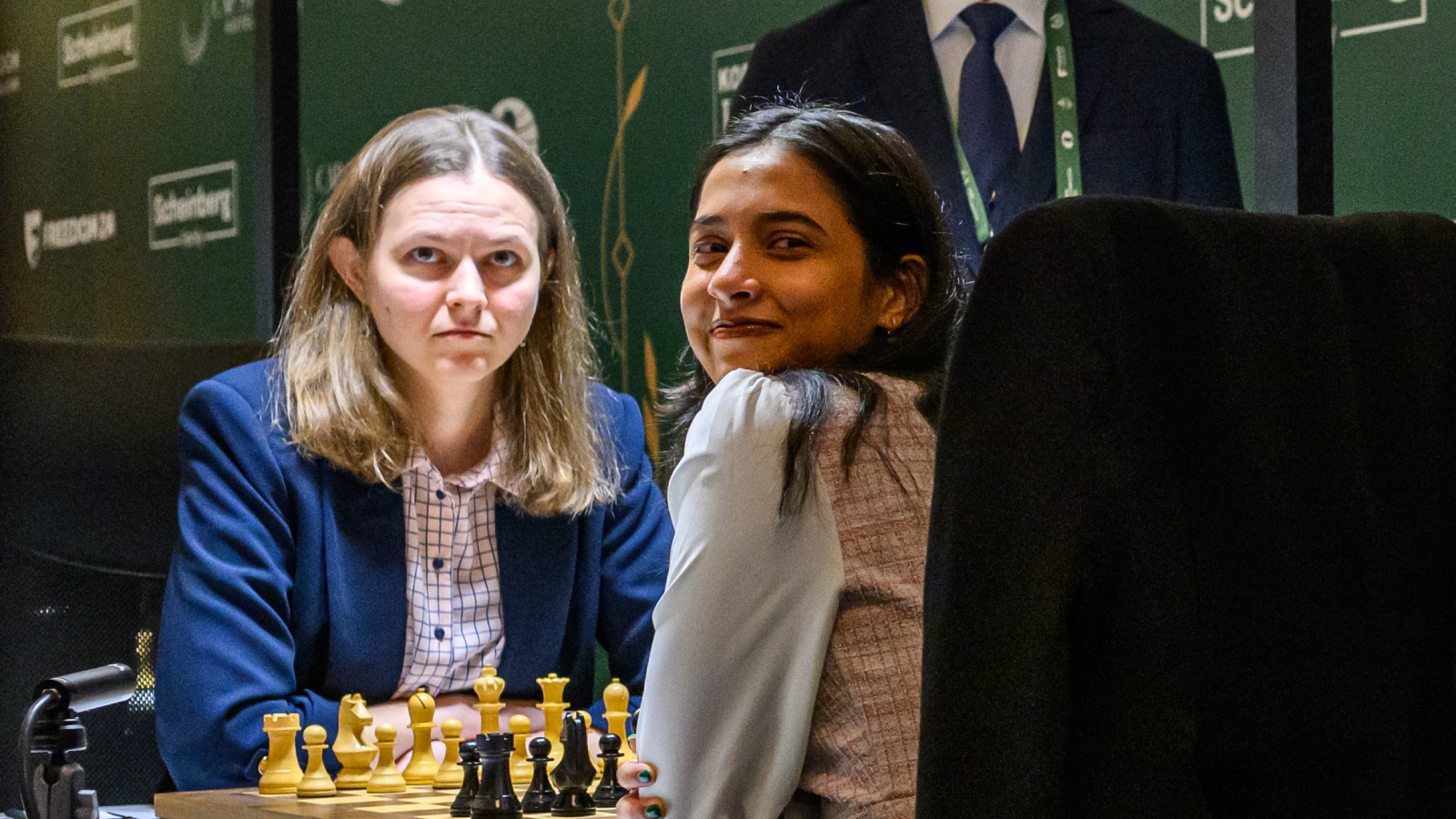
Vaishali’s victory over compatriot Divya Deshmukh means that she remains in joint lead of the tournament — sharing the top spot with China’s Zhu Jiner on 5.5 points — with just five rounds left in Cyprus.
Divya, meanwhile, is joint fourth, one whole point behind Vaishali, who is playing in her second Candidates tournament. Muzychuk, a last-minute backup for Koneru Humpy at the Candidates, was leading the tournament by half a point over Vaishali at the halfway stage, but has now let two winning positions slip out of her hands (one against Divya on Tuesday and another against China’s former women’s world champion Tan Zhongyi on Wednesday), helping the Indian surge into a lead with Zhu.
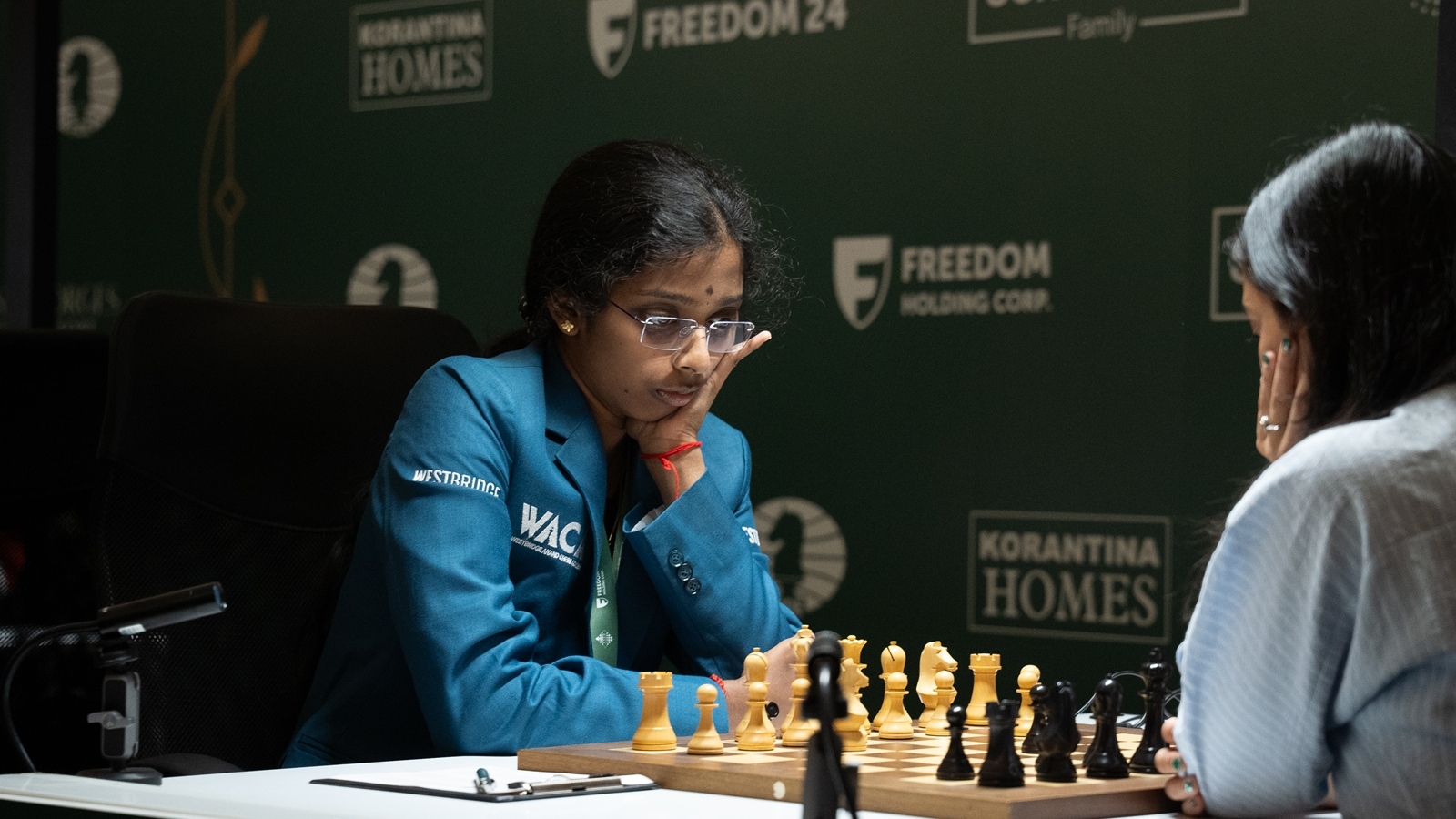
Over the space of five moves on Wednesday, Vaishali offered both her rooks as a sacrifice to her opponent, Divya. It was those two sacrifice offers that were the final flourishes in Vaishali’s victory over her Olympiad teammate, Divya. Even though Divya only accepted the first rook sacrifice and avoided the second, both offers were classified as brilliancies by the engine, which has a weakness for players giving up material on the chessboard in a bid to improve their position. Vaishali’s first rook sacrifice offer came on move 23 when she gobbled up a knight with her rook on the d3 square, knowing well that it would be recaptured. But on move 28, she offered up her second rook on the b1 square, this time without any material compensation at all! And even though Divya thought better than to accept the rook with her queen, the game had become unsalvageable.
In a game where Vaishali held a 20-minute advantage on the clock by move 12 and an edge on the board from as early as move 13 with the white pieces, victory eventually came in 31 moves.
For Divya, meanwhile, it was a case of a train wreck following a miracle on Tuesday. It was Divya’s turnaround victory over Muzychuk in Round 8 of the Women’s Candidates tournament on Tuesday which had thrown open the event, with five players sharing the lead at the top.
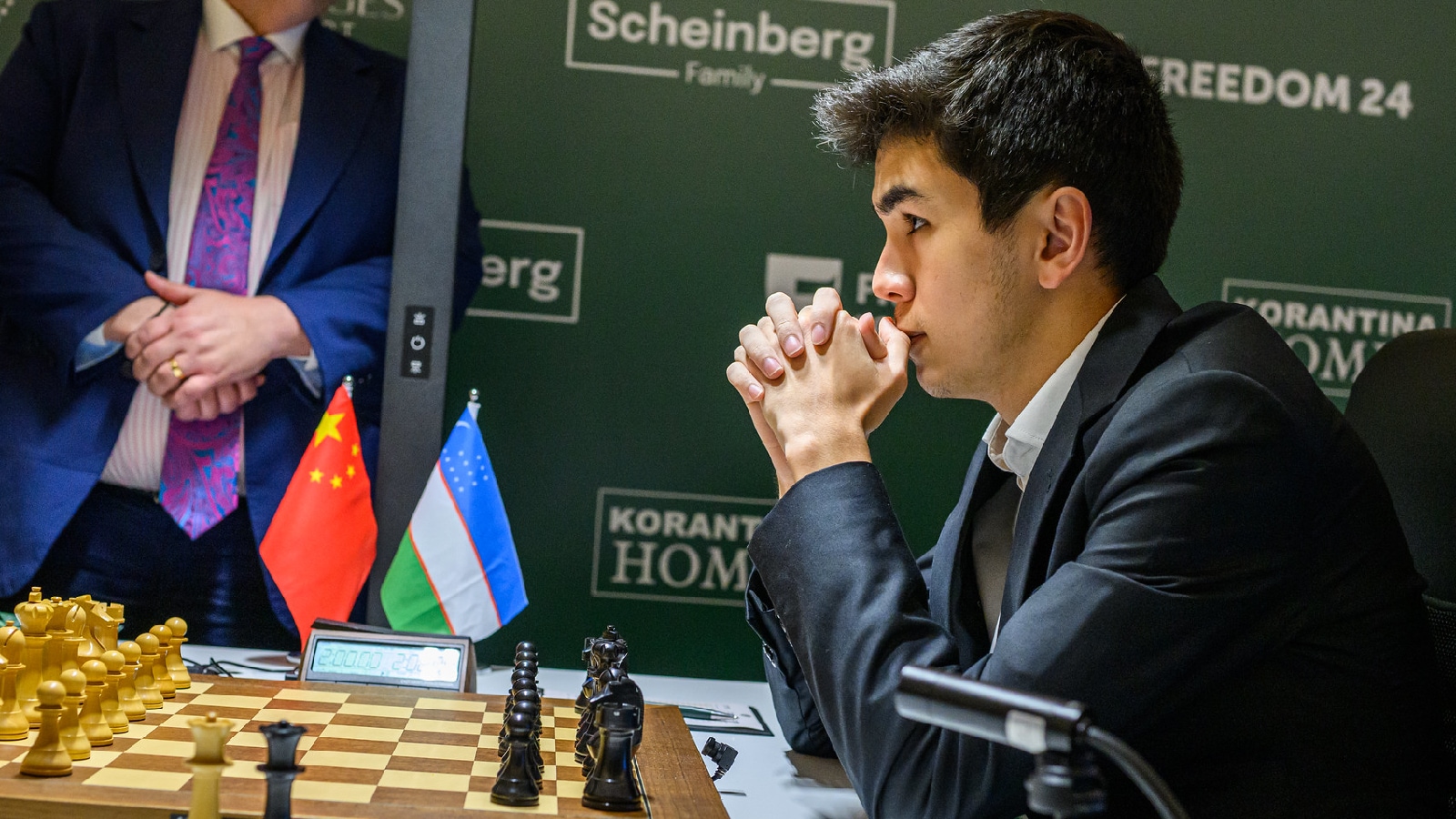
Elsewhere, R Praggnanandhaa, the lone Indian in the fray at the men’s Candidates tournament, had to battle hard to eke out a draw against China’s Wei Yi. By round 8 of the Candidates on Tuesday, Pragg had already slipped to three points behind tournament leader Javokhir Sindarov, who, after crushing the field with his opening prep in the first half of the tournament, is playing safe chess to drag out draws in the two games of the second half.
Little has gone Pragg’s way at the ongoing Candidates, and Wednesday was another illustration of that. He held a significant edge in his game against Wei before letting it slip and then scrambling to avoid losing on time. Playing in his second Candidates tournament in a row, Pragg has so far won just a single game in Cyprus, which was the first game of the tournament. Since then, he’s been held to six draws and has suffered a defeat.
“Several opening choices at this Candidates have been a little bit strange to me. Like what Pragg did in Round 8 (vs Anish Giri) and what he did against Andrey Esipenko,” pointed out Ian Nepomniachtchi, a two-time winner of the Candidates tournament, who was in Cyprus to make the ceremonial first move on Wednesday and then stopped by the FIDE official commentary booth to provide his insights.
“Maybe Pragg got some time machine and thinks it’s 2016 when all those ideas were fresh, brand-new and undiscovered. Even in blitz, you don’t opt for all these lines because they are so well-known and well-studied. Not really surprising. These are lines you would play against someone at a much lower level than you. If he doesn’t know the opening, then you get a game. But if you play those lines in a top-level tournament, you are basically ending up defending after move 15, even if your opponent shows some basic knowledge,” said Nepo before joking: “I’m not in a position to judge. I’m a tourist. But as a tourist, I have my not-very-humble opinion.”
Like a juggernaut hurtling through opponents, R Vaishali’s Candidates campaign finds itself five games away from securing her a Women’s World Championship battle.
For someone who started the Women’s Candidates tournament in Cyprus with four consecutive draws and a defeat in the fifth round to slump to joint sixth place at one stage, Vaishali is now the joint leader of the women’s section, thanks to three wins and a draw in the last four rounds. Vaishali has a reputation in the circuit for going on streaks—both winning and losing—and she seems to have found the right direction just as the business end of the Candidates approaches.
Vaishali’s victory over compatriot Divya Deshmukh means that she remains in joint lead of the tournament — sharing the top spot with China’s Zhu Jiner on 5.5 points — with just five rounds left in Cyprus.
Divya, meanwhile, is joint fourth, one whole point behind Vaishali, who is playing in her second Candidates tournament. Muzychuk, a last-minute backup for Koneru Humpy at the Candidates, was leading the tournament by half a point over Vaishali at the halfway stage, but has now let two winning positions slip out of her hands (one against Divya on Tuesday and another against China’s former women’s world champion Tan Zhongyi on Wednesday), helping the Indian surge into a lead with Zhu.
Over the space of five moves on Wednesday, Vaishali offered both her rooks as a sacrifice to her opponent, Divya. It was those two sacrifice offers that were the final flourishes in Vaishali’s victory over her Olympiad teammate, Divya. Even though Divya only accepted the first rook sacrifice and avoided the second, both offers were classified as brilliancies by the engine, which has a weakness for players giving up material on the chessboard in a bid to improve their position. Vaishali’s first rook sacrifice offer came on move 23 when she gobbled up a knight with her rook on the d3 square, knowing well that it would be recaptured. But on move 28, she offered up her second rook on the b1 square, this time without any material compensation at all! And even though Divya thought better than to accept the rook with her queen, the game had become unsalvageable.
In a game where Vaishali held a 20-minute advantage on the clock by move 12 and an edge on the board from as early as move 13 with the white pieces, victory eventually came in 31 moves.
For Divya, meanwhile, it was a case of a train wreck following a miracle on Tuesday. It was Divya’s turnaround victory over Muzychuk in Round 8 of the Women’s Candidates tournament on Tuesday which had thrown open the event, with five players sharing the lead at the top.
Elsewhere, R Praggnanandhaa, the lone Indian in the fray at the men’s Candidates tournament, had to battle hard to eke out a draw against China’s Wei Yi. By round 8 of the Candidates on Tuesday, Pragg had already slipped to three points behind tournament leader Javokhir Sindarov, who, after crushing the field with his opening prep in the first half of the tournament, is playing safe chess to drag out draws in the two games of the second half.
Little has gone Pragg’s way at the ongoing Candidates, and Wednesday was another illustration of that. He held a significant edge in his game against Wei before letting it slip and then scrambling to avoid losing on time. Playing in his second Candidates tournament in a row, Pragg has so far won just a single game in Cyprus, which was the first game of the tournament. Since then, he’s been held to six draws and has suffered a defeat.
“Several opening choices at this Candidates have been a little bit strange to me. Like what Pragg did in Round 8 (vs Anish Giri) and what he did against Andrey Esipenko,” pointed out Ian Nepomniachtchi, a two-time winner of the Candidates tournament, who was in Cyprus to make the ceremonial first move on Wednesday and then stopped by the FIDE official commentary booth to provide his insights.
“Maybe Pragg got some time machine and thinks it’s 2016 when all those ideas were fresh, brand-new and undiscovered. Even in blitz, you don’t opt for all these lines because they are so well-known and well-studied. Not really surprising. These are lines you would play against someone at a much lower level than you. If he doesn’t know the opening, then you get a game. But if you play those lines in a top-level tournament, you are basically ending up defending after move 15, even if your opponent shows some basic knowledge,” said Nepo before joking: “I’m not in a position to judge. I’m a tourist. But as a tourist, I have my not-very-humble opinion.”