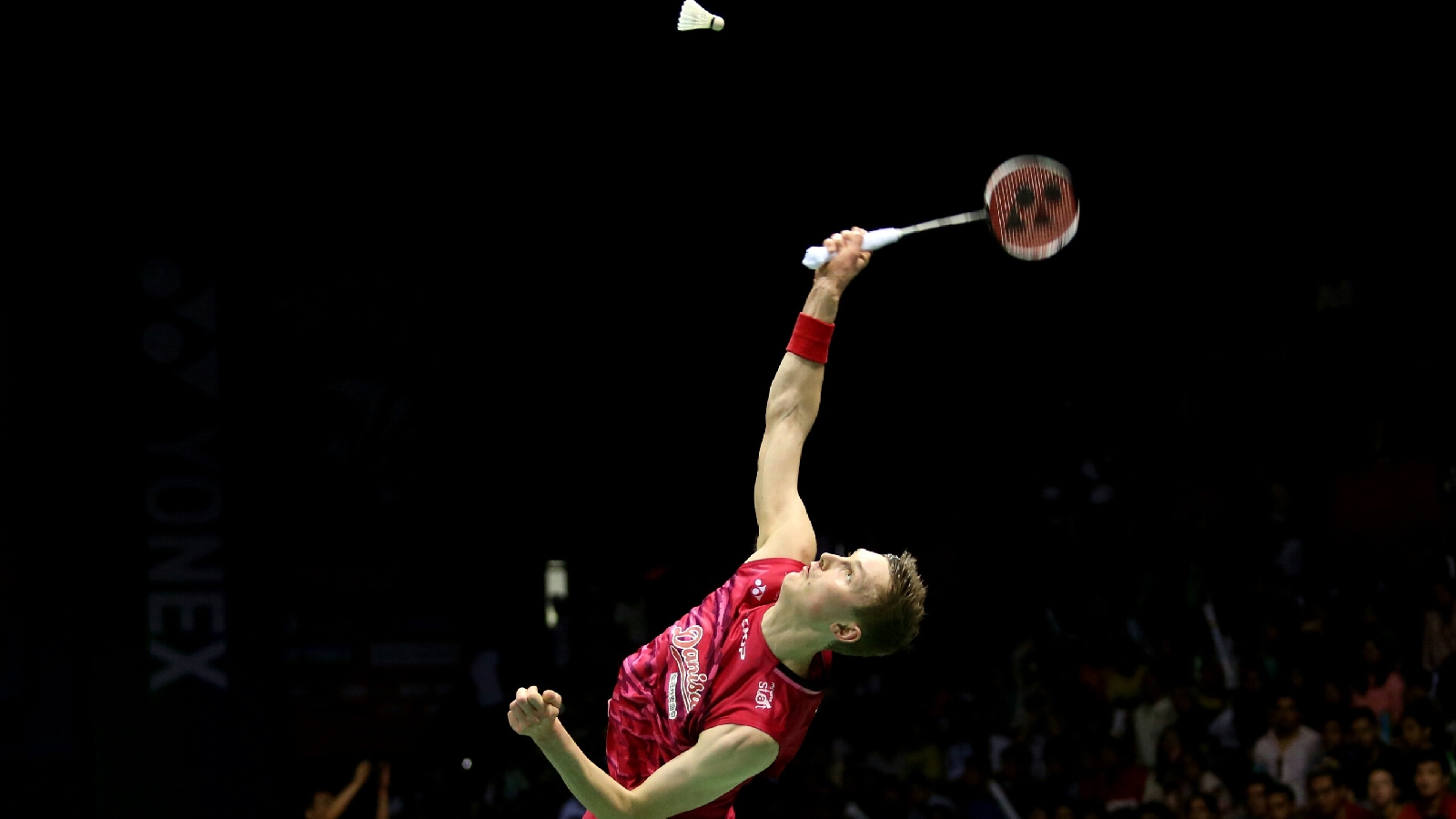


Viktor Axelsen: Rebel who was also a winner; stomping attacker on court who surprised unsuspecting Chinese by speaking to them in their tongue
Axelsen's greatest legacy will be fighting for players' rights, though 2 Olympic golds and 2 World titles aren't too shabby at all
Lin Dan and Lee Chong Wei were a tough act to follow. But Viktor Axelsen built a bridge to Asia by learning Mandarin, picking the brains of Asian contemporaries and coaches. He worked incredibly hard on tall agility to form a seamless succession – where the twice Olympic champion, from 2021 Tokyo and 2024 Paris, became one of the greatest men’s singles shuttlers of all time.
It was quite poetic that his announcement to retire came in the week following the emergence of the similarly lanky, 6’4″ Indian Ayush Shetty, who made the finals of the Badminton Asia Championships. Recent injuries to the ankle and, prominently, the back, made even training normally impossible, let alone reaching former heights. The Dane, now 32, would tell the Average Not Average podcast that he had always been Viktor, a badminton player. But now that part of him was eating into the rest of him. Carolina Marin had announced her own retirement, speaking of similar struggles to return to court while battling pain, a fortnight ago.
Besides his two Olympic gold medals, Axelsen, dubbed the ‘alien’ for his extraordinary dominance in his prime, also took bronze at the Rio Olympics where Super Dan and Chong Wei were fading, i.e. still making semis but not claiming titles. The Super Dane would pick up the mantle and pick up two World titles in 2017 and 2022. He could have had a third, but India’s HS Prannoy masterfully took him apart in 2023 in a tactical masterclass, showing up the fading features of his power. Bitter losses like those compounded his physical struggles.
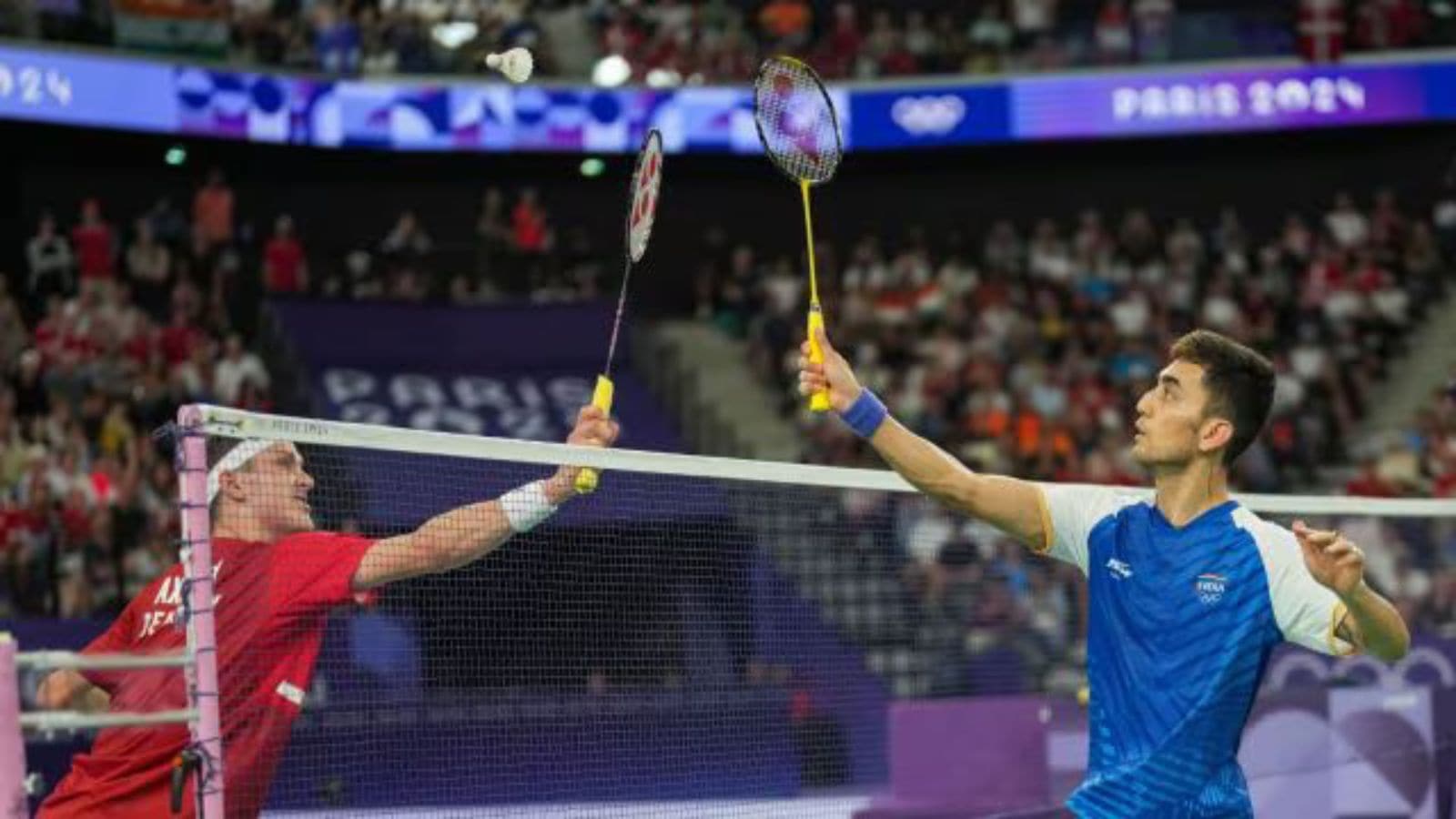
Still, Axelsen loomed large at the net and soared high into the backcourt horizon, unleashing attacks that were steep – almost curt in their impact and capable of cutting bustling opponents to shreds by combining his power with canny court craft. It’s not like he was unbeatable; Lakshya Sen had defeated him at the German Open once. But Axelsen was better than most of his contemporaries at acing the big moments, raising his levels to go from a struggling 0 to a peaking 100 in two rallies, as Sen learnt at the Olympics.
He was singularly responsible for keeping the Chinese at bay for nearly a decade, though nobody knows how the badminton scene would’ve panned out had Kento Momota not suffered the accident. But Axelsen stepped into the niche gloriously, remaining respectful towards his Asian peers.
Not only would he learn Mandarin sincerely, in part to figure out what Chinese coaches spoke, but also out of a genuine interest in Chinese culture. There was that funny episode of two Chinese fans giggling about his height in a lift, while he kept a poker face, and then responding with something witty in Chinese as they all stepped out. But Indonesian fans were no less charmed, as they would leave him plushies and teddies for his daughters at the hotel, to express their admiration.
His selfies with a small espresso cup ahead of his matches, wherever he travelled, became a social media post to look forward to. On the court, he was less cute. He could snarl, argue, scream at opposing coaches, fight and then calmly go about controlling the shuttle and sending down his attack. He trained with most upcoming talents, inviting them to Dubai, sharing tips and collecting cues alike, supporting independent players like Lee Zii Jia, who did not wish to align with national federations.
ALSO READ | ‘My body is telling me to stop’: Why 2-time Olympic gold medalist Viktor Axelsen has been forced into sudden retirement at 32
At his home in Odense, his father would speak about the need to grow the sport in America and take it into the next orbit commercially. Viktor never quite endeared himself to the badminton suits, and though he won the Thomas Cup with Denmark in 2016, he was keen to move out and build his set-up in Dubai.
His run-ins with the Badminton World Federation were legendary, and quite staggering given the Federation was headed by another Dane, and Barcelona Olympics champion, Poul Erik-Hoyer Larsen. Axelsen’s greatest legacy might well be fighting for players’ rights. To ease up the schedule, demanding breaks between matches, spacing out tournaments even as they kept fining him for withdrawals while he kept sharing medical reports and X-rays in snipey back-and-forths. He was also livid about changing badminton to a 15-point scoring system from 21, going against the tide of European preference and opinions.
Ultimately, when the BWF did weave in almost all his suggestions, his back was too shot to resume playing again at 32.
“It took up a lot of my time and mental energy. But some fights are necessary to fight,” he would tell The Indian Express in 2019, after one round of punches thrown at his own federation, fighting for independence in sponsorships.
His other pet peeve – the high service being called a fault that drove him up the wall, and was abhorred by all tall Europeans.
Back then, Axelsen was a marquee player for the Ahmedabad franchise in PBL and had been spending his New Year’s in India playing the league here. He took a great liking for yellow dal. In the holiday season, he would rather have been with family and friends at home, but the league was part of his rehab during his comeback from a spate of pollen allergies that aggravated his asthma. “India is the second-best option after being home,” he would say. Prior to that, he had injured both his ankles – tall player, real problems.
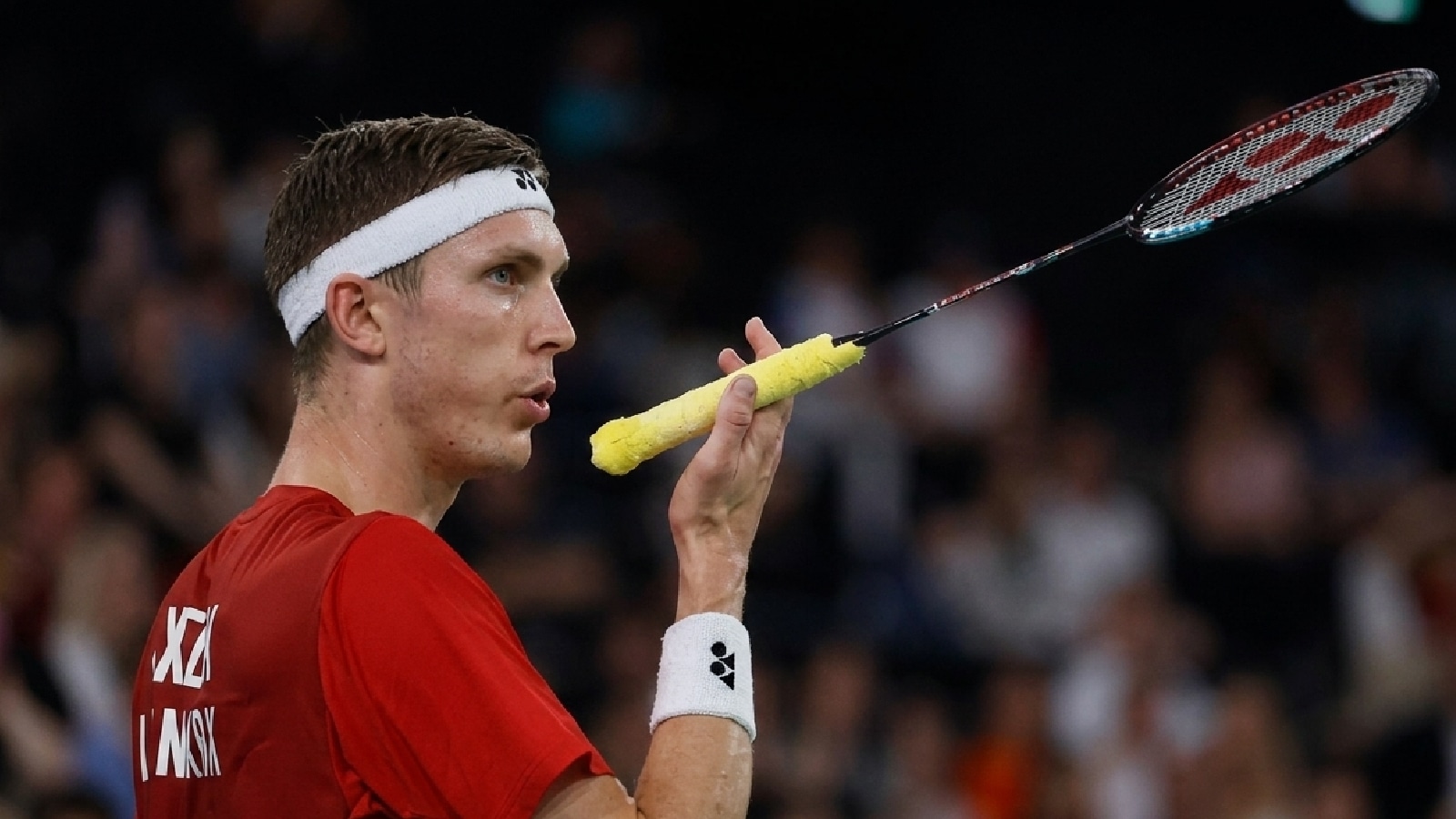
A rebel who was also a winner, Viktor Axelsen leaves his sport much reformed, though his stomping, hulking frame on court with the headband and snarl and glorious net-battles over tumbles and dribbles will be missed for long.
Lin Dan and Lee Chong Wei were a tough act to follow. But Viktor Axelsen built a bridge to Asia by learning Mandarin, picking the brains of Asian contemporaries and coaches. He worked incredibly hard on tall agility to form a seamless succession – where the twice Olympic champion, from 2021 Tokyo and 2024 Paris, became one of the greatest men’s singles shuttlers of all time.
It was quite poetic that his announcement to retire came in the week following the emergence of the similarly lanky, 6’4″ Indian Ayush Shetty, who made the finals of the Badminton Asia Championships. Recent injuries to the ankle and, prominently, the back, made even training normally impossible, let alone reaching former heights. The Dane, now 32, would tell the Average Not Average podcast that he had always been Viktor, a badminton player. But now that part of him was eating into the rest of him. Carolina Marin had announced her own retirement, speaking of similar struggles to return to court while battling pain, a fortnight ago.
Besides his two Olympic gold medals, Axelsen, dubbed the ‘alien’ for his extraordinary dominance in his prime, also took bronze at the Rio Olympics where Super Dan and Chong Wei were fading, i.e. still making semis but not claiming titles. The Super Dane would pick up the mantle and pick up two World titles in 2017 and 2022. He could have had a third, but India’s HS Prannoy masterfully took him apart in 2023 in a tactical masterclass, showing up the fading features of his power. Bitter losses like those compounded his physical struggles.
Still, Axelsen loomed large at the net and soared high into the backcourt horizon, unleashing attacks that were steep – almost curt in their impact and capable of cutting bustling opponents to shreds by combining his power with canny court craft. It’s not like he was unbeatable; Lakshya Sen had defeated him at the German Open once. But Axelsen was better than most of his contemporaries at acing the big moments, raising his levels to go from a struggling 0 to a peaking 100 in two rallies, as Sen learnt at the Olympics.
He was singularly responsible for keeping the Chinese at bay for nearly a decade, though nobody knows how the badminton scene would’ve panned out had Kento Momota not suffered the accident. But Axelsen stepped into the niche gloriously, remaining respectful towards his Asian peers.
Not only would he learn Mandarin sincerely, in part to figure out what Chinese coaches spoke, but also out of a genuine interest in Chinese culture. There was that funny episode of two Chinese fans giggling about his height in a lift, while he kept a poker face, and then responding with something witty in Chinese as they all stepped out. But Indonesian fans were no less charmed, as they would leave him plushies and teddies for his daughters at the hotel, to express their admiration.
His selfies with a small espresso cup ahead of his matches, wherever he travelled, became a social media post to look forward to. On the court, he was less cute. He could snarl, argue, scream at opposing coaches, fight and then calmly go about controlling the shuttle and sending down his attack. He trained with most upcoming talents, inviting them to Dubai, sharing tips and collecting cues alike, supporting independent players like Lee Zii Jia, who did not wish to align with national federations.
ALSO READ | ‘My body is telling me to stop’: Why 2-time Olympic gold medalist Viktor Axelsen has been forced into sudden retirement at 32
At his home in Odense, his father would speak about the need to grow the sport in America and take it into the next orbit commercially. Viktor never quite endeared himself to the badminton suits, and though he won the Thomas Cup with Denmark in 2016, he was keen to move out and build his set-up in Dubai.
His run-ins with the Badminton World Federation were legendary, and quite staggering given the Federation was headed by another Dane, and Barcelona Olympics champion, Poul Erik-Hoyer Larsen. Axelsen’s greatest legacy might well be fighting for players’ rights. To ease up the schedule, demanding breaks between matches, spacing out tournaments even as they kept fining him for withdrawals while he kept sharing medical reports and X-rays in snipey back-and-forths. He was also livid about changing badminton to a 15-point scoring system from 21, going against the tide of European preference and opinions.
Ultimately, when the BWF did weave in almost all his suggestions, his back was too shot to resume playing again at 32.
“It took up a lot of my time and mental energy. But some fights are necessary to fight,” he would tell The Indian Express in 2019, after one round of punches thrown at his own federation, fighting for independence in sponsorships.
His other pet peeve – the high service being called a fault that drove him up the wall, and was abhorred by all tall Europeans.
Back then, Axelsen was a marquee player for the Ahmedabad franchise in PBL and had been spending his New Year’s in India playing the league here. He took a great liking for yellow dal. In the holiday season, he would rather have been with family and friends at home, but the league was part of his rehab during his comeback from a spate of pollen allergies that aggravated his asthma. “India is the second-best option after being home,” he would say. Prior to that, he had injured both his ankles – tall player, real problems.
A rebel who was also a winner, Viktor Axelsen leaves his sport much reformed, though his stomping, hulking frame on court with the headband and snarl and glorious net-battles over tumbles and dribbles will be missed for long.