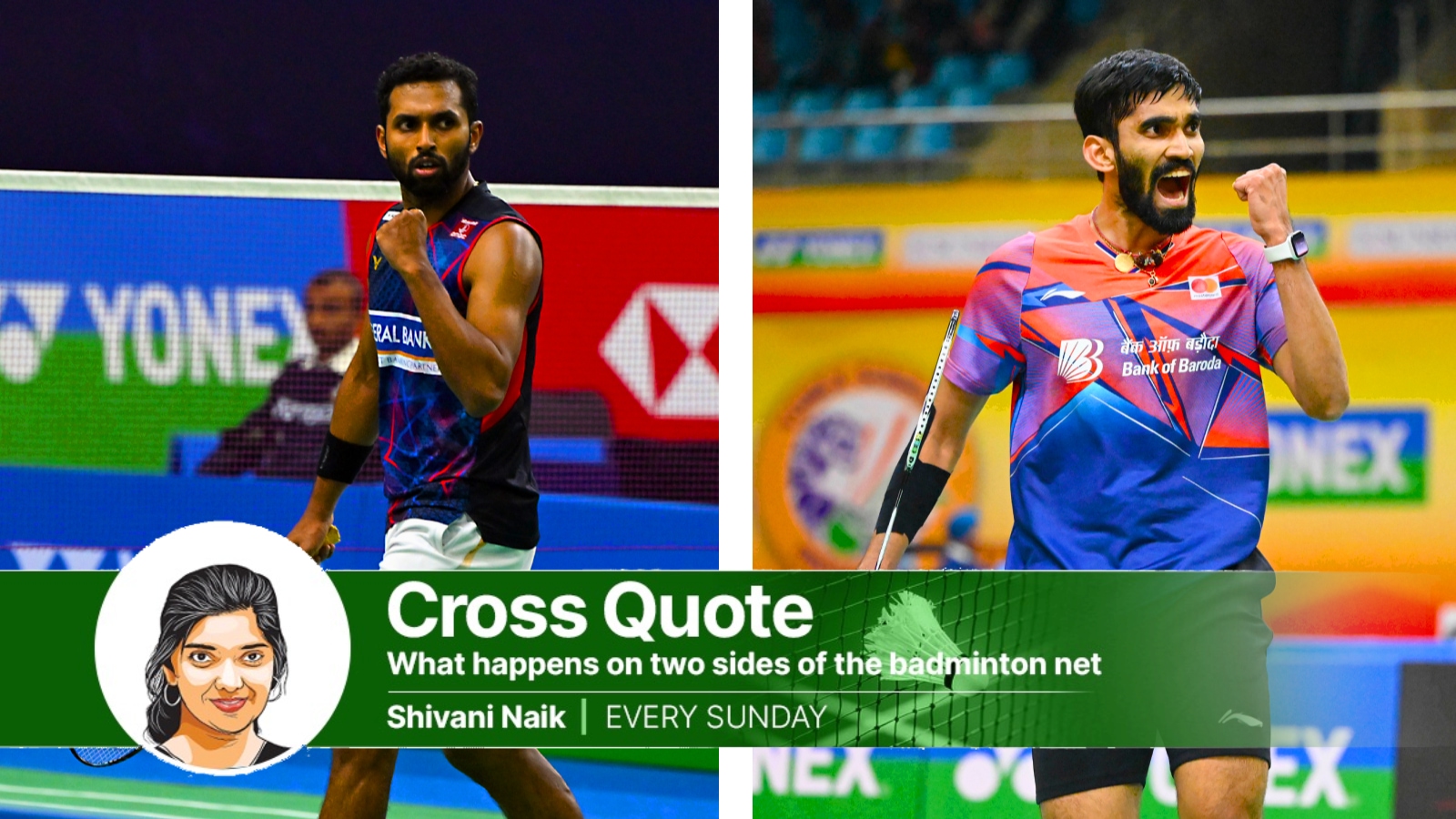


Why HS Prannoy & Kidambi Srikanth are ideal role models for the likes of Unnati Hooda and Tanvi Sharma
On Thomas Cup duty once more, the two seniors of men's singles have steered their careers with dignified patience and set standards for team play in a highly individual sport - something the crop of 8-10 youngsters need to imbibe
HS Prannoy was one of India’s earliest men’s medallists at the World Junior Championships, winning bronze alongside B Sai Praneeth. They won it in 2010, the year Viktor Axelsen became champion. Both went on to win Senior World Championship bronze medals – Sai in 2019, and Prannoy later in 2023. Prannoy’s biggest Tour title at Malaysia too came in 2022, a dozen years after he was dubbed a prodigy.
Sometimes, success takes time.
Even the greatest Lin Dan and Lee Chong Wei won only bronze at the World Juniors, incidentally in the same edition in 2000. For both Prannoy (an identified prodigy who won it all in juniors) and Srikanth (a reluctant genius who won nothing in juniors and suddenly started winning in singles after being dragged out of doubles), resilience has been a large part of their career journeys.
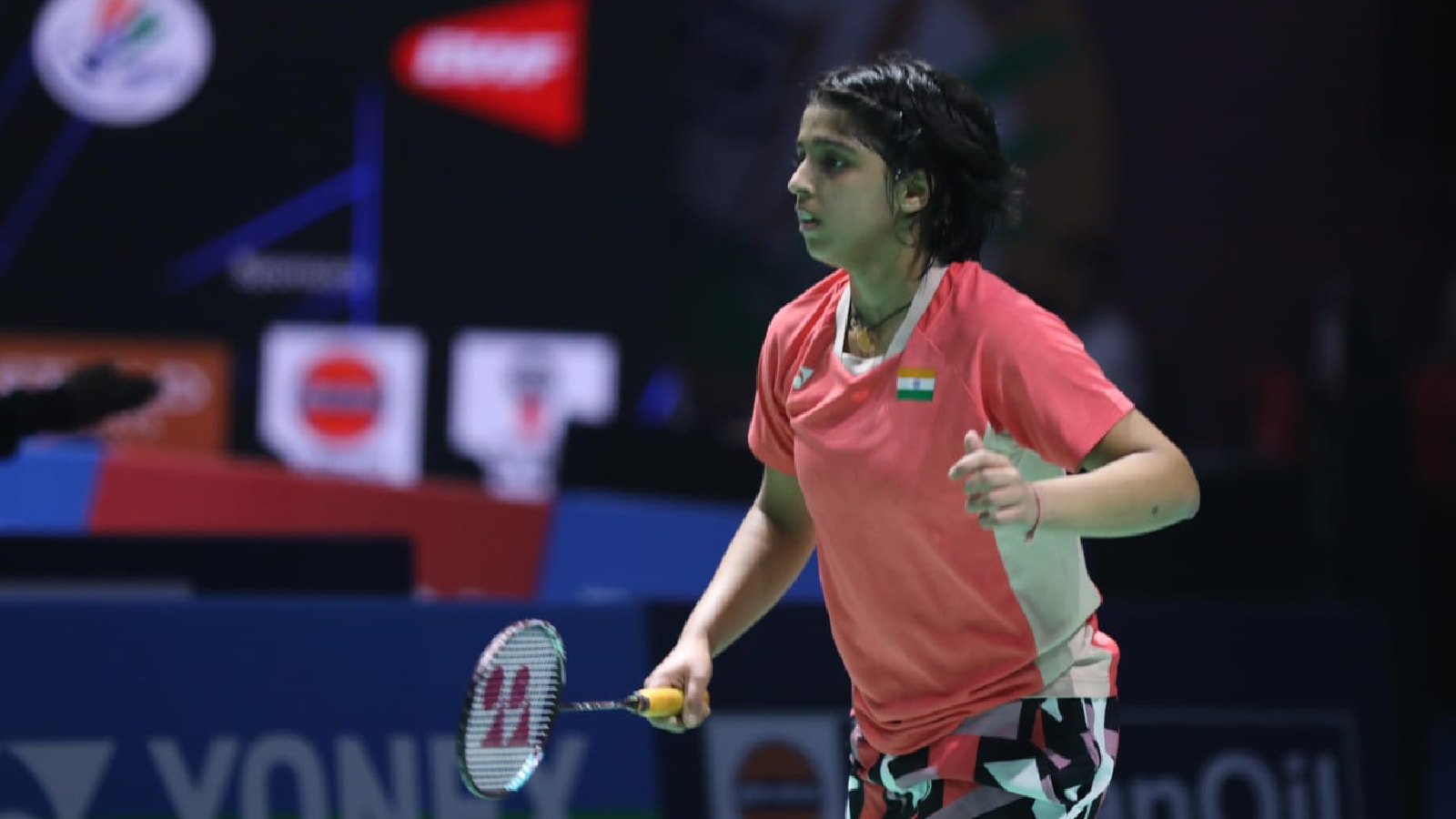
Indian women’s singles has two success stories of women who started winning early at 17-18. But the likes of Unnati Hooda and Tanvi Sharma, Devika Sihag and Rakshitha Ramraj, Anmol Kharb and Isharani Baruah — are clearly not Saina or Sindhu. So India needs to scale down the timelines of its expectations from them. The criticism after the loss to Denmark in the Uber Cup is both harsh and nasty.
ALSO READ | They pawned jewellery, skipped holidays, split families chasing badminton dreams. Least you can listen
But it’s also why Prannoy and Srikanth, the experienced men’s singles shuttlers, are a more relatable example to follow for the girls. It starts with knowing — no matter where you peg your talent from good-to-great — sustained success can take awfully long to arrive.
Countless, quiet, dignified heartbreaks after losses at the Olympics, Worlds and other events for Indian men would go unnoticed because India loved flaunting its winners, and those were Saina and Sindhu. The silence after defeats, while hearing drumbeats of another’s win, might have been triggering. But India’s men’s singles of Parupalli Kashyap, Ajay Jayram, Srikanth, Prannoy, Sai and Sameer Verma, operating in the era of Lin Dan and Chong Wei, besides a considerably tougher Top 10, stayed persistent, fought for years to get the big breaks. One thing they never stopped doing – polishing their skills, plunging into badminton’s strokes and tactics and learning from each other.
There are a few similarities between India’s current women’s singles and India’s men’s singles of before. They do not have the power of Saina or Sindhu to immediately start delivering world-class results in their teens. The bunch of 8-10 of them, as well as someone like Malvika Bansod (23), will need to grow as a team, share knowledge on opponents with fellow Indians — like Kashyap, Prannoy, Srikanth once did, fully aware that the Indian pack needs to attack tournament draws collectively, to get results.
The easiest thing to do would be to not get stuck in manufactured domestic rivalries: Unnati vs Tanvi or Devika vs Isharani, Rakshitha or Anmol. A whole generation will be lost to silly, catty, pointless comparisons.
It was not that India’s men’s singles of 2014-2024 were all thick buddies; they nursed rivalries too. But on the Tour, when they travelled and lost early, they happily helped each other against foreign opponents. Some failures can build stern bonds.
ALSO READ | Mumbai is getting its fifth cricket stadium. Chirag Shetty, World No. 1, has no arena to call home
They competed fiercely and looked out for themselves, too, but the Thomas Cup team of 2022 was built on Prannoy’s premise that only a collective unit can get the job done. They traded notes with Satwik-Chirag and other doubles, analysed losses and sharpened each other’s games as they built their badminton universe.
There’s a stark reason for India’s young women to build that bond too. Their games are too raw and too unidimensional at the moment. They might each figure out their own ways to prop up the fitness. But there are gaps in the games, and the tactical acumen isn’t up to scratch.
Unnati has the fierce fight and fitness in her, but is very limited in strokes. Devika has an attack and strokes that can scythe through the defensive runners populating Top 10s, but not quite the speed and strength – yet. Anmol has court awareness, but not a steady plan to take the next step from Top 50-60.
Tanvi needs a massive third-set endurance upgrade, but strength and stamina will take time to build. She can’t hit her way out of trouble, like Saina, Sindhu, or now Ayush Shetty can. The errors that she is getting plastered for with nasty trolling will disappear once the fitness improves and she stops going for the lines to end rallies. But currently, she’s not exactly great at rallies exceeding 10-12 shots.
Malvika and Ashmita Chaliha flatlined when Plan A was taken apart, and injuries mounted.
The general court awareness, around the bunch, is not particularly great, and they need to play more, gain experience and train with the correct coaches on court-craft. Each has one or two special strokes, but at the top level, those can get read and dissected in a week, if they don’t have weapons outside of those tricks. Or teammates dropping those tiny observations. Learning to take initiative comes with plunging into badminton skills and everything around it headlong, learning from peers — or stagnancy awaits.
The likes of Prannoy, Srikanth and Sai Praneeth immersed themselves in the tricks of badminton and deep skills, learning from each other, as they found success. They turned the slight hint of envy into enterprise, slowly getting past the insecurities and jealousies to see the bigger picture: that there is a whole World out there to beat, so don’t waste energy comparing with fellow Indians.
India’s men’s singles didn’t have one phenomenal player like Lin Dan or Chong Wei – or Saina and Sindhu. But they had a pack, and the pack won the Thomas Cup in 2022.
It’s something for the girls to learn, for India has never won the Uber Cup, despite the two generational talents. There’s an opportunity to build their own constellation. Stardom will follow.
HS Prannoy was one of India’s earliest men’s medallists at the World Junior Championships, winning bronze alongside B Sai Praneeth. They won it in 2010, the year Viktor Axelsen became champion. Both went on to win Senior World Championship bronze medals – Sai in 2019, and Prannoy later in 2023. Prannoy’s biggest Tour title at Malaysia too came in 2022, a dozen years after he was dubbed a prodigy.
Sometimes, success takes time.
Even the greatest Lin Dan and Lee Chong Wei won only bronze at the World Juniors, incidentally in the same edition in 2000. For both Prannoy (an identified prodigy who won it all in juniors) and Srikanth (a reluctant genius who won nothing in juniors and suddenly started winning in singles after being dragged out of doubles), resilience has been a large part of their career journeys.
Indian women’s singles has two success stories of women who started winning early at 17-18. But the likes of Unnati Hooda and Tanvi Sharma, Devika Sihag and Rakshitha Ramraj, Anmol Kharb and Isharani Baruah — are clearly not Saina or Sindhu. So India needs to scale down the timelines of its expectations from them. The criticism after the loss to Denmark in the Uber Cup is both harsh and nasty.
ALSO READ | They pawned jewellery, skipped holidays, split families chasing badminton dreams. Least you can listen
But it’s also why Prannoy and Srikanth, the experienced men’s singles shuttlers, are a more relatable example to follow for the girls. It starts with knowing — no matter where you peg your talent from good-to-great — sustained success can take awfully long to arrive.
Countless, quiet, dignified heartbreaks after losses at the Olympics, Worlds and other events for Indian men would go unnoticed because India loved flaunting its winners, and those were Saina and Sindhu. The silence after defeats, while hearing drumbeats of another’s win, might have been triggering. But India’s men’s singles of Parupalli Kashyap, Ajay Jayram, Srikanth, Prannoy, Sai and Sameer Verma, operating in the era of Lin Dan and Chong Wei, besides a considerably tougher Top 10, stayed persistent, fought for years to get the big breaks. One thing they never stopped doing – polishing their skills, plunging into badminton’s strokes and tactics and learning from each other.
There are a few similarities between India’s current women’s singles and India’s men’s singles of before. They do not have the power of Saina or Sindhu to immediately start delivering world-class results in their teens. The bunch of 8-10 of them, as well as someone like Malvika Bansod (23), will need to grow as a team, share knowledge on opponents with fellow Indians — like Kashyap, Prannoy, Srikanth once did, fully aware that the Indian pack needs to attack tournament draws collectively, to get results.
The easiest thing to do would be to not get stuck in manufactured domestic rivalries: Unnati vs Tanvi or Devika vs Isharani, Rakshitha or Anmol. A whole generation will be lost to silly, catty, pointless comparisons.
It was not that India’s men’s singles of 2014-2024 were all thick buddies; they nursed rivalries too. But on the Tour, when they travelled and lost early, they happily helped each other against foreign opponents. Some failures can build stern bonds.
ALSO READ | Mumbai is getting its fifth cricket stadium. Chirag Shetty, World No. 1, has no arena to call home
They competed fiercely and looked out for themselves, too, but the Thomas Cup team of 2022 was built on Prannoy’s premise that only a collective unit can get the job done. They traded notes with Satwik-Chirag and other doubles, analysed losses and sharpened each other’s games as they built their badminton universe.
There’s a stark reason for India’s young women to build that bond too. Their games are too raw and too unidimensional at the moment. They might each figure out their own ways to prop up the fitness. But there are gaps in the games, and the tactical acumen isn’t up to scratch.
Unnati has the fierce fight and fitness in her, but is very limited in strokes. Devika has an attack and strokes that can scythe through the defensive runners populating Top 10s, but not quite the speed and strength – yet. Anmol has court awareness, but not a steady plan to take the next step from Top 50-60.
Tanvi needs a massive third-set endurance upgrade, but strength and stamina will take time to build. She can’t hit her way out of trouble, like Saina, Sindhu, or now Ayush Shetty can. The errors that she is getting plastered for with nasty trolling will disappear once the fitness improves and she stops going for the lines to end rallies. But currently, she’s not exactly great at rallies exceeding 10-12 shots.
Malvika and Ashmita Chaliha flatlined when Plan A was taken apart, and injuries mounted.
The general court awareness, around the bunch, is not particularly great, and they need to play more, gain experience and train with the correct coaches on court-craft. Each has one or two special strokes, but at the top level, those can get read and dissected in a week, if they don’t have weapons outside of those tricks. Or teammates dropping those tiny observations. Learning to take initiative comes with plunging into badminton skills and everything around it headlong, learning from peers — or stagnancy awaits.
The likes of Prannoy, Srikanth and Sai Praneeth immersed themselves in the tricks of badminton and deep skills, learning from each other, as they found success. They turned the slight hint of envy into enterprise, slowly getting past the insecurities and jealousies to see the bigger picture: that there is a whole World out there to beat, so don’t waste energy comparing with fellow Indians.
India’s men’s singles didn’t have one phenomenal player like Lin Dan or Chong Wei – or Saina and Sindhu. But they had a pack, and the pack won the Thomas Cup in 2022.
It’s something for the girls to learn, for India has never won the Uber Cup, despite the two generational talents. There’s an opportunity to build their own constellation. Stardom will follow.