

Badminton to test synthetic shuttles at smaller grade and junior tournaments with sustainability aims
BWF approved use of synthetics that mimic feather shuttles in feel and appearance, but need further testing and feedback from players
Just last year, the falling popularity of duck meat had coincided with badminton shuttlecock manufacturers struggling for raw material to make shuttles. It had led to a twofold rise in prices of certain shuttle stocks.
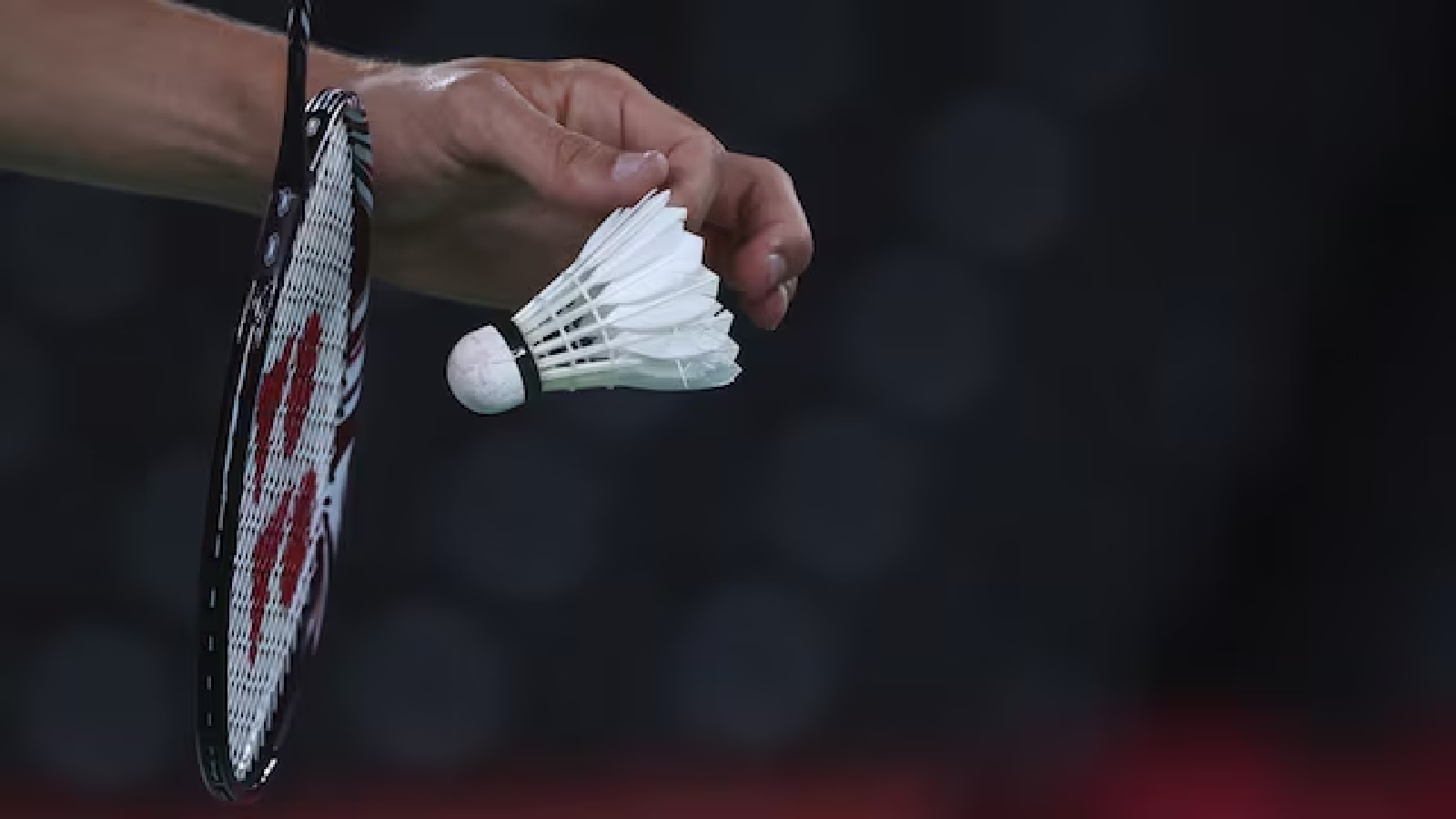
A year on, BWF has clearly brought forward its plans to introduce synthetic shuttles that mimic the look and feel of the feather ones.
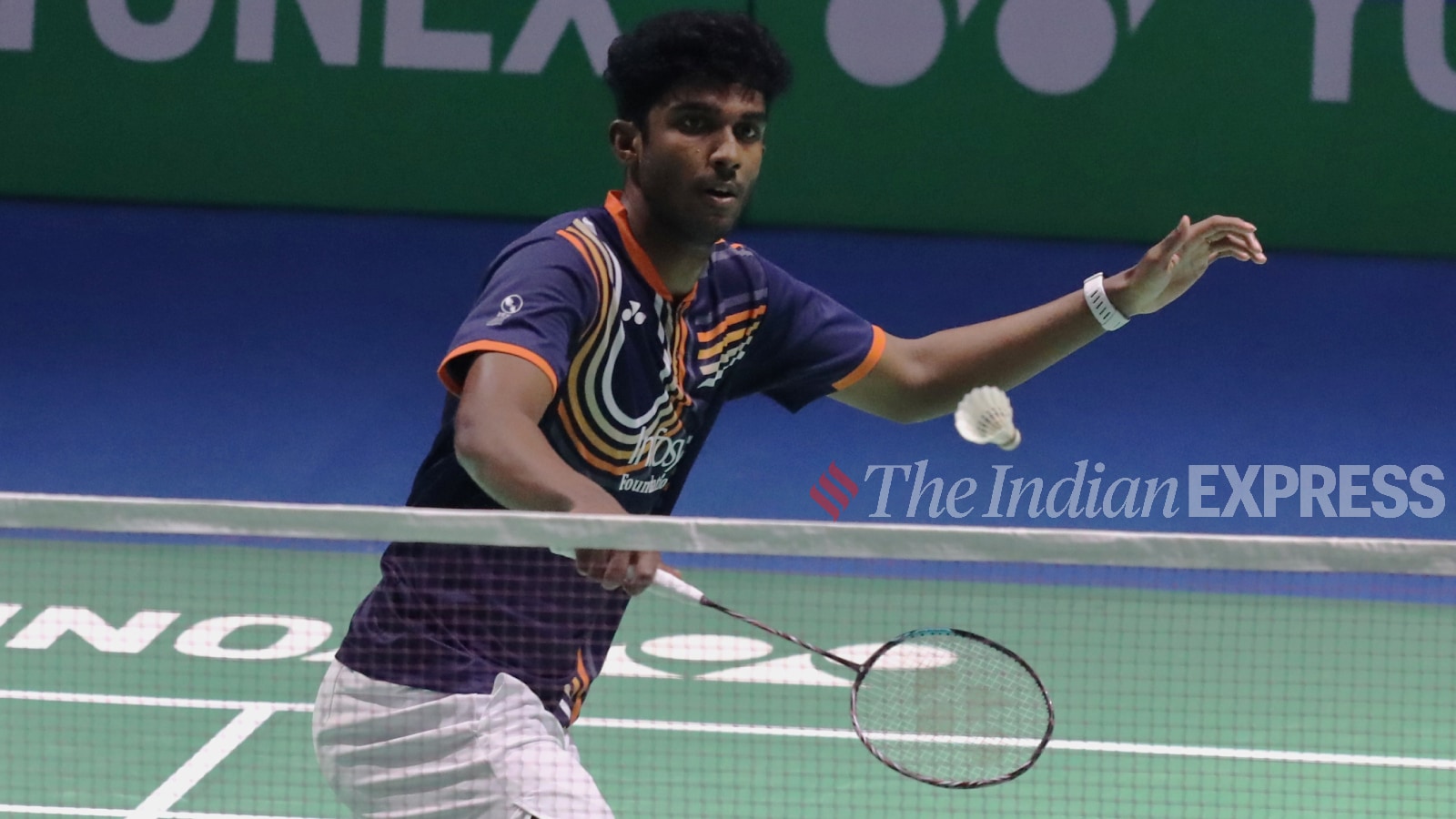
BWF approved use of synthetic shuttlecocks at selected tournaments. These include synthetics made by VICTOR and YONEX, and will be used at BWF Grade 3 tournaments and Junior International tournaments.
The federation said this initiative was part of BWF’s long‑term approach to “evaluating synthetic feather shuttlecocks for potential use at the elite level.”
The federation had been working equally with VICTOR, a Taiwanese sporting major and badminton equipment market leader YONEX to assess the quality and performance of synthetic shuttlecocks in higher‑level competitive settings, with a particular focus on ensuring that flight and playing characteristics align with current competition standards.
BWF specified the approved products for use during this trial phase as:
BWF will trial will include the stocks of manufacturer performance data, alongside feedback from players, technical officials, and event organisers, it said.
“This information will support BWF’s ongoing assessment and inform future decisions regarding the potential use of synthetic shuttlecocks at top‑tier tournaments,” the BWF said.
Duck feathers are used to make relatively cheaper shuttles. Geese feathers are reserved for the elite ones because of their stronger stem, durability and lack of wobble. China’s cost-efficient factories harvest these feathers after the meat is consumed. But birds only reared for meat are unlikely to be reared exclusively for feathers.
Last year, national head coach India, Pullela Gopichand had said the issue is broader than just the immediate price rise, even existential. “The dependency on goose feathers, which we have, is a problem we need to address as a sport. The growth of the sport across three populous nations, India, China and Indonesia, has ensured that there is demand for raw material of goose feathers, which has gone up a lot. We need to find alternatives for it,” he had said.
Just last year, the falling popularity of duck meat had coincided with badminton shuttlecock manufacturers struggling for raw material to make shuttles. It had led to a twofold rise in prices of certain shuttle stocks.
A year on, BWF has clearly brought forward its plans to introduce synthetic shuttles that mimic the look and feel of the feather ones.
BWF approved use of synthetic shuttlecocks at selected tournaments. These include synthetics made by VICTOR and YONEX, and will be used at BWF Grade 3 tournaments and Junior International tournaments.
The federation said this initiative was part of BWF’s long‑term approach to “evaluating synthetic feather shuttlecocks for potential use at the elite level.”
The federation had been working equally with VICTOR, a Taiwanese sporting major and badminton equipment market leader YONEX to assess the quality and performance of synthetic shuttlecocks in higher‑level competitive settings, with a particular focus on ensuring that flight and playing characteristics align with current competition standards.
BWF specified the approved products for use during this trial phase as:
BWF will trial will include the stocks of manufacturer performance data, alongside feedback from players, technical officials, and event organisers, it said.
“This information will support BWF’s ongoing assessment and inform future decisions regarding the potential use of synthetic shuttlecocks at top‑tier tournaments,” the BWF said.
Duck feathers are used to make relatively cheaper shuttles. Geese feathers are reserved for the elite ones because of their stronger stem, durability and lack of wobble. China’s cost-efficient factories harvest these feathers after the meat is consumed. But birds only reared for meat are unlikely to be reared exclusively for feathers.
Last year, national head coach India, Pullela Gopichand had said the issue is broader than just the immediate price rise, even existential. “The dependency on goose feathers, which we have, is a problem we need to address as a sport. The growth of the sport across three populous nations, India, China and Indonesia, has ensured that there is demand for raw material of goose feathers, which has gone up a lot. We need to find alternatives for it,” he had said.