

Yes, teach Emergency to the young. The lessons endure
Democracy is a habit that needs to be cultivated, a wakefulness that needs to be learnt, and education that needs to be passed on
That the new NCERT Social Science textbook for Class 9 includes a section on the Emergency, in a chapter titled “Democracy”, is a good call. It replaces a textbook in which the Emergency was cursorily mentioned in a chapter on electoral politics. The NCERT move stands out as a departure from a range of its recent and not-so-recent ill-judged, politically inspired rewrites, insertions and deletions — most recently, its bizarre and prudish decision, rolled back after a report in this newspaper, to digitally cover the bare torso of the iconic Dancing Girl of Mohenjo-daro in the Class 9 Art textbook. The attempt to sheath the 4,500-year-old bronze figurine, then, framed a condescending distrust of students’ ability to see and understand an image in the fullness of its context and setting. The inclusion of the section on the Emergency, now, signals a heartening acknowledgement of students’ right to a less airbrushed education on democracy. Students must be taught about democracy’s virtues, of course. But they must also be made aware of its several challenges, including and especially those that stem from within. That awareness can help shape more empowered citizens of the future, who are conscious of the fragility of freedoms and the need not to take them for granted. Citizens who are mindful, too, of the constitutional architecture that protects their fundamental rights as well as of the possibilities of their own agency and role.
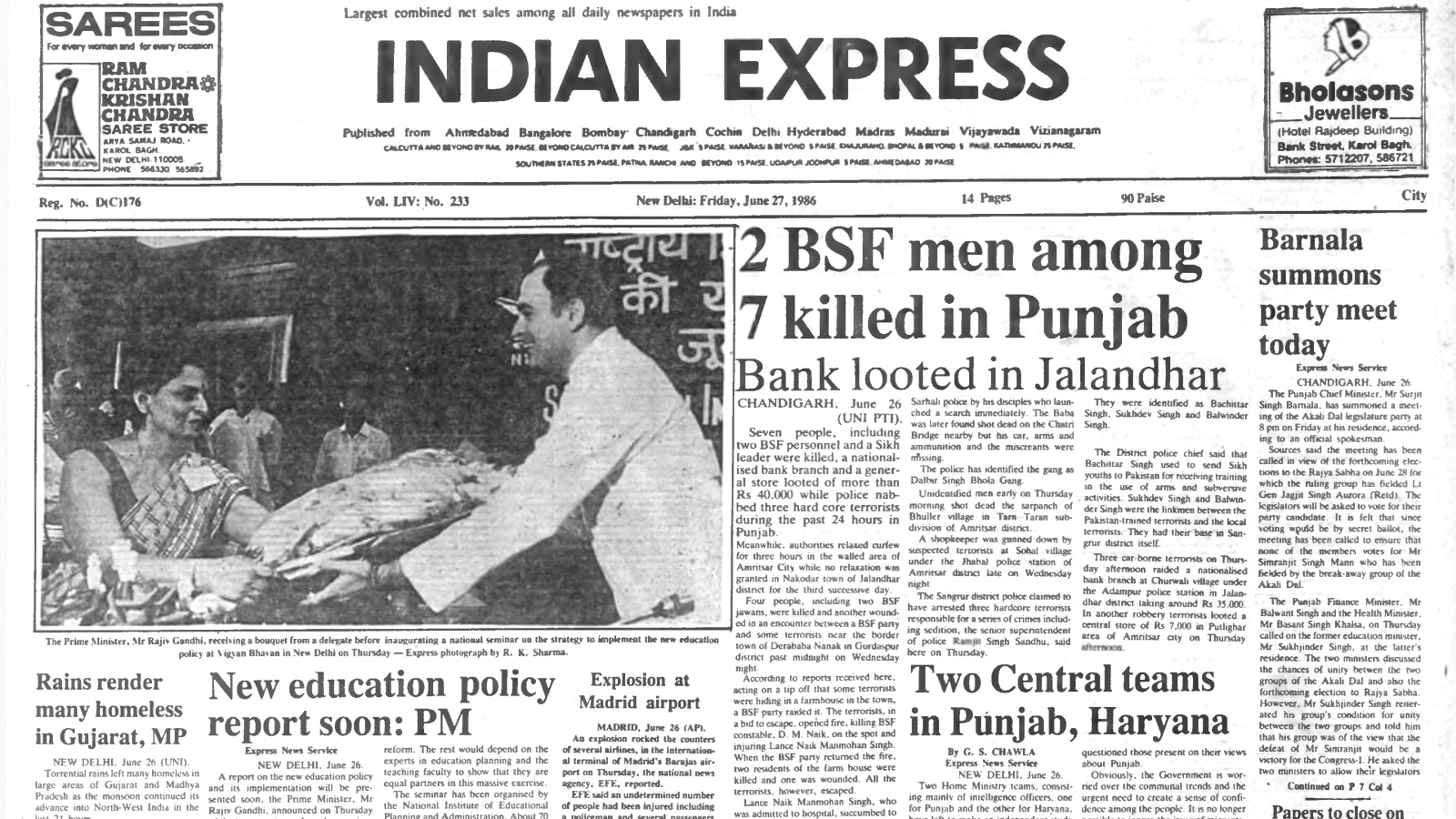
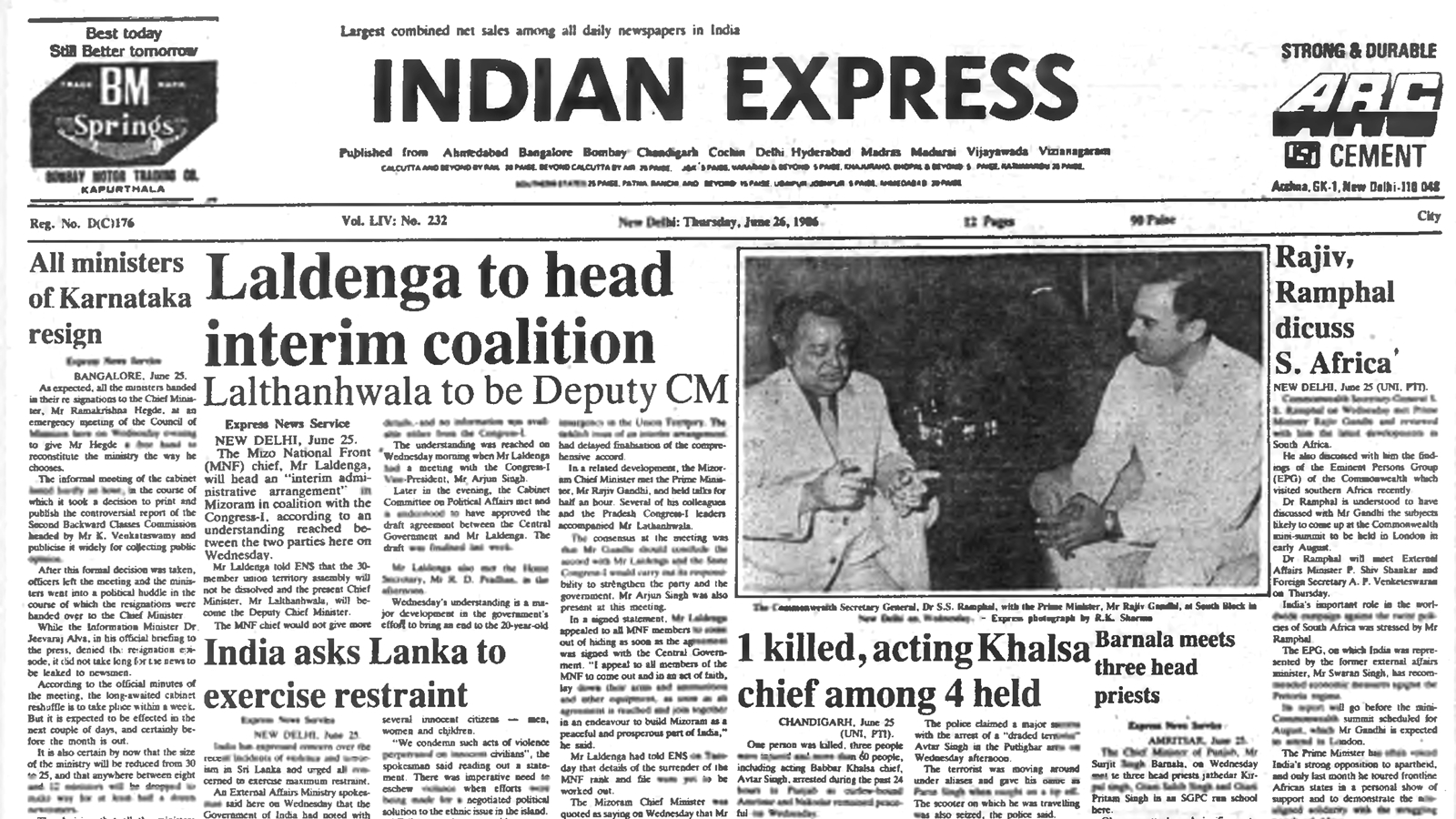
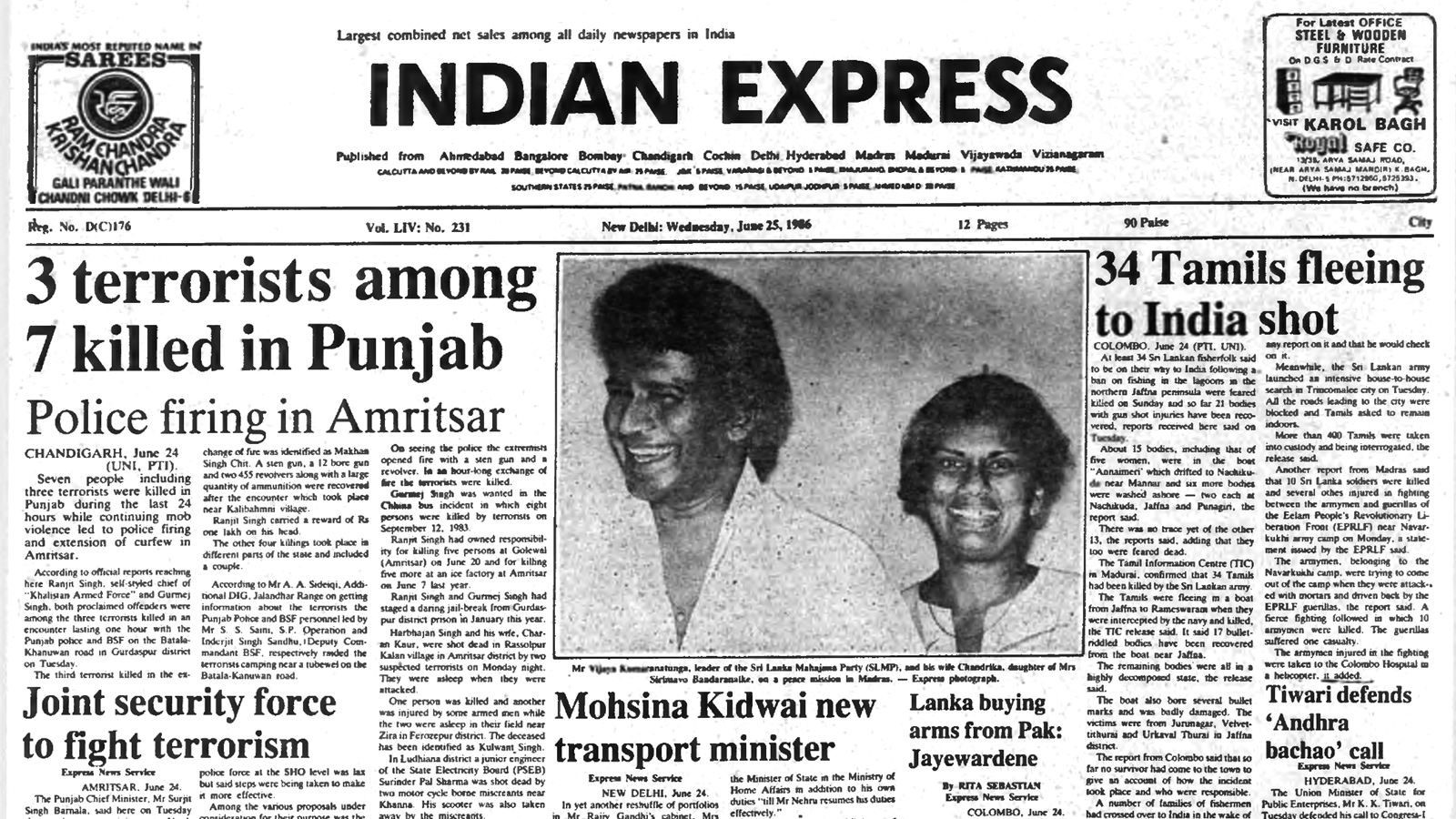
Essentially, democracy is a habit that needs to be cultivated, a wakefulness that needs to be learnt, an education that needs to be passed on to the young. For this, it is important to remember. The Emergency imposed between 1975 and 1977, when democracy was stilled, was but a blip in the life of the nation, but it has left behind some large and resonant lessons that are not, and will not be, outdated. As the textbook notes, “During this period, a majority of fundamental rights were suspended, the press was censored and numerous political leaders and activists were arrested”. The failure of institutions, and systems of checks and balances, to stand up against the hubris of the powerful was sobering, and a cautionary tale. But the electoral defeat of the Indira Gandhi government in 1977 was a reminder of democracy’s undaunted possibilities — it is the only form of government in which the power of the people eventually surpasses that of those who rule over them.
That lesson is as relevant today as it was in that June over five decades ago. For, what was hijacked during the Emergency, a citizen’s freedoms, remain as fragile now as ever — and call for constant and continuing vigil.