

Punjab’s sacrilege Bill is regressive and draconian
It has triggered disquiet in a state that has long prided itself on its secular ethos, despite the intricate interplay of religion and politics in its public life
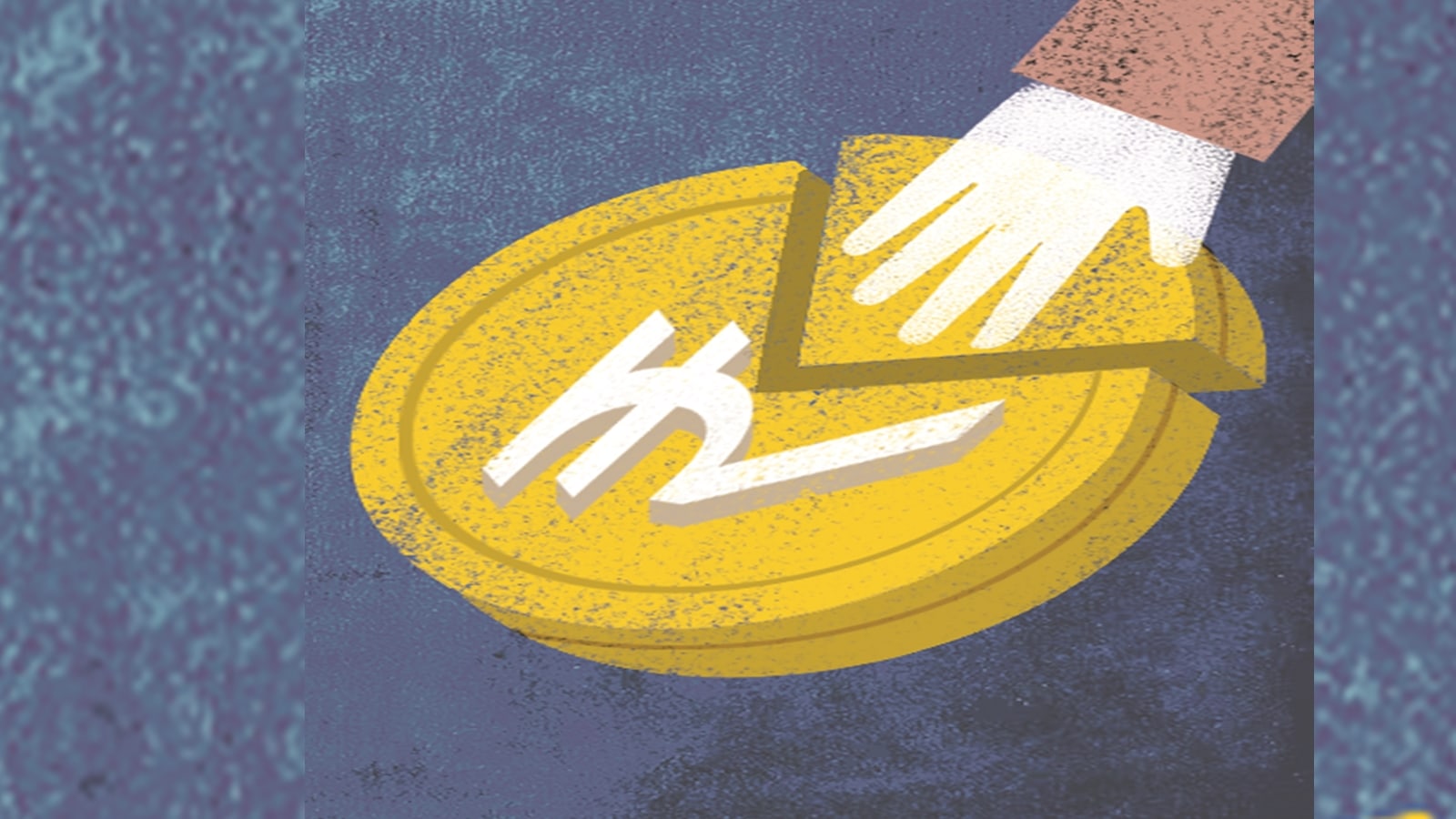
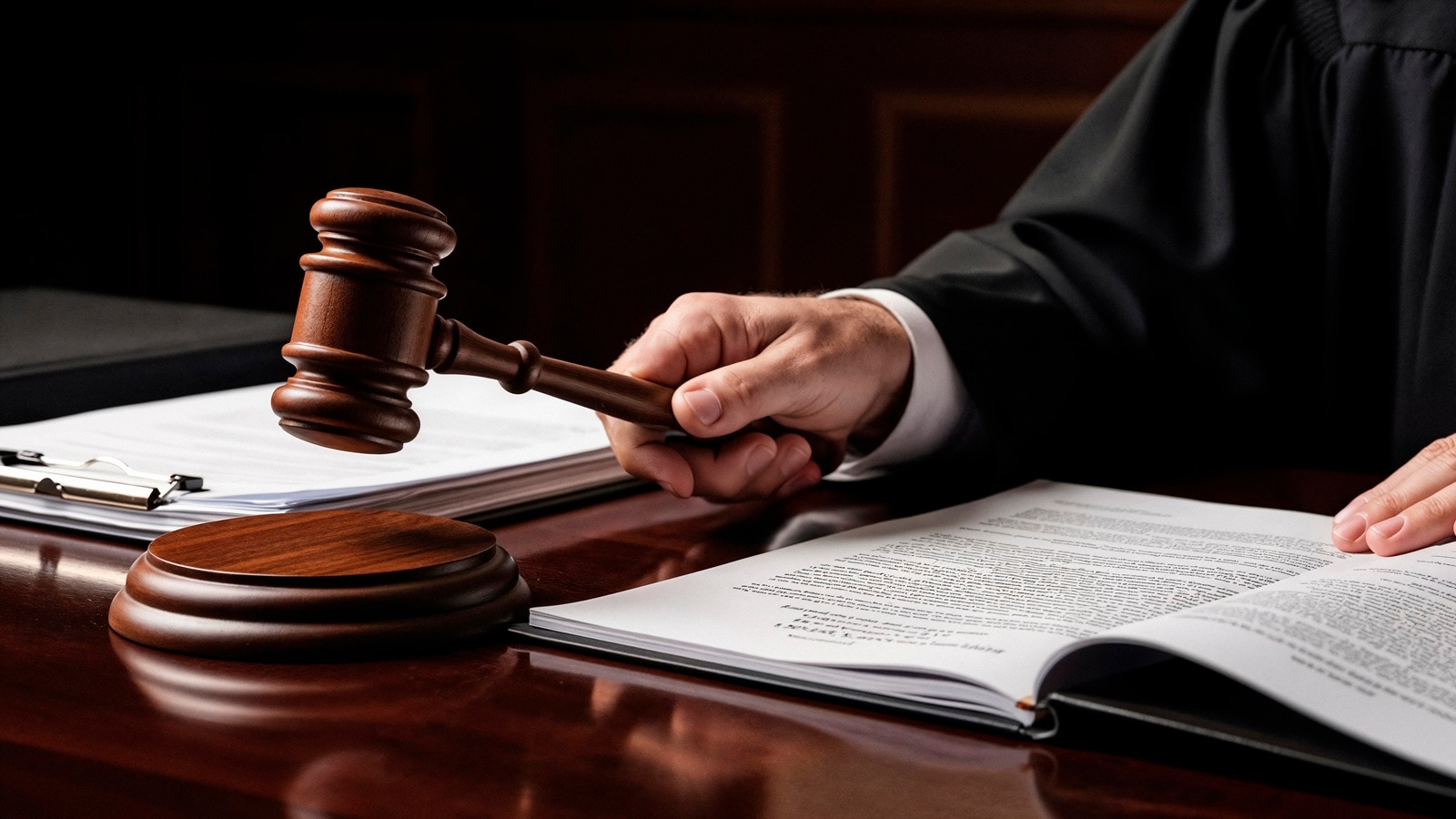
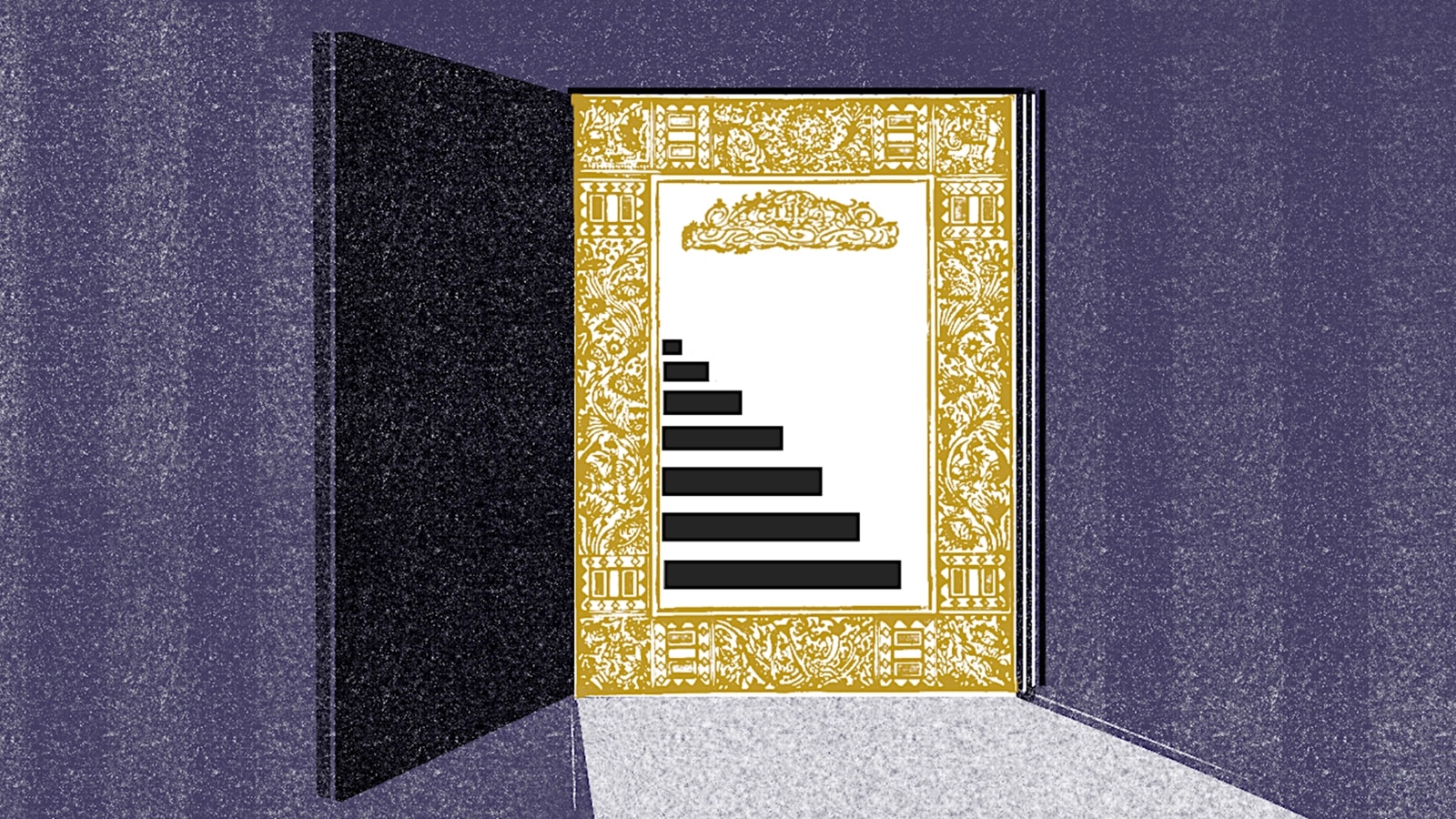
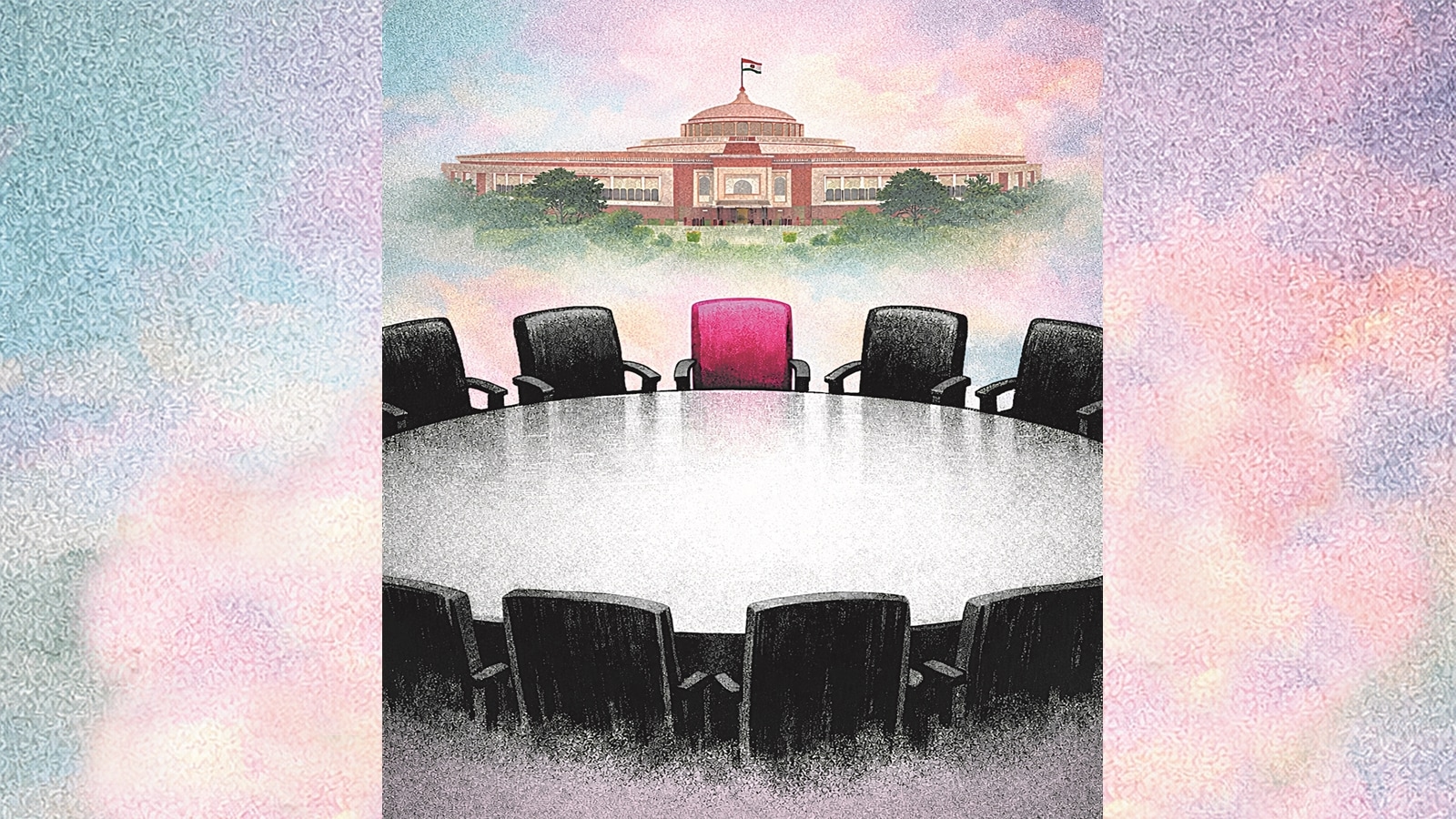
Baisakhi day this year saw the Punjab Assembly table a bill that bears the troubling hallmarks of a regressive and draconian law. The Jagat Jot Sri Guru Granth Sahib Satkar (Amendment) Bill, 2026, passed unanimously in a special session, proposes life imprisonment or, at the very least, a minimum jail term of seven years along with a fine of up to Rs 25 lakh for any person found guilty of desecrating the Guru Granth Sahib. The Bill expands the definition of sacrilege in sweeping and disturbing ways. It moves beyond acts of physical damage such as burning, tearing or theft to encompass spoken, written, symbolic and even electronic expressions that may be construed as hurting religious sentiments. In doing so, it could grant a licence to those who would invoke the fig leaf of “hurt sentiments” to target and silence others. Coming in the run-up to the assembly elections next year , the AAP government appears not merely intent on courting a section of the electorate but also on asserting authority over the Shiromani Gurdwara Parbandhak Committee, which has historically controlled gurdwara affairs, by mandating stricter oversight over the publication of the Sikh holy book.
The Bill, the third of its kind, is the most stringent. The first, tabled in 2016 by the Akali-BJP government, was rejected by the Centre for discriminating against other religions, while the second, brought in during the Congress government in 2018, did not receive the Governor’s assent. Its introduction comes more than a decade after a series of sacrilege incidents rocked the state in 2015. On June 1 that year, the Guru Granth Sahib was stolen from a gurdwara in Burj Jawahar Singh Wala village in Faridkot. Four months later, its torn pages were found in neighbouring Bargari village, along with anonymous posters claiming the act was retribution for alleged disrespect to the head of the Sirsa-based Dera Sacha Sauda. The protests that followed were seen to be the final nail in the coffin of the then Akali government. The case drags on, becoming an issue in elections.
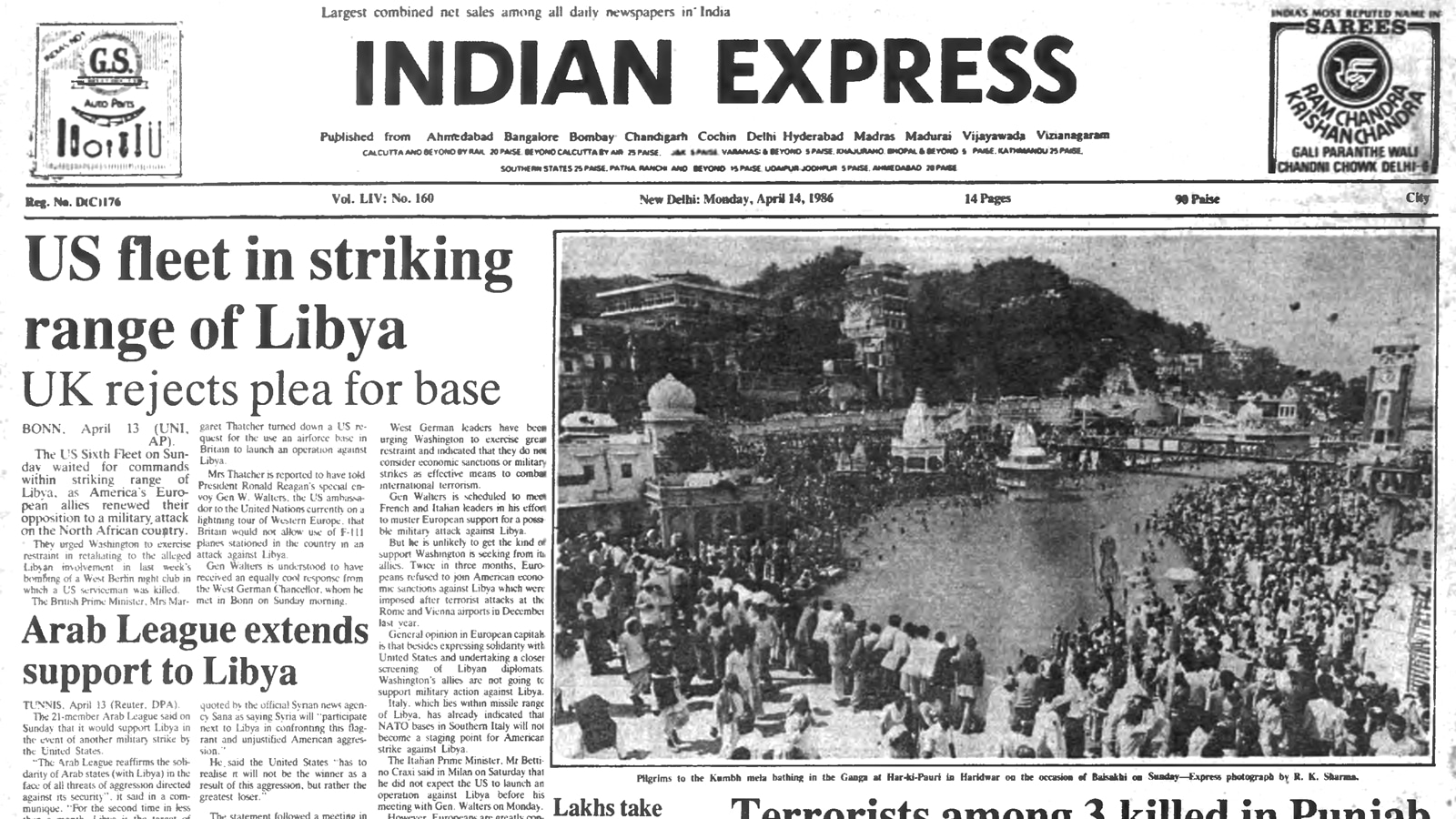
It is unfortunate that the AAP government has chosen to rekindle these embers, even as Punjab grapples with urgent challenges: The menace of gangsters and extortion, the scourge of drugs, a faltering economy, and depleted state coffers. The Bill has triggered disquiet in a state that has long prided itself on its secular ethos, despite the intricate interplay of religion and politics in its public life. There can be no greater irony than that this legislation was tabled on Baisakhi, when Guru Gobind Singh founded the Khalsa by uniting five men from diverse backgrounds across India, transcending the barriers of caste and creed to create a fellowship.