

New measure for heat stress reframes climate challenge
A 35°C wet-bulb temperature is generally considered the theoretical upper limit of human endurance. A new study published in Nature Communications concludes that this safe limit could be much lower
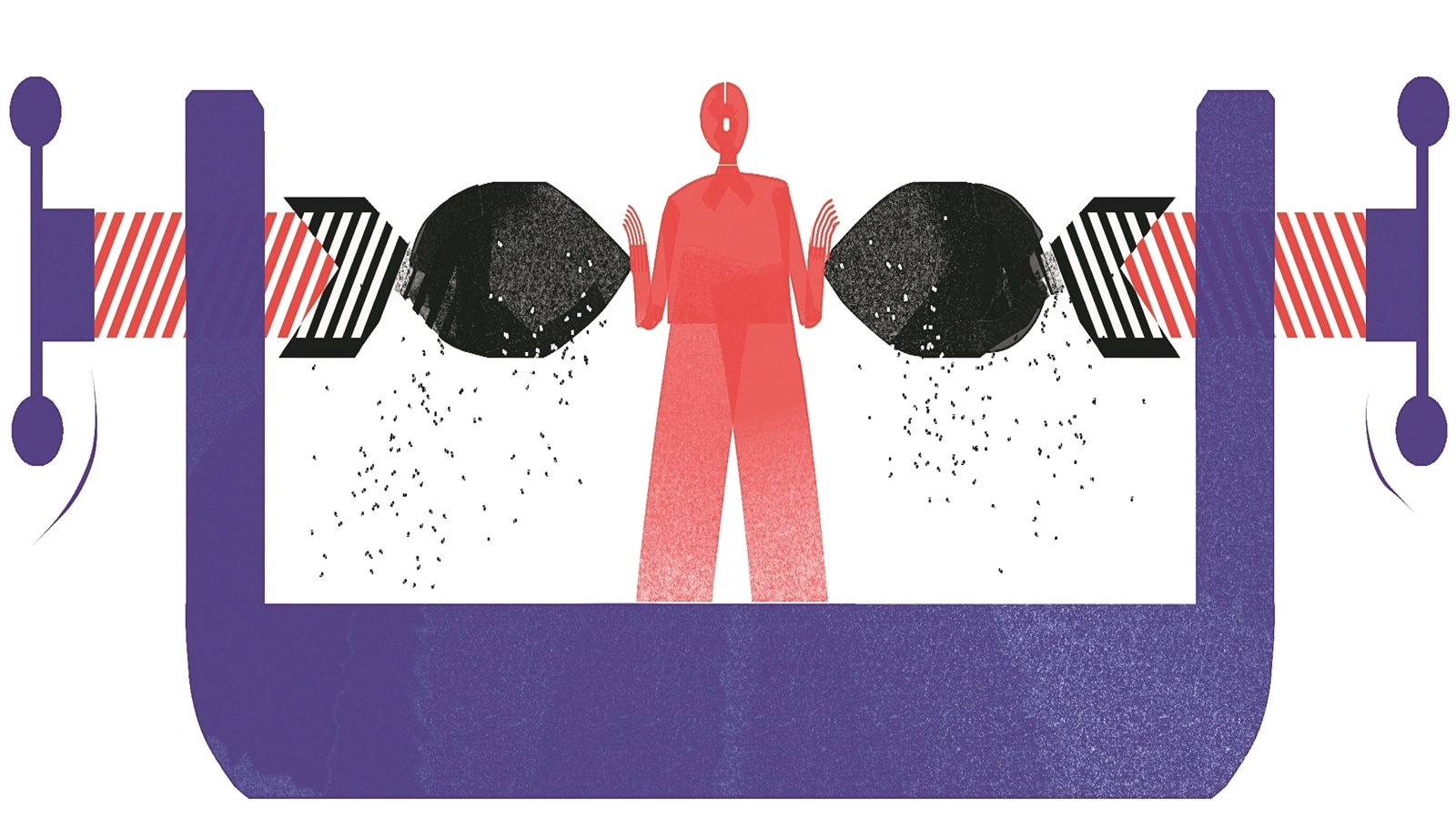
The onset of climate change has fundamentally transformed the understanding of heat stress on humans. People in most parts of the world are not only experiencing warmer weather, but the rise in temperatures is also accompanied by changing moisture patterns. Humans are resilient to high temperatures, provided sweat can evaporate. However, when the air is saturated with moisture, sweat lingers on the skin, and the body’s thermoregulatory system is put under duress. The combined effect of the two variables on human health is not totally unknown to medical science. The wet bulb approach, for instance, attempts to recalibrate temperatures by accounting for heat and humidity. A 35°C wet-bulb temperature is generally considered the theoretical upper limit of human endurance. A new study published in Nature Communications draws on recent episodes of intense heat and humidity to conclude that this safe limit could be much lower. A 31°C wet-bulb temperature can be unforgiving for the elderly and people who work outdoors.
The new understanding reframes India’s climate challenge. Several cities routinely report heat indices that push human tolerance to its limits, even when wet-bulb temperatures remain below 35°C. The tragedy in Navi Mumbai, three years ago, when sun stroke claimed 13 lives even when the temperature, according to the Met department, was about 35°C, underlined the need to redraw the metrics of well-being during summer. However, planning has been slow to factor in the new imperatives. Concrete-dense neighbourhoods, sparse tree cover, and inadequate ventilation create “urban heat islands” where temperatures can be several degrees higher than surrounding rural areas. In such environments, nighttime offers little space to recover from the heat stress of the day. Heat thresholds are also shaped by social conditions. For construction workers, farm labourers, street vendors, and those who work in the gig economy, heat and humidity are occupational hazards.
In recent years, Indian cities have tried to draw up heat action plans. However, these plans are often based on dry-heat thresholds, and not the more dangerous combination of heat and humidity. Most of them are also not attuned to local idiosyncrasies. Protecting people from heat, humidity and rainfall requires granular knowledge. Dealing with a new form of heat will require joining several dots. India’s cities do not have time to lose.