

Make it clear: Indian sailors are not collateral damage
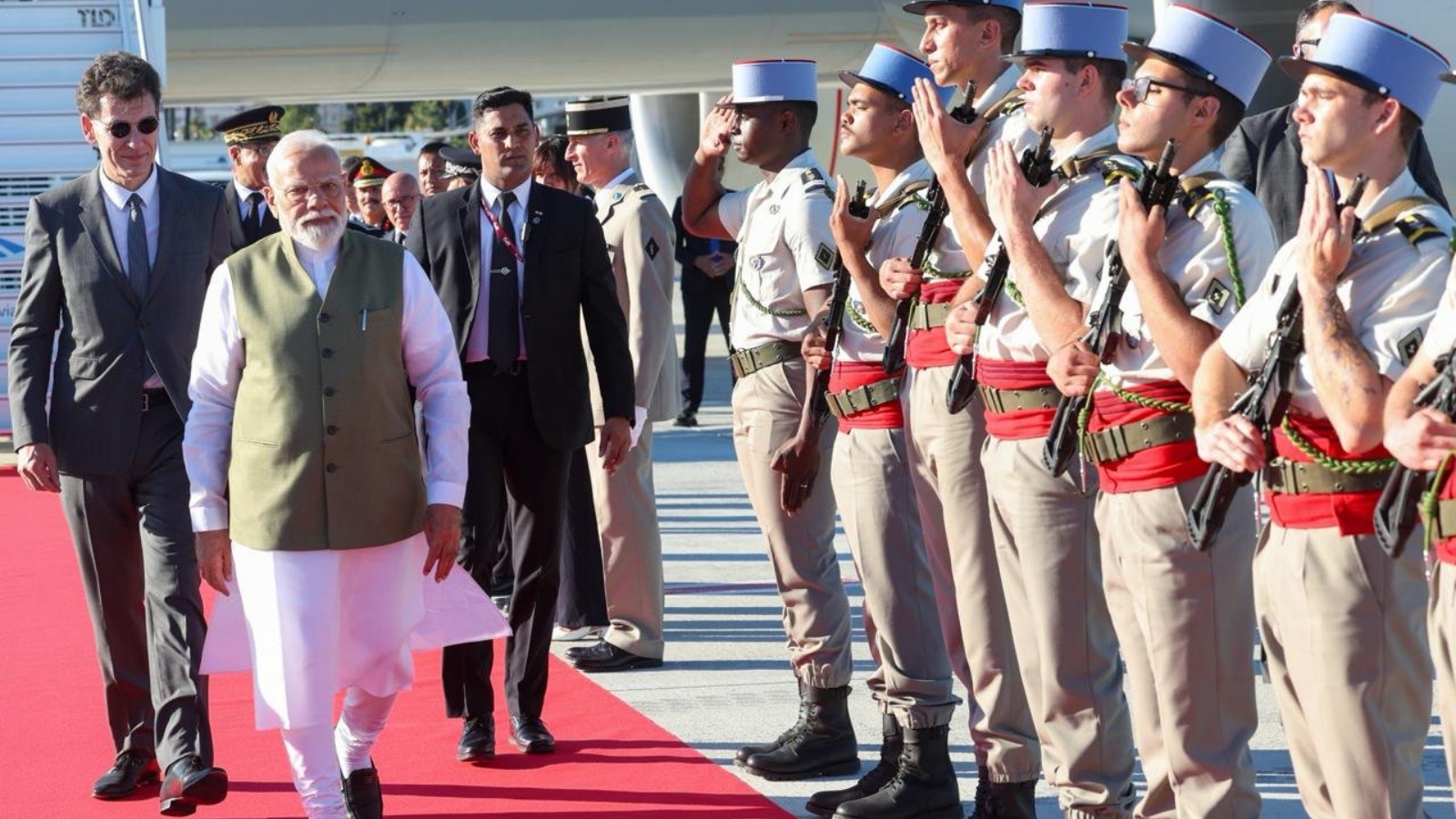
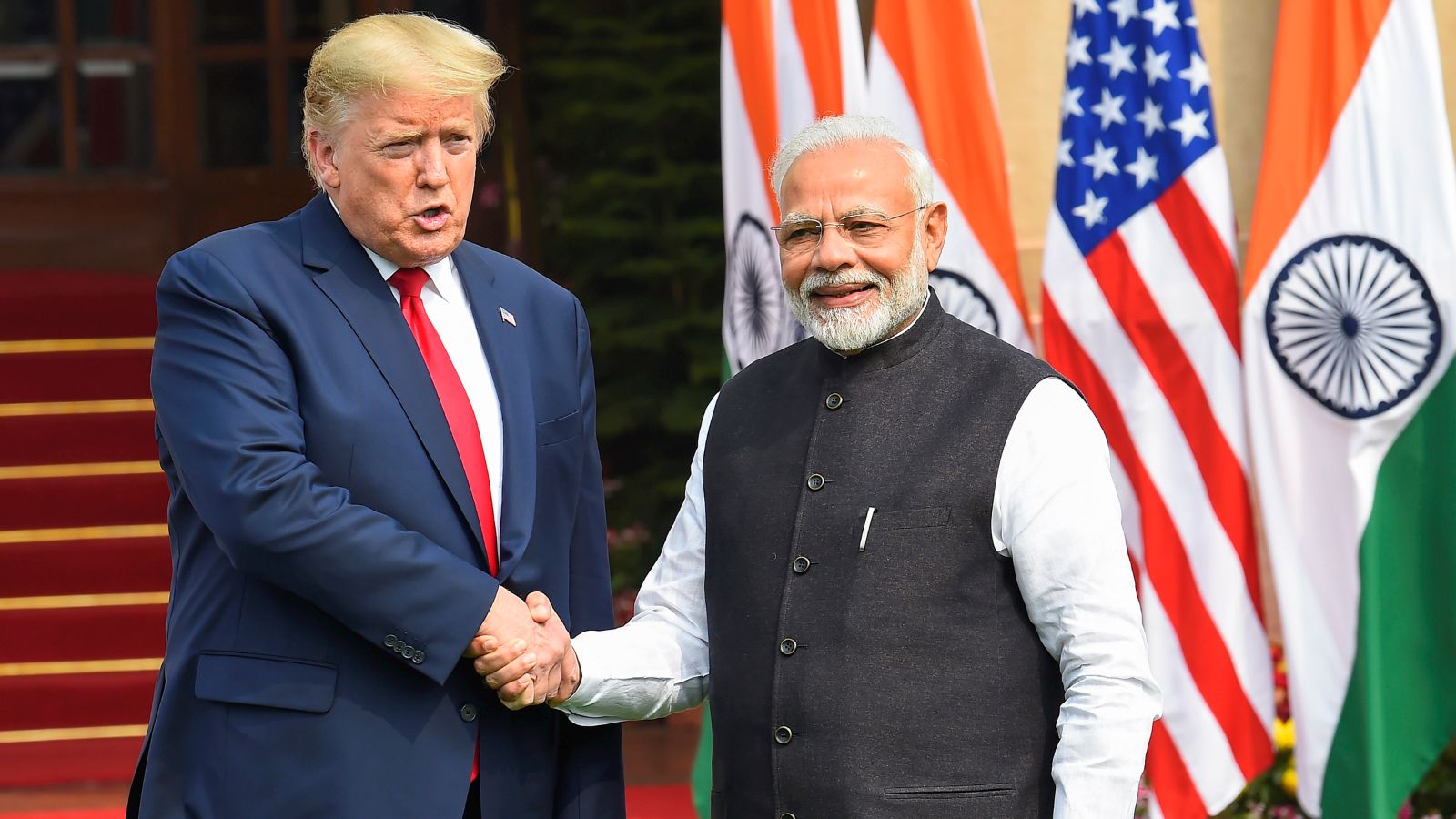
New Delhi, even as it rolled out the red carpet for Secretary Rubio last month, should keep reminding him of its red lines as well, especially when it comes to the life — and death — of Indian citizens.
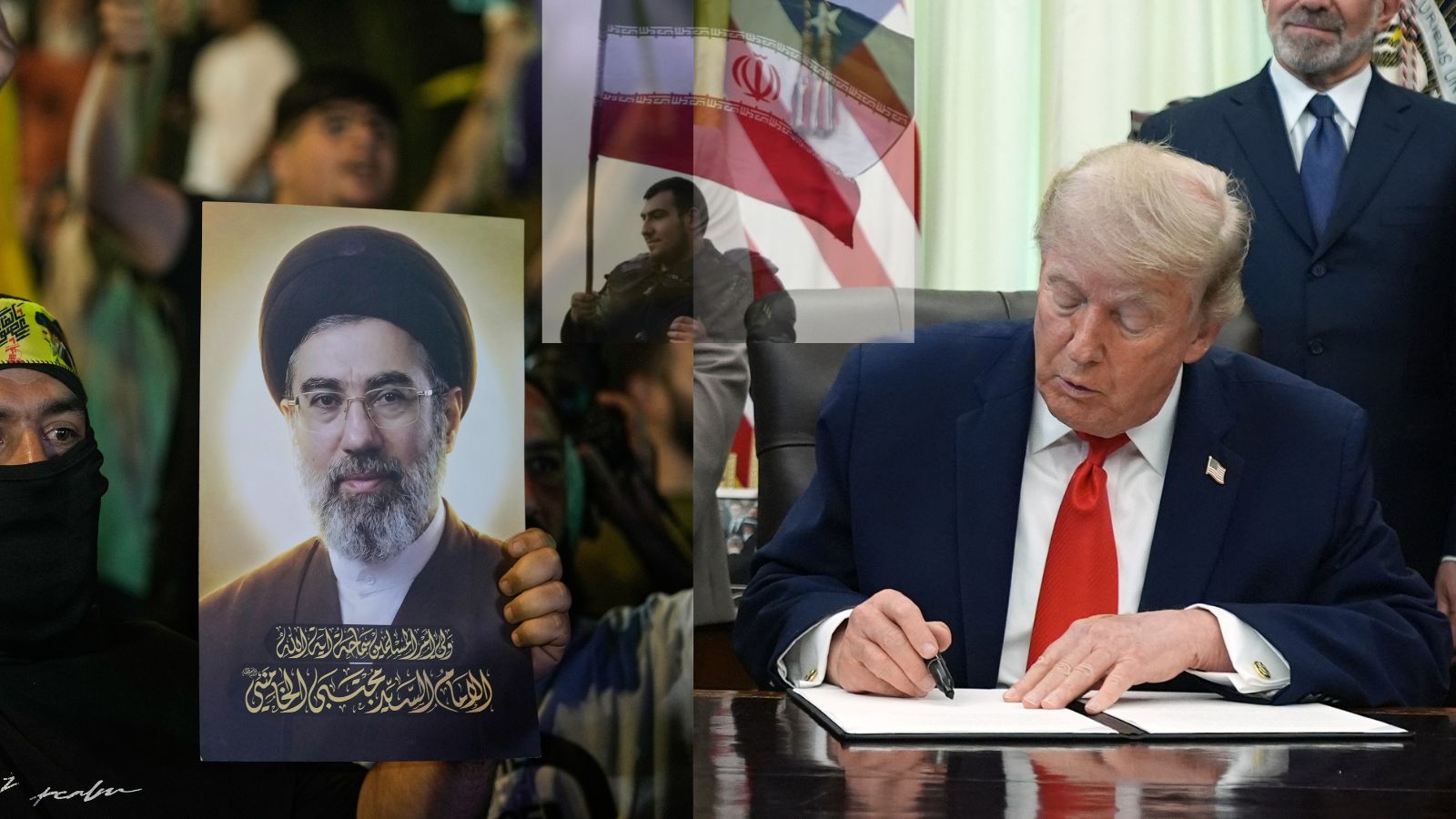
The killing of three Indian sailors in a US strike on the oil tanker MT Settebello in the Gulf of Oman is a tragic incident that adds a further complication to a bilateral relationship going through an uneasy phase. India has, rightly, voiced its objections strongly, summoning the US chargé d’affaires in New Delhi twice to protest this and other attacks that have endangered the lives of Indian mariners. External Affairs Minister S Jaishankar said that, in a call with US Secretary of State Marco Rubio, he had “reiterated India’s strong protest”. That the US State Department’s account of the call fails to mention the deaths, and claims that “all commercial vessels should immediately comply with orders from US forces”, flies in the face of international conventions and betrays a callous lack of acknowledgement of the incident’s gravity. President Donald Trump’s intervention — blaming Iran for alleged drone strikes against “Indian” ships, which Tehran has denied — is hardly helpful.
This, together with the Trump Administration’s bid to impose higher tariffs on India via US Trade Representative investigations, hurts attempts — such as the reassurances offered by Rubio during his recent visit and the efforts of Ambassador Sergio Gor — to set the ties back on course. The episode underlines the vulnerability of Indian seafarers — who number around 3.08 lakh, about 12 per cent of the global pool — in the West Asia conflict. Attacks on neutral merchant shipping in war have been a contentious aspect of international law, and the era of open registries, flags of convenience and a globalised workforce has only worsened the ambiguities; a ship may be flagged in Palau, run by a Dubai-based operator and crewed by Indians, as in the present case. The US has sought to justify its strike on the Settebello by alleging that the vessel violated its blockade of Iranian ports and the crew ignored warnings, which can be grounds for attack under the established law. The ship’s operator, IOS Marine FZE, has denied the charge.
With lakhs of its citizens potentially in danger, India has critical stakes in ensuring that such attacks do not recur, that mariners have better protections, and that the blockade is lifted. The US must ensure that civilian seafarers do not continue to become collateral damage. Both Trump and the Iranians have signalled that a peace deal may be in the offing. If it happens, the opening of the Strait of Hormuz will be a relief to the whole world, especially to those risking their lives on the high seas. Meanwhile, New Delhi, even as it rolled out the red carpet for Secretary Rubio last month, should keep reminding him of its red lines as well, especially when it comes to the life — and death — of Indian citizens.