

Malegaon terror cases: System that keeps failing
The conversation around the Malegaon cases was tainted by politics, religion, and the politics of religion from the very beginning. There is no excuse for the lapses from what are meant to be apolitical instruments of the law
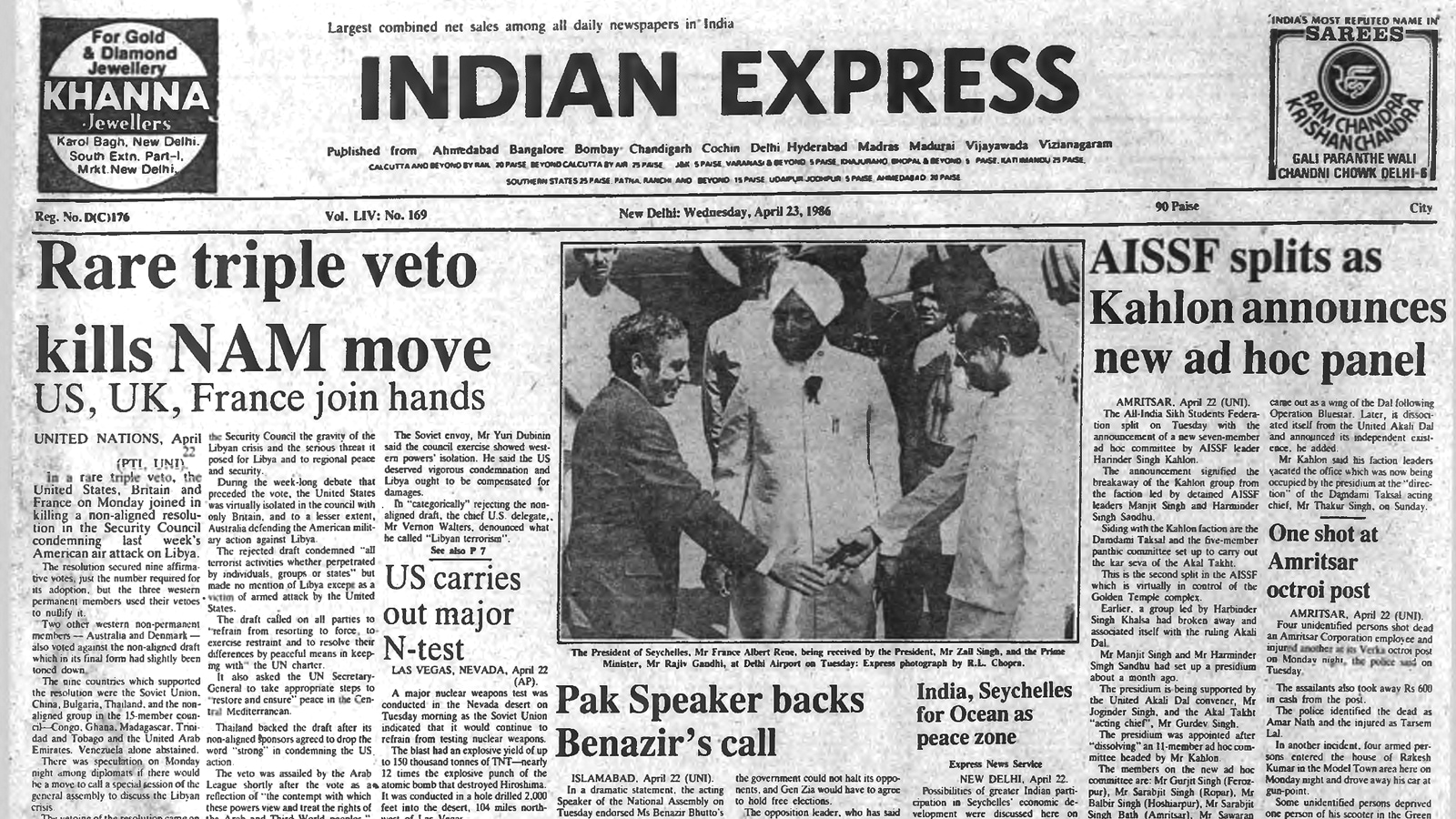
The discharge of the last four accused in the 2006 Malegaon blasts case by the Bombay High Court is a scathing indictment of a broken process. Nearly two decades after four blasts killed 31 people and injured over 300, it is clear that investigative agencies, state and central, — the Maharashtra Anti-Terrorism Squad (ATS), CBI and NIA — have failed to deliver justice or to provide even a modicum of closure to the families of the victims. Manohar Narwaria, Rajendra Chaudhary, Dhan Singh and Lokesh Sharma are not the only accused to be let off in a case in which members of Hindu extremist groups were under the investigative scanner. Last year, former BJP MP Pragya Singh Thakur and Lt Col (now Brigadier) Prasad Purohit were among the seven acquitted by an NIA court in the 2008 Malegaon blast case. That was the result of an absence of credible, admissible evidence. In the background of the investigative and prosecutory failures is something more disturbing: That the political will to back the prosecution of a terrorism case appears to depend on who is in power, and the identity of the victims and alleged perpetrators.
The Malegaon blasts cases were a test for whether the system can deliver when political pressure mounts. The ATS had initially accused nine Muslim men, two of whom were also linked to the Mumbai train bombings of 2006 — the accused in the latter were also acquitted. The investigative lapses ranged from lack of evidence and coerced confessions to torture. The case was later transferred to the CBI, which maintained that it did not have the wrong men. In 2013, the NIA chargesheeted a different set of people, including the four accused discharged this week. In the 2008 Malegaon case, the initial probe was led by ATS Chief Hemant Karkare, who was killed during the Mumbai terror attacks. The ATS chargesheet was filed after an investigation that included wire taps, witness statements and videos of the conspiracy. Yet, this was ruled inadmissible because the agency did not fulfil the legal requirement to have electronic evidence verified.
In case after case involving terrorist acts — two in Malegaon, the Mumbai train blasts, the 2002 Akshardham attack — the prosecution has failed to prove its burden. This is despite the advantage of stringent anti-terror laws, and the resources of the government. The conversation around the Malegaon cases was tainted by politics, religion and the politics of religion from the very beginning. There is no excuse for the lapses from what are meant to be apolitical instruments of the law. The agencies involved in investigating and prosecuting terror, whose failures have been decades in the making, must introspect — and be held accountable. A strong appeal against the discharge is the first step.