

Demolition of Mohammad Ali Jauhar University: On campus, questions about vendetta politics
Caught between under-regulation and over-enforcement, and between two governments, the students stand to lose the most
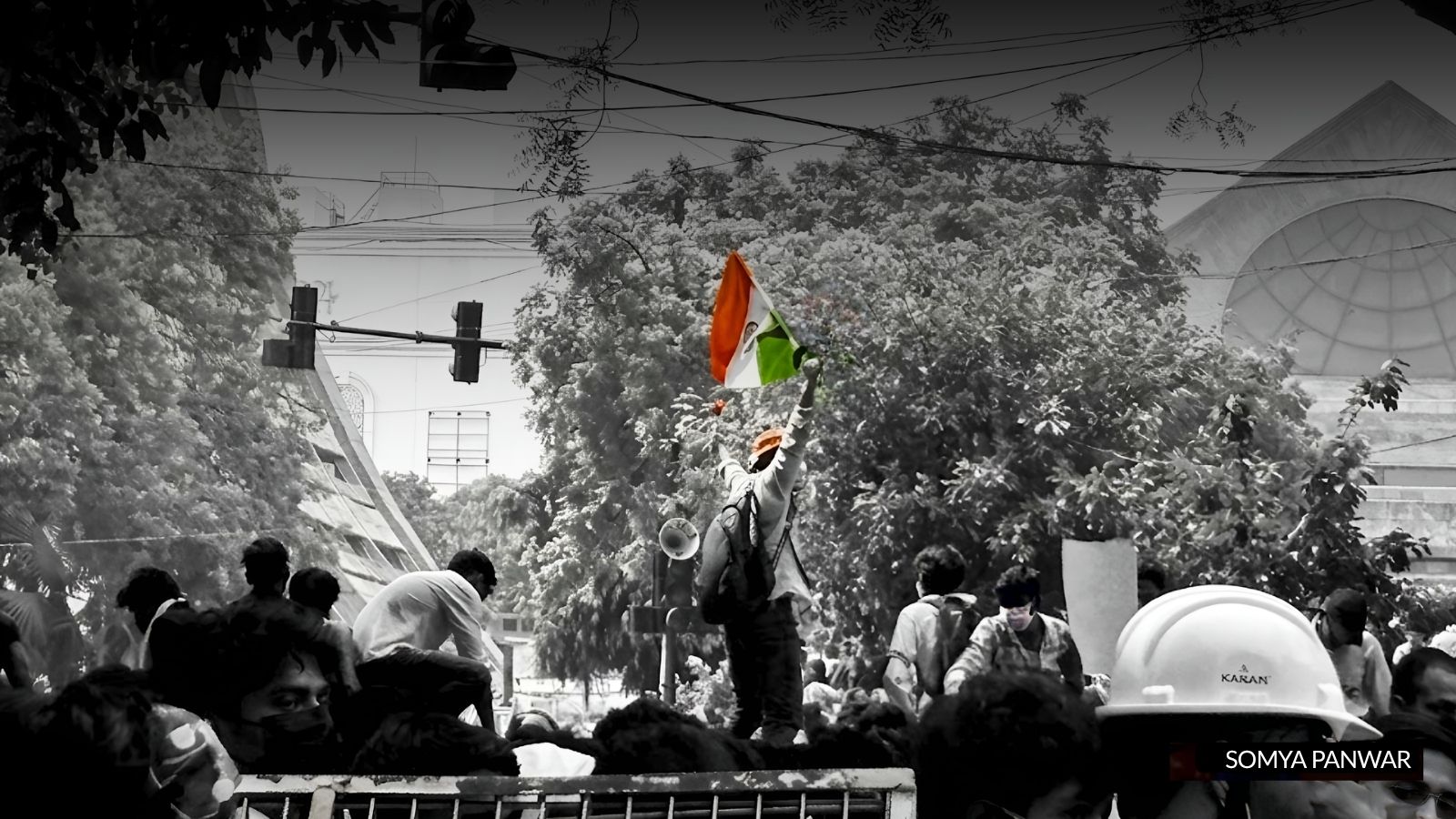
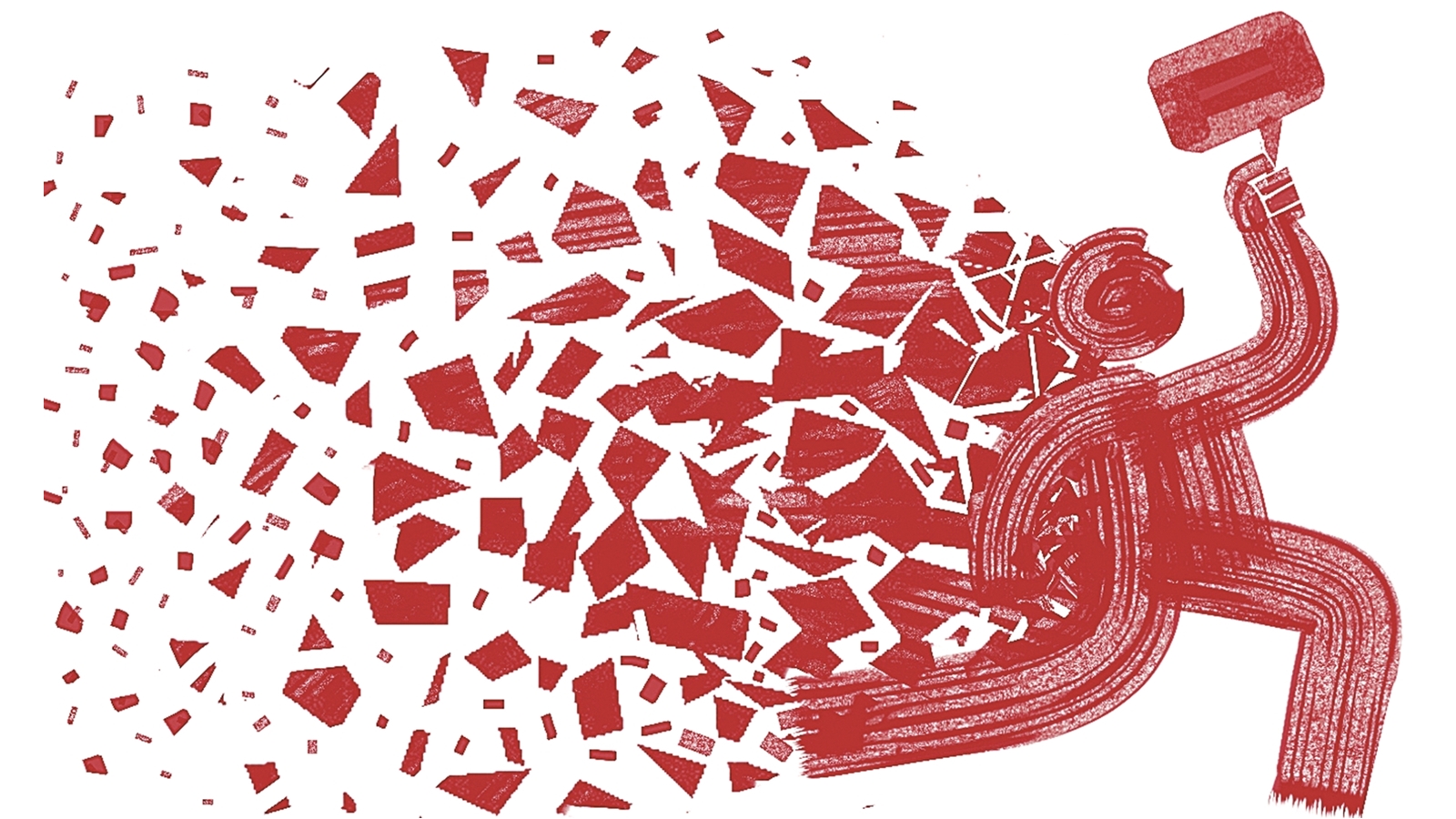
The order to demolish 38 out of 40 buildings of Mohammad Ali Jauhar University in Rampur, Uttar Pradesh has raised serious questions. The chairman of the trust that runs the college is jailed Samajwadi Party leader Azam Khan. The university has been put in the dock by the district municipal authority, the income tax department and the fire department for alleged irregularities and violations in land acquisition, construction and permissions. The students protested the proposed demolition and were joined by the opposition parties, which have alleged that the BJP government is targeting the university as part of a vendetta politics. A stay order on the demolition by the Moradabad divisional commissioner on Monday provides a welcome pause. It is also a moment to look at the deeper malaise, of which this episode is a symptom.
India’s education sector suffers from both a quality and quantity deficit. Less than 14 per cent of institutions possess NAAC accreditation, and curricula remain outdated for an ever-changing job market. Shortage of faculty — about 29 per cent in central universities and 40 per cent in state public universities — and low research output continue to plague public universities. On the other hand, the demand for education continues to grow. The state alone cannot bridge the gap. However, regulatory barriers for the entry of private players are such that political patronage and connections are often a sine qua non for establishing a university. From land acquisition to municipal permits, a maze of red tape stands in the way of letting competition flourish in the sector. This has also left many young people at the mercy of fly-by-night degree mills.
When it was set up, Khan was a powerful figure in UP. Over the last decade, his political fortunes have waned. The question for the UP administration is this: Does it abide by the rules, or merely serve the party in power? If Jauhar University has flouted the rules, it should not have been set up in the first place. Caught between under-regulation and over-enforcement, and between two governments, the students stand to lose the most.