

Impunity for exam leaks undermines trust
In a young country, competitive tests are among the most visible interfaces between citizens and the state. It's high time the government learned its lessons
In the past two decades, India’s examination ecosystem has been repeatedly hit by paper leaks, cheating rackets and administrative breakdowns. School-leaving examinations, admission tests to engineering and medical institutions, and recruitment exams for teachers, police constables, railway staff and government officials have become embroiled in controversies. Revelations of malpractice often lead to the cancellation or postponement of examinations, adversely affecting candidates’ careers. The first step towards restoring the sanctity of admission and recruitment procedures should be to identify the chinks in the system and nab the people who exploit them by running cheating operations. However, an investigation by this newspaper shows that the government and the criminal justice system have been extremely tardy in fixing accountability. The figures reveal a shocking state of laxity: The accused were convicted in only two of 45 paper-leak cases between 2002 and 2025. Of the 1,658 arrested, only 925 — about 55 per cent — were charge-sheeted. Such impunity raises troubling questions about the state’s commitment to restoring the integrity of the examinations that shape the future of millions.
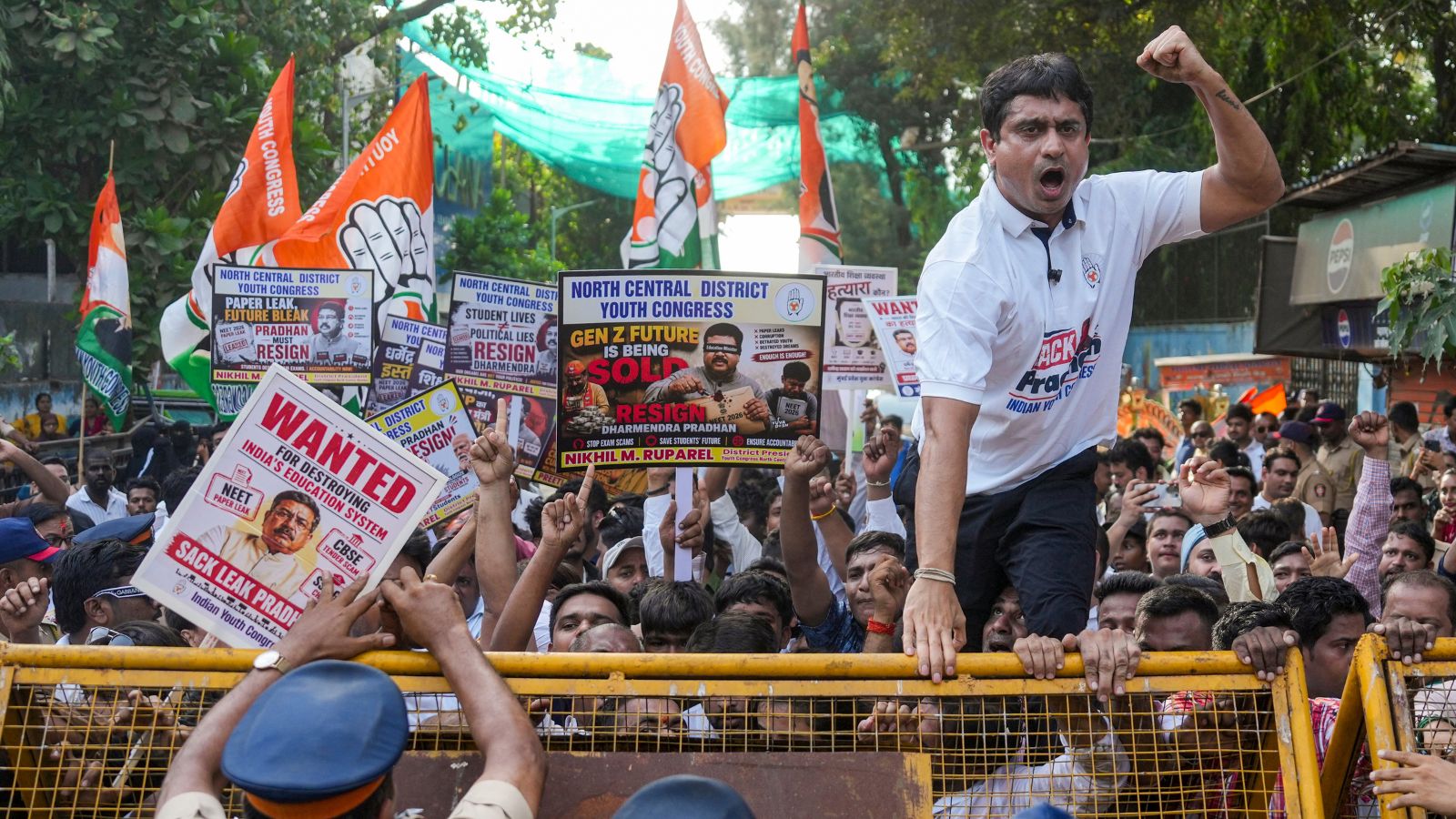
For a rapidly growing aspirational class, competitive examinations are a gateway to higher education, employment, social mobility and financial security. As the paper’s investigation shows, more than 3.86 crore people had enrolled for the examinations that were cancelled in the past 23 years. Such high-stakes exercises require law-enforcement agencies to be especially vigilant against the paper mafia. However, as early investigations into the failure of this year’s NEET examinations indicate, these agencies do not seem to be adequately prepared to mitigate the vulnerabilities created by the outsourcing of logistical functions, the proliferation of private testing agencies and the emergence of sophisticated coaching networks. Investigators have alleged the involvement of individuals connected to translation and paper preparation functions. Pursuing investigations to their logical conclusion could provide clues about the workings of illicit networks, aid in devising a robust deterrence mechanism and help identify systemic weaknesses.
In a young country, competitive tests embody the promise that educational and career advancement are determined by merit rather than by privilege or corruption. Repeated exam fiascos and negligible conviction rates weaken trust in the country’s institutions. It’s high time the government learned its lessons.