

On winter air, Delhi does the right thing
Cleaning up Delhi's air will require creating a governance framework that rewards sustained reductions in emissions
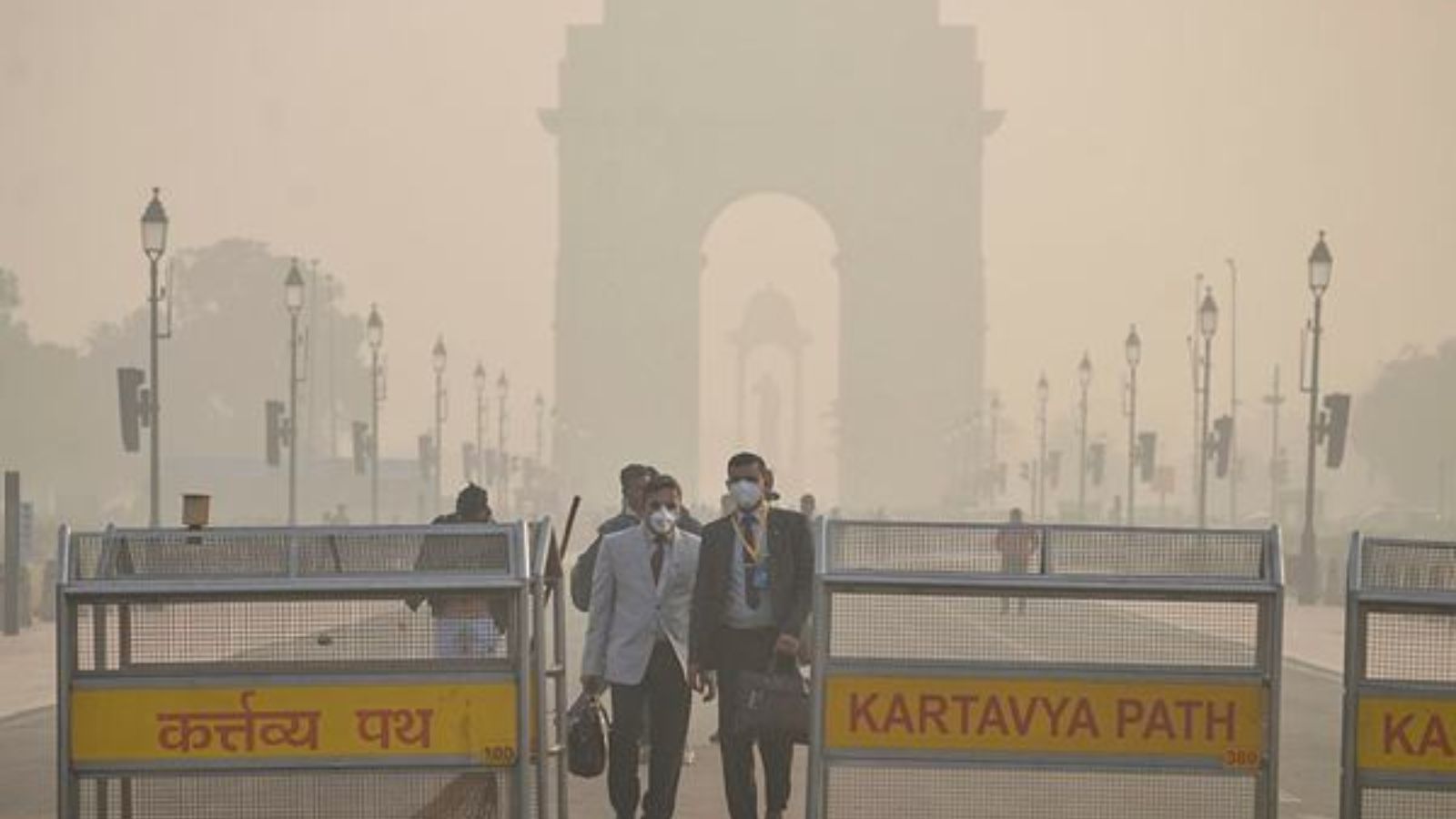
The Delhi government has done the right thing in framing a pollution control strategy at least five months before the city’s air quality assumes crisis proportions. It comprises most elements of the Graded Response Action Plan (GRAP) that have so far guided the NCR’s approach to containing winter smog. But unlike in the past, when administrators would wait for the Air Quality Index (AQI) red alerts to impose restrictions, curbs on vehicles and construction activities will come into force from November 1 and continue for the next three to four months. Delhi government and private offices will operate with 50 per cent in-person staff attendance. This proactive approach would allow workplaces and business establishments to redesign work-flows, stagger employee attendance, invest in digital infrastructure and make transport arrangements before the pollution season begins. The plan addresses criticism that Delhi’s pollution control authorities spring into action only after the foul air precipitates a public health emergency.
That said, bans and restrictions should not be part of a long-term pollution control strategy. Cleaning up Delhi’s air will require creating a governance framework that rewards sustained reductions in emissions. Measures to implement the remote working directive, for instance, will need to be framed in a language of people’s well-being and public health, not coercion. Policymakers will also be well advised not to treat Work From Home as a substitute for clean commuting. Delhi’s recently-framed EV policy is a notable step in this direction. At the same time, reducing congestion on the capital’s roads calls for sustained investment in reliable and interconnected public transport. The Delhi government has increased its fleet of electric buses, and the Metro has improved urban mobility to a great extent, but last-mile connectivity remains weak across many neighbourhoods.
The winter plan should, therefore, be part of a multi-pronged pollution control strategy. In recent years, experts have underlined that the national capital is part of a larger airshed with a chronic pollution problem. Delhi’s air quality is influenced not just by activities in the city and its neighbourhood, but the toxic smog that engulfs the city in winters is also fed by biomass burning and industrial and transport sector emissions in an area stretching from Punjab in the north to Bengal in the east. In fact, most Indian cities fail to meet the national ambient air quality standards. The capital’s decarbonisation plan should, therefore, be part of a larger project to ensure that people across the country breathe clean air. The Delhi government has taken the first step. Other states, too, need to get their act together — the Centre needs to guide and handhold them.