

To break COP deadlock, bring back climate justice
By aligning development with decarbonisation, India can strengthen the global competitiveness of its industry and improve its energy security. It can also emerge as a more influential voice in shaping a climate framework that is both fair and ambitious.
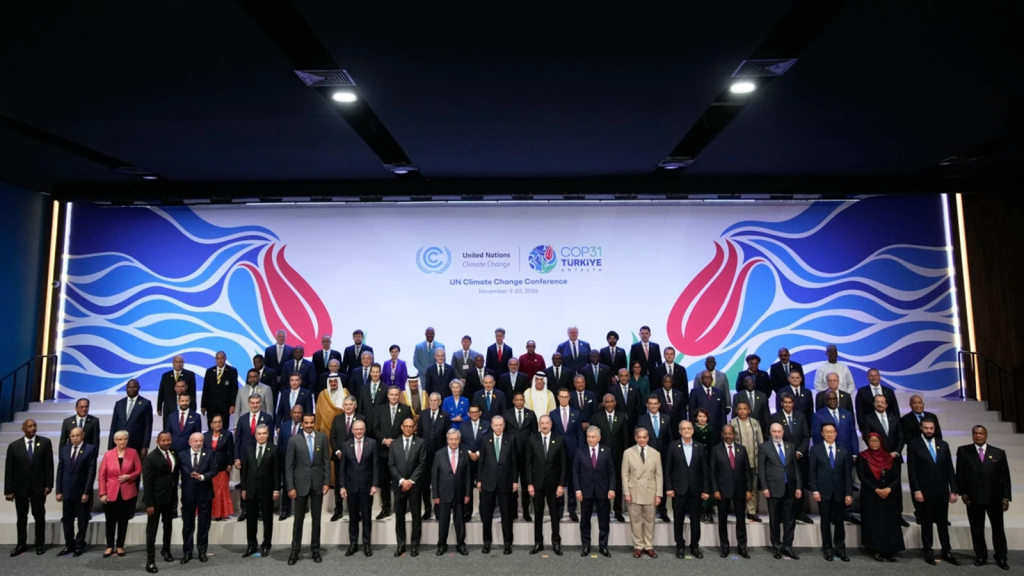
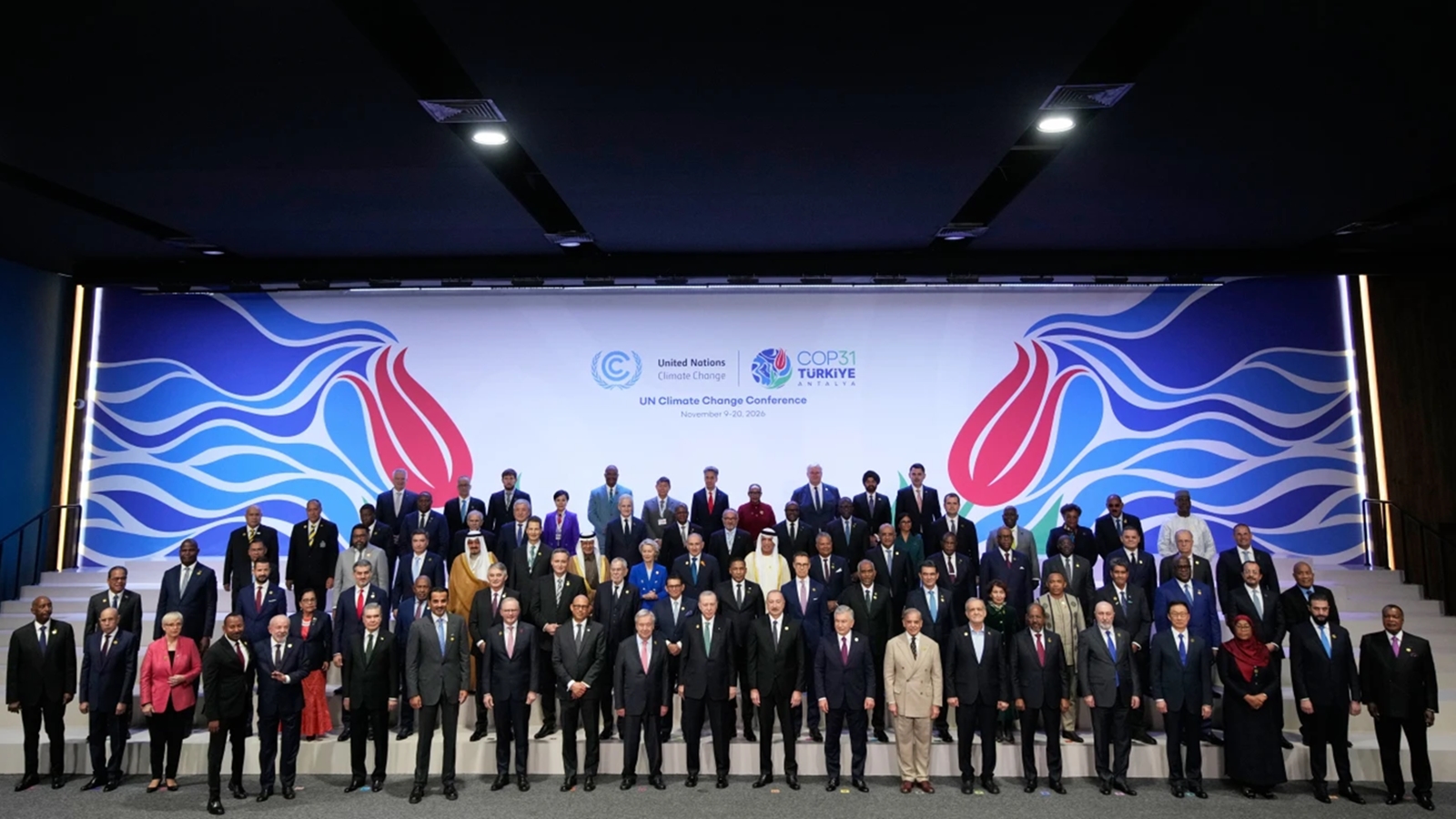
Billed as the “Implementation COP”, the 31st Conference of the Parties to the UN Framework Convention on Climate Change (UNFCCC) in Antalya, Turkey, was expected to set a pathway for turning climate commitments into action. Instead, the longest-ever COP ended in a deadlock on Sunday, after negotiations stretched for more than 40 hours beyond the November 20 deadline. The impasse was largely the result of the intransigence of two influential negotiating blocs. Saudi Arabia and other oil-producing countries blocked an explicit commitment to move away from fossil fuels. This was unacceptable to the EU, which, however, was less forthcoming on the other side of the climate bargain — predictable and adequate financial support for developing countries. The removal of a $120 billion annual adaptation finance target from the summit’s final negotiated draft was the latest in a long line of equivocations by developed countries over climate funds. Their reluctance to accept stronger commitments on loss and damage, too, could widen the North-South rift in climate negotiations.
Antalya is not the first COP to end in a stalemate. The UNFCCC process recovered after climate negotiations broke down at COP6 in The Hague in 2000 and again after 2009, when COP15 in Copenhagen failed to produce a globally binding treaty to succeed the Kyoto Protocol. But rebuilding trust after 2009 was a slow process, culminating in the Paris Agreement of 2015. Today, the world does not have the luxury of incrementalism. Extreme weather is making the costs of inaction increasingly evident, while the Paris Agreement’s goal of limiting global warming to 1.5 degrees Celsius above pre-industrial levels is now virtually unattainable. At COP 32 in Addis Ababa, Ethiopia, next year, the challenge will be to translate climate commitments into tangible action without diluting the UNFCCC’s founding principles.
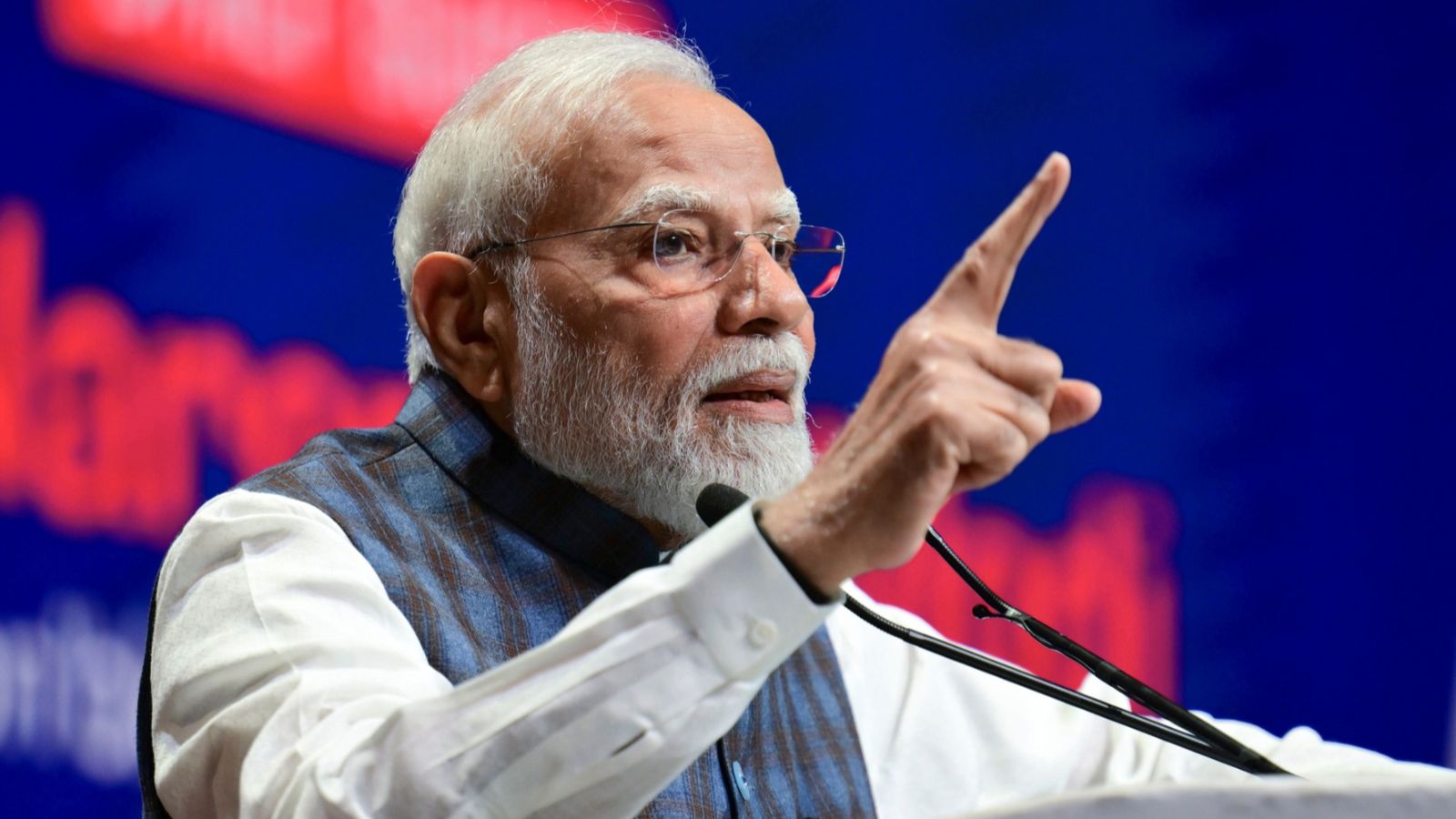
This is where India’s role assumes significance. At Antalya, Delhi insisted that developed countries honour their commitments. At the same time, it expressed its readiness to engage with all parties and work towards an outcome that balances climate ambition with the developmental needs of nations. In doing so, India’s climate diplomacy drew an important distinction between its position and the obstructionism of the petrostates. Hydrocarbons will remain part of India’s energy mix for some time. But Delhi has met its Paris Agreement clean energy target well ahead of schedule. Building on these achievements is in India’s interest. By aligning development with decarbonisation, India can strengthen the global competitiveness of its industry and improve its energy security. It can also emerge as a more influential voice in shaping a climate framework that is both fair and ambitious.