

In blacklisting NCERT experts, SC does itself a disservice
A prickly and thin-skinned response goes against the court’s formidable reputation of expansiveness and open-mindedness, built up by bench after bench
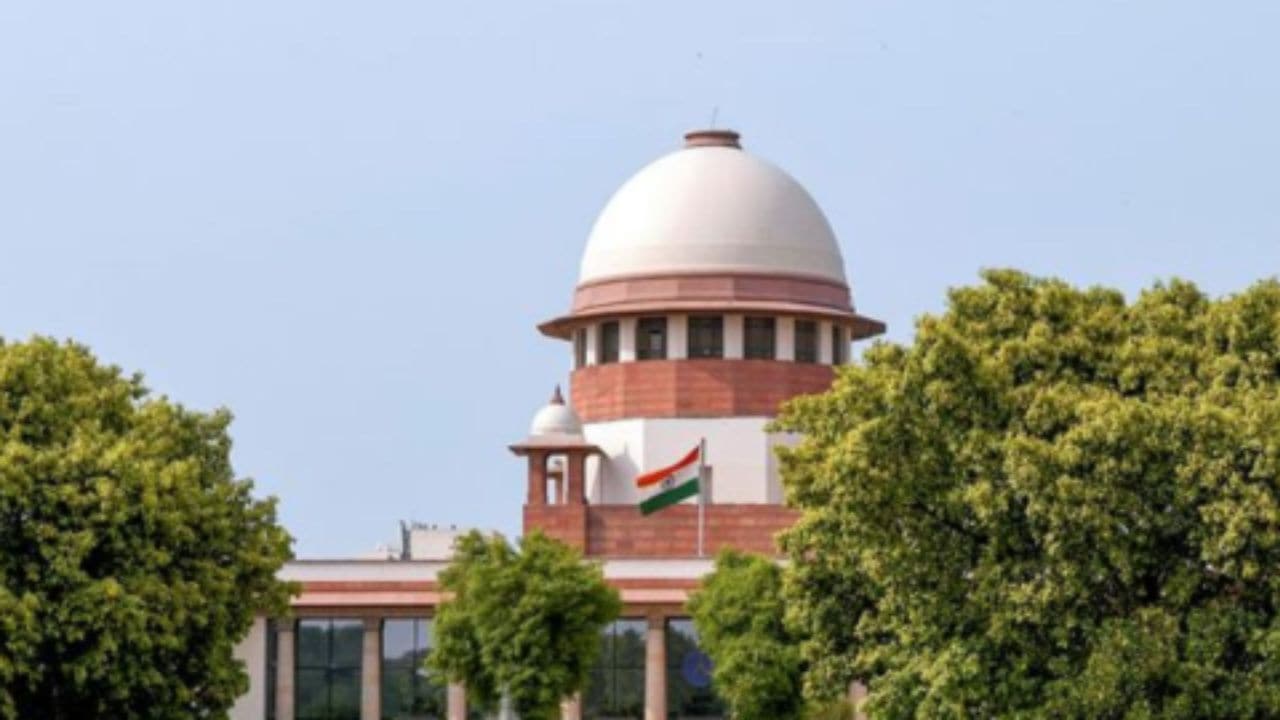
Last month, the Supreme Court took strong exception to a section in a Class VIII Social Science textbook that referred to corruption in the judiciary. The section, indeed, seemed to reflect bad faith, especially because many of the deletions and additions in NCERT text books on the watch of the BJP-led government have been politically motivated. The judiciary’s seminal role also means that assessments of its institutional record must be undertaken with utmost care and diligence, particularly those meant for impressionable minds. The Court’s reprimand prompted an almost immediate course correction — the government complied with the SC’s directive to withdraw the textbook and pulled up the NCERT. However, after raising the red flag, the SC has further pressed the issue. On Wednesday, it directed the Centre, States, UTs, universities and public institutions to “dissociate” from the NCERT’s team — historian Michel Danino, legal expert Alok Prasanna Kumar and educationist Suparna Diwakar. This blacklisting and imposition of curbs by the Court is a let-down. A prickly and thin-skinned response goes against the Court’s formidable reputation of expansiveness and open-mindedness — built up by bench after bench, and finding expression in jurisprudence that has expanded the ambit of the freedom of expression especially.
In the last decade, NCERT textbooks have invited controversy. The excising of references to the Gujarat riots, pruning of chapters on medieval Indian history, diluting of references to protest movements and removal of the mention of the demolition of Babri Masjid have pointed to a flattening of social complexities and a forced alignment of texts with the ideology of the ruling party. At the same time, amid shifting political currents, the SC has consistently underlined that its integrity lies in being steadfast to constitutional values and due processes. The commitment to its mandate has also made the institution look within. This spirit of introspection lay behind the then-CJI B R Gavai’s remark in July last year. “Sadly, there have been instances of corruption… even within the judiciary,” he said. The now-withdrawn textbook referred to Justice Gavai’s speech.
The Court’s umbrage at what it saw as an attempt to selectively denigrate its institutional dignity wasn’t misplaced. But now, if the Court’s censure gives way to censoring, it will be a disservice to its own record of responding to criticism with magnanimity.