

Bengal turns new page, all must keep the calm
In a state where political violence has a long and tangled history, change will require a deep resolve from the new ruling party, its leaders and workers. It will also require a buy-in from the outgoing Trinamool Congress
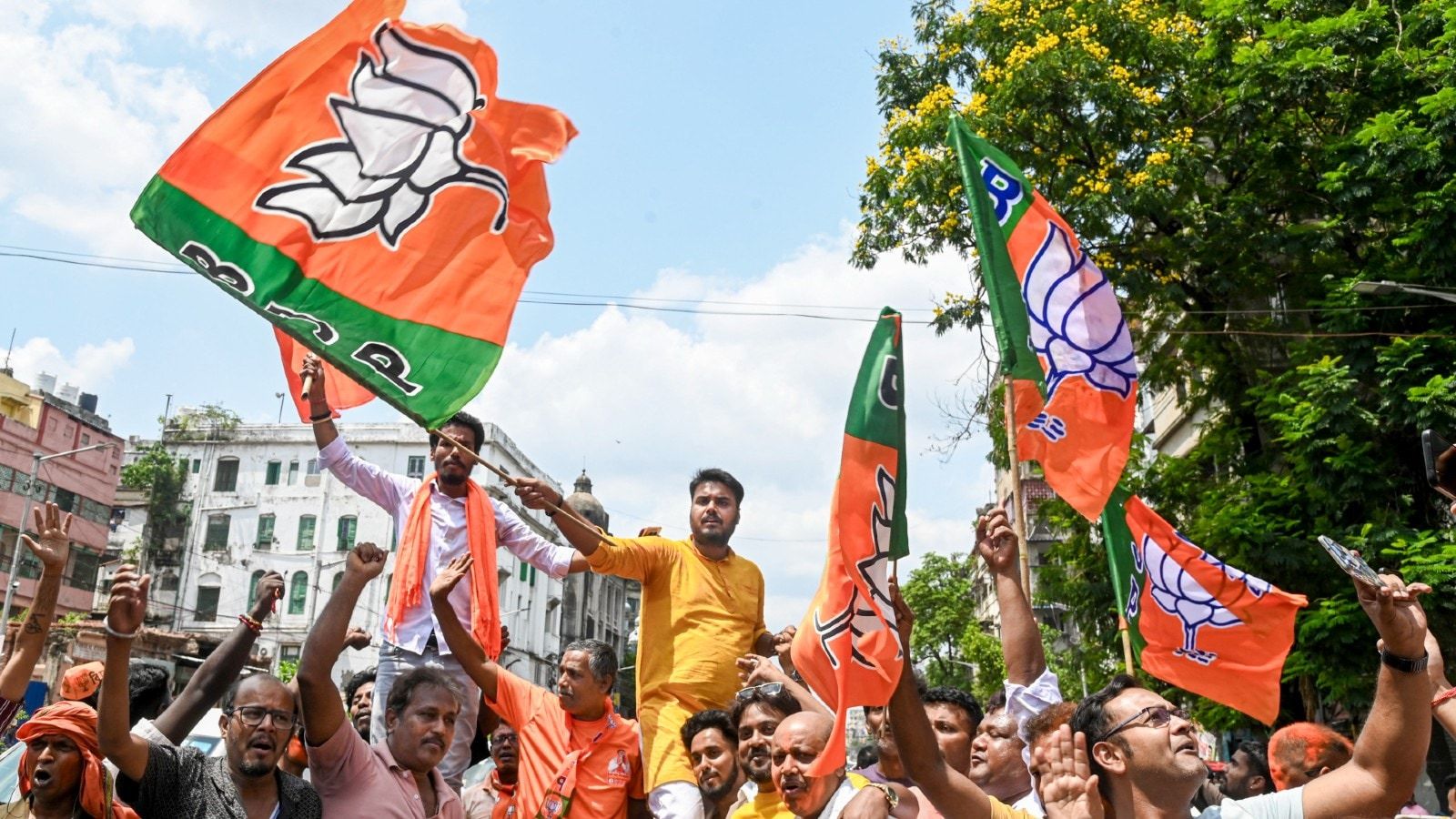
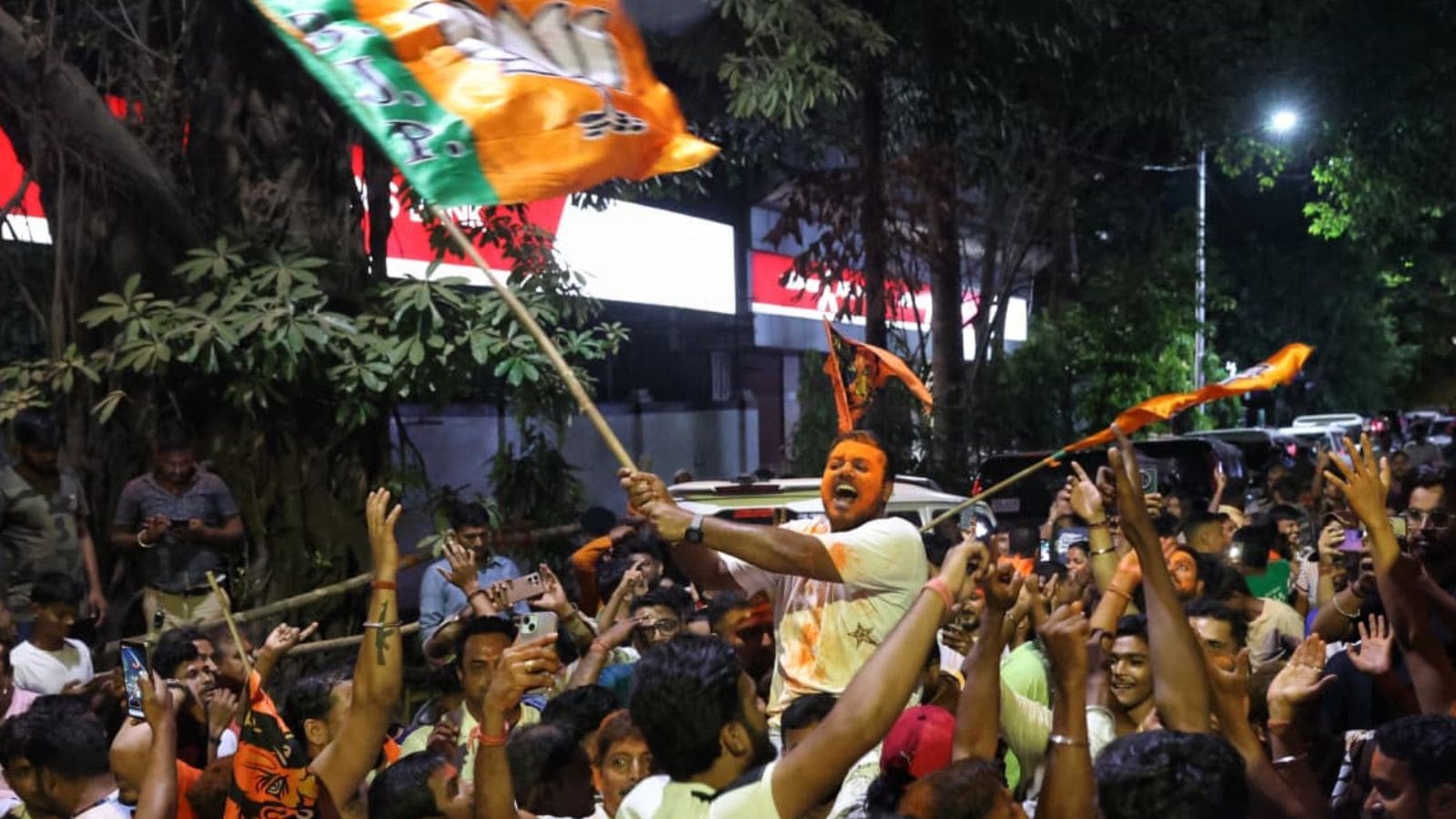
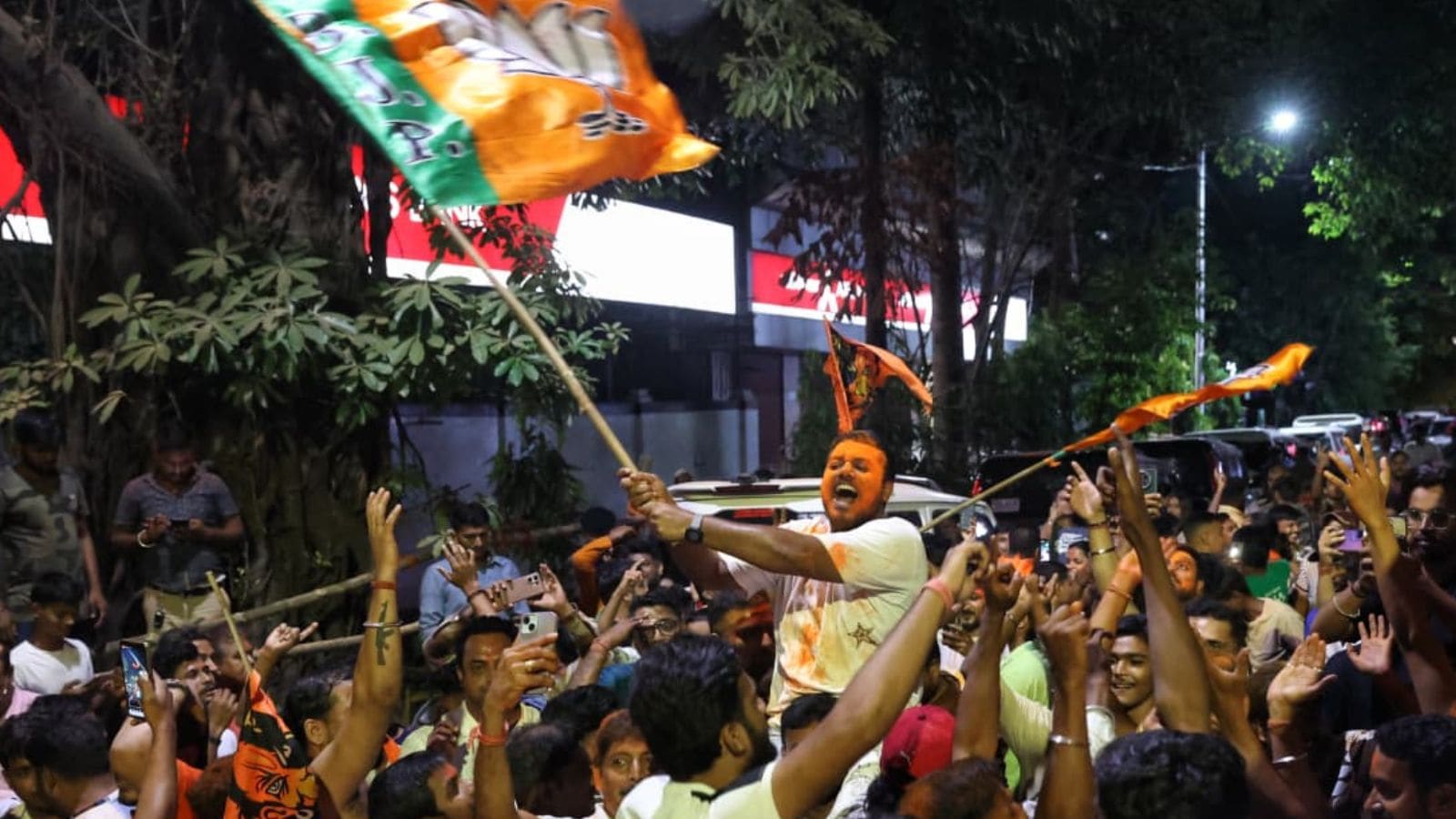
In his speech after the assembly results came in on May 4, Prime Minister Narendra Modi framed the BJP’s victory in West Bengal as a turning point. It would mark a break from a political culture marred by fear and violence, he said, the state would be “bhay mukt”. Bringing about this change in a state where political violence has a long and tangled history will require a deep resolve from the new ruling party, its leaders and workers. The task of rejuvenation and repair, however, also requires a buy-in from the outgoing Trinamool Congress. Unfortunately, in the 48 hours since the election results, the sounds of violence, though much more muted and erratic than after, say, the 2021 election result, are disquieting.
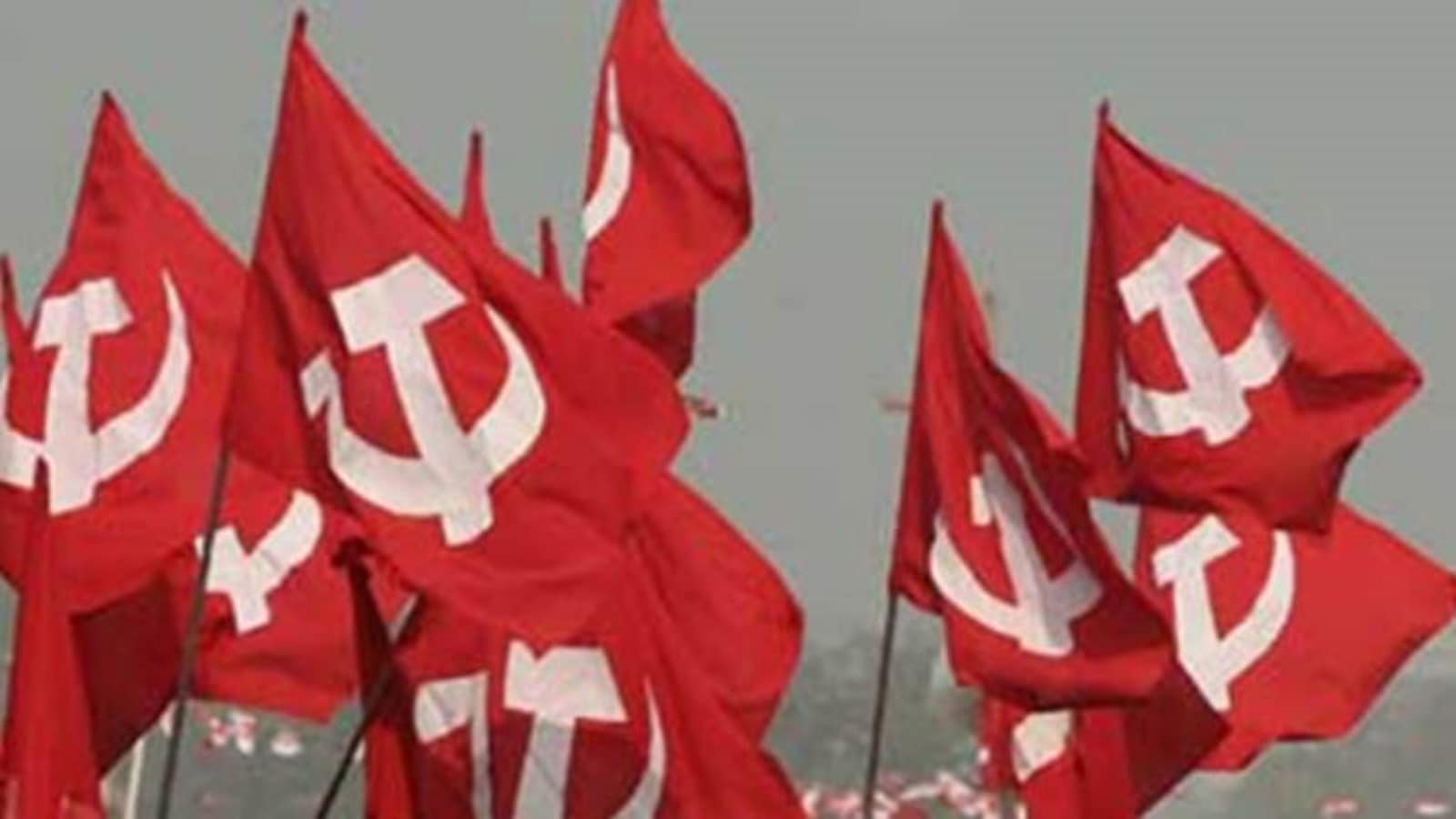
Cycles of retributive political violence have historical roots in Bengal. As far back as the early 20th century, the then-undivided Bengal was the epicentre of militant resistance to colonial rule, and of brutal responses by the colonial administration. The region saw outbreaks of communal rioting, and later, with the birth of Naxalism in the 1960s, violence flared between the government and anti-state political parties, and in internecine conflict between the communist factions. The 34 years of CPI(M) rule, as a result of this history and because of the blurred lines between a cadre-based party and the state, deepened the culture of fear and intimidation. The TMC inherited that structure, which it expanded into a parallel network, the “syndicate”, that became an important reason for its decline. Now, the BJP has the opportunity to break this dismal pattern. It must not miss it.
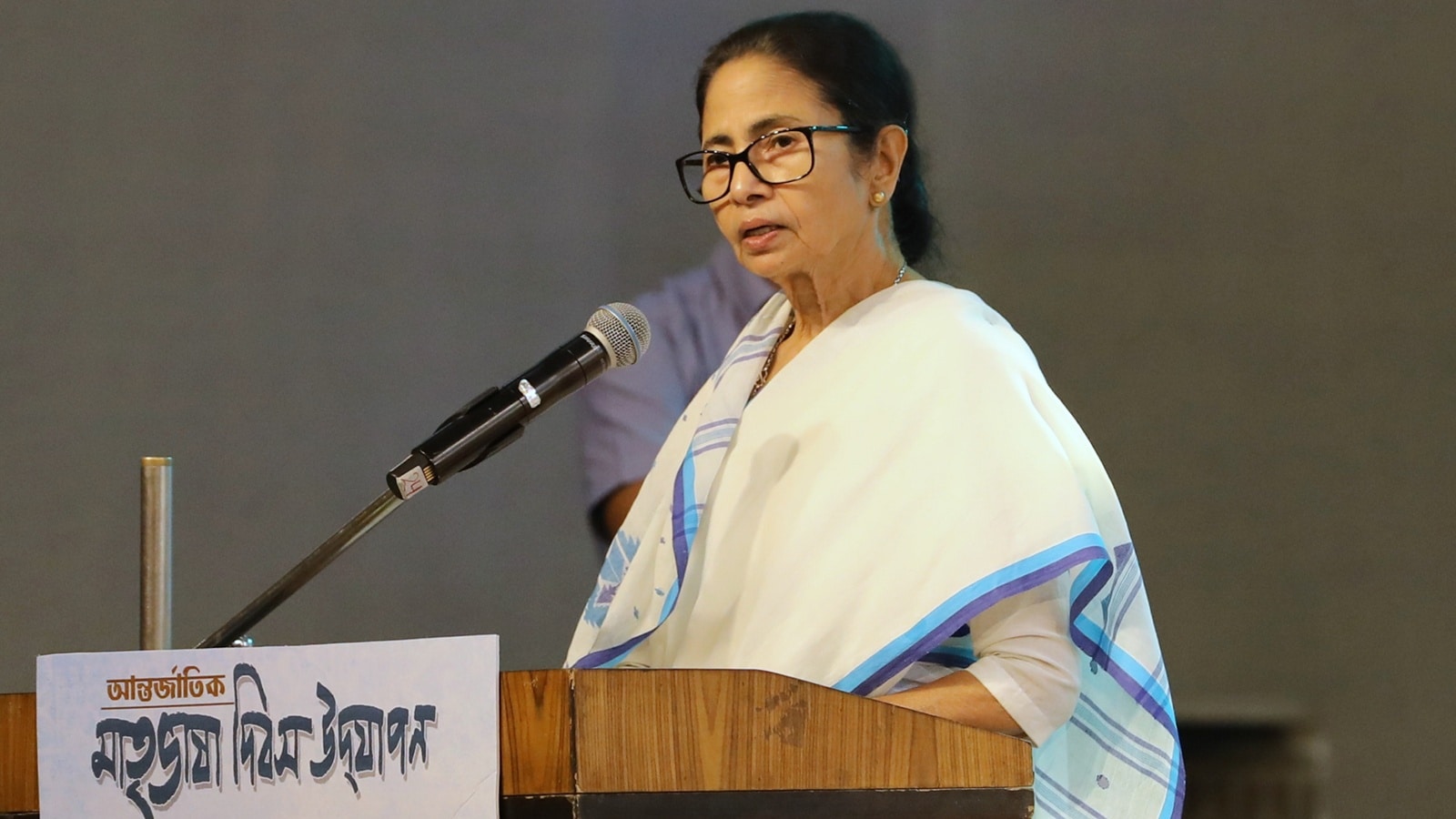
BJP state president Samik Bhattacharya seems to recognise that the mandate is not just for a change in government, but for a new grammar of politics. He has warned party workers against targeting TMC offices or showing disrespect to the outgoing Chief Minister. Unfortunately, however, his colleague, Suvendu Adhikari, has chosen the moment to send out a divisive and polarising message: Having defeated Banerjee in her bastion of Bhabanipur, he has said he would work only for the Hindus who purportedly voted for him, and not for the Muslim minority that, according to him, did not. In turn, Banerjee’s continuing refusal to accept the verdict undermines the system her party — as the main Opposition — continues to be a pillar of. As Bengal turns a new page, its new government needs to get down to work to deliver on its mandate, and the Opposition must keep it on its toes. Especially after an election in which people turned out to vote in record numbers, there can only be respect for the verdict, there is simply no role or room for violence.