

Ask AI when the cherry trees will bloom
The time-honoured tradition of ‘hanami’, or flower viewing, has got a new tech upgrade
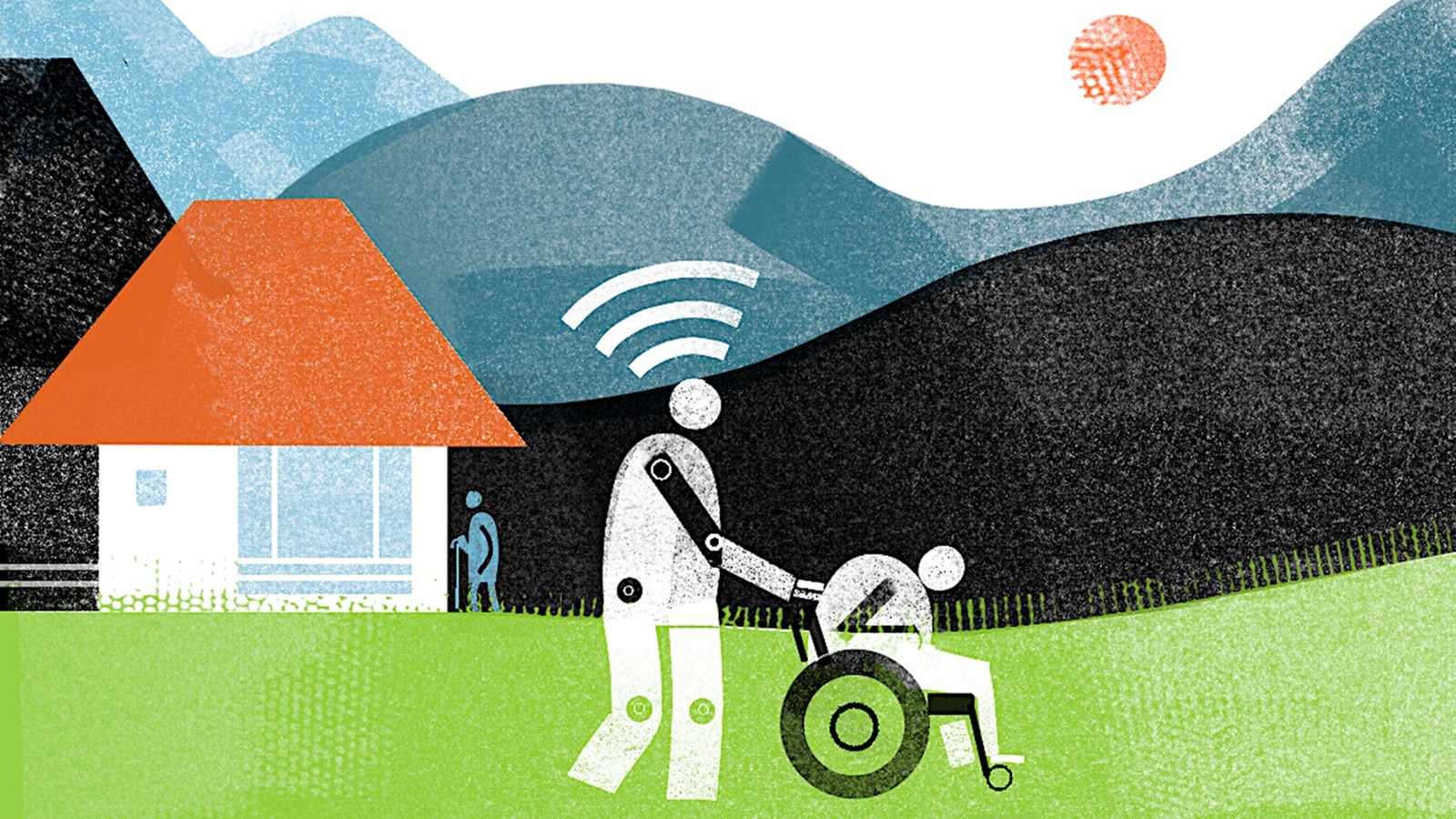
In Japan, the delicate blossoms of the cherry tree bear the weight of a storied history and a $9-billion tourism industry. For a few days every year, millions of people — Japanese and visitors — gather in gardens and parks around the country to contemplate the brief beauty of the sakura. The stakes are high, hinging on a deceptively simple question: When will the flowers bloom? As the long-established system of answering this question, determined by weather reports, is destabilised by climate change, forecasters increasingly depend on artificial intelligence to honour the tradition of hanami, or flower viewing.
Perhaps there is something ironic about attempting to pin down a tradition, the essence of which is an acknowledgement -— and celebration — of evanescence. The 72 micro-seasons (shichijuni ko) into which the Japanese calendar was once divided invited a more intimate relationship with the world, based on subtle changes in nature. Seasons like “fish emerge from the ice” (mid-February) and “crickets chirp around the door” (late October), determined the farmer’s crop calendar and inspired poets. They governed the fine variations in how tea was prepared from one week to the next and influenced how a garden evolved over the course of a year. Today, Japan may follow the Gregorian calendar like the rest of the world, but sensibilities — aesthetic and cultural — continue to be shaped by an older rhythm.
“This is the real pleasure/ of this life without tomorrow/ The flowers, the sake,” wrote the 19th century haiku master, Inoue Seigetsu. Today, when time is increasingly measured by the beeps of devices and app notifications, rituals like the hanami are a portal into a world where time marches to a slower beat. And if the most cutting-edge technology can open that door a little wider, a little more reliably, so be it.