

A police force more sensitive to the Northeast
The renewed push for nodal officers is a step in the right direction
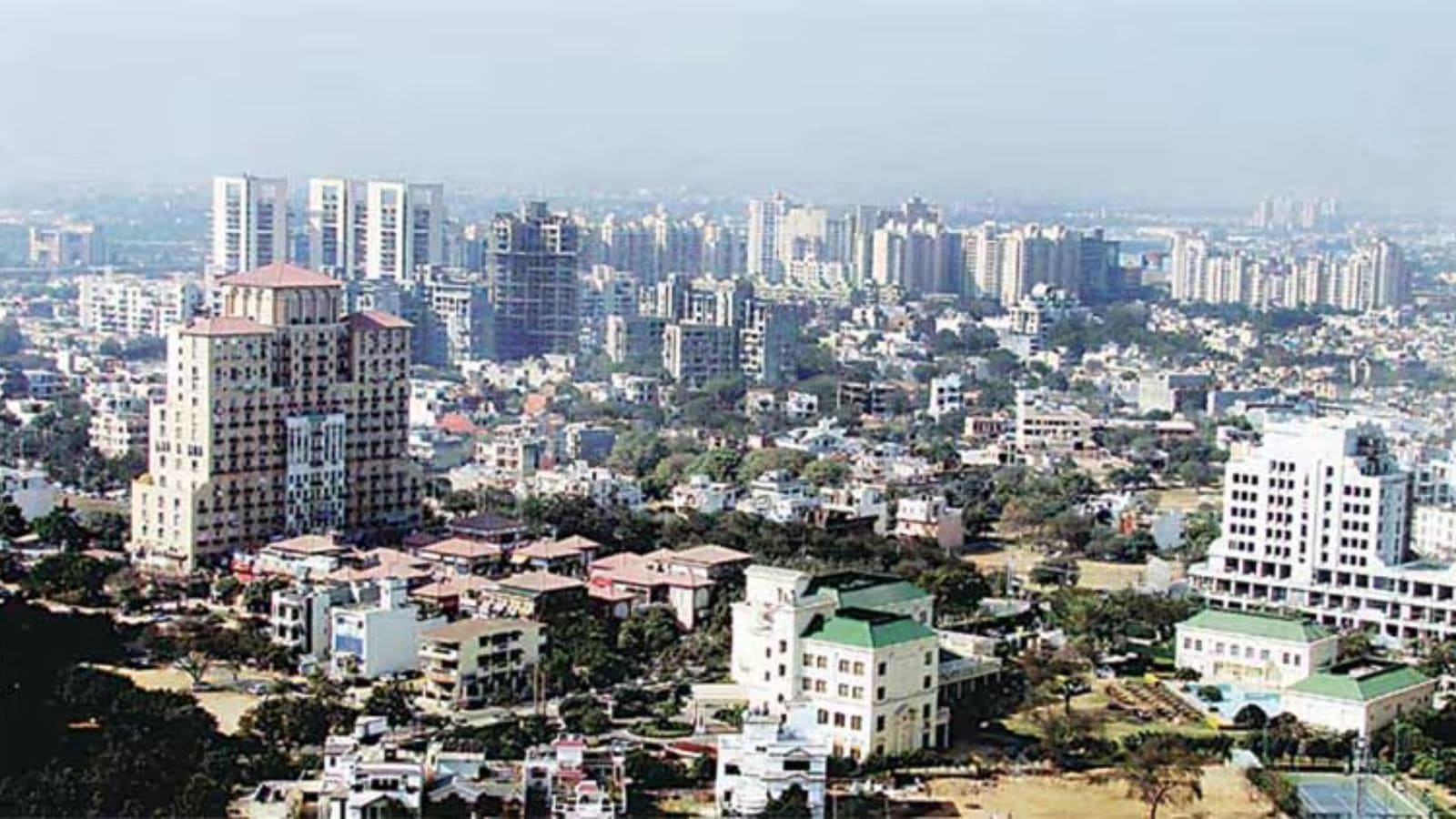
The Union home ministry’s recommendation urging cities across the National Capital Region to appoint nodal officers to address racism against citizens from the Northeast is a necessary intervention. It is an implicit acknowledgement of the persistence of prejudice even in cosmopolitan spaces. Unfortunately, discrimination — casual slurs, housing bias, workplace exclusion, and, in some instances, fatal violence — continues to shape the lived realities of people from the Northeast in other parts of the country. In December last year, Anjel Chakma, a student from Tripura, was fatally stabbed in a racial attack in Dehradun. In February, three women from Arunachal Pradesh were reportedly targeted in Delhi’s Malviya Nagar. Earlier this month, a lawyer from Manipur faced similar harassment in the same neighbourhood. Against this backdrop, the proposal reinforces the recognition of racism as a systemic issue that requires sustained administrative attention.
At the same time, the recommendation’s promise must also be measured against the efficacy of existing mechanisms. Nodal officers are not new to NCR — Delhi already has one at the rank of Joint Commissioner who coordinates with its 15 police districts. Gurgaon, too, has a similar arrangement. There is a unit within Delhi Police — the Special Police Unit for the North Eastern Region — to provide support and redress. The persistence of complaints, however, points to the limited success of the existing mechanisms. Awareness remains low, and trust deficits endure between law enforcement and affected communities. Expanding the system to other cities without addressing these gaps risks creating a bureaucratic layer that looks responsive on paper but struggles to be so in practice. The proposal must be accompanied by better outreach, sensitisation of police personnel to diversity, and greater transparency and accountability.
Earlier this week, Rajya Sabha MP Nabam Rebia urged the government to bring in stricter legal safeguards and ensure time-bound action against racial hate crimes. The urgency of reform is sharpened not merely by past tragedies but also by long-standing recommendations that are yet to be fully realised. The murder of Nido Taniam from Arunachal Pradesh in Delhi’s Lajpat Nagar Market in 2014 had led to the formation of the Bezbaruah Committee. The renewed push for nodal officers is a step in the right direction, particularly if it builds on the committee’s framework.