

Under Xi and Trump, the US-China tech race is heating up. India can’t sit on the sidelines
Diplomatic dexterity cannot substitute for technological depth. Unless we independently design, fabricate, or govern frontier AI, we will find its alignment dictated by the attempted G2 and the alliance they foster
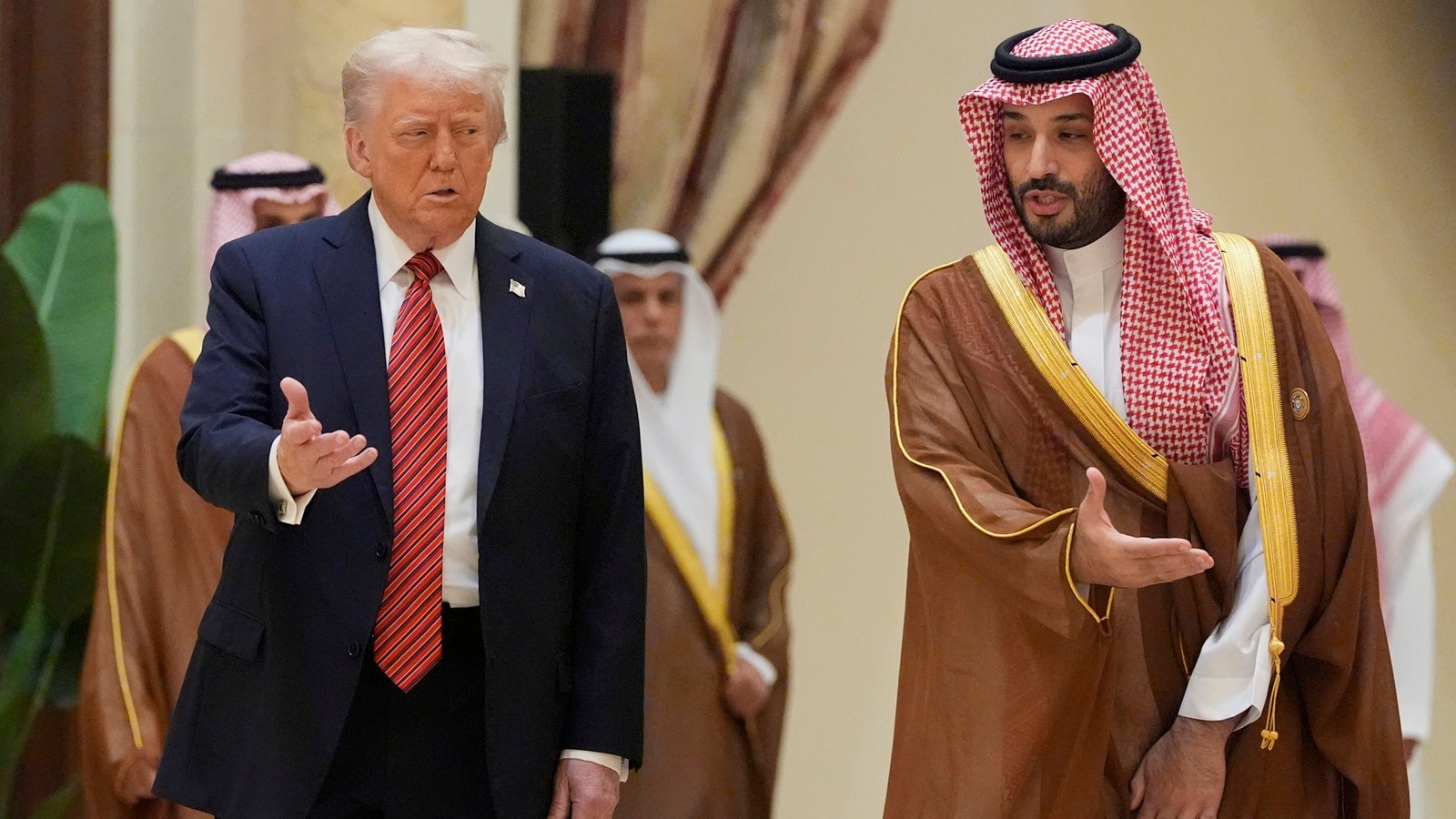
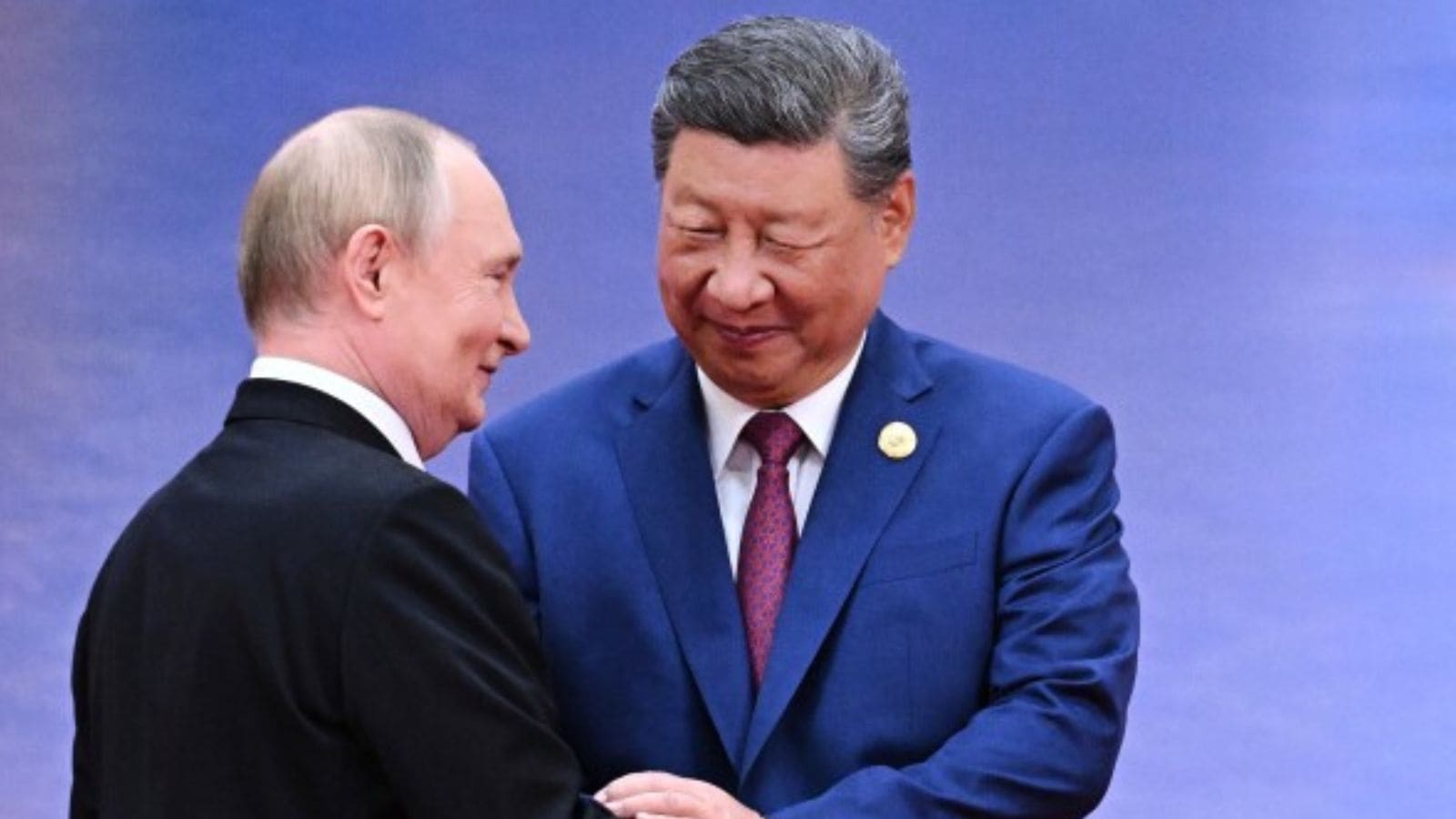
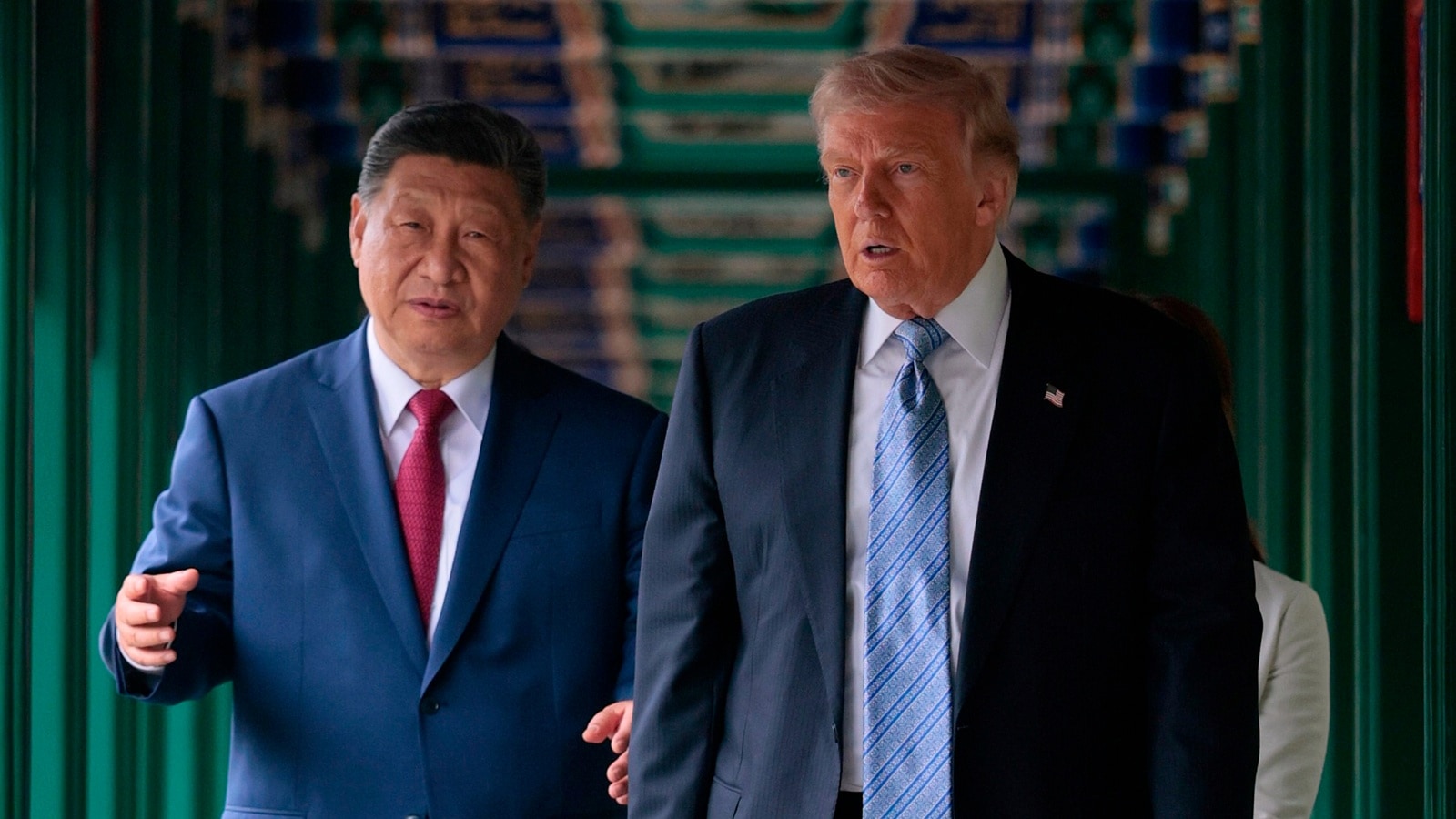
When US President Donald Trump and China’s President Xi Jinping concluded their summit at Beijing’s Great Hall of the People last week, much was riding on the G2 framework that Trump had boasted about in October last year before returning to China and repeating it. India’s silence carried new weight, and this was not the comfortable ambiguity of the Cold War, when equidistance between superpowers was a moral posture. This was the anxious silence of a country that has staked its technological future on partnership with Washington, while knowing that the neighbour on its northern border now sits across from America as an equal.
The stakes are sharper than at any previous US-China summit because the technology gap that once made India’s diplomatic geometry manageable has closed. The recently released Stanford Institute for Human-Centred Artificial Intelligence’s 2026 AI Index Report found that China has nearly erased America’s lead. As of March 2026, the US advantage in frontier model performance stood at just 2.7 per cent. Russell Wald, HAI’s executive director, has warned that policymakers globally are failing to understand the technologies they are being pushed to govern. This also applies to India, where the AI ecosystem is still playing catch-up, and the IndiaAI Mission at $1.2 billion amounts to what a single American AI company spends in six months. India’s ambitions are laudable, but its resourcing is not.
The logic that draws India towards the United States is structural and strategically prudent. India’s February 2026 Interim Trade Agreement with Washington, after bumpy negotiations, lowered US tariffs on Indian goods to 18 per cent in exchange for India committing to $500 billion in US energy, technology, and agricultural purchases. The TRUST initiative, more or less, evolved from iCET and launched when Prime Minister Narendra Modi visited Washington in February 2025, anchoring cooperation in semiconductors, AI, quantum technologies, and critical mineral supply chains. An AI Infrastructure Roadmap under TRUST provides market access and investment to accelerate US-origin AI deployment in India. On paper, India is building the institutional architecture of a genuine technology alliance with the world’s leading power.
The emotional logic is equally strong. India and the US share democratic systems, a common unease about Chinese dominance in Asia, and a conviction that the Indo-Pacific’s rules should not be written in Beijing. The Quad, as the security dialogue between the US, India, Japan, and Australia, was built on this premise. For more than two decades, Washington cultivated India as a counterweight to China, and India also saw merit in this expansion. Losing India to strategic drift, analysts have warned, “would be the worst outcome” for the US in the Indo-Pacific.
Yet India cannot sever itself from China. The two countries share a 3,488-kilometre disputed border, and China is India’s largest trading partner despite years of political friction. When Trump’s tariffs bit hardest — a 50 per cent levy on Indian goods for purchasing Russian oil, a penalty not applied to China — Modi flew to Tianjin for the SCO summit, engaged with Xi, and declared that India-China ties should not be viewed “through the lens of a third country.” Multi-alignment, in India’s lexicon, is not opportunism. It is survival arithmetic.
The Beijing summit last week has complicated this arithmetic. When two superpowers negotiate a managed technology relationship, calibrating chip access, trading rare earths, and structuring AI competition bilaterally, they reassign the strategic value of everyone watching. The China+1 manufacturing thesis, which made India one of the world’s most sought-after investment destinations, rests on the premise that companies need alternatives to China. That urgency softens whenever Washington and Beijing find reasons to accommodate each other. References to the intermittent bonhomie between Washington and Beijing only intensify these concerns, as the so-called G2 concept marginalises middle powers.
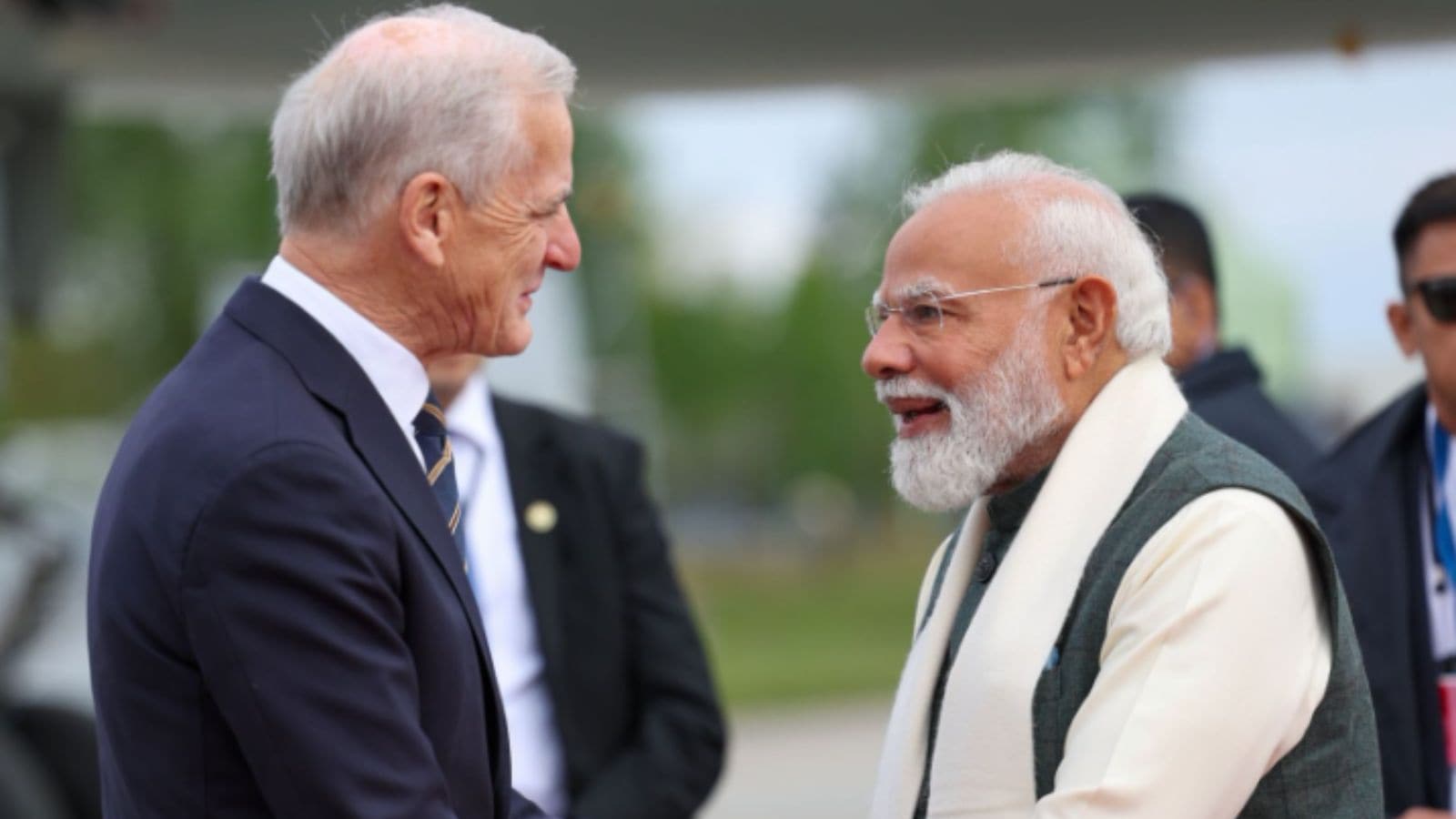
India’s anxiety is not irrational. The Trump administration has treated alliances instrumentally: Punishing India with tariffs while sparing China’s larger Russian oil purchases, and claiming credit for brokering the India-Pakistan ceasefire in May 2025 that New Delhi rejected. The warmth between Modi and Trump is politically useful to both. But warmth is not a treaty, and declared friendships evaporate when larger interests diverge. What India fears most from the Beijing summit is not US-China confrontation, but accommodation — that is, a managed G2 that settles technology competition through bilateral frameworks and leaves everyone else as spectators.
Such accommodation would simultaneously reduce the urgency of the China+1 thesis, weaken the democratic coalition argument that justified India’s technology access under TRUST, and leave New Delhi in a world whose AI rules were written without it. The structural dynamics of US-China rivalry have been India’s greatest geopolitical asset. A rapprochement, however partial, diminishes that asset.
The answer cannot be diplomatic alone. India’s $1.2 billion IndiaAI Mission is inadequate for a country that wants a seat at the table where AI governance is decided. As Wald warned about world models where AI systems simulate physical environments and will define autonomous weapons, manufacturing, and drug discovery, India has to ramp up. From the GPU ecosystem and workforce skilling to startup support and entrepreneurial capacity-building, the task is clear. The TRUST framework and the India-EU free trade agreement are genuine leverage, but leverage converts to power only when the underlying technological capacity is built.
India has spent 77 years mastering the diplomacy of the middle path. The challenge of this decade is different, complex, and evolving fast. Diplomatic dexterity cannot substitute for technological depth. Unless we independently design, fabricate, or govern frontier AI, we will find its alignment dictated by the attempted G2 and the alliance they foster. India aspires to be a rule-shaper in the AI era, and rightly so. The worry is that the window for earning that role is narrowing faster than its institutions are moving. The Beijing summit is a reminder that the world’s most consequential technology decisions are being attempted in a rapidly evolving geopolitical flux, and countries that arrive with capability will lead; others will merely follow.
The writer is a defence and tech policy adviser and author of The Digital Decades: On 30 years of the internet in India