

33 per cent quota, 100 per cent commitment: Why the Women’s Reservation Bill is a test for the Indian man
Regardless of social transformations, a majority of men have refused to change their outlook towards women. Add to this the forces of the market economy promoting commodification of women, and the challenge becomes multi-dimensional
Prime Minister Narendra Modi has perhaps rarely, if ever used the phrase “gender equality” in his public addresses. But in his own style, he has spoken of its importance. On August 15, 2022, he said, “From the ramparts of Red Fort, I also want to share one of my enduring pains. It hurts me to say that we have witnessed a perversion in our day-to-day speaking and behaviour.” He added that there is a tendency among people to casually use language and words that are insulting to women. “Can we not pledge to get rid of everything in our behaviour, culture and everyday life that humiliates and demeans women?” he had asked. In one of his earlier speeches, he suggested that young men who abuse girls are also sons. “Even when they are only 12, young girls are always being asked so many questions by their parents, like ‘Where are you off to?’, ‘Who are you meeting?’ But do these parents ask their sons where they are going?”
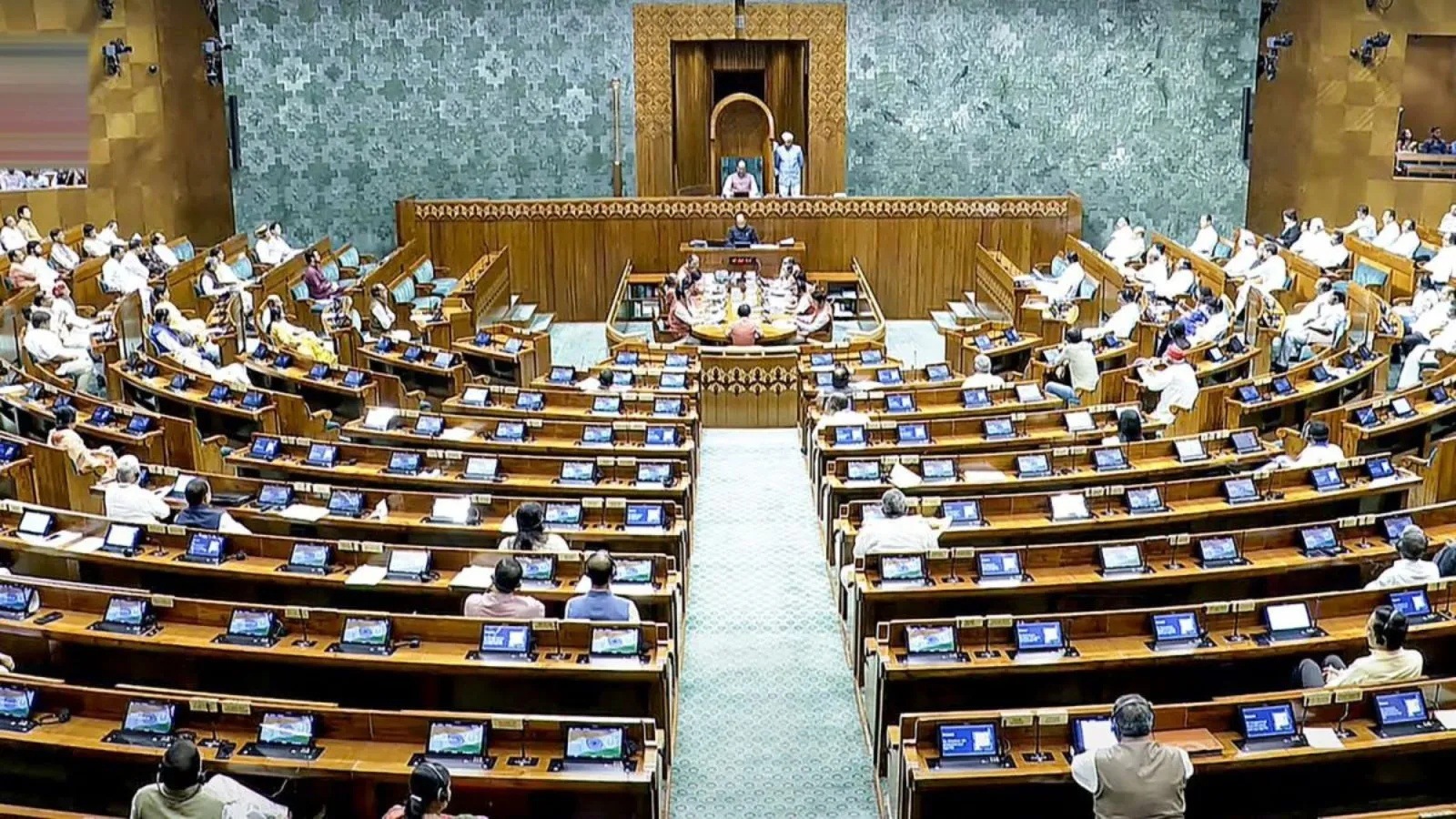
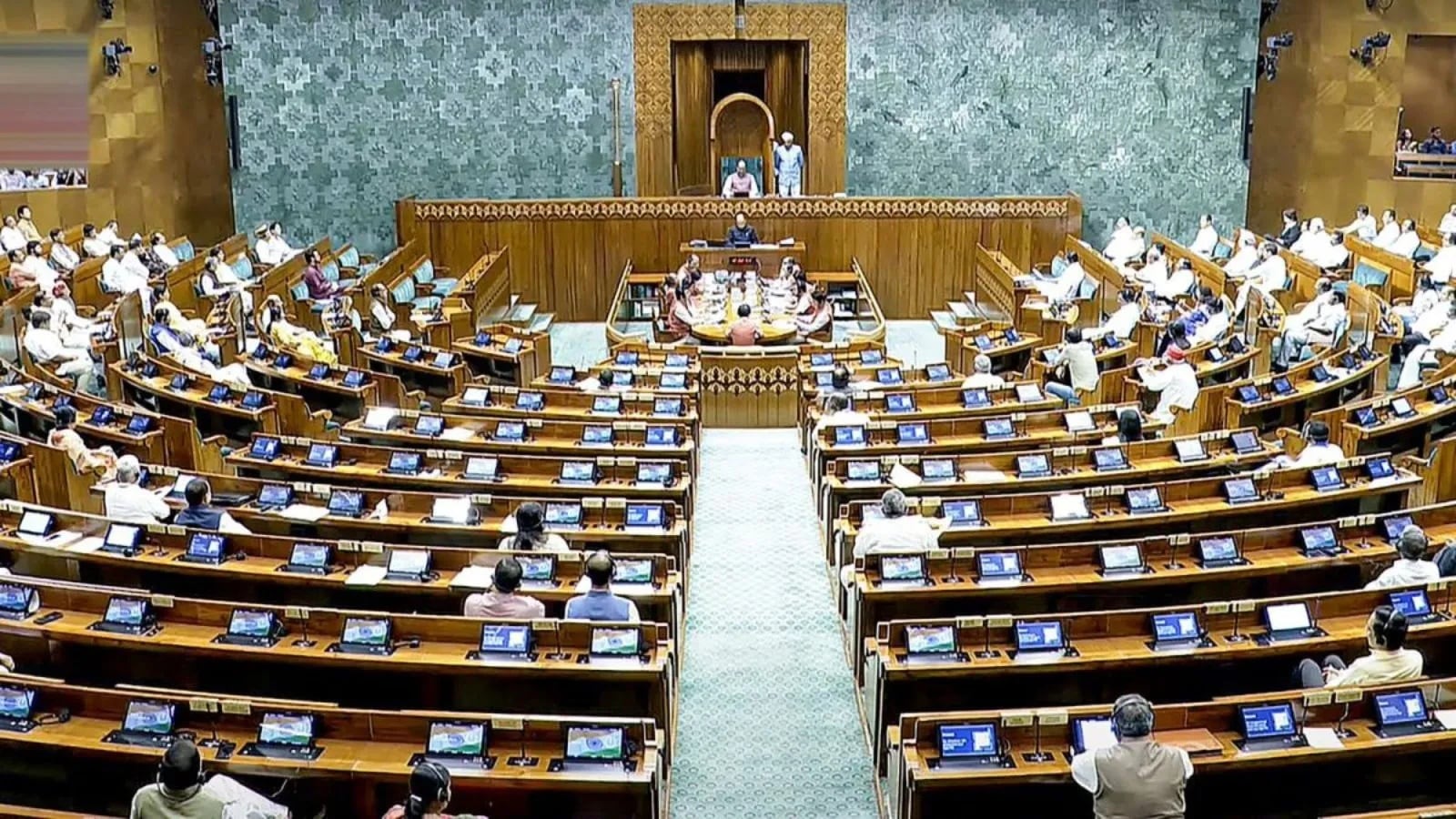
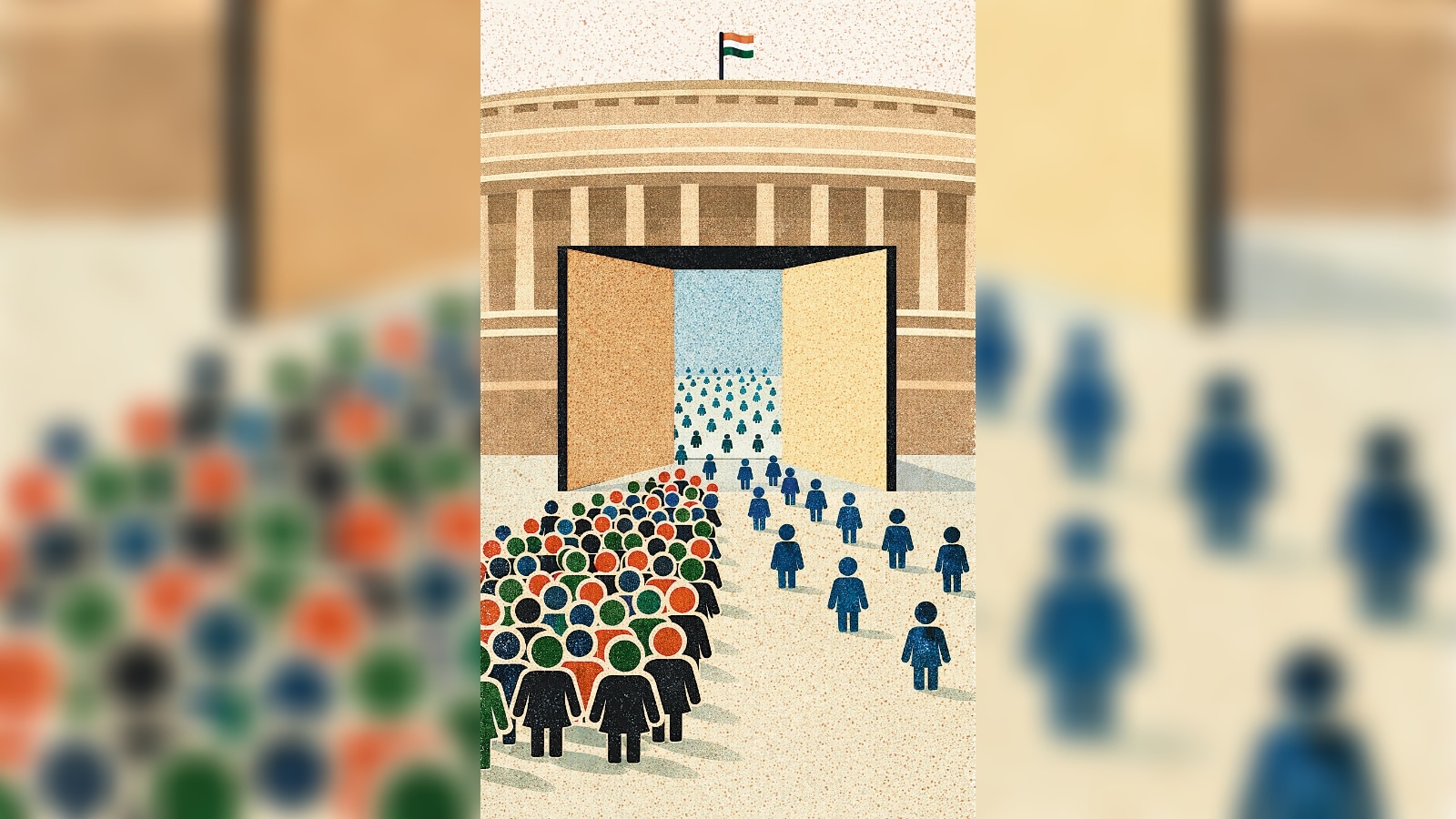
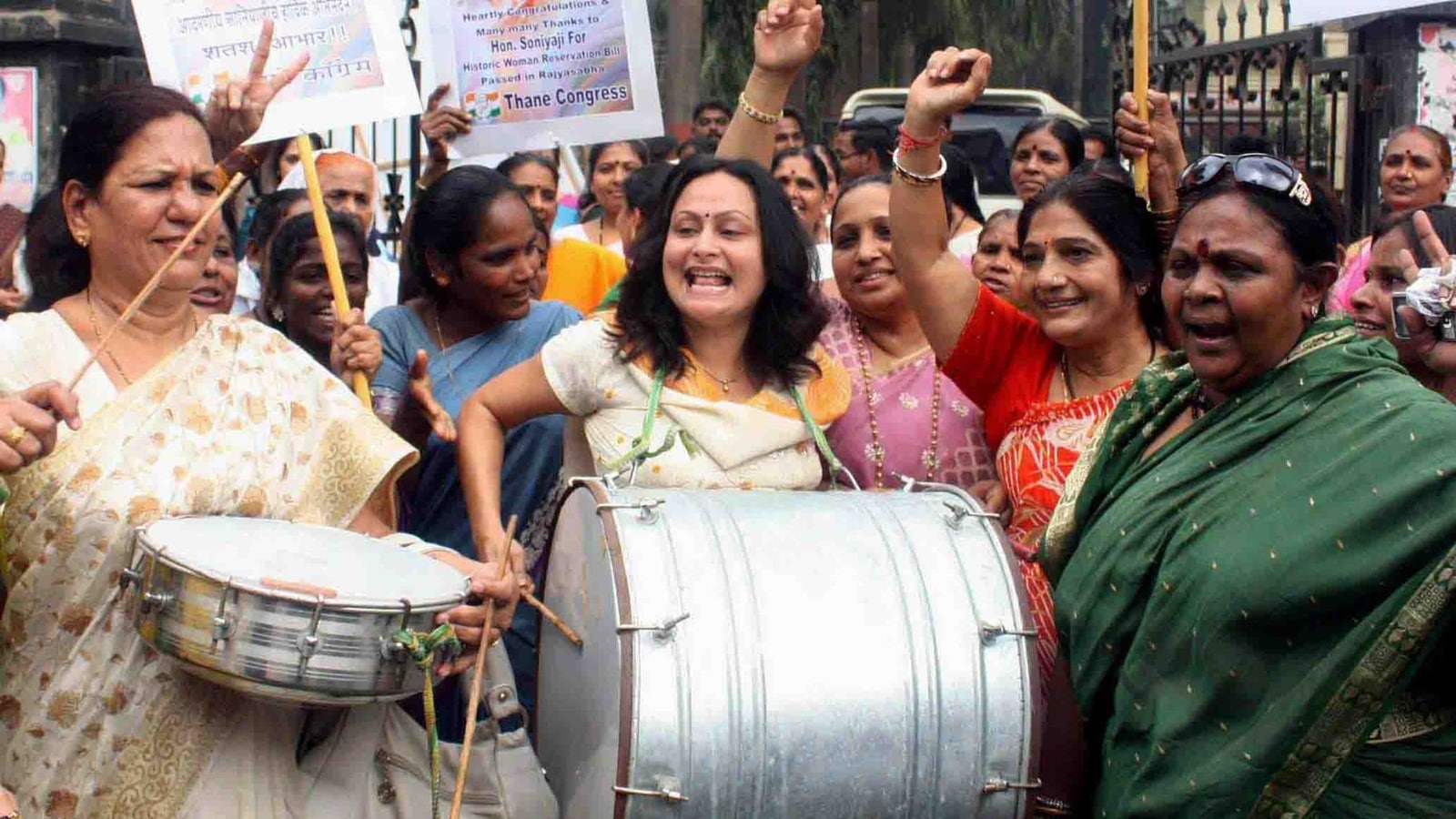
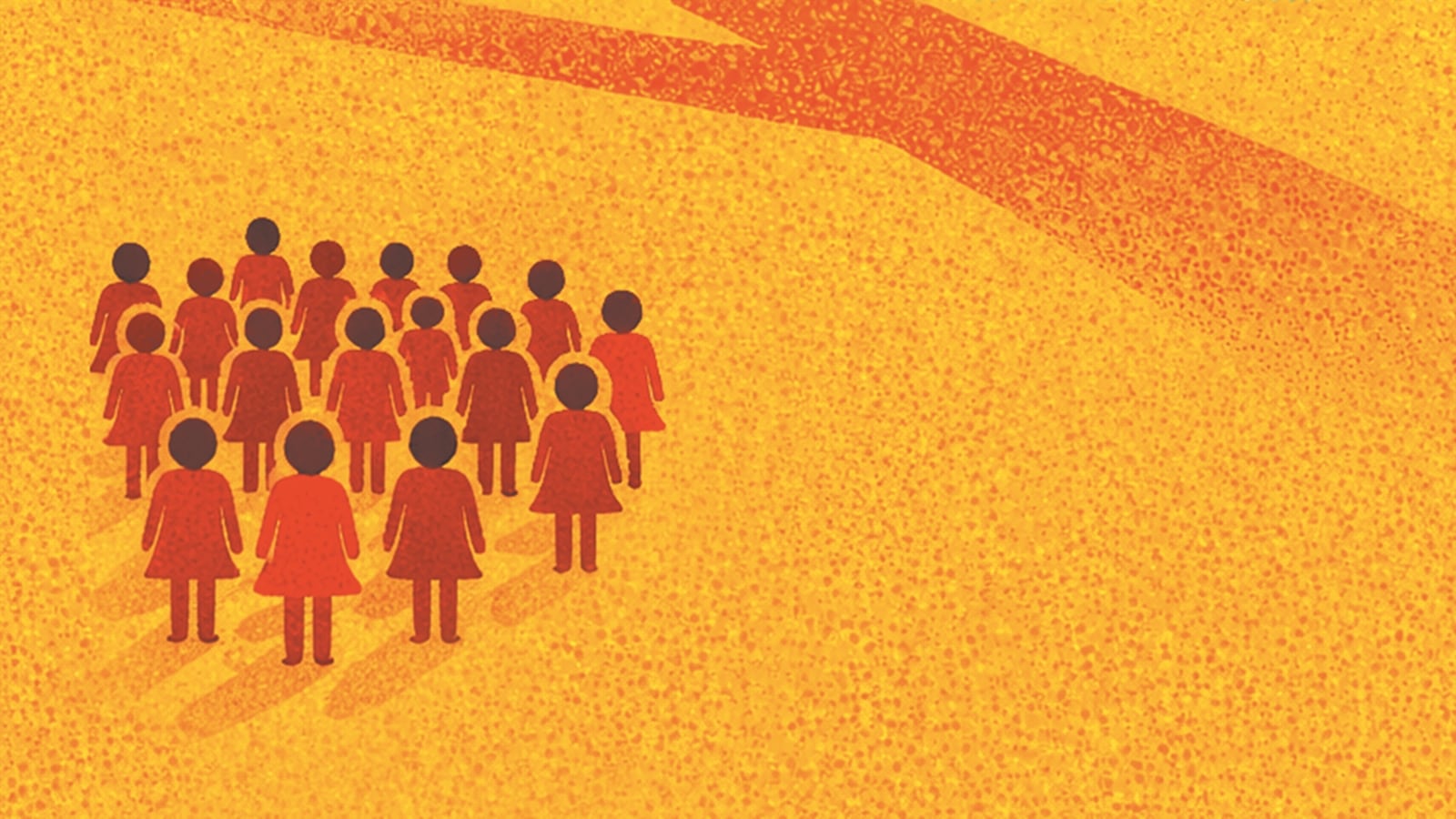
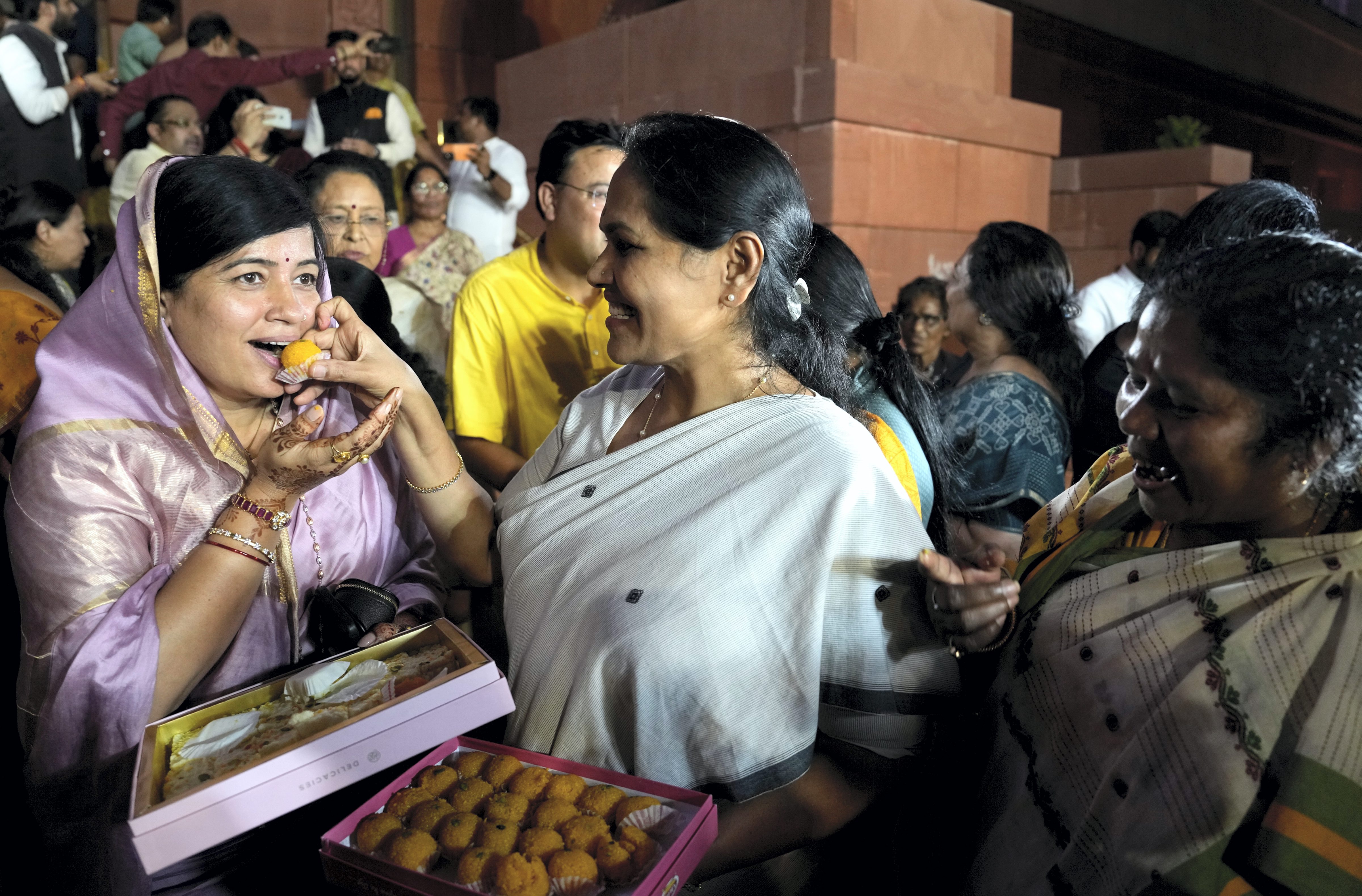
It is important to recall this as the country prepares to allocate 33 per cent seats for women in the Lok Sabha and state legislative assemblies in this very week. While the government has done its duty, it is prudent to understand how society — more importantly, all the men — need to prepare themselves while welcoming this legislation. No political party can afford to oppose a woman’s reservation openly. However, if history is any indication, it would be naive to believe that every other political party — apart from those in the NDA— will genuinely support this bill. This is because the question is much larger. It calls for a drastic change in the societal mindset. For this 100 per cent commitment to the cause by 100 per cent of the political class is essential.
The journey must begin with a strong determination to work for three equalities — of opportunity, of respect and of security. The 33 per cent quota will serve primarily as a vehicle to achieve equality of opportunity. It is a space that women have fought for. A condescending approach from male members will have an effect on the equality of respect. Initially, women who belong to political families are more likely to enter the space that is now being created. This is natural as they are more familiar with the rules of the game. And yet, our point of reference needs to be the respective woman and not her family. A 1996 study from Rambhau Mhalgi Prabodhini assessing the impact of women’s quota in municipal corporations in Maharashtra has some enlightening observations about women who begin as “proxy” leaders and eventually assert their independent identity.
Equality of opportunity leading to equality of authority will certainly pave the way for equality of respect. For that, the traditional male mindset needs to undergo a drastic change. In many local bodies, it’s a routine and established practice for male members to grab committee posts in powerful bodies like the Standing Committee, Transport Committee and Gardens Committee. Women, or the “tais” or “didis”, are condescendingly offered by the Women and Child Development Committee. This also smacks of an attitude that sees “women’s issues” as being seen as belonging to women only and that men are free to ignore them. With the implementation of the quota, this mentality may get further accentuated. To avoid this, it is worth looking into a particular recommendation of the 1996 report mentioned earlier. It says, “A Standing Committee for Women’s Development needs to be constituted in Parliament as well as in state legislatures, wherein 1/3rd seats must be reserved for men. This is essential to establish that women’s issues are not the concern of women alone.”
Equality of opportunity and of respect are critical. But what is more fundamental is the equality of security. And here, security is not just physical and material but also social and emotional. Traditionally, men and women live in almost two different worlds. Thanks to their traditional roles, there is little commonality between their ethos, their priorities and their responses too. Regardless of social transformations, a majority of men have refused to change their outlook towards women. Add to this the forces of the market economy promoting commodification of women, and the challenge becomes multi-dimensional. Dada Dharmadhikari, a Gandhian thinker and a sarvodaya leader, had reflected on this issue in a monograph. According to him, if women have made deep inroads in all those spheres considered as reserved for men, it is now the turn of men to enter into all those spheres considered as reserved for women. In other words, to maintain societal equilibrium, men will have to come back to their homes in direct and equal proportion to women coming out of their homes.
PM Modi has rightly described the passing of the women’s reservation legislation as historic. But for history to be truly shaped, the 33 per cent quota needs to be complemented by a 100 per cent genuine commitment to the cause by every male member of society. After Parliament, now it is society’s turn to create a climate to make all men reflect this commitment through their conduct.
The writer is a national executive committee member of the BJP