

Will the Women’s Reservation Bill lead to substantive empowerment or just descriptive presence?
Whether seats rotate every election cycle or across longer intervals will determine whether women can build durable political careers or are condemned to brief, discontinuous tenures that leave little behind
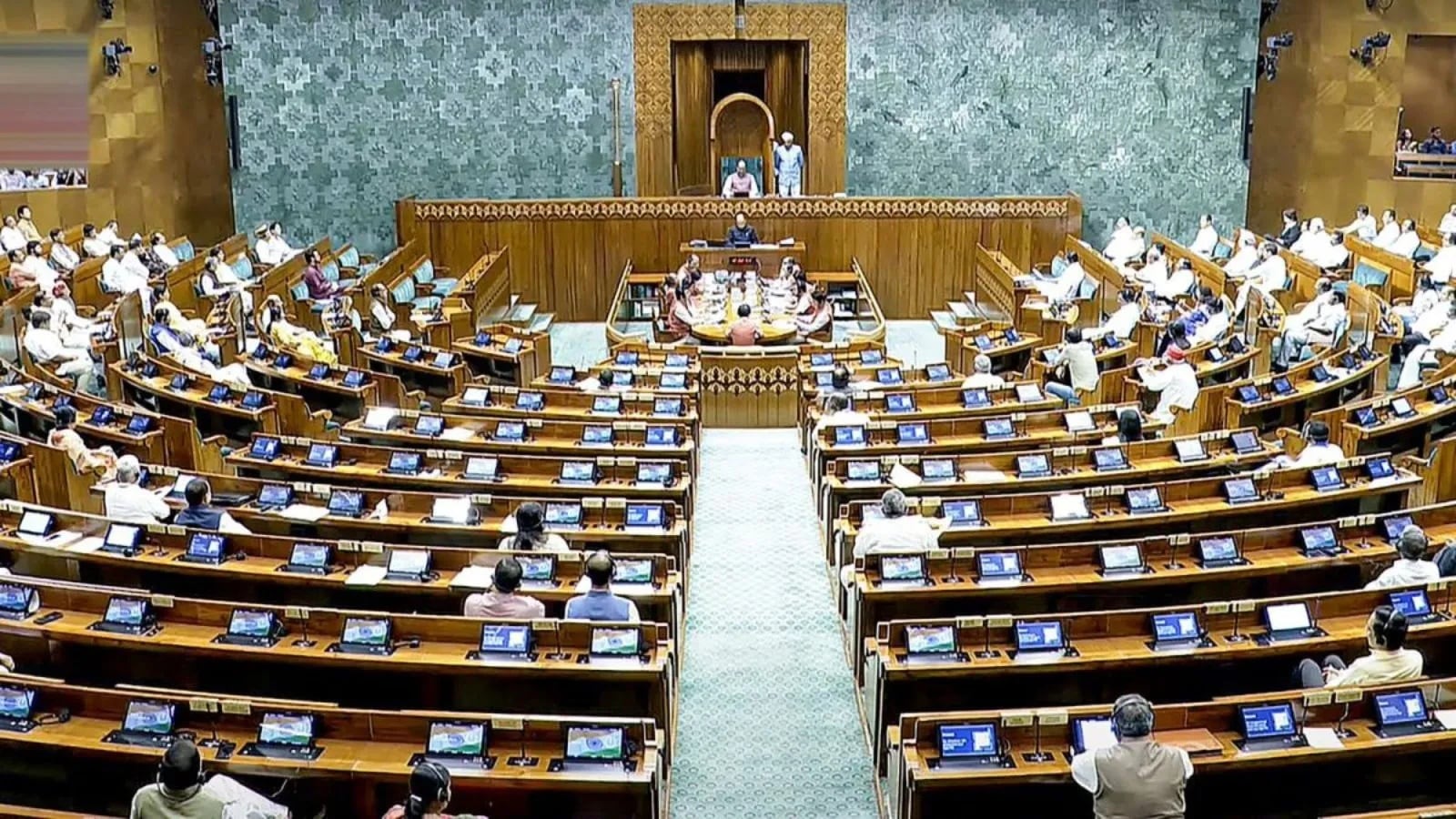
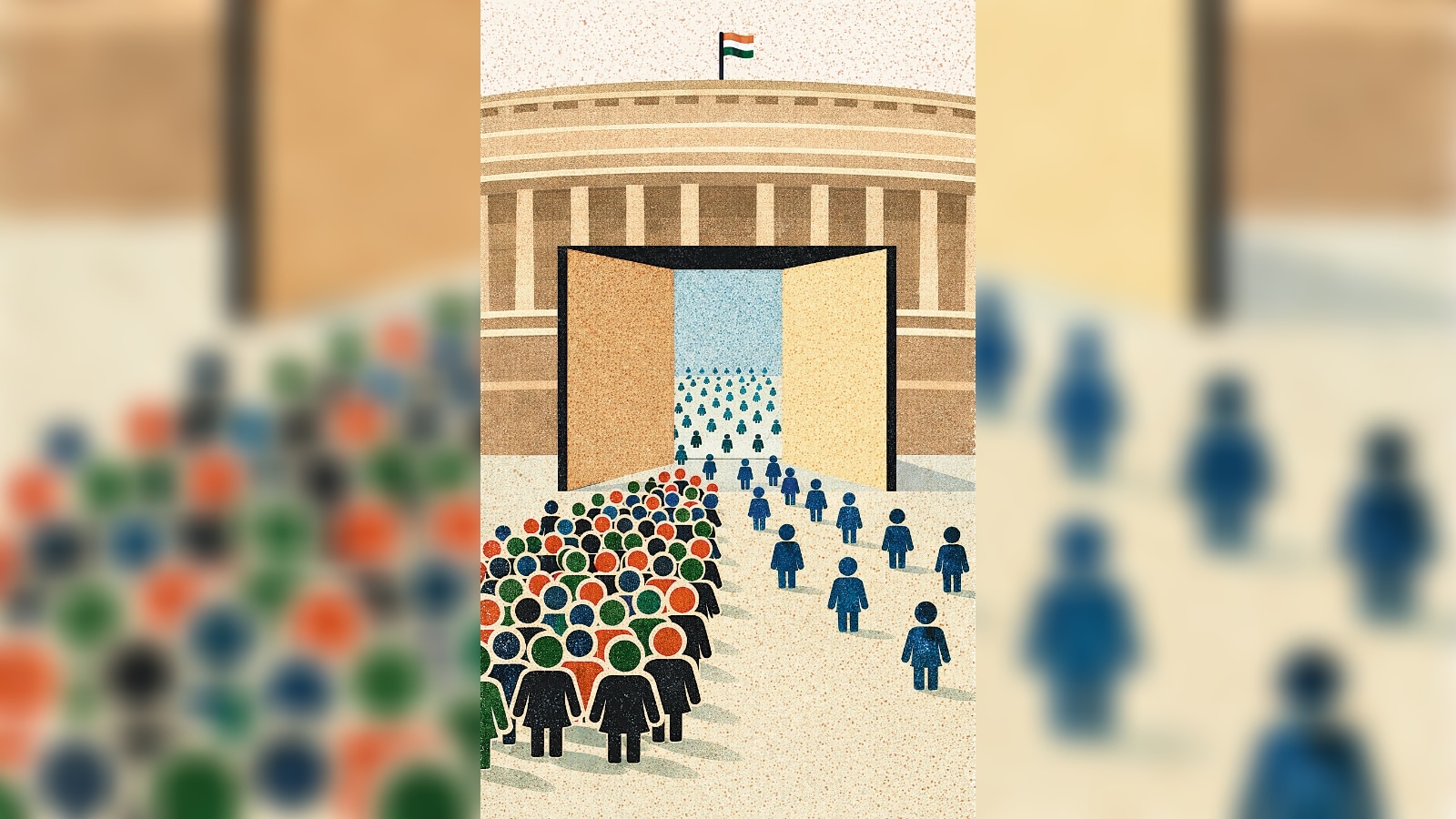
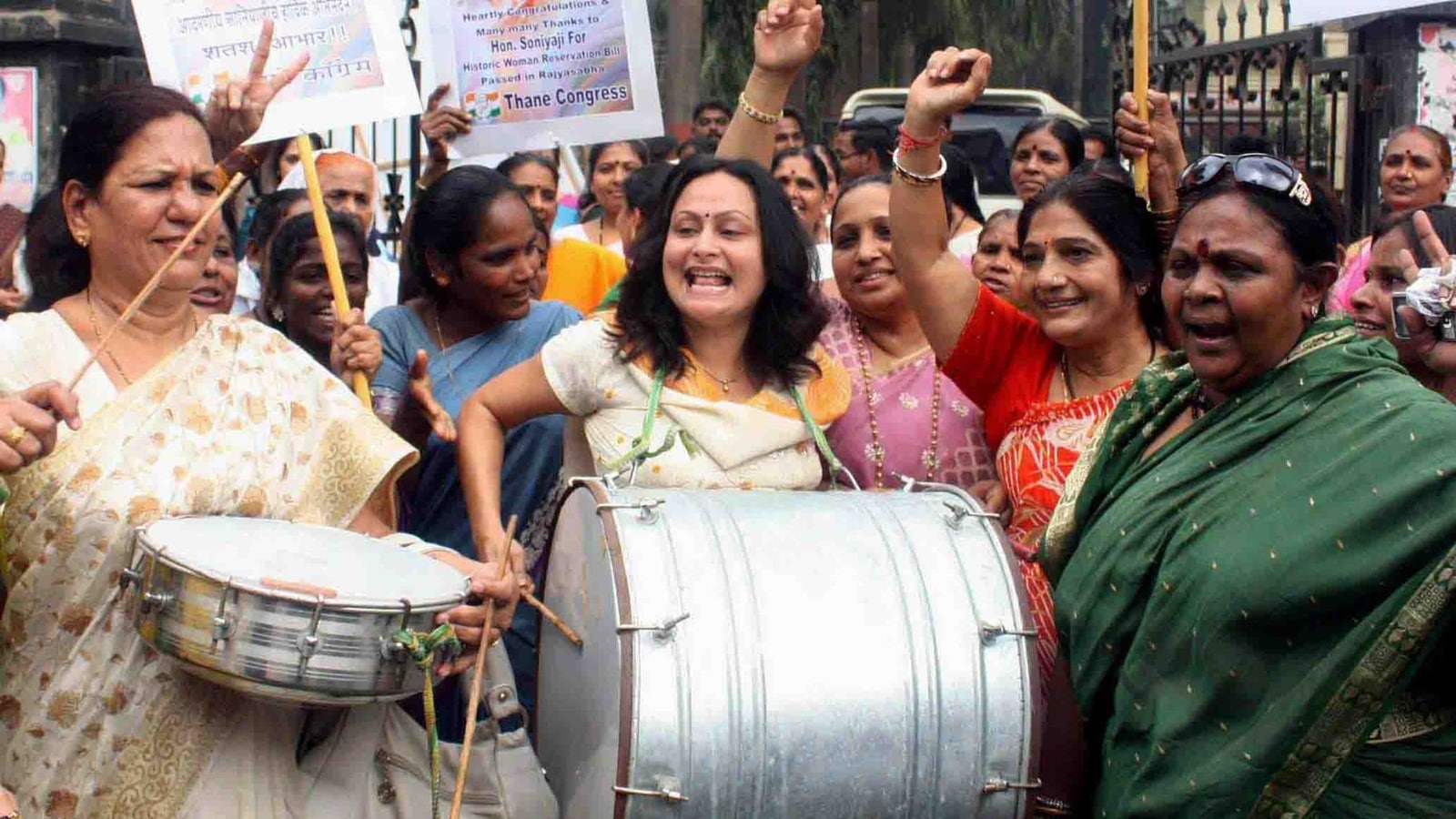
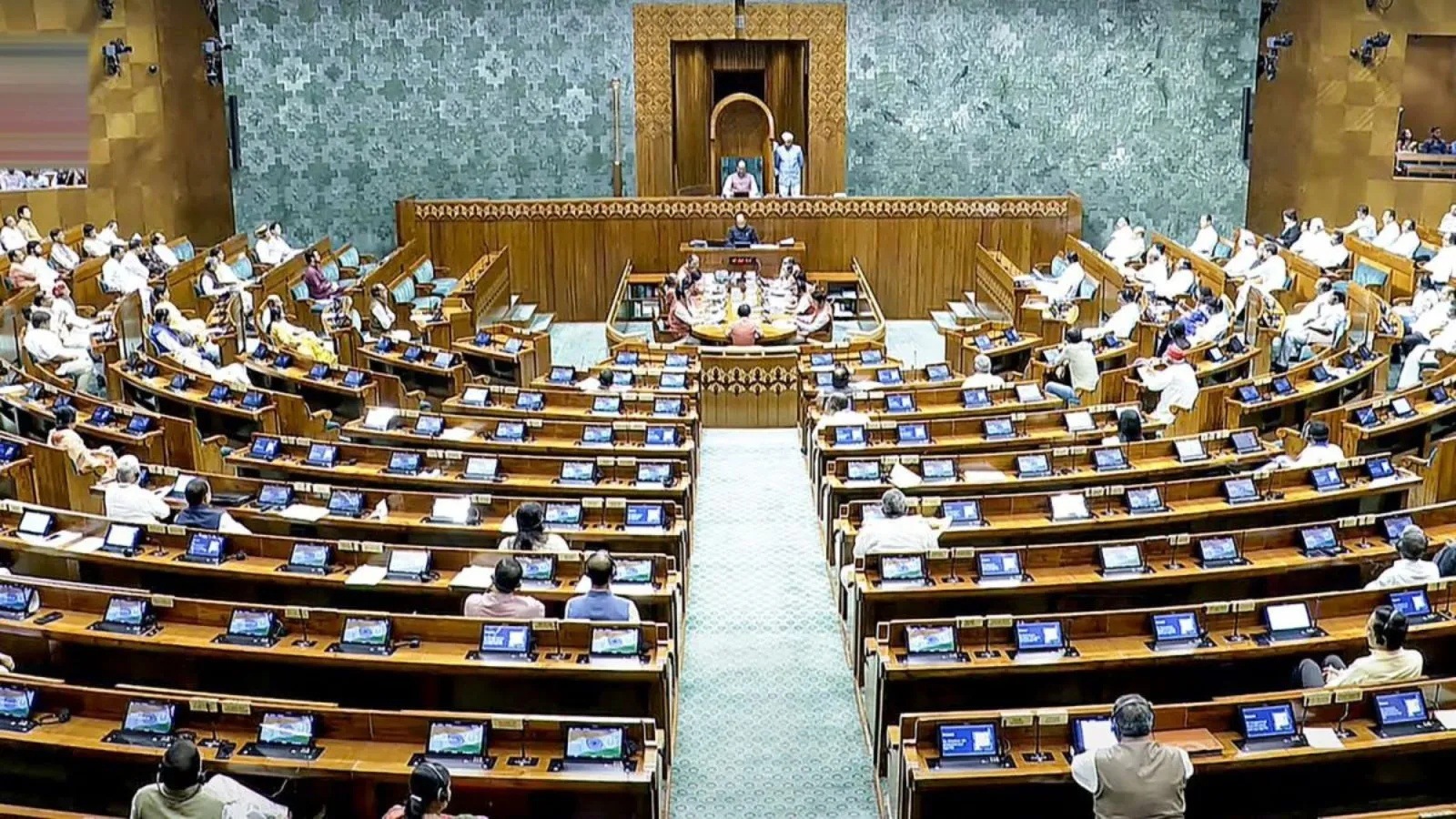
Parliament is being asked to celebrate. The long-delayed promise of one-third reservation for women in the Lok Sabha and state assemblies is now being framed as a historic democratic correction, a reckoning with decades of structural exclusion. After years of deferral, the principle behind this reform is clear. Women remain profoundly underrepresented in Indian legislatures. In the 18th Lok Sabha, they hold just 13.8 per cent of seats, a figure that speaks not to a lack of political will among women, but to the persistence of barriers that formal democracy has long failed to dismantle.
The reform deserves support. But a design flaw embedded within it risks turning a historic correction into a missed opportunity.
While the law provides that reserved seats shall be rotated across different constituencies, it does not say how often. This silence is not a minor drafting oversight but a structural ambiguity with far-reaching consequences. Whether seats rotate every election cycle or across longer intervals will determine whether women can build durable political careers or are condemned to brief, discontinuous tenures that leave little behind.
India does not have to speculate about what follows. There is already a long institutional record to draw from. At the panchayat level, rotational reservation has been in place for decades. A Ministry of Panchayati Raj study found that nearly 85 per cent of women elected to reserved seats were first-time entrants, with only around 15 per cent re-elected. This is not a sign of healthy democratic circulation. It is evidence of churn. Women enter office, begin to find their footing, and are displaced before they can establish themselves.
A parallel lesson emerges from urban local governance. Where reservation and delimitation cycles have not been tied to fixed timelines, they have proven susceptible to delay and discretionary implementation. When institutional processes operate without clear temporal boundaries, they tend to be shaped by political convenience rather than constitutional intent.
There is a more troubling pattern embedded in this record. Where women are denied the time needed to build independent political capital, their formal authority becomes vulnerable to informal capture. Observers have noted that rotation has sometimes produced women who hold office in name while others exercise power in practice. This is the pathology that rotation without consolidation risks creating: Descriptive representation without substantive power.
Taken together, these patterns point to a consistent outcome. Rotation without continuity weakens the accumulation of political power. If this model is carried into Parliament, the consequences are easy to anticipate. A woman wins a reserved constituency, builds credibility with voters, and begins cultivating networks within her party and legislature. Then the seat rotates. She must either contest a general seat against entrenched incumbents or start afresh in an unfamiliar constituency. Both paths amount to the same outcome. She is asked to begin again just as she was gaining ground.
This is not a peripheral inconvenience. A legislator who returns to the same constituency across elections deepens relationships, strengthens party standing, and earns the institutional influence that comes with being seen as a stable political asset. Incumbency carries measurable advantages in India, including recognition, access, and credibility. A male politician who wins a constituency can contest it repeatedly, compounding these advantages with each cycle. A woman elected from a rotating reserved seat starts each election effectively from zero.
The implications are compounded for southern States. As India approaches its next delimitation exercise, concerns are mounting about the redistribution of parliamentary representation along demographic lines. States that have performed better on population stabilisation may see their relative share of Lok Sabha seats diminish. For women politicians from these regions, rotational reservation introduces a second layer of constraint. They are asked to build political careers within a shrinking electoral space while facing uncertainty over whether they will be able to retain a constituency across election cycles. The disadvantage is not additive. It is multiplicative.
Alternative designs remain available. Reserved constituencies could have been fixed for a minimum of two consecutive election cycles before rotation. This would have allowed women legislators sufficient time to build a base, develop political identity, and eventually contest general seats from a position of strength. Alternatively, the law could have required parties to field women candidates across a meaningful proportion of non-reserved constituencies, creating a broader and more integrated pipeline for leadership. Both approaches would have treated political development as a process rather than a one-time event.
None of this is an argument against reservation. It is an argument for reservation that works. The question before Parliament is not simply whether more women will enter legislatures. It is whether the conditions for lasting political empowerment will follow. A system that increases numerical presence while systematically preventing the accumulation of political capital may expand representation in form while hollowing it out in substance.
Before this framework is accepted as settled, one question deserves a direct answer. Does it create the conditions for women to govern, or merely the appearance of it?
The writer is a lawyer and former political consultant