

On women’s representation, India’s overdue correction
After failed attempts by Deve Gowda, Vajpayee, and Manmohan Singh, the 106th Amendment is set for its final shape. A look at the history, the hurdles, and the hope of representation for women
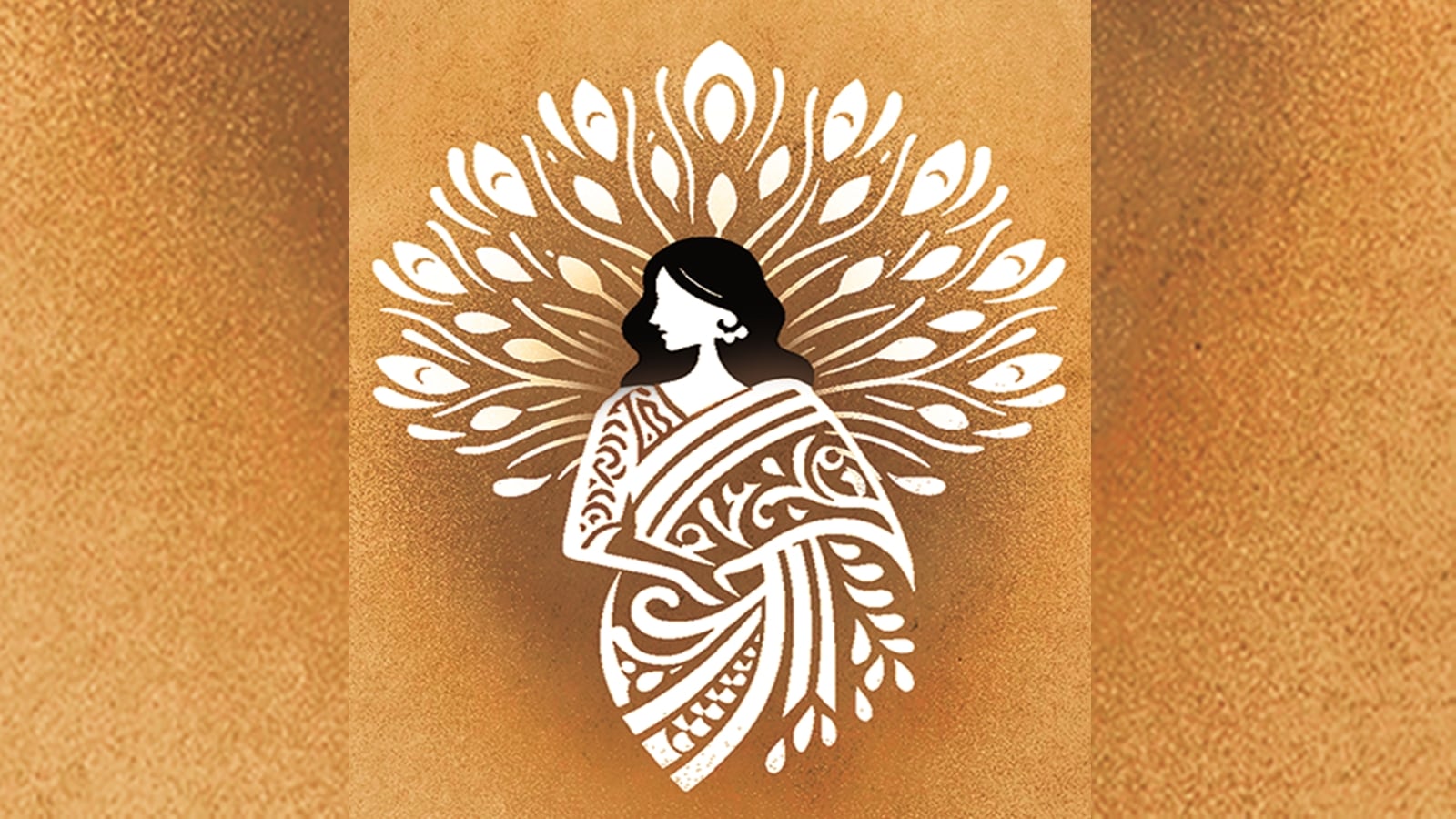
Next week, Parliament is going to take up the Women’s Reservation Bill in a special session. This is a historic step by Prime Minister Narendra Modi. Despite several efforts, we failed to provide proper representation to women in Indian legislatures over the last 75 years. At the time of our Constitution making, there were suggestions that, just like for the Scheduled Castes and Scheduled Tribes, women, too, should be given a quota in our legislatures. Interestingly, those suggestions were rejected by leading women members of the Constituent Assembly.
Prominent women members of the Assembly argued that women should get genuine equality rather than protective discrimination. “We have never asked for privileges… To seek any form of reservation would be to admit that women are not equal to men,” Hansa Mehta, a prominent member from Bombay, argued. Renuka Ray from Bengal echoed the sentiment, saying, “We want to stand on our own merit… The demand for reservation would be a confession of inferiority.” Durgabai Deshmukh from Madras Province opposed special privileges, saying they might hinder long-term equality rather than promote it.
However, behind their rejection was the earnest hope that, looking at their contribution in public life during the freedom movement, the Indian political system would naturally come forward to offer proper representation in due course. Sadly, we betrayed their hopes and aspirations, allowing critics to accuse the Indian polity of being patriarchal.
Successful Western democracies like the US and UK have demonstrated the will and maturity to provide greater representation for women in their parliaments without resorting to any quota system. In the US, the representation of women in Congress was just 2 per cent in 1950. It grew to nearly 13 per cent by the turn of the new century and stands at almost 30 per cent today. In the UK House of Commons, women’s representation grew from 3 per cent in the 1950s to 18 per cent in the early 2000s. Today, it stands at a commendable 35 per cent. In India, we began well with nearly 5 per cent of members in the first parliament in 1952 being women. But the growth remained stunted. In the 2004 Lok Sabha, the number was 9 per cent, while in 2024, it grew to just 14-15 per cent.
There were unsuccessful efforts by at least three governments in the past to get women in larger numbers into Parliament. The first major success in providing greater representation to women in elected bodies happened through the 73rd and 74th amendments of the Indian Constitution in 1992, famously known as the Panchayat Raj Act. Through this amendment, women were provided a 33 per cent reservation in village panchayats and municipal bodies. That led to the demand for a similar provision in Parliament and state legislatures. The Deve Gowda-led government made a half-hearted attempt in 1996 to introduce the Women’s Reservation Bill. Strong opposition from its own allies forced the government to push it to a select committee and bury it there.
The Vajpayee government made several attempts during 1998-2004 to introduce the bill. But parties like the Samajwadi and Rashtriya Janata Dal put up stiff resistance, insisting that a 33 per cent quota should be earmarked for OBCs within the prescribed women’s quota. This was a clear excuse to block the reform because there is no quota for OBCs in the Indian legislature. The Manmohan Singh government was the third to attempt it, which got the bill passed in the Rajya Sabha in 2010. But soon he developed cold feet and never introduced the bill in the Lok Sabha, allowing it to lapse in 2014.
It is to PM Modi’s credit that he took a decisive step to get this significant bill for gender equality passed in both Houses near-unanimously in 2023. The Nari Shakti Vandan Adhiniyam, as the bill was called, was the 106th Amendment to the Constitution. It mandates 33 per cent reservation for women in the Lok Sabha and state legislatures.
The proposed reservation for women was to become operational after the delimitation exercise was completed, before the general elections in 2029. Determined not to let this initiative lose steam, Modi called for a special three-day session of Parliament from April 16 to give a final shape to the bill. In an article, he bemoaned that while women play a prominent role in several walks of life, “their representation in the world of politics and legislative bodies has not always been commensurate with their role in society”. He opined that “when women participate in administration and decision-making, they bring with them experiences and insights that enrich public discourse and improve the quality of governance”.
That has been the experience of parliaments which organically achieved higher representation of women, like the US and the UK or those like Rwanda, Nepal and Tanzania, which have substantial quotas for women in their parliaments. India could have been in the first group. At least it shouldn’t hesitate to be in the second.
The writer, president, India Foundation, is with the BJP