

With delimitation and women’s reservation, a deeper democracy
Where delimitation seeks to provide equality of representation, women’s reservation will not only provide equity to the largest constituency in India but also correct the historical wrong of marginalising the Nari Shakti of this country
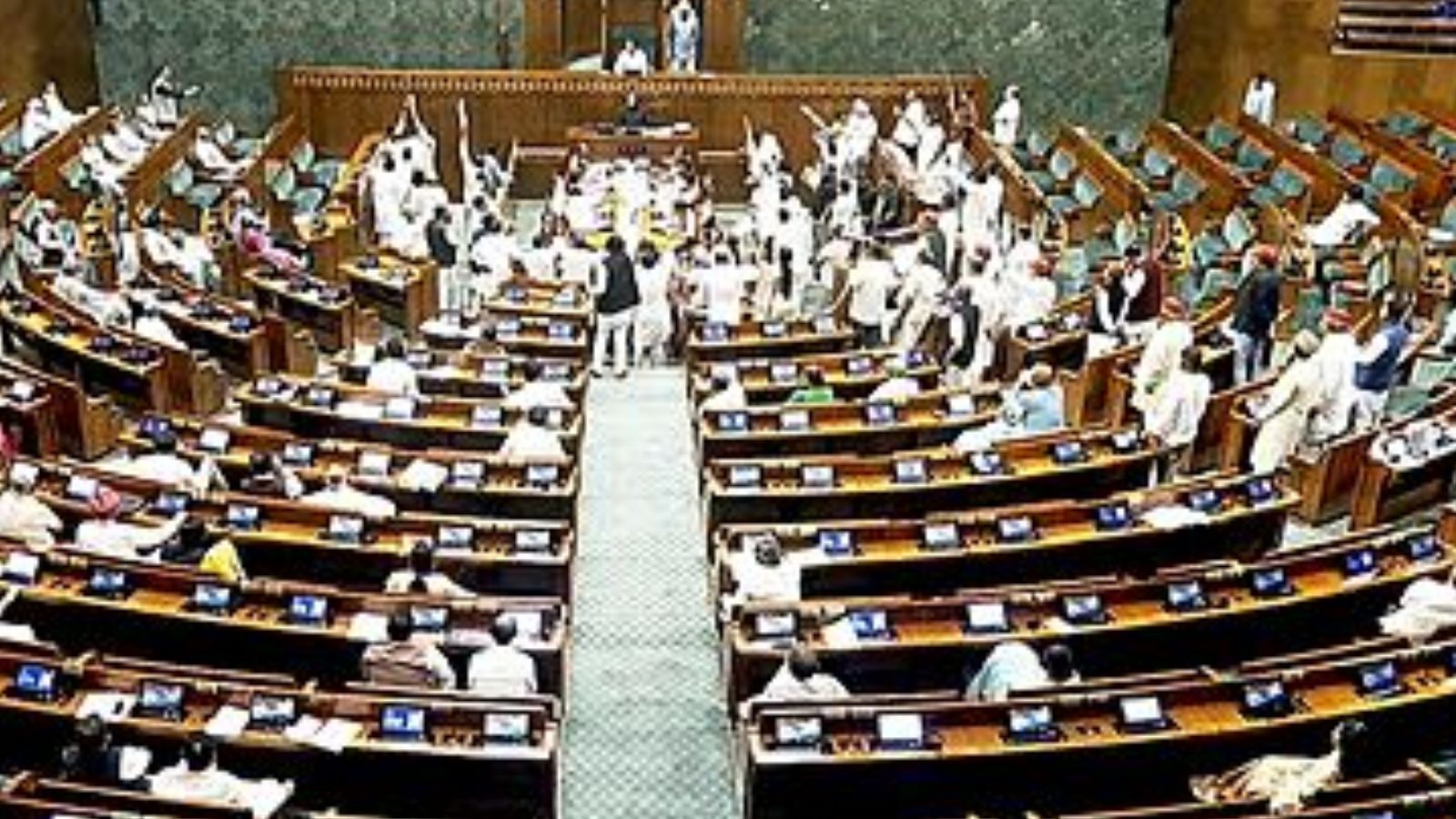
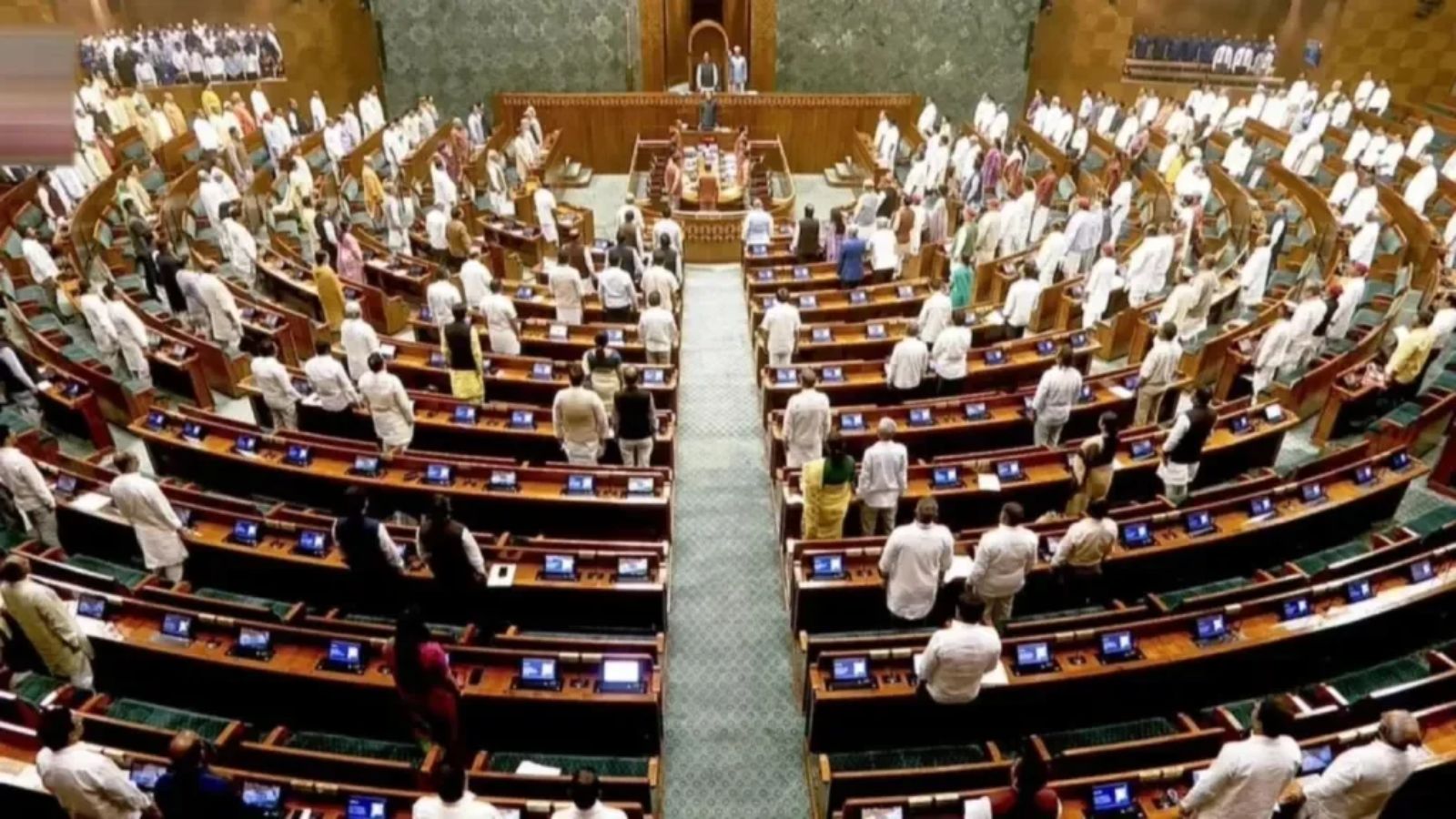
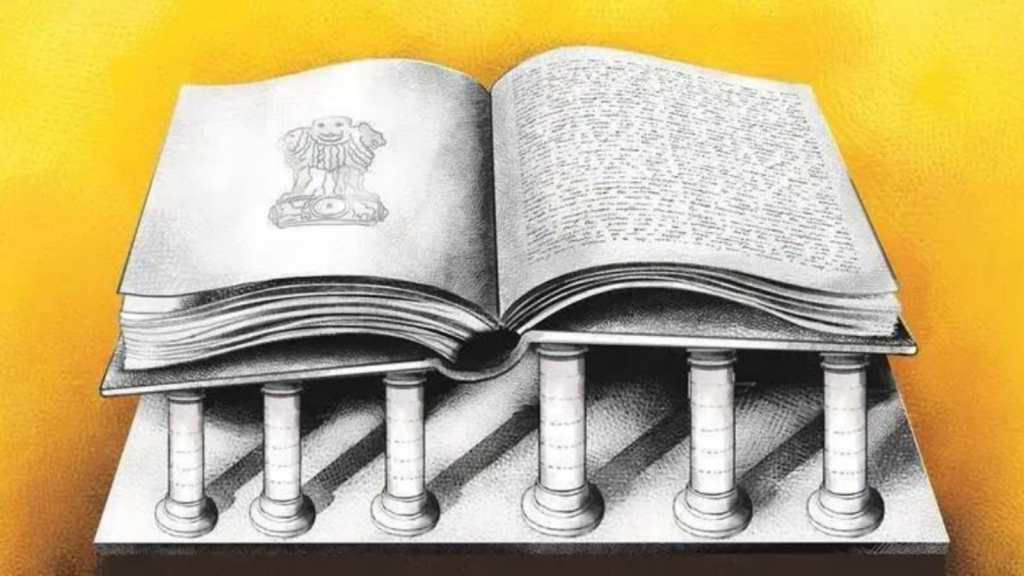
As Parliament reconvenes on November 30 for a special session, it is set to revive, arguably, two of the most significant pieces of legislation in recent history: Delimitation and the legislation on women’s political representation. Both, despite all the political whataboutery, are urgent: One addresses the issue of unequal representation of citizens across constituencies, and the other, the persistent exclusion of women from legislatures. Prime Minister Narendra Modi must be lauded for putting his weight behind women’s reservation before the 2029 general elections. And, as Bharatiyas, we must avoid thinking in the binaries of North vs South or ruling vs opposition parties.
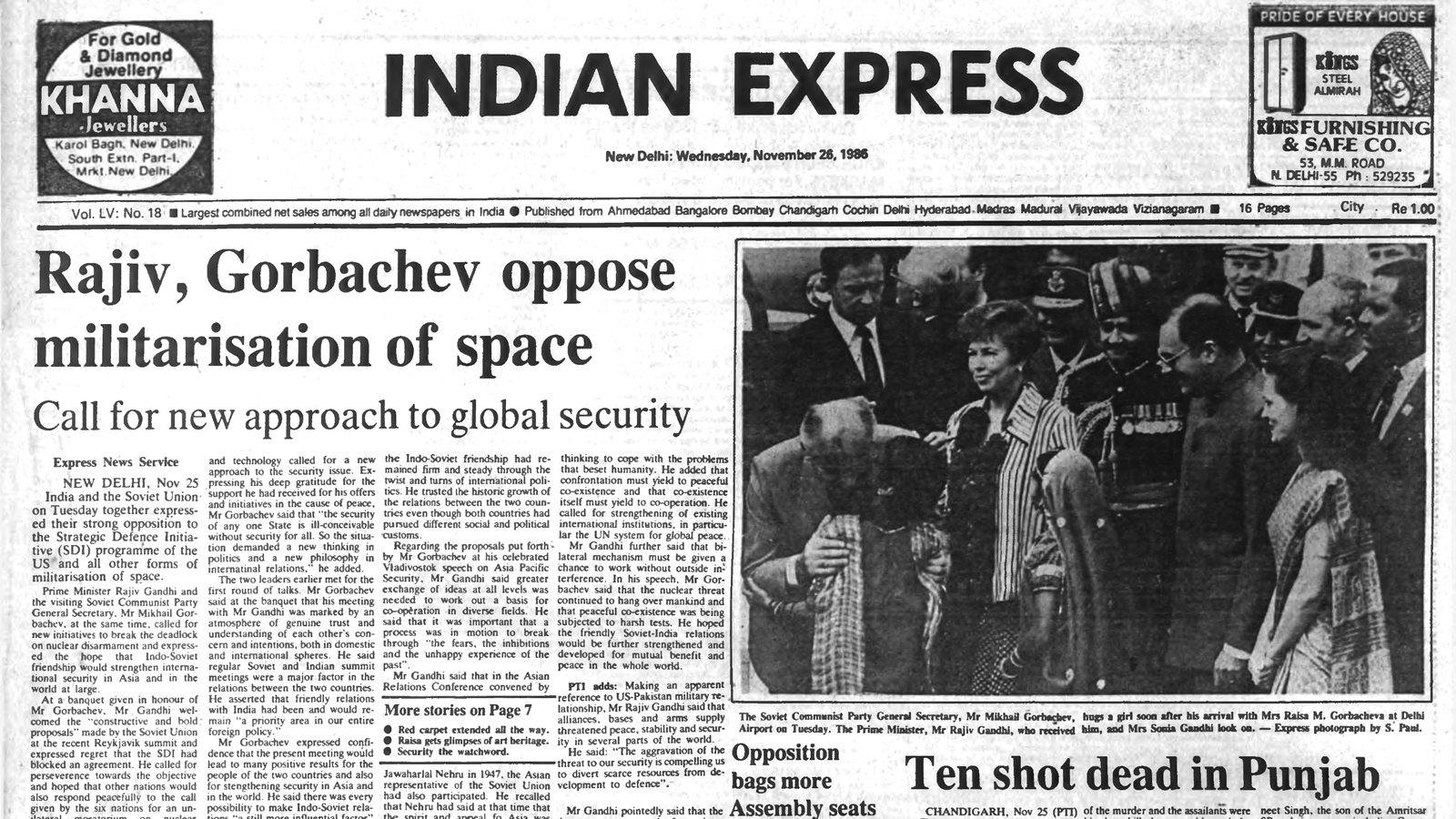
While preparing for the first election in 1951-52, the Election Commission faced a peculiar issue. Women in many places, as was customary, did not disclose their original names and were known by the relationship they had with their male relative (“wife of”, “daughter of”). For several decades post-Independence, women’s empowerment and agency were terms reserved for academic discourse, despite India having a woman head of government relatively soon after Independence.
Cut to 2019. The country saw a 67.18 per cent women voter turnout, which was higher than the male turnout. Some states counted more women than men in their electoral rolls. The current delimitation exercise and giving effect to the 106th Constitutional Amendment — one-third reservation for women lawmakers in state legislatures and Parliament — is a final push to make women not mere constituents but also active participants in law-making.
As it stands, the 131st Constitutional Amendment Bill provides for an increase in Lok Sabha seats to 815 (plus 35 seats for UTs). It will provide for women’s reservation immediately after delimitation, instead of waiting for the next census. The bills will in all likelihood incorporate assurances given to the southern states. Contrary to some political statements, delimitation is an essential part of any functioning democracy. It provides for fair and equitable representation, ensuring that each vote has the same weight. The process is essential for ensuring that each constituency has a roughly equal population.
The more important transformative aspect of the present debate is the question of women’s representation. In 2023, the Modi government secured the passage of the 106th Constitutional Amendment Act. It was popularly known as the Nari Shakti Vandan Adhiniyam. The name reflects the spirit of women’s empowerment by recognising their potential and giving them parity with men in the country. In the words of Iris Young, this enhanced presence of women enhances the democratic legitimacy of the institutions. Thus, women’s representation will bring about the long-awaited corrective action to their structural exclusion.
India’s experience with women’s reservation in Panchayati Raj tells us why this representation matters. Economists Raghabendra Chattopadhyay and Esther Duflo showed through their research that reserved leadership positions for women also influence the political economy of the village and positively affect the allocation of public goods. Thus, women’s entry into Parliament is a step towards a more inclusive, accommodative, and just democracy.
Where delimitation seeks to provide equality of representation, women’s reservation will not only provide equity to the largest constituency in India but also correct the historical wrong of marginalising the nari shakti of this country. Delimitation will become an instrument of democratic redistribution whose benefits will be reaped by future generations, especially Gen Z women. It can bring India’s representative institutions closer to the constitutional promise of substantive equality. We must stand behind and support this watershed moment.
The writer is associate professor, Dr Ambedkar International Centre