

Where have all the children’s films gone?
Across major markets, children’s and family films remain among the most reliable performers in theatres and on streaming platforms. What has weakened is the ecosystem for developing, distributing, and exhibiting them
Indian children have never had more screens competing for their attention. Yet in the world’s most prolific film-producing nation, few movies are made specifically for them. Paradoxically, children are everywhere in Indian cinema — as symbols of innocence, subjects of anxiety, or catalysts for adult transformation. But much rarer are films that allow children to be protagonists of their own stories, with their own ways of seeing the world.
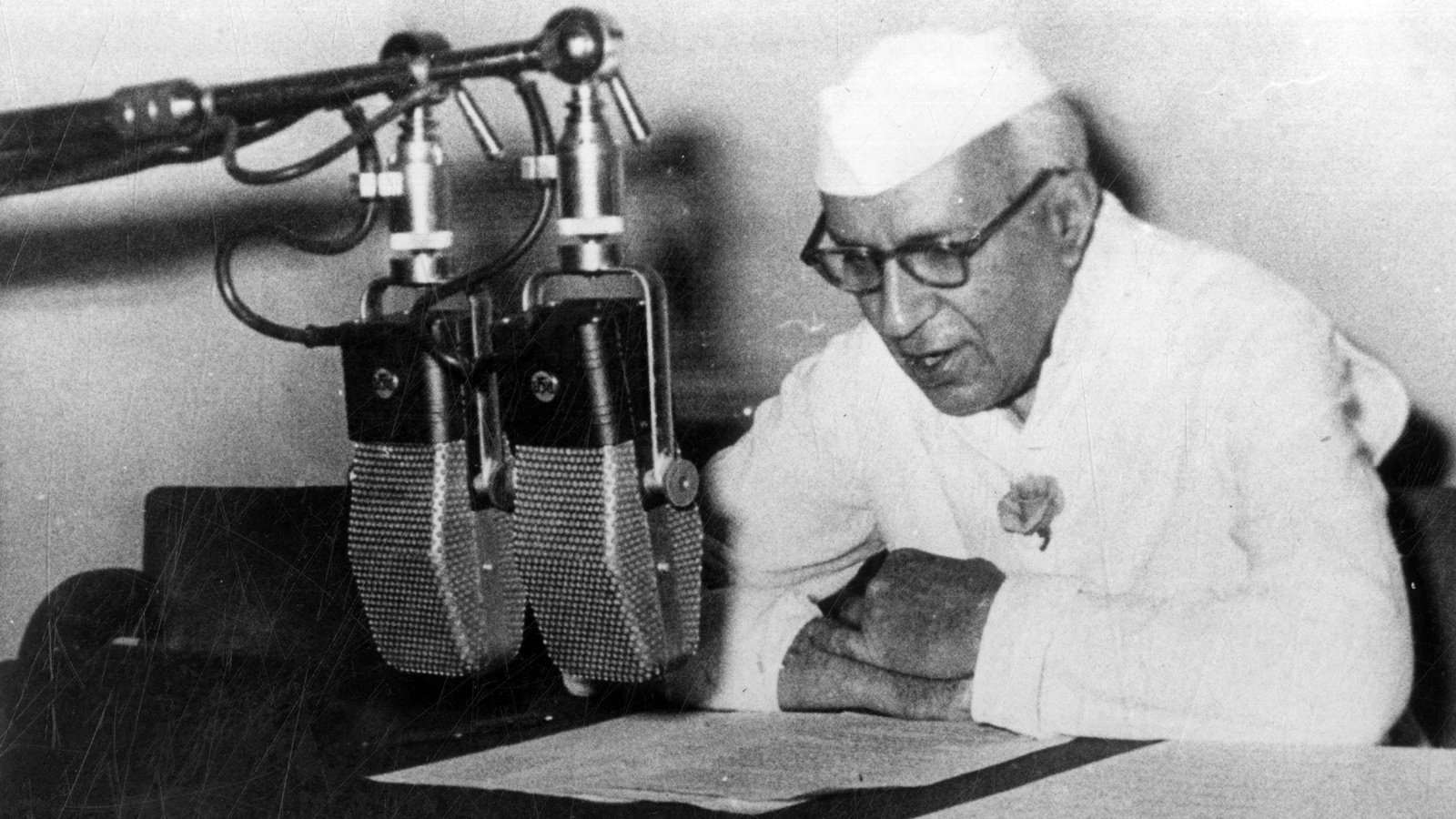
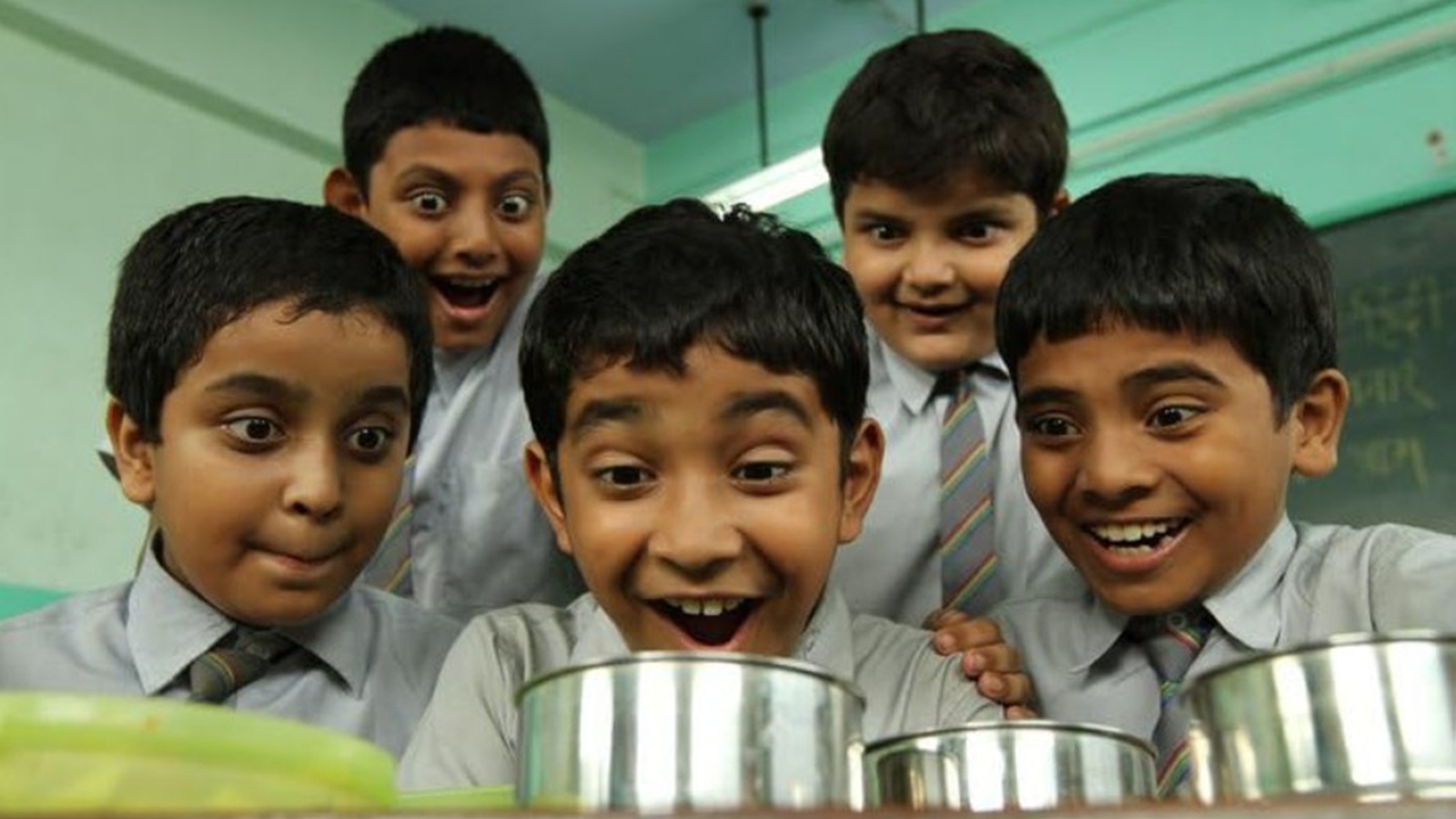
The neglect is not historical. In 1955, eight years after Independence, the Children’s Film Society, India (CFSI) was launched. The first film it produced, Jaldeep (1956), won the Best Children’s Film prize at the Venice Film Festival in 1957. Over the next decades, it produced more than 250 films, documentaries, animation and puppet films in Indian languages, while organising subsidised screenings across the country. A young republic, struggling with food shortages and with industrial ambitions, found the bandwidth to worry about what its children watched. Strikingly, some of India’s finest filmmakers chose to make them. Satyajit Ray’s Goopy Gyne Bagha Byne, Sai Paranjpye’s Jadu Ka Shankh, and later films like Halo, The Blue Umbrella, Makdee, I Am Kalam and Stanley Ka Dabba treated children as audiences worthy of complexity and artistic ambition.
The decline of that ecosystem was gradual. Following the merger of CFSI into larger institutional structures in 2022, children’s cinema lost one of its few dedicated champions. Producers argue that children’s films are commercially difficult, that they rarely guarantee blockbuster returns. Those concerns are not entirely unfounded. But such a risk alone cannot explain the neglect. The industry invests crores in franchise launches and star vehicles whose success is far from guaranteed. Children’s cinema, in contrast, is rarely given such opportunities.
Audience behaviour tells a different story. Across major markets, children’s and family films are among the most reliable performers in theatres and on streaming platforms. What has weakened is the ecosystem for developing, distributing and exhibiting them. Yet creativity has persisted. Some of the most significant work in children’s cinema is emerging from regional industries. This year, the Manipuri film Boong, directed by Lakshmipriya Devi, became the first Indian film to win the BAFTA award for Best Children’s and Family Film. Before that, Naal 2 and Sumi (Marathi), Gandhi & Co. (Gujarati), Momo in Dubai (Malayalam), and Kundan Satti (Tamil) demonstrated the richness of stories told through the eyes of children. Yet most of them circulated through festivals and limited screenings, struggling to secure theatrical release or sustained distribution.
The gap is particularly striking in animation. India is a global hub for animation, VFX and digital production, yet it has produced few original animated works. While countries such as Japan have built enduring institutions like Studio Ghibli, India’s animation success remains largely measured in services rendered rather than stories created.
Filmmaker Hrishikesh Mukherjee once warned that without good children’s films, the future of adult cinema would be bleak. Nearly 430 million Indians are below the age of 18. India often speaks of this demographic dividend and its aspiration to become a global storytelling power. Those ambitions will ring hollow if one of the world’s largest child populations continues to inherit a film culture with so little to say to them.
The writer is assistant film research officer, FTII, Pune. Views are personal