

In West Bengal and beyond, elections are being demonetised. Why don’t we care more?
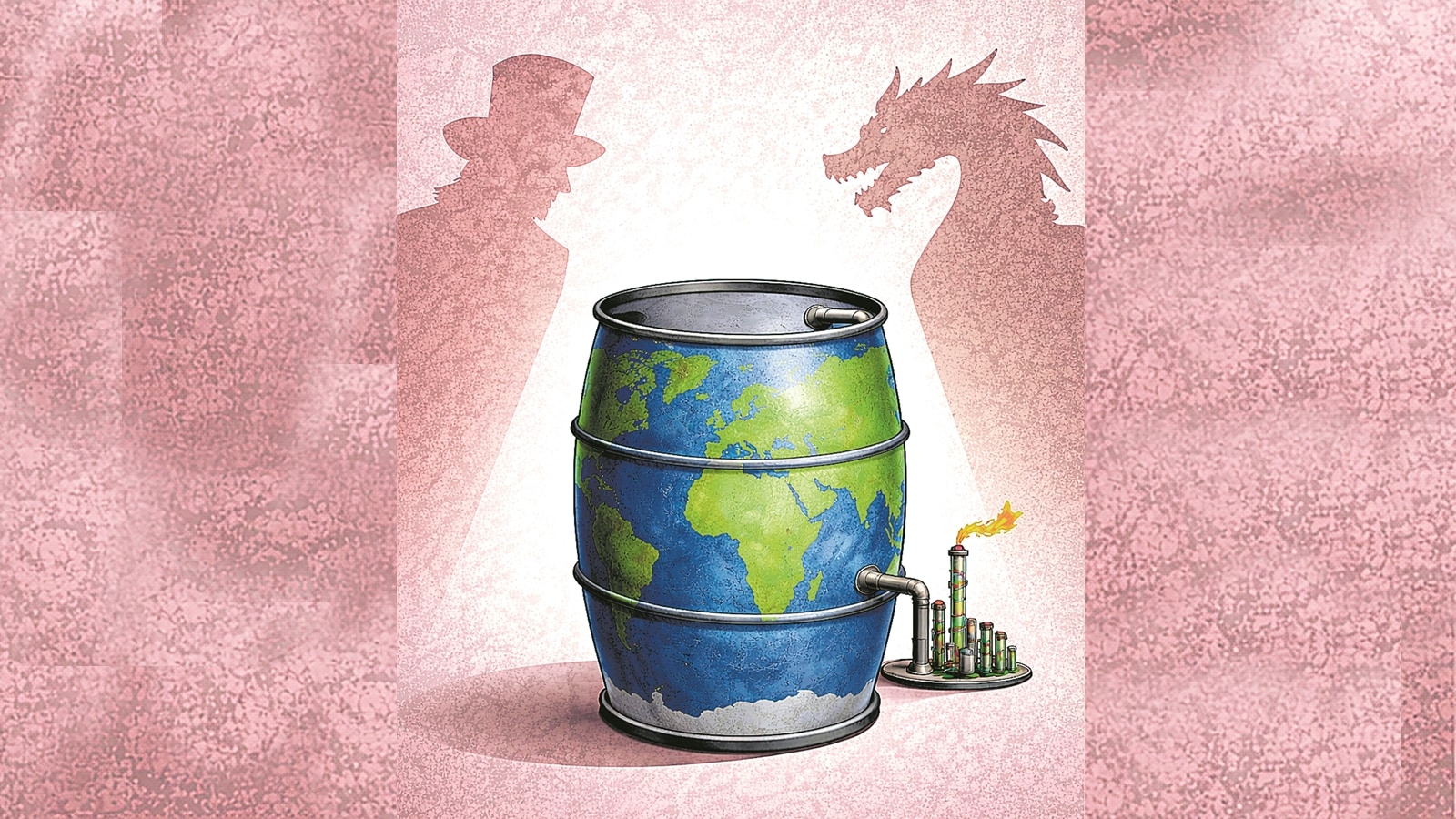
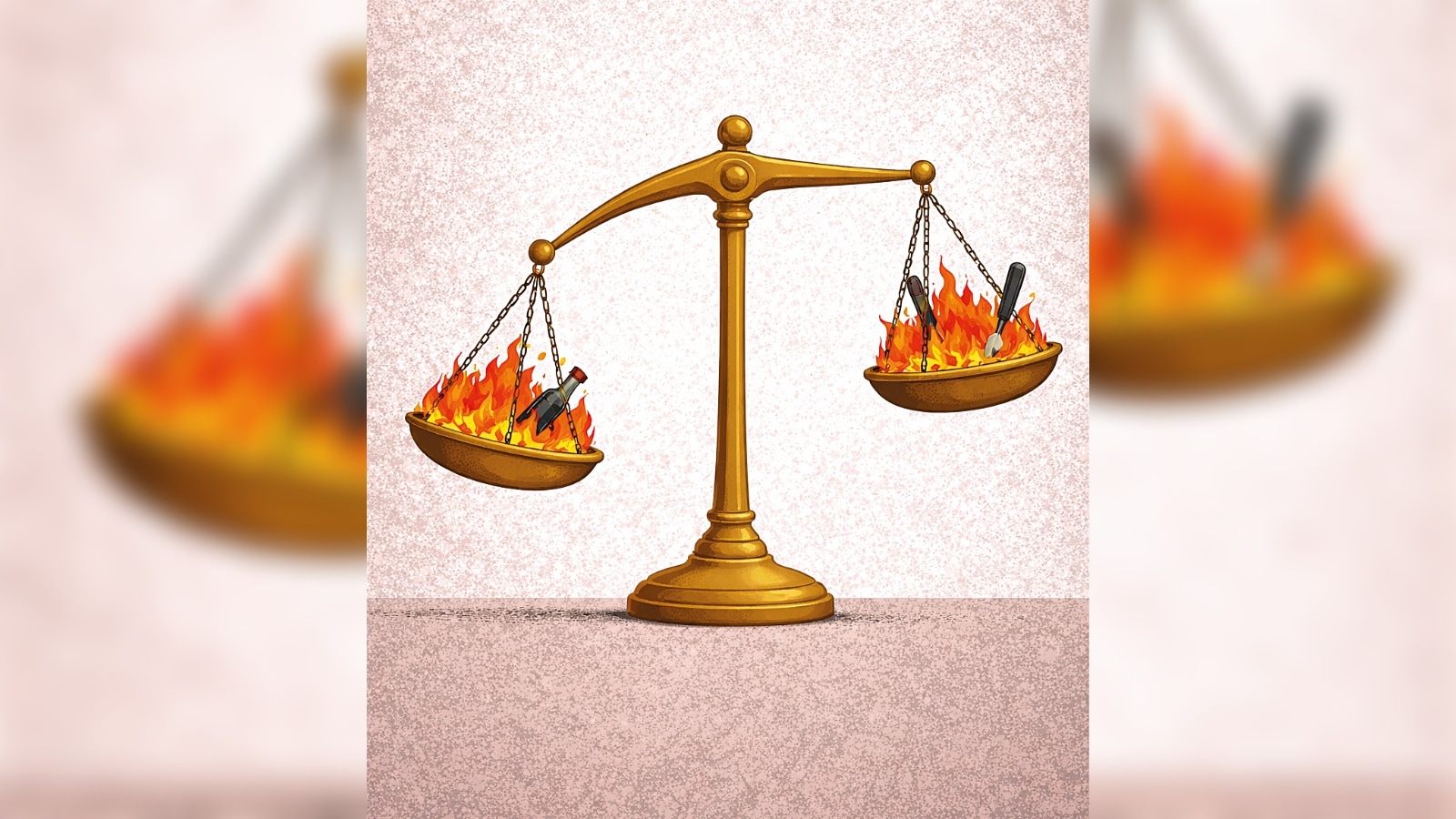
Like frogs in the proverbial boiling pot, our political consciousness and conscience have been slowly whittled away, turning us into subjects. The SIR is just the latest, and arguably the most egregious, in a series of exercises meant to achieve this docility
Older millennials are perhaps the youngest among Indians who remember a time before UPI, before handy debit cards, before ATMs, and even before drop boxes for depositing cheques. They will remember, perhaps fondly, going to the bank with a parent or grandparent, getting a token, and waiting in line for what are now the simplest of transactions done at the press of a few buttons on a phone. Many may also recall, though less fondly, getting to the passport office at the crack of dawn — perhaps paying a tout to expedite matters — and standing in line for hours on end, hoping to make it to the counter.
That time, we thought naively, had passed. Aadhaar, self-attestation, digital “true” copies, online submissions — a combination of technological breakthroughs and governance reforms made life more “contactless” and a little less difficult. But look closer at the current moment in West Bengal — before that, Bihar, and soon all of India — and the tribulations caused by the SIR exercise, and it’s clear that for all the talk of “sabka vishwas”, the burdens on citizens eased by the reforms of the last 35 years have been undone in crucial ways.
As politician and psephologist Yogendra Yadav and others have consistently argued in these pages and elsewhere, the SIR — coupled with delimitation and, before that, the CAA and NRC — threatens to alter both the nature of citizenship and, for some, even the legitimacy of elections. But if the stakes are indeed so high, why haven’t India’s youth — over 800 million under 35 — who never witnessed Licence Raj, or the Emergency, and have mostly come of age under the current regime, not protested more?
There isn’t a simple answer to this question. But the relative docility of the voter in the face of, at best, disruption and at worst erasure has two likely explanations.
First, the now-perennial cynical and simplistic excuse of the “majoritarian” mindset. The BJP, in this understanding, taps into those in its vote base who endorse — tacitly or otherwise— that minorities “need to be shown their place.” This translates to silence in the face of increasing discrimination against and subjugation of the other, especially Muslims. For this end, they are willing to undergo some minor “inconvenience” in the short term. Result: minority rights, in particular, and individual rights, in general, with dignity have been delinked from the more “mainstream” political conversation. For this, at least part of the blame also lies beyond the ruling party. Look at how the larger Opposition, too, frames its counter on these issues.
Another possible explanation relies on more than just electoral politics as a barometer for how citizens see their government and, equally important, how the government has changed citizens. Like frogs in the proverbial boiling pot, our political consciousness and conscience have been slowly whittled away, turning us into subjects. The SIR is just the latest, and arguably the most egregious, in a series of exercises meant to achieve this docility.
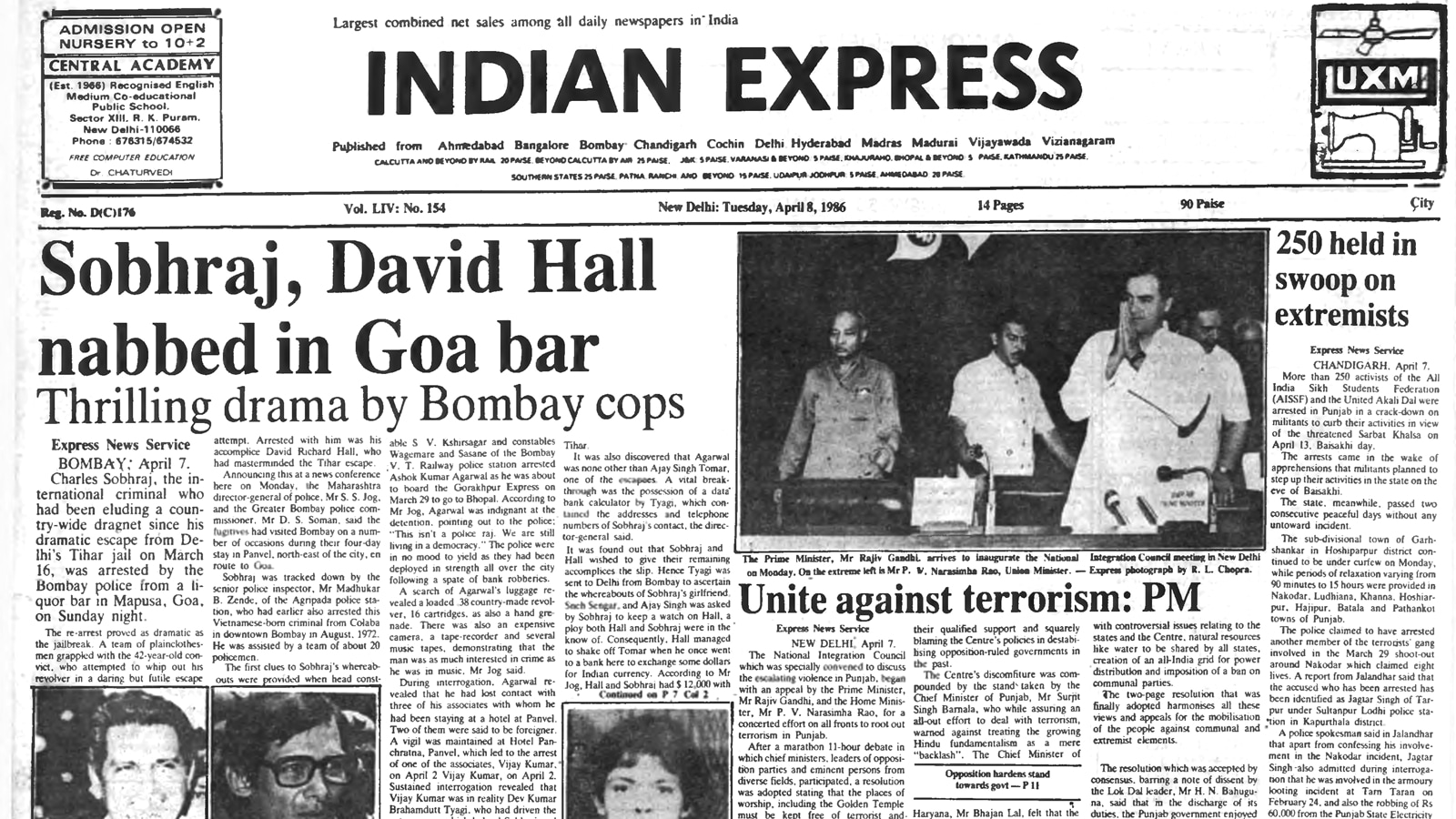
The first time Indians were asked en masse to ignore the government breaking a promise, as it made what had hitherto been a routine exercise into a national disruption, was on November 8, 2016. On what should have been an unremarkable Tuesday, we were told that the promise on over 85 per cent of what was, until that day, legal tender would not be honoured. Economies, jobs, and payments were disrupted. Millions stood in line, hoping to get their own money. Some died. The stated objectives kept changing — ending terrorism, ending black money, ensuring a cashless economy. None were achieved (Dhurandhar is neither a documentary nor credible evidence). Nearly all the currency demonetised was deposited in banks (so no brahmastra against black money), terrorism did not end, and the percentage of cash soon returned to pre-demonetisation levels.
Sacrifice, we were told, was our duty. And the institution(s) responsible for currency, for keeping the economy stable beyond the whims of a ruling party with a substantial majority, failed to fulfil their function in a moment of crisis.
The question that was never answered: What, then, was all the sacrifice for? The answer is simple, even if no one in power said it. It was a test for citizens, an end in itself. The legal right to our own money, the message went out, could be curtailed without either an institutional or popular backlash. The BJP’s victory in the 2017 UP elections seemed, for many, to vindicate demonetisation.
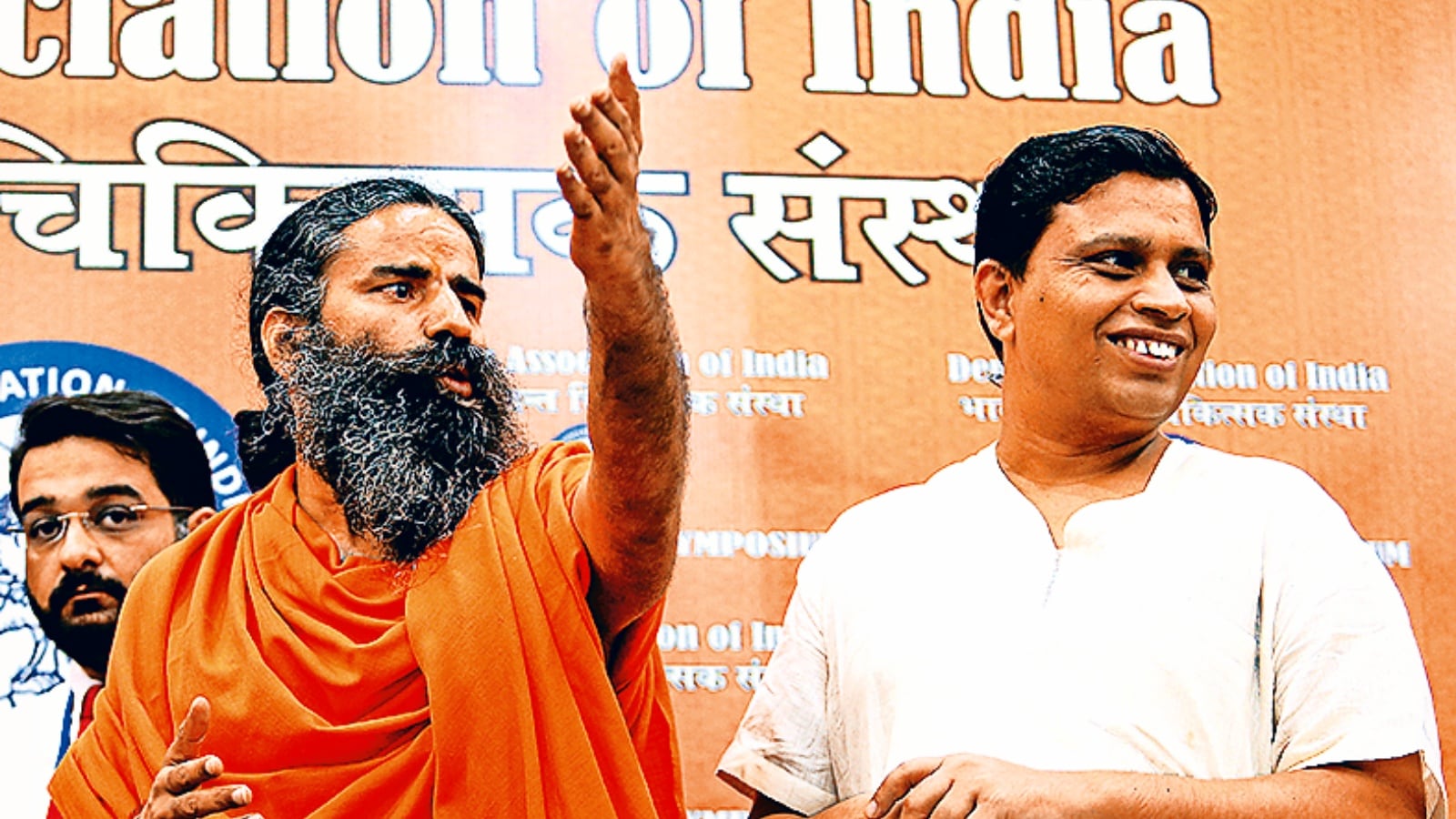
There was a soft launch before the social contract was breached for a second time. Three days before the national lockdown was announced in 2020, people across the country banged plates and utensils to chase away Covid-19, and science lost its temper. Soon, millions of migrant workers were forced to walk home, their injury and indignity on a scale that defied recent memory. Quack cures were sold by companies whose “spiritual” leaders are seen as close to the ruling dispensation. The right to work and live in any part of India, of movement, lay on the side of the highways where migrant workers marched.
Later, we saw that documentation and technology, coupled with state capacity could also be used for good: India pulled off the largest free vaccination drive in the world. Clearly, when it can claim credit, or cannot divide, the government can do what it is meant to. And do it well.
Unlike with demonetisation, the bogey during the pandemic was real. As was a lack of infrastructure and medical care in many parts of the country. Perhaps the government truly did what it thought was best, and its mistakes were in good faith. Why, then, has there never been an apology? Or a single officer or minister held accountable for what happened then? Because, for all the talk of Jan Vishwas, we now live in a time where the government and ruling forces do not trust others in the system, whether Opposition MPs or even citizens.
It was not always so.
In the aftermath of the Second Five-Year Plan, questions were raised in Parliament and beyond about whether industrial growth had been too concentrated in a few industrial houses and if citizens at large benefited from the government’s policy. That government too had a comfortable majority. Yet, it knew that objections were raised in good faith, and the Industrial Licensing Committee report that followed was, in many ways, an indictment of the plan.
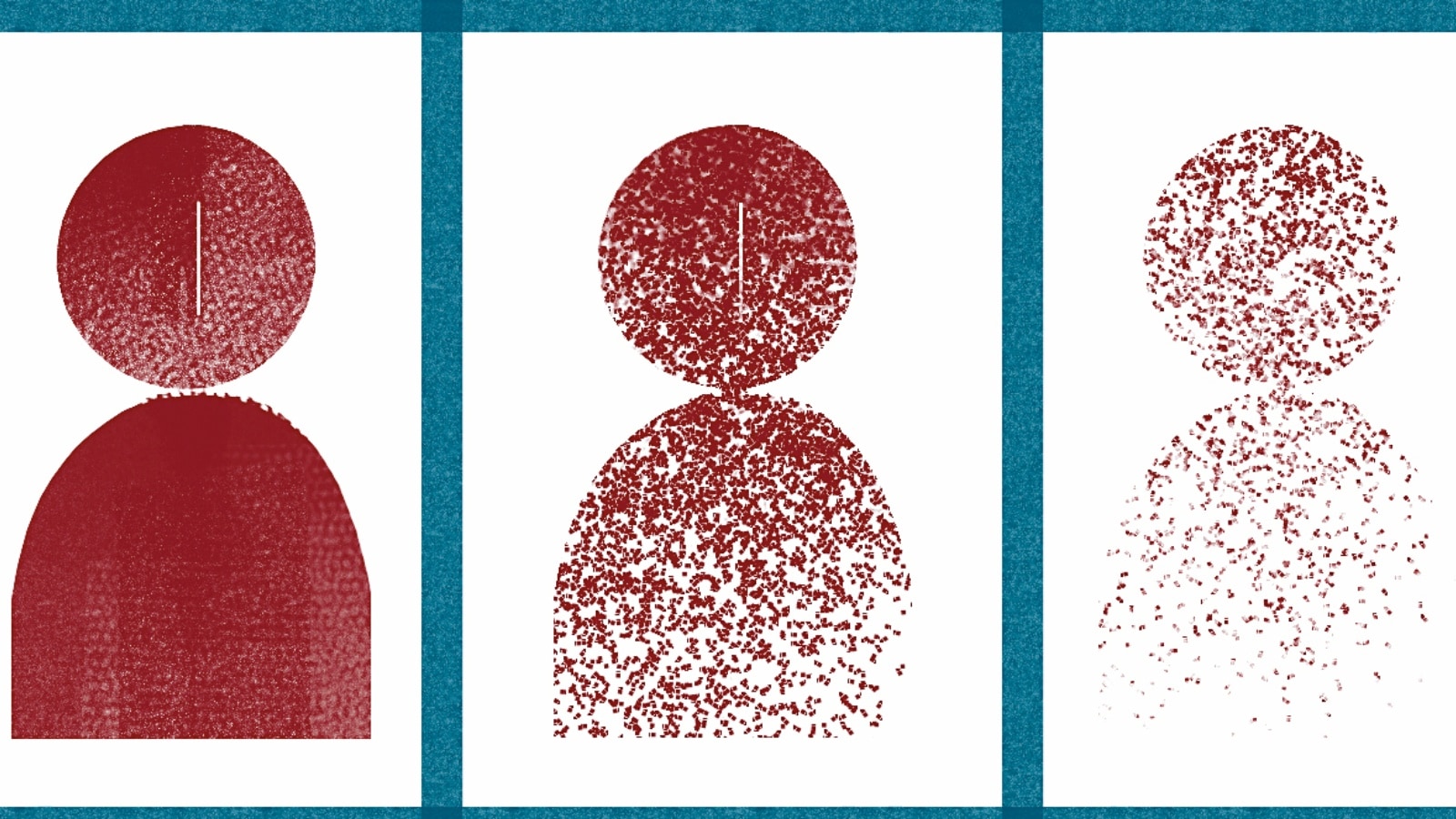
That was then. Now, the most basic act of political trust — of letting the voter vote and heeding her voice — is being eroded. If there are indeed “fake voters”, it is not the responsibility or burden of real voters to weed them out.
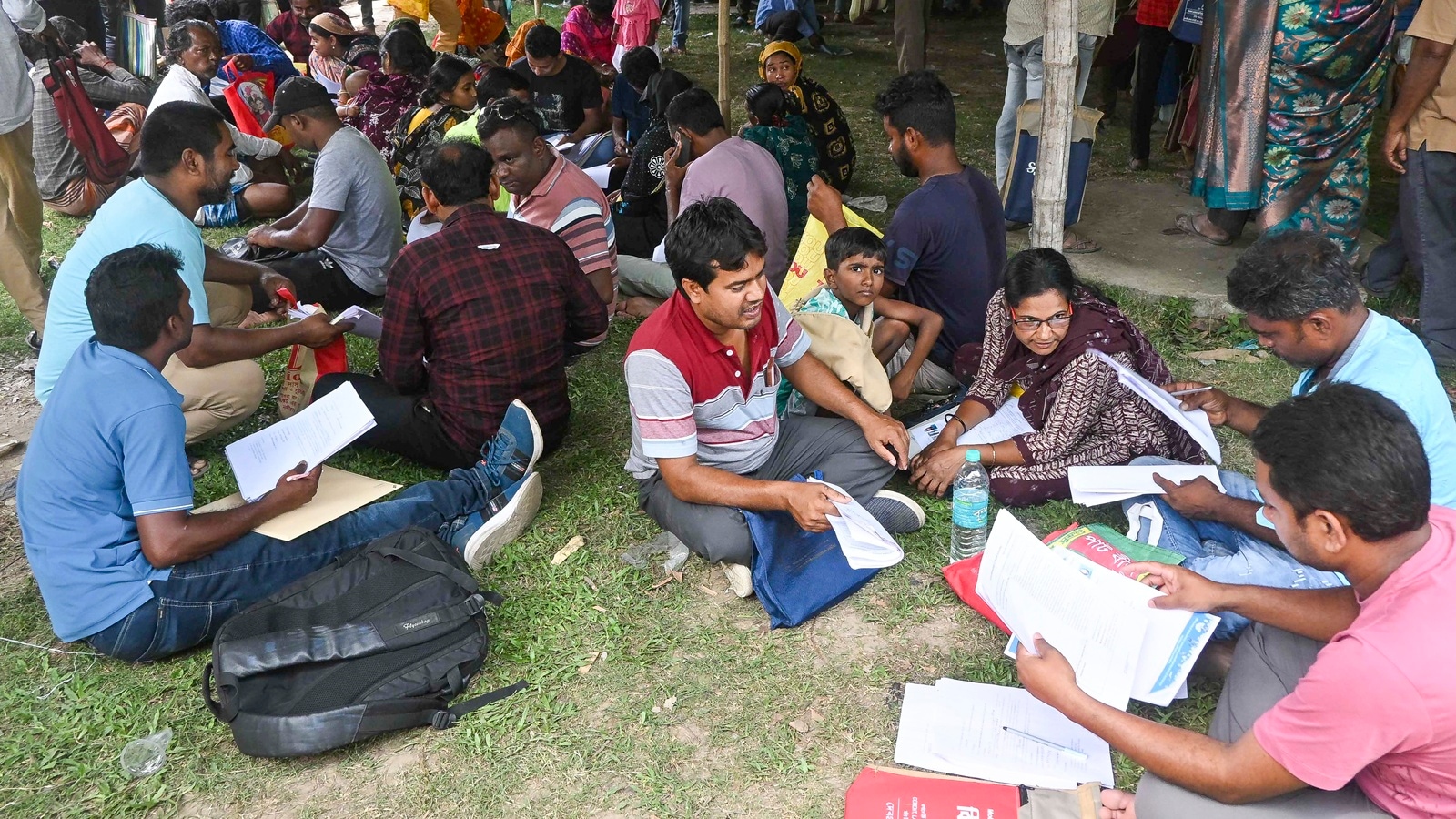
What used to be a routine exercise — revising electoral rolls — that placed much of the burden on the state has become, for lakhs in Bengal, a desperate bid to retain their vote, their stake in the system. The principle of democracy, of one person, one vote, animates both India’s Constitution and its politics as a whole. So far, the institution responsible for ensuring that right — the Election Commission — has been found wanting.
Unless this slide is arrested, the Indian election may well be demonetised. And, we may all be asking for tokens and standing in line to be counted.
The writer is deputy associate editor, The Indian Express. [email protected]