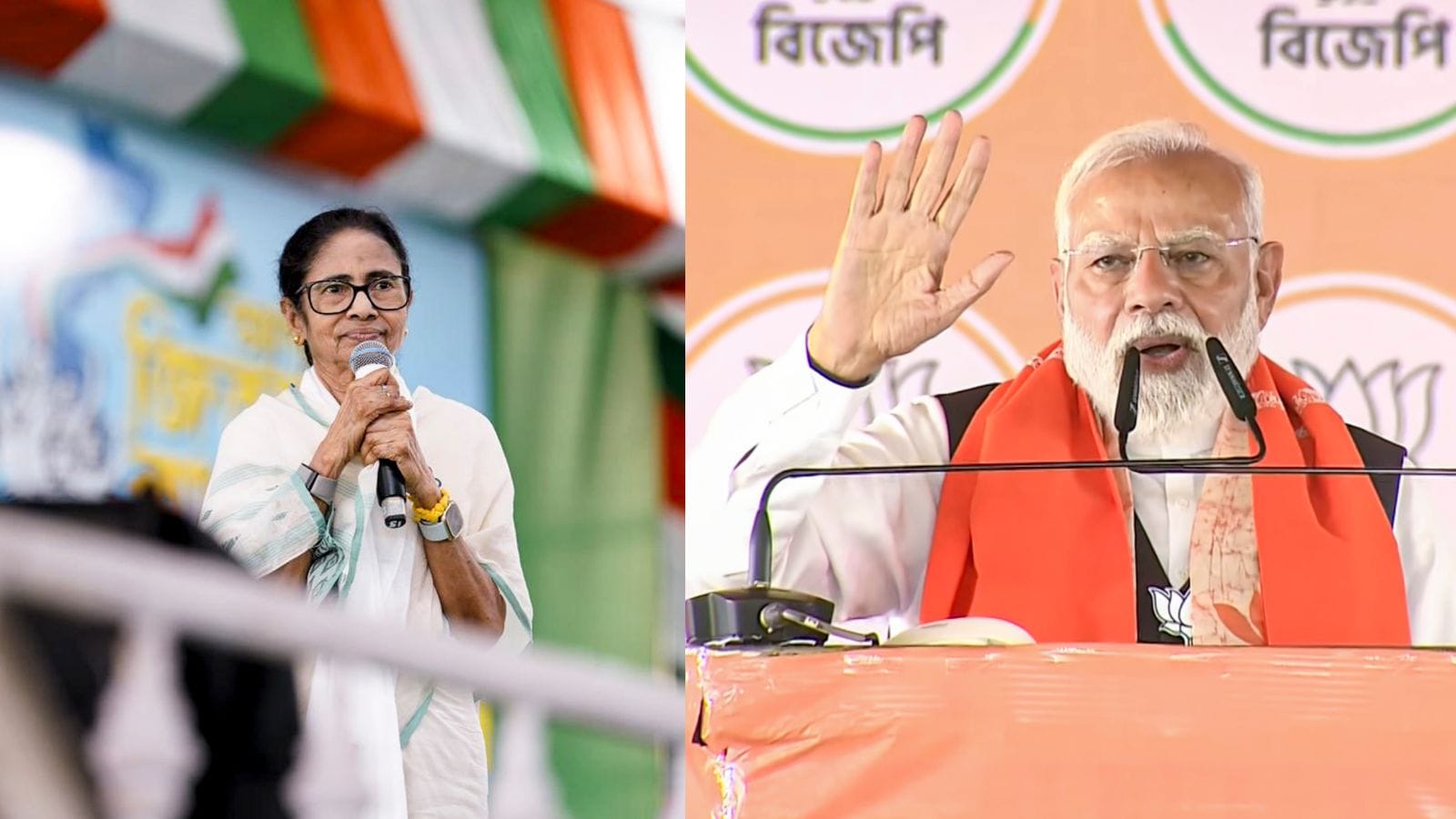


In poll promises, BJP and TMC agree on a lot. The difference is in what they emphasise as ‘Bengali culture’
While the two parties increasingly share a policy direction — even when emphasis differs — on welfare, infrastructure, agriculture, women, labour and growth, they continue to differ sharply on minority provisions, the administration of caste identity and whose cultural story Bengal is being asked to tell
By Abhishek Priyadarshi and Ajit Phadnis
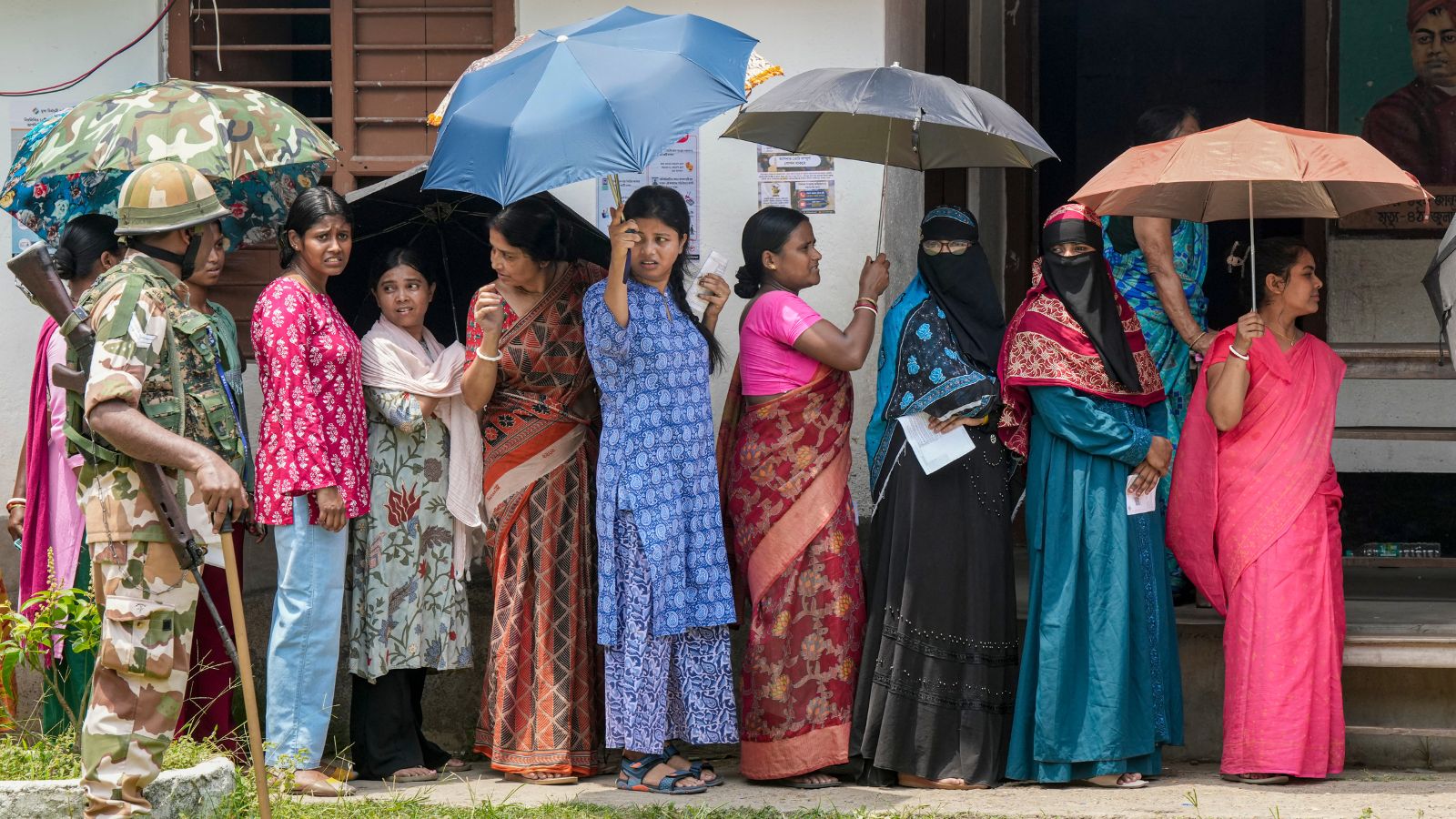
In West Bengal, 152 of 294 constituencies have already voted, and the rest will do so on April 29. An analysis of party manifestos reveals that voters have a choice between parties that largely agree on policy direction but differ sharply on whose cultural story Bengal is being asked to tell.
State elections in India have traditionally revolved around local issues. The political atmosphere in West Bengal echoes themes of national politics, even as both the Trinamool Congress and the Bharatiya Janata Party seek to reflect the state’s regional ethos.
To explore this, we draw on a framework from our earlier article in the Economic and Political Weekly. The BJP and TMC manifestos reflect a pattern of competitive bidding: TMC’s financial support of Rs 1,500 to women, Rs 1,500 to unemployed youth, Rs 4,000 to landless agricultural labour and Rs 2,500 for paddy procurement is matched by the BJP’s monthly support of Rs 3,000 to women, Rs 3,000 to youth, Rs 9,000 to farmers and Rs 3,100 for rice. The incumbent sets a number; the challenger raises it.
On economic growth, the BJP envisions a “Viksit West Bengal” while the TMC pledges “Rs 40 lakh crore economy in the next 5 years”. On labour protection, both parties commit to the 7th Pay Commission, with the BJP assuring “land ownership to tea garden workers”, while the TMC raises their minimum wage “from Rs 250 to Rs 300 per day”. Emphasis on environmental protection is similar, with parallel commitments to wetland conservation, mangrove restoration and biodiversity. Across these domains, the two manifestos are not ideological battlegrounds; they are a shared vocabulary.
On some issues, the parties give similar emphasis but hold different positions. Culture is one such issue. BJP’s cultural promises locate Bengal within a pan-Indian civilisational frame — “Vande Mataram Museum”, a “Shaktipeeth circuit”, “Chaitanya Mahaprabhu Spiritual Circuit” placed within “Bhakti Movement”, and Tagore’s works to be propagated “nationally and globally”. TMC’s cultural promises frame Bengal as a self-contained cultural inheritance — “curriculum on the glorious history of Bengal”, a fund to “Promote Bangla as the most AI-ready Indian language”, and a “cinema archive and restoration centre” in honour of Ritwik Ghatak.
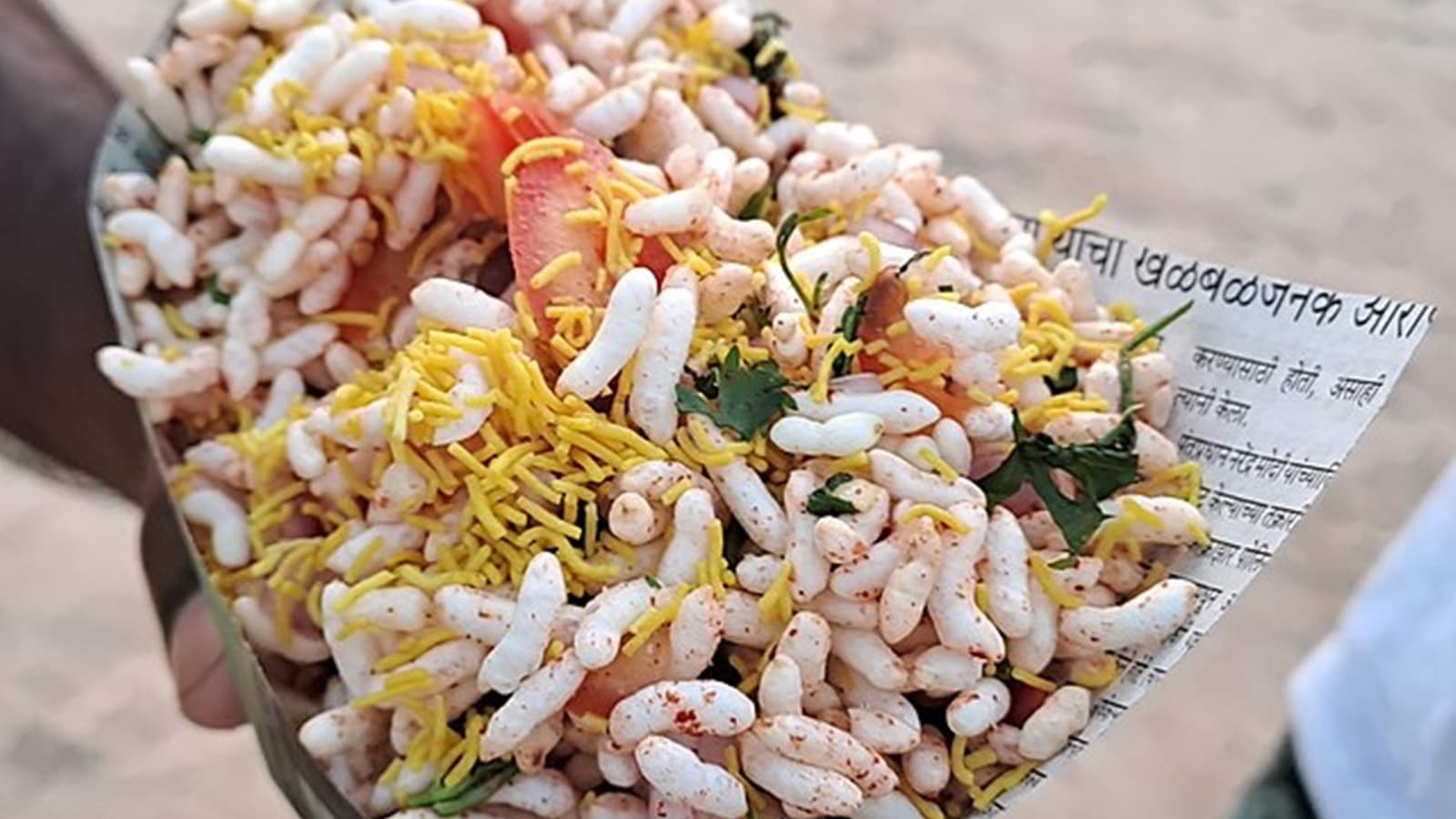
Even Bengal’s food becomes a cultural marker in both manifestos, but through different registers — the BJP promotes “Bengal’s iconic sweets as a global cultural and culinary brand” while the TMC invokes Bengal’s “deep-rooted cultural connection with the Hilsa fish”. There are also converging areas in regional embeddedness itself: Bangla nomenclature extensively used by both parties, for instance, the BJP uses terms like “Arthanitir Unnoti”, while the TMC uses “Budget-e Krishi, Krishaker Hashi”; both parties honour Thakur Panchanan Barma and commit to including Rajbanshi and Kurmali in the Eighth Schedule. What differs is not whether Bengal’s cultural space is a political priority, but the political project it is drawn into — a national civilisational consciousness on one side, a regional cultural assertion on the other.
On some issues, both parties take similar positions but differ in emphasis. Welfare is one such cluster. BJP has, in its national manifestos, placed considerable emphasis on welfare — often matching the scale at which opposition parties foreground it. In Bengal, the pattern shifts. TMC, as incumbent, commits extensively across multiple welfare sub-domains such as tap-water connection, housing support, universal food-security, and doorstep healthcare. BJP engages through a narrower set, often by way of promising “transparent and free, fair implementation” of central schemes such as Pradhan Mantri Awas Yojana. On elderly welfare, both parties align — the BJP promising “double financial assistance for widows, senior citizens, persons with disabilities”, and the TMC committing to “Old Age Pension support”. On education, the BJP commits more space while positions align: Covering school transformation and teacher-student ratios, while the TMC promises Model Schools and AI labs in higher secondary schools.
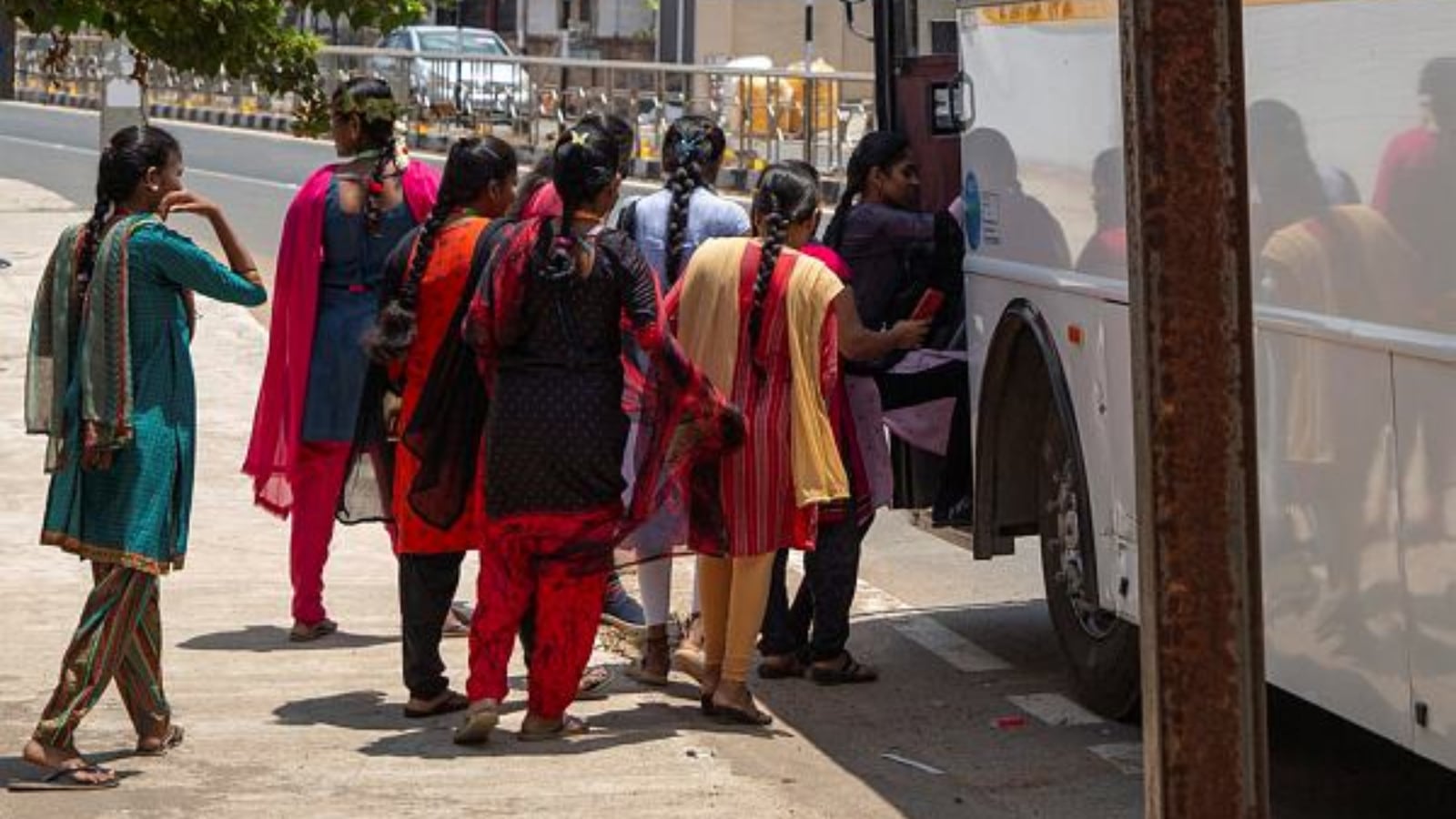
Women emerge as one of the most emphasised groups, with the BJP giving women noticeably more space than the TMC. Positions, however, largely align. Both frame women as recipients of direct cash transfer — BJP’s “Rs 3,000 monthly financial support” and TMC’s Lakshmir Bhandar increase. Both extend women’s welfare into policing — the BJP promises “Durga Surokha Squads”, while the TMC promises “Pink Booths”. One asymmetry is worth observing — the BJP commits to “33 per cent reservation for women in all state government jobs, including the police forces”, while the TMC has no equivalent promise. This extends the language of affirmative action to women, a pattern the BJP has also followed at the national level.
For some issues, such as social justice and minority provisions, the parties differ both in emphasis and in positions. On social justice, the BJP gives the subject limited space — “equitable development and fair representation” for SCs, STs and OBCs and a “Tribal University”. TMC dedicates an entire section to SC, ST and OBC welfare, including a “Taposhili Assistance Cell”, examining “OBC A and B categorisation” grievances, and seeking “ST recognition of the Mahato community and Kisan Jatis”. Regarding minority provisions, TMC promises the use of “Waqf properties for community welfare”, new courses at Aliah University, and enhanced honorarium to Purohits and Muezzins. BJP’s sole promise here is citizenship for “all Hindu refugees”, alongside “strict laws against ‘love jihad’ and ‘land jihad'”.
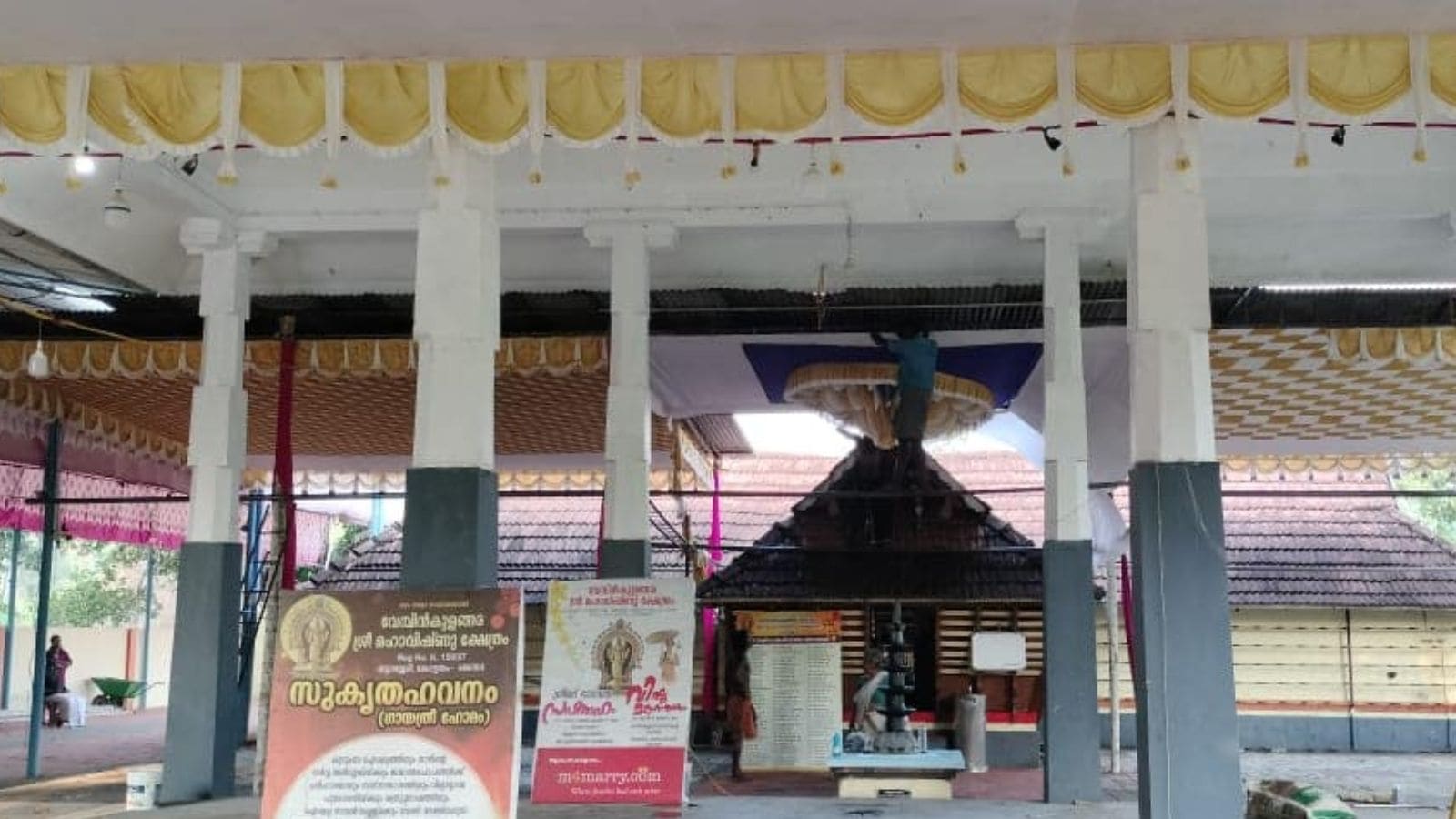
TMC’s treatment of religious sites and circuits signals a recalibration of the pattern where Hindu civilisational themes have been a consistent site of BJP differentiation. Alongside its regional-cultural frame, TMC commits to major Hindu religious infrastructure investments — “Jagannath Dham in Digha”, “Mahakal Temple” and “Shiv-Shakti, Vaishnav and Buddhist circuits”. What the Bengal election now presents is a contest where a national party is adopting regional expressions and a regional party is drawing on a cultural register typically owned by its challenger.
While the two parties increasingly share a policy direction — even when emphasis differs — on welfare, infrastructure, agriculture, women, labour and growth, they continue to differ sharply on minority provisions, the administration of caste identity, the terminology of law and order, and whose cultural story Bengal is being asked to tell. The underlying question this presents to the Bengal voter is whether to prioritise a regional narrative once again, or to seek change through a regional expression of a national one. These are the two stark choices now visible on the eve of the West Bengal elections.
Abhishek Priyadarshi is a PhD Candidate, and Ajit Phadnis is a faculty member with the Humanities and Social Sciences Area at the Indian Institute of Management Indore