

Turns out, women were also hunters and warriors
How are perceptions of male-female domains, capabilities and sexual division of labour formed? The arguments tend to go far back to the hunter-gatherers
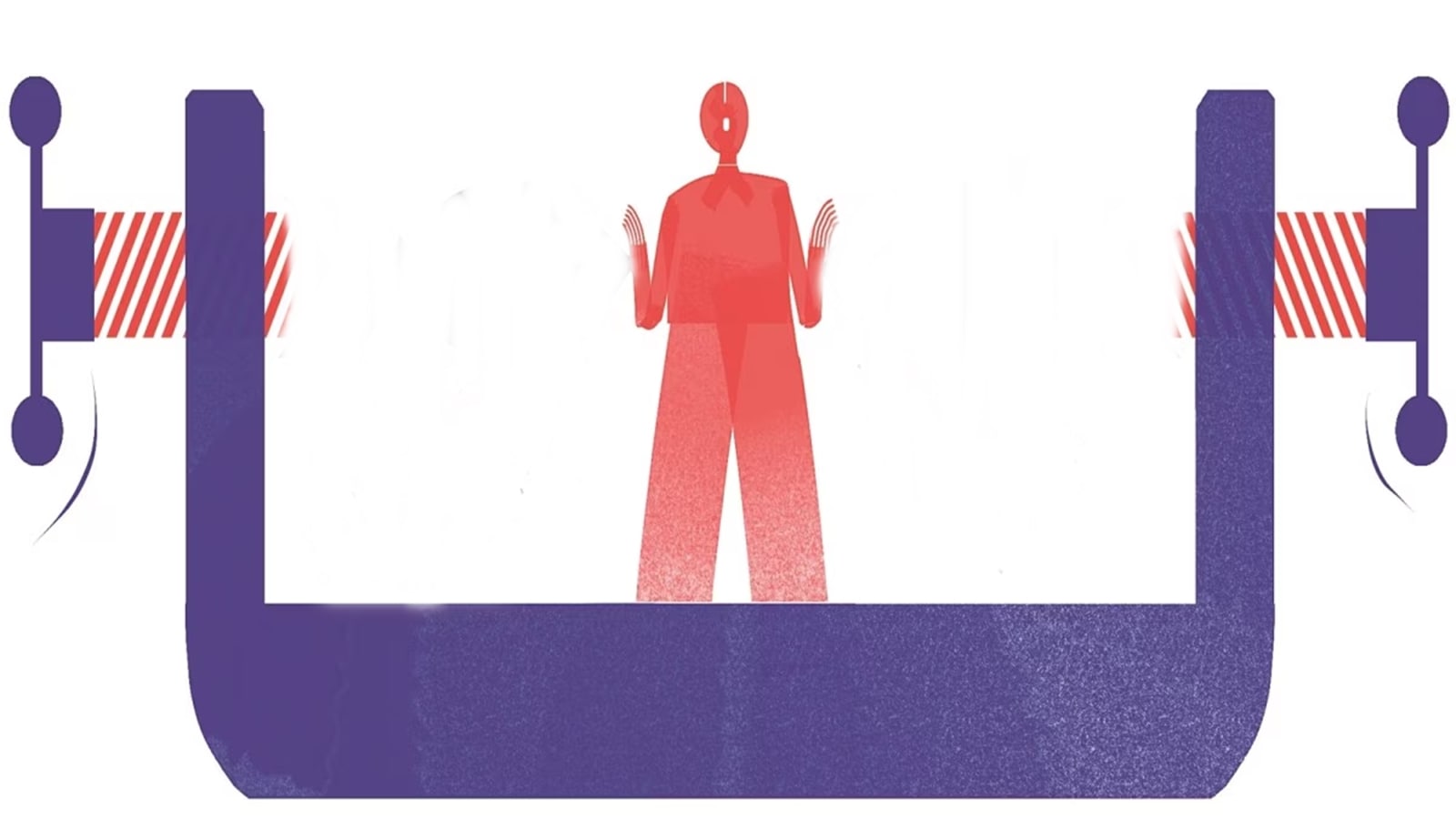
Housework is perceived to be such a triviality that questioning its gendered imbalance is usually dismissed as a rant. As a serious subject of ethnographic study, it is restricted to academic papers and conferences, findings by governments or nongovernmental organisations. The quiet sufferers, mostly women — having a limited role in policymaking — go unheard.
Recently, during a divorce hearing, the Supreme Court told a man, “You are not marrying a maid; you are marrying a life partner”. The Court observed that (the woman in this case) not performing housework does not amount to cruelty under the law.
Unpaid housework is a huge burden on women. According to the ILO, unpaid domestic and care work would equal a huge share of the global GDP if measured in terms of money. Globally, women and girls contribute approximately 76 per cent of total daily hours in such labour. In India, while women (six years and above) spent 289 minutes per day doing unpaid domestic work, men spent 88 minutes, according to a government survey (2024).
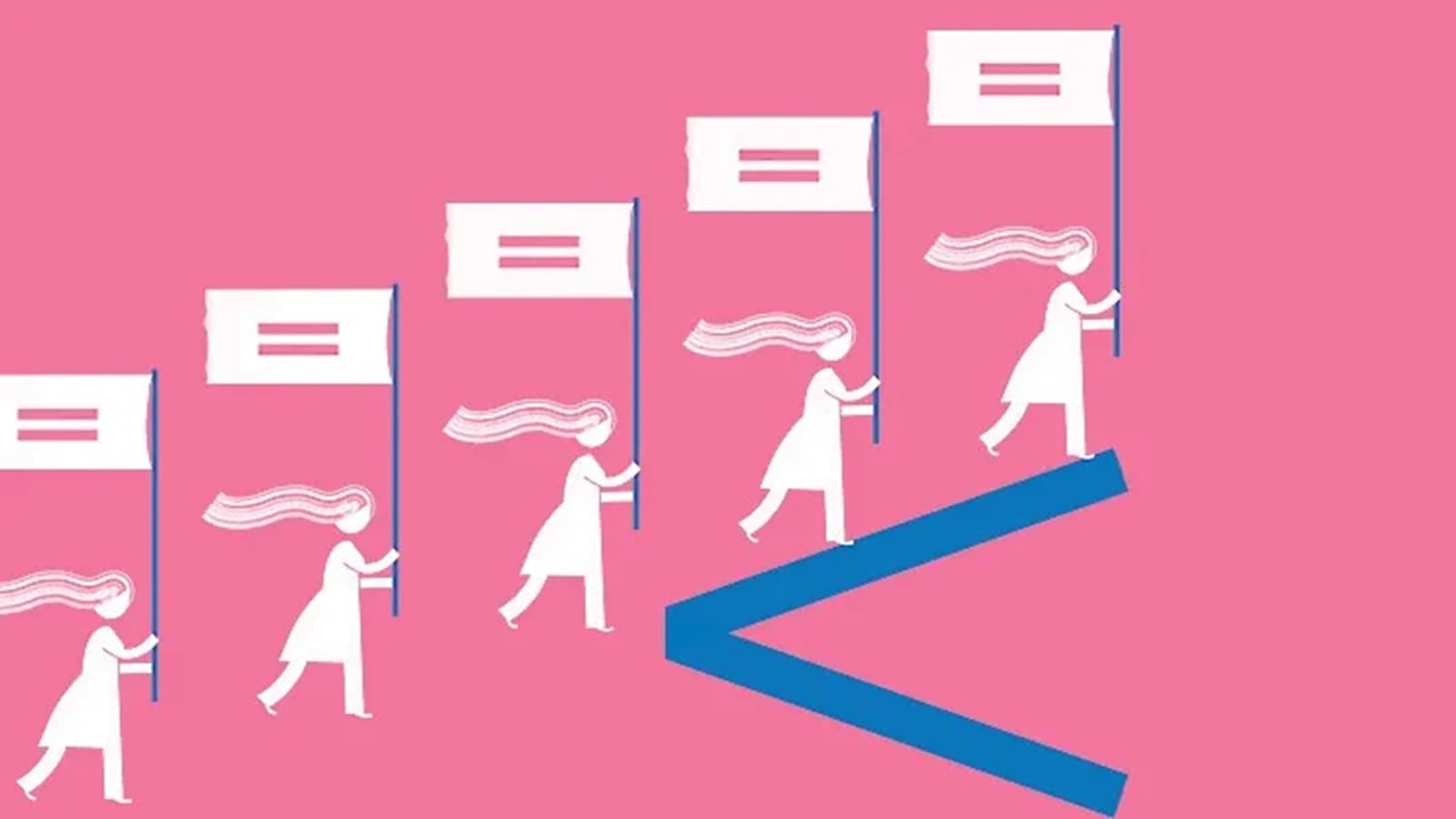
The questionable assumption that domestic work is primarily women’s responsibility is never resolved through reasoning. So how are perceptions of male-female domains, capabilities and sexual division of labour formed? The arguments tend to go far back to the hunter-gatherers. But what if those very roots are found to be festering? Anthropological studies have recently questioned the myth of the Man Hunter. In its place has emerged a Woman Hunter from scientific studies and “real” evidence.
For years, we have been taught to believe that sexual division of labour existed among our human ancestors, with hunting carried out exclusively by men. Women are said to have focused on giving birth and nurturing children. This formed the basis of the hunter-gatherer society, apparently rooted in the biological differences between males and females. Women’s “inability” to hunt has long been seen as a basis for men’s superiority. This idea created stereotypes of the male as aggressive and the woman as soft.
Recent archaeological discoveries and consequent research have, however, caused a paradigm shift from male hunters-female gatherers in the Homo sapiens lineage to one in which women also hunted and went to war. The most significant of these is perhaps the excavation of a 9,000-year-old burial in Wilamaya Patjxa in Peru that suggests that women may have hunted big game. The burial was found with a hunting toolkit containing stone projectiles and animal processing equipment. Initially assumed to be a male hunter, later analysis showed it to be a female. Archaeologists also discovered many burials in the Americas and identified more females associated with big-game hunting tools. More such evidence continues to be found. Scientists now believe that history ought to be reassessed.
The body of archaeological evidence is now too compelling to be disregarded, and it’s time to subvert long-held ideas on sexual division of labour. Unless scientific findings enter our daily conversations, friction in homes will keep growing. Housework is not a dirty word, as long as it’s a shared responsibility.
Sengupta is an author and gender rights educator