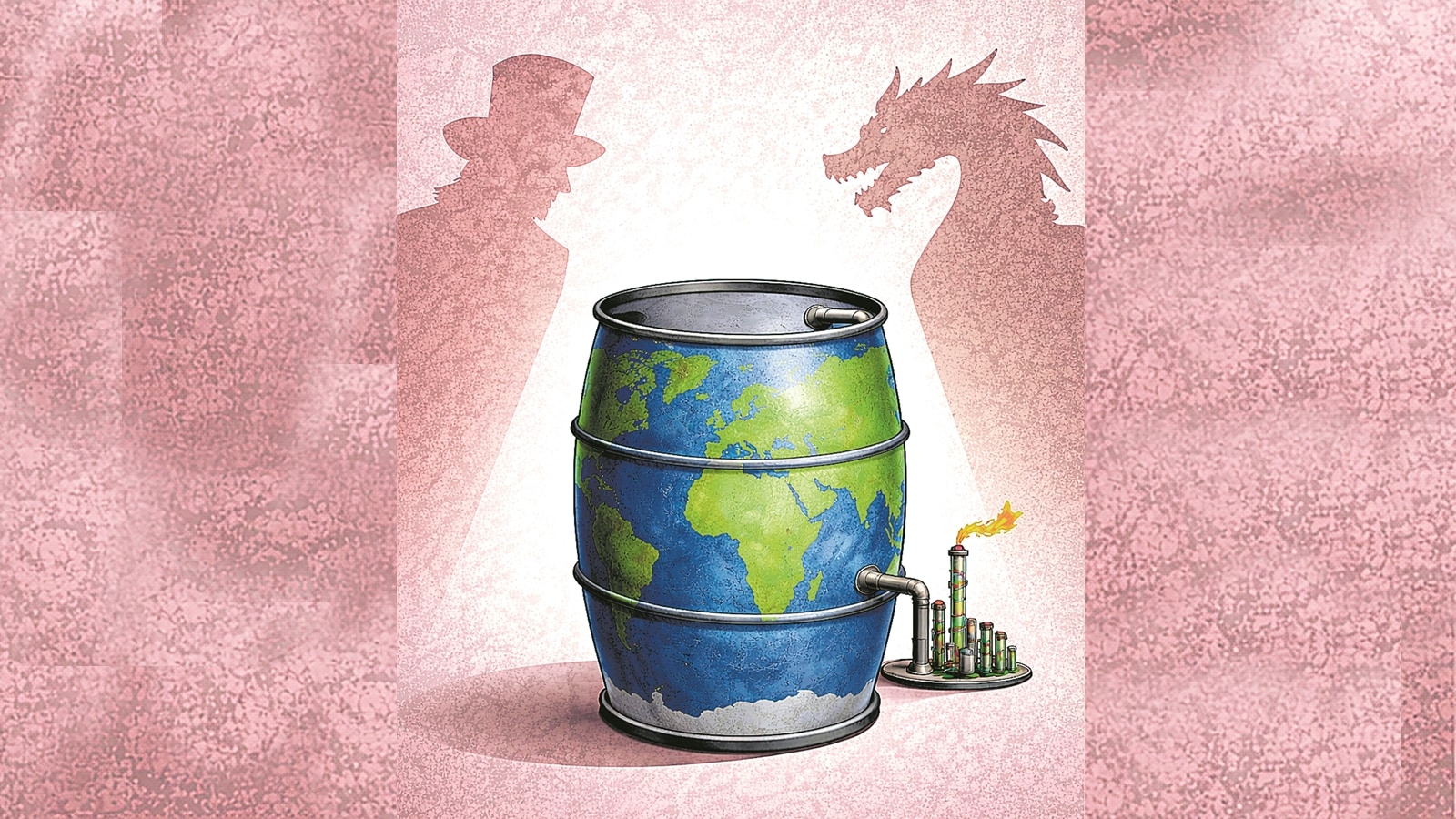


Trump wants to dominate global energy. The hurdle: China
Prime Minister Narendra Modi must eschew his foreign policy ideological (mis)adventurism, stop misusing foreign policy for electoral gains, restore relationships with our extended neighbourhood, and involve the Opposition in a national approach to the unprecedented polycrises we face
The interim cessation of hostilities in West Asia has sparked hopes for the restoration of the free flow of energy, people, trade and capital. Yet, the costs weigh heavily on the world — the UNSC was paralysed throughout, economies hurtle towards stagflation and 363 million people fell into food insecurity. Beyond this polycrisis, West Asia has emerged as another theatre in the great-power competition between America and China, who are forging rival geo-economic and geopolitical blocs. This new world order necessitates hard calculus grounded in today’s strategic realities.
First, following the White House’s 2025 National Security Strategy, the US has been violently reordering the global balance of power: Whether it is forced re-hemisphering through the Monroe Doctrine (the war in West Asia, pressures against Latin American nations like Cuba, and circumscribing security guarantees); or the recalibration of global norms (tariffs on over 70 nations, withdrawal from 66 international organisations and treaties, and resource colonisation); or power projection in various theatres (kinetic action in India’s strategic backyard, the Russia-Ukraine war, and an enhanced $1.5 trillion military budget); or supporting populist-autocrats to effect regime changes. Each disruption frees American bandwidth for the Indo-Pacific theatre.
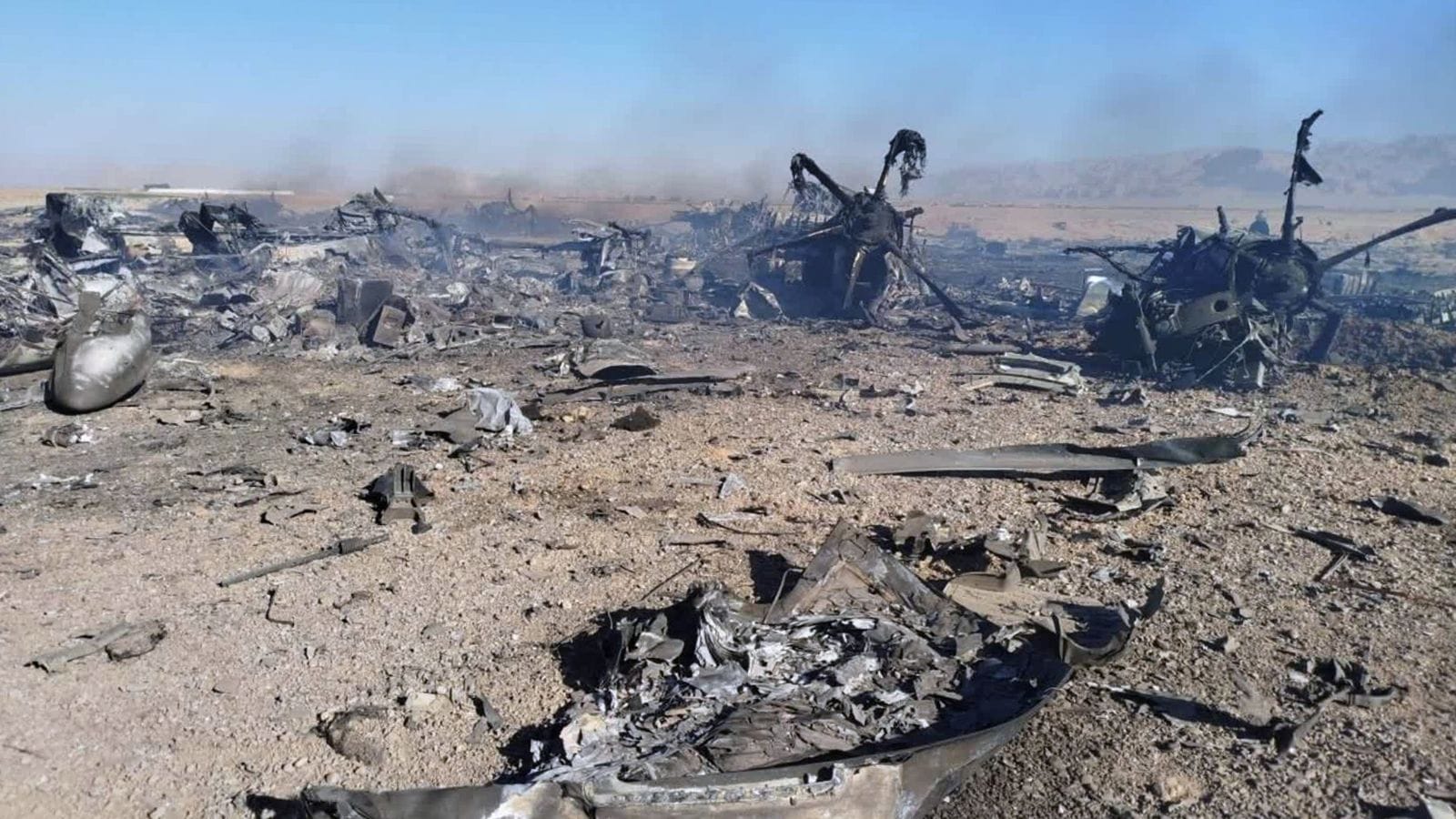
Second, the global energy crisis was partly engineered to choke China’s supply lines by targeting Venezuela and Iran, two of China’s petro-state partners. Similarly, the damage caused to 40 energy assets across West Asia, the Strait of Hormuz blockade (taking 8-10 million barrels per-day offline), the lack of alternative routes (Houthi blockades at Bab el-Mandeb), and port terminal strikes causing a 40 per cent drop in Russian oil exports, benefited the US. Although it didn’t (directly) inflict this damage, the Trump administration exploited America’s domestic natural gas reserves and access to Venezuela’s natural gas and oil reserves to plug supply-chain disruptions. It also rammed through a $750-billion deal for US energy products leveraging Europe’s vulnerabilities.
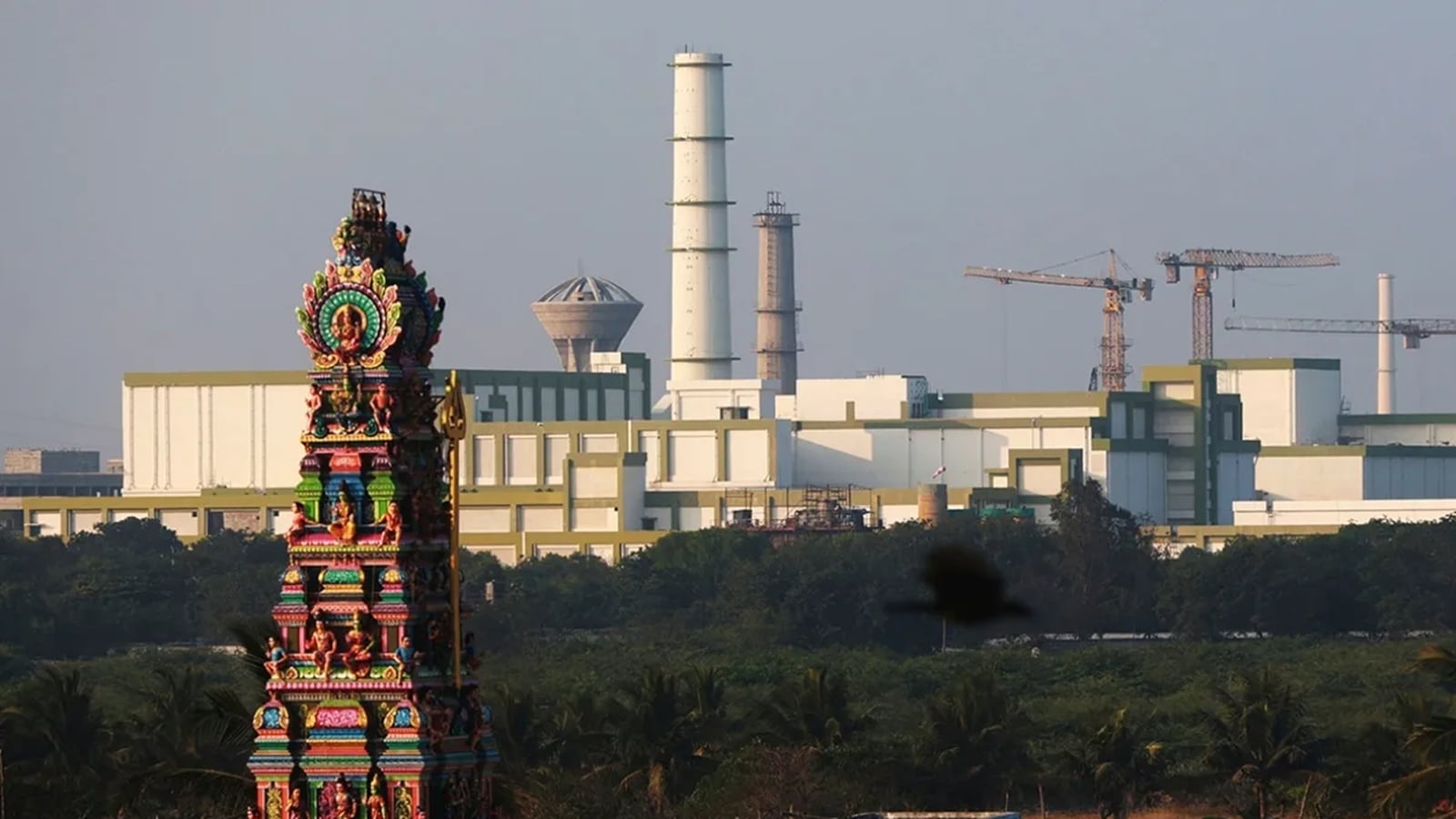
Yet, with 1.4 billion barrels of oil reserves, solar, wind and hydropower supplying 34.7 per cent of its energy, and LNG reserves of 60 billion cubic metres, China remained insulated. China continued purchasing 1.5 million Iranian barrels per day, increased oil imports from the Kazakhstan-China pipeline and Russia’s Eastern Siberia-Pacific Ocean pipeline, and gas imports from the Turkmenistan-China pipeline. Meanwhile, China’s 15th Five Year Plan promises to add 46 GW through nuclear power. Cumulatively, China seems immune to any (engineered) energy disruptions.
Third, the Trump administration also spearheaded a multi-pronged currency-defence operation. Operation Absolute Resolve was partly designed to curb Venezuelan plans to “free itself from the dollar” (by trading in non-dollar currencies). Trump’s Operation Epic Fury targeted Iran’s use of non-dollar transactions and sent a message to nations like Saudi Arabia (which also trades in the yuan). Yet, Epic Fury failed to achieve its avowed goals or to disrupt China’s supply lines. Instead, Iran has licensed the Strait of Hormuz and its 1.5 million-per-day oil exports will be settled in yuan.
Although the yuan remains far from dethroning the world’s current reserve currency, yuan-denominated trade has surged from negligible levels in 2010 to over half of China’s total trade today. It is no coincidence that nations have adopted reserve diversification (the dollar’s share of global reserves has declined), are stockpiling gold, and slashing US Treasury holdings. Even though the yuan’s ascendance is constrained by mistrust in China’s designs, it could accelerate as trust in US financial infrastructure erodes.
Where does this leave India? While Indian refineries scoring high on the “Nelson Complexity Index” could become preferred refining destinations for Venezuelan crude, hitching India almost exclusively to America (either to bridge power disparities with China, or to secure supply lines) is a miscalculation. India must urgently ramp up strategic oil and gas reserves, and investments in renewables and nuclear energy. Similarly, PM Narendra Modi must eschew his foreign-policy ideological (mis)adventurism, stop misusing foreign policy for electoral gains, restore relationships with our extended neighbourhood, and involve the Opposition in a national approach to the unprecedented crises we face. Unless we unitedly seize opportunities for India in the new order, we will not realise our manifest destiny.
Khurshid was external affairs minister and Deshpande is director, Samruddha Bharat Foundation