

With Trump’s Munir-Modi balancing act, an India-Pakistan re-hyphenation
The US’s Modi-Munir balancing act leads to a very troubling India-specific question. Is the US going to a new variant of the past India-Pakistan hyphenation?
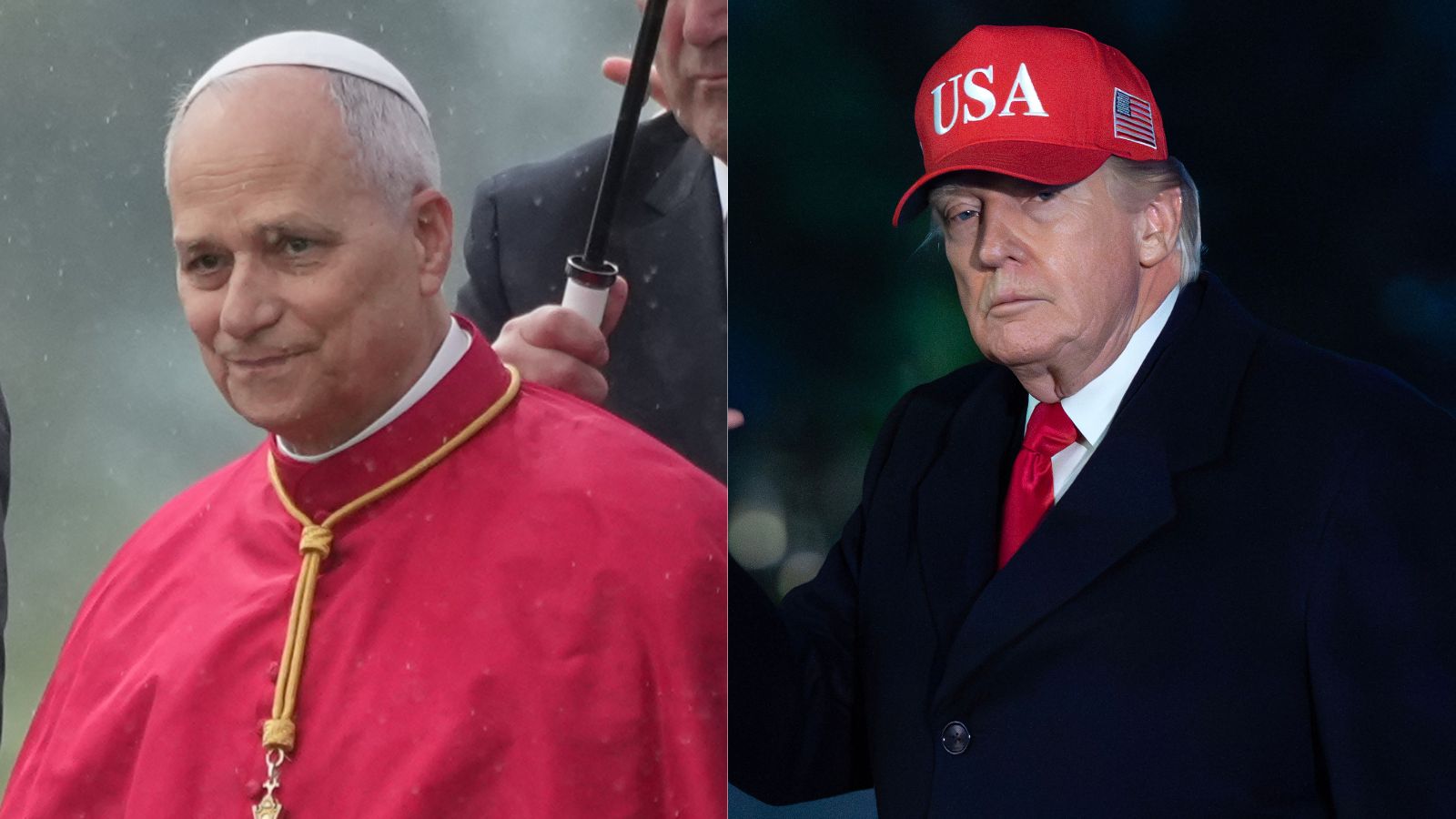
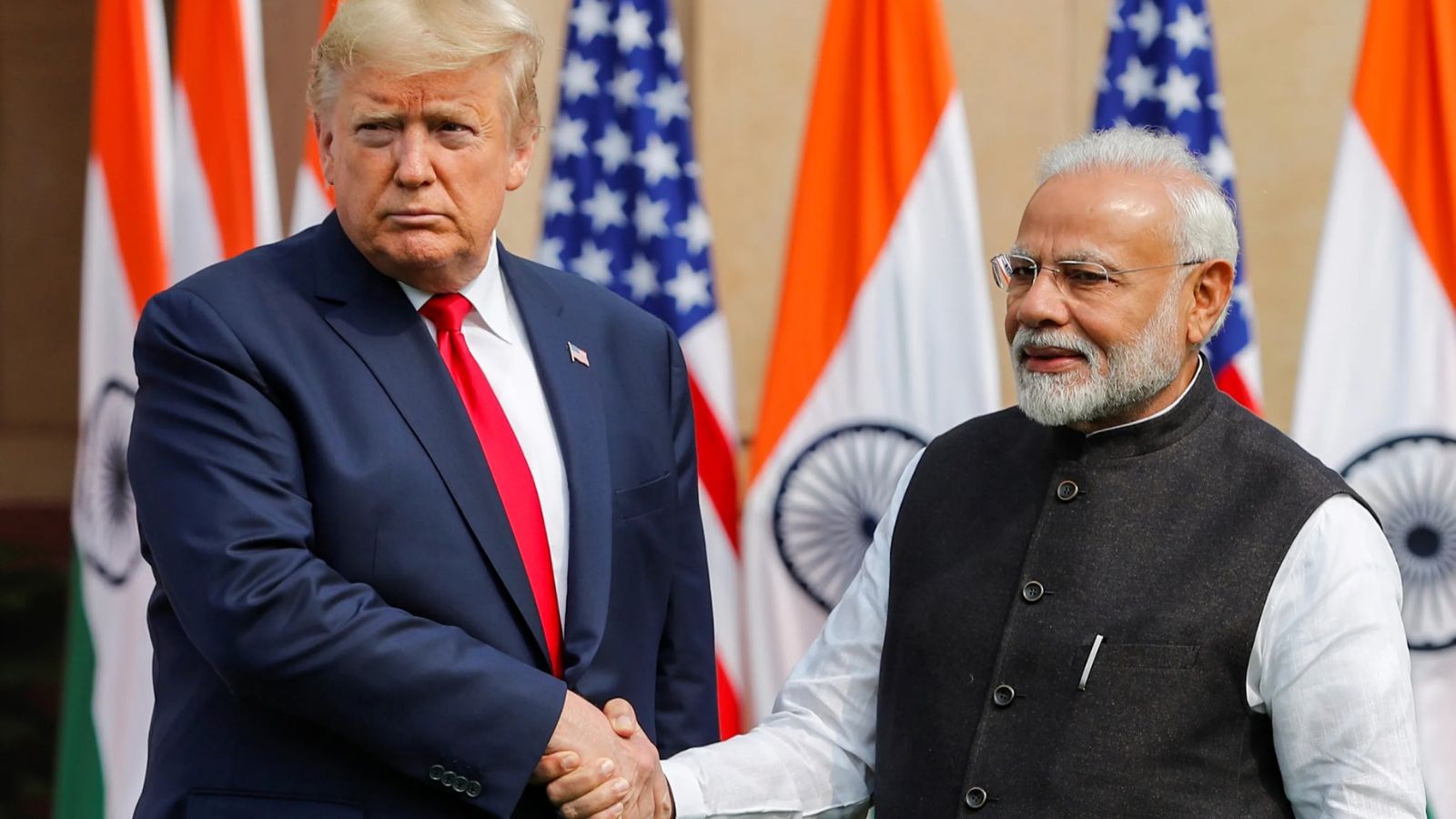
President Donald Trump is doing a balancing act between Prime Minister Narendra Modi and Field Marshal Asim Munir. Yes, Munir and not Prime Minister Shehbaz Sharif. On April 14, Trump had a 40-minute telephonic conversation with Modi. According to US Ambassador to India Sergio Gor, he told Modi, “I just want you to know we all love you.” Also on April 14, Trump publicly hinted that the US-Iran talks would resume in the next two days and that they would be held in Pakistan. He went on to add, “You know why? Because the field marshal is doing a great job.” Separately, he said Munir was fantastic.
US leaders have not only praised Munir —Trump’s “favourite” field marshal— but have put him on a higher pedestal than Sharif. Certainly, in the US-Iran intermediation process, this is borne out by Munir’s visiting Tehran beginning on April 15, while Sharif, accompanied by Foreign Minister Ishaq Dar, was relegated to a trip to Saudi Arabia, Qatar and Turkey, which began on the same date. The purpose of Sharif and Dar is, in all likelihood, to keep these countries briefed on the ongoing US-Iran negotiations. It is undoubtedly also to assuage any adverse sentiment in their leadership on account of the profile that Pakistan has because of its intermediary role. The real negotiating game is now being handled by Munir, who may be going to Washington. There is little doubt that if he does, much will be made of him there.
Trump’s positivity towards Munir is not new. He is the only military leader who has been hosted by the US President for talks and lunch at the White House. It can be argued that in acknowledging Munir’s status, Trump is only recognising the reality of Pakistan’s political life. But in doing so, Trump and other US leaders are delivering brutal blows to Pakistan’s ever-weakening democratic structures. That is not good for Pakistani democracy or regional harmony.
The Pakistan army has always been an out-and-out promoter of terrorism and instability in the region. This has especially been so since the early 1990s. It is now ironic that its chief, who also engineered his own rise to become Pakistan’s chief of defence forces, is looked upon by the US as the principal intermediary with the Iranian clerical system. Even if Munir’s contacts with the Iranian Revolutionary Guards are important for US-Iran negotiations, was it necessary for the US to publicly raise his profile and, by implication, that of the army at the cost of Pakistan’s civilian leadership and elected institutions?
The US’s Modi-Munir balancing act leads to a very troubling India-specific question. Is the US going to a new variant of the past India-Pakistan hyphenation? In reality, the hyphenation is a relic of history, which has no relevance or justification now. This is because India has global weight, while Pakistan has been struggling for many years to maintain its macroeconomic stability. That is unlikely to come about because Pakistan has no appetite to usher in the necessary structural changes, which have to begin with reducing the role of the army. The army not only corners a large portion of state resources, but it is also Pakistan’s largest, though unaccountable and inefficient, conglomerate. It will never agree to reduce its sponging on the country’s resources or stop feathering the nests of its officers and men. The importance being accorded to Munir may whet the army’s appetite to corner more national resources and put Pakistan’s political class further on the back foot.
The current intermediation role that the US has assigned to Pakistan, and to which Iran, too, has acquiesced, will undoubtedly raise its profile and generate a measure of goodwill for it in West Asia and the larger Islamic world. However, the goodwill bump can hardly turn into a lasting economic advantage because of structural infirmities in the system. This notwithstanding, as part of the new hyphenation, Pakistan may be accorded a larger security role by the US in West Asia and perhaps Afghanistan. Beginning in the 1970s, some of the Gulf states relied on Pakistan in the defence sector. Pakistani defence personnel served as part of their defence forces. Later, this waned, but Pakistan’s involvement got a boost when Saudi Arabia entered into a strategic mutual defence agreement with it. Under this arrangement, Pakistan has sent fighter aircraft to the Abdul Aziz airbase in Dhahran and troops to the country.
India has major interests in West Asia, and these demand the skilful enhancement of its security and diplomatic postures in this vital region, despite US desires. This cannot be limited to the UAE only. The UAE relationship is important, but as imponderables will emerge once the Iran war is over, Indian economic interests demand that ties be deepened with all Gulf countries. That process must begin now. External Affairs Minister S Jaishankar has visited only the UAE. Why?
The US will seek a consolidation of India’s role in the Quad (the Quadrilateral Security Dialogue comprising India, the US, Japan, and Australia) as part of its encouragement to India to play a greater role in the Indo-Pacific. The problem with this is that the US’s Indo-Pacific approaches are a subset of its relations with China. It seems that Trump wants a rapprochement with Beijing. In reality, the Quad is hostage to US-China ties. In view of India’s problems with China, it would be unwise to rely only on Quad-like structures to manage the Chinese challenge.
Finally, while there is the constant talk of ever-greater content in India-US ties, this country should never forget Christopher Landau’s plain speaking in March in India – that the US will not make the same mistake with India as it did with China.
The writer is a former diplomat