

Tourism can unlock India’s journey to a new milestone
As India charts its path toward becoming a leading tourism destination, the challenge is no longer proving the sector’s potential, it is harnessing it at scale.
India’s tourism and hospitality sector is emerging as one of the key contributors to the nation’s economic growth story with a GDP share of about 7 per cent. It is a catalyst for employment generation with every direct job creating multiple indirect jobs, accounting for over 9 per cent of total jobs in India. In addition, it drives entrepreneurship, infrastructure development and foreign exchange earnings, and positions India’s soft power on the global stage.
As India aspires to become one of the world’s leading tourism economies, the opportunity lies beyond attracting visitors to unlocking the economic value of its natural, cultural and spiritual assets. India’s tourism wealth is a strategic asset capable of generating broad-based economic growth.
India’s hospitality sector has moved decisively beyond post-pandemic recovery. Occupancy levels across major markets have consistently remained strong, average room rates have surpassed pre-pandemic levels and demand continues to be buoyant. This has enhanced investor confidence and strengthened the industry’s ability to invest in capacity-building, innovation and guest experiences. The sector’s growing attractiveness is reflected in rising participation from institutional funds, family offices, listed hotel companies and developers. While institutional investment has grown, it remains below the levels seen in more mature hospitality markets. This presents a significant opportunity.
A defining characteristic of India’s current tourism growth cycle is the emergence of a more distributed demand landscape. For decades, much of the hospitality industry’s performance was concentrated in a handful of metropolitan cities and established destinations. Today, growth is increasingly driven by Tier-II and Tier-III cities, creating a more diversified and resilient ecosystem.
Infrastructure development is reinforcing this transformation. The expansion of regional airports, improvements in road networks and the development of economic and industrial corridors are fundamentally reshaping tourism flows. Every new airport, highway, convention facility or transport link has the potential to unlock new destinations, stimulate local investment, and create hospitality demand. Airport-centric development is emerging as a significant driver of hotel growth, supported by business travel, transit stays, meetings, incentives, conferences and exhibitions. Tourism and infrastructure are becoming increasingly interdependent, each amplifying the impact of the other.
Realising the potential of tourism requires greater alignment between infrastructure, investment, policy and destination development. Hospitality development should therefore be integrated into broader economic planning, ensuring that investments in airports, highways and urban infrastructure are complemented by destination readiness, accommodation capacity and visitor experiences. Policy support will play a critical role in unlocking the $3-trillion travel and tourism opportunity.
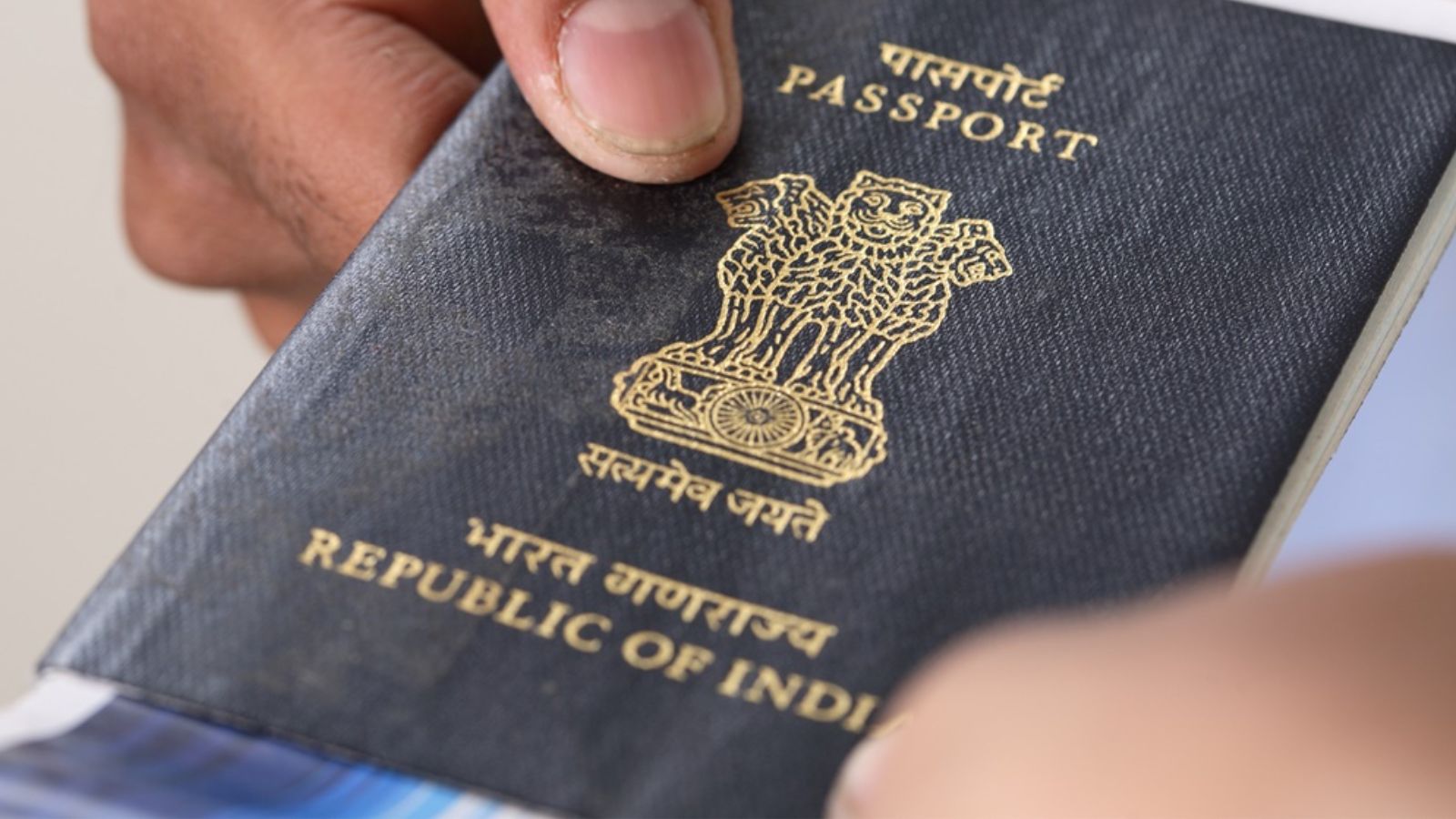
The Federation of Associations in Indian Tourism & Hospitality (FAITH), the apex body representing India’s tourism and hospitality sector, has called for a time-bound action agenda to position India as a global tourism powerhouse. Key priorities include granting industry status to tourism across all states, which will improve access to capital and reduce financing costs. The government should fast-track the development of 50 tourism destinations on mission mode, supported by clear implementation timelines. Simultaneously, India needs a dedicated global tourism promotion campaign under a strong Brand Bharat initiative with sustained funding. A more liberal visa regime, including expanded e-visa access and simplified entry procedures, can significantly boost inbound tourism. Investment in tourism infrastructure ranging from last-mile connectivity to wayside amenities and digital infrastructure will further elevate visitor experience. Rationalising taxation to align with global benchmarks and creating a single-window clearance will encourage greater private sector participation.
As India charts its path toward becoming a leading tourism destination, the challenge is no longer proving the sector’s potential, it is harnessing it at scale. The multiplier effect of tourism ensures that economic benefits extend well beyond hotels and travel companies, reaching communities across urban and rural India. Few sectors have the ability to create such broad-based prosperity while simultaneously showcasing a nation’s heritage, diversity and identity. That is the true essence of “Incredible India, Invaluable Economics” — recognising tourism as a powerful pathway to national growth, prosperity and global influence.
The writer is chairman, Federation of Associations in Indian Tourism and Hospitality