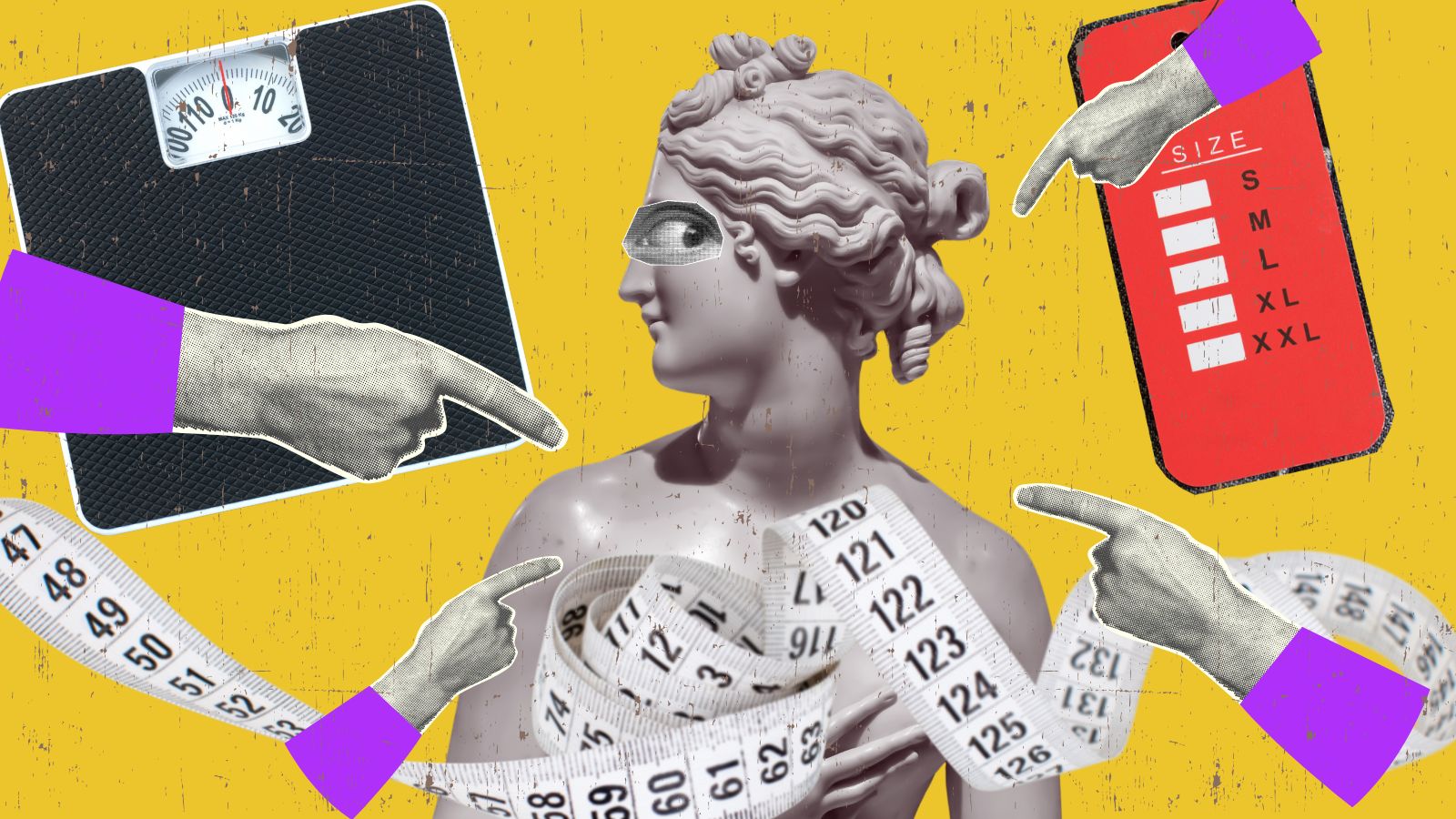


In dismantling the ‘thinness as virtue’ myth, we rewrite an oppressive internal script
In our 20s and 30s, our choices usually revolve around finding partners and choosing careers. In midlife, our choices are more existential, more internal, about changing beliefs and narratives that hold us back from growing and cause us pain
By Aparna Piramal Raje
My fertility might be declining, but I’ve never felt more creative, generating new ideas for books and articles, and kickstarting new philanthropic projects. My family is flourishing, I have a great circle of friends, I moved into a new home that I love, I’m taking better care of my fitness and health, and even experimenting with fashion and hairstyles. It feels like my best decade is coming up. And that’s why the dress code for my 50th birthday party said “Poised To Peak”.
So I danced the afternoon away with a group of girlfriends, joyous and nearly raucous, with my mother leading the charge on the dancefloor. Two weeks later, I saw the photographs, and an emotional bomb went off. As I energetically belted out Madonna and Bon Jovi on a mic, I was blissfully unaware that the sleeves on my dress were shorter than my usual length and my flabby arms were on full display. To someone who had covered up her triceps all her adult life, it felt like fashion hara-kiri.
A black hole of emotions swallowed me: Intense shame, a feeling of unworthiness, anxiety around social criticism, childhood trauma around body-shaming, the frustration of trying to live up to perfectionist ideals, the grief over the loss of youthful beauty. I wrote an irrational message to my designer asking her to lengthen the sleeves of my dress, and kept looking at the photos to see how I could edit them.
Weight has been a sensitive subject for me. As a child, family members teased me as “plumpie”. They thought it was cute, I hated it. One of them told a boy who was interested in me at the same: “What do you see in her? She’s not thin, she’s not pretty.” The stigma of not being skinny was an unpleasant childhood residue.
When I lost weight in my late teens, 20s and 30s and turned out to be quite pretty, I gained a new form of social currency, which felt redemptive. I attracted constant praise for my appearance. But when I regained weight in my 40s, the cycle of self-shaming began again. Four years ago, I did a professional photo shoot ahead of a book launch, and instead of celebrating the milestone of a new book, I cried when I saw the results. Three years ago, I cried again when I realised I’d gained another 10 kilos. Despite my professional achievements, my body felt like it was punishing me.
This is not a trivial issue. A few close girlfriends shared similar stories. One was teased so much about unwanted body hair in adolescence that she completely redefined her lifestyle, including playing fewer sports because of the discomfort of exposing herself. Another one said how a close family member continually remarked on her relatively short height. A third said, despite having a very pretty face and slim figure, she always “hated her body”. Body shaming cuts across class and privilege more than we might expect.
But after many tears, I realised I had the choice to rewrite the narrative in my head. And so I decided to dismantle the shame, the myth that “thinness is a virtue, plump means social stigma”. By hiding my flabby arms, I realised I was, in fact, “editing” myself for social acceptability. And I decided to embrace a broader definition of beauty at 50, to encompass poise and presence, not just body circumference. I’m learning to accept my messy bits. Beauty remains important, fitness even more so, but editing myself is unnecessary.
And this is the profound gift of midlife. We have the maturity and wisdom to rewrite the internal scripts that we’ve lived with for decades, because we know what it means to triumph and to lose by this age. Once we see these scripts clearly, we have the freedom to rewrite them.
Internal scripts will vary for each of us. In the past six months, with the help of human therapy, self-reflection, and AI-assisted therapy, I’ve rewired many entrenched beliefs, such as what success, power, or self-worth mean to me.
The RAIN practice by psychologist and meditation teacher Tara Brach is a useful technique. RAIN stands for Recognise, Allow, Investigate, and Nurture. First, we Recognise what we are feeling in the moment. Then we Allow the experience to be there without immediately trying to suppress or fix it. Next, we Investigate the feeling with curiosity — gently exploring what beliefs, sensations, or memories may be present. Finally, we Nurture ourselves with kindness, remembering that the feeling is not our identity.
Doing this inner work is a deliberate decision. In our 20s and 30s, our choices usually revolve around finding partners and choosing careers. In midlife, our choices are more existential, more internal, about changing beliefs and narratives that hold us back from growing and cause us pain.
I don’t know if I’ll have the courage to wear a sleeveless dress for my next birthday, but I do know I won’t be asking my designer to lengthen the sleeves on my existing dresses, and I won’t be cropping my photos.
Perhaps that’s what it really means to be “poised to peak”.
Raje is a Mumbai-based writer on mental health, gender and society