

The digital Constitution — and making the most of it
It has been transformed into a serious intellectual endeavour. One finds several research-oriented web portals that systematically unpack the Indian Constitution
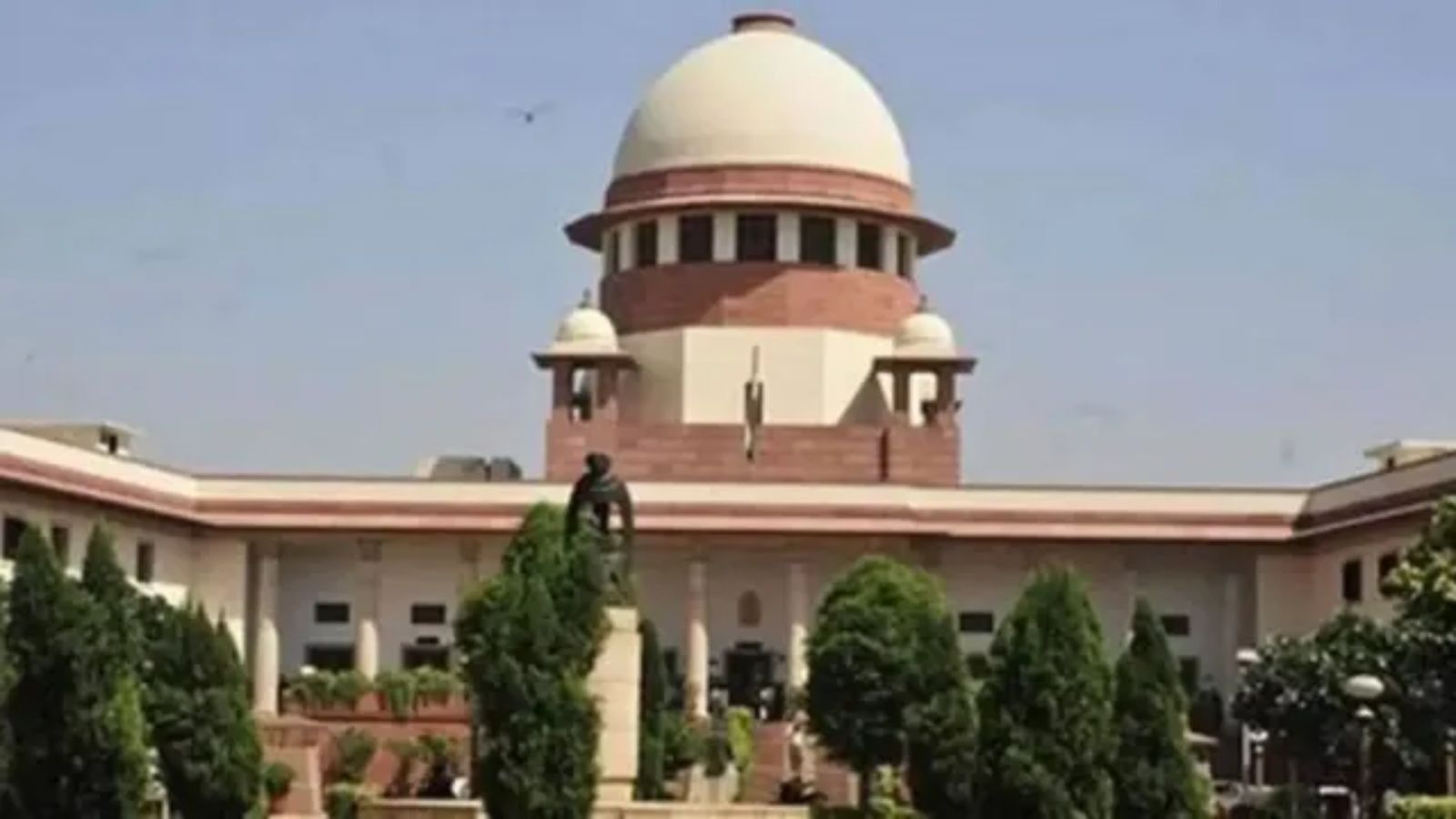
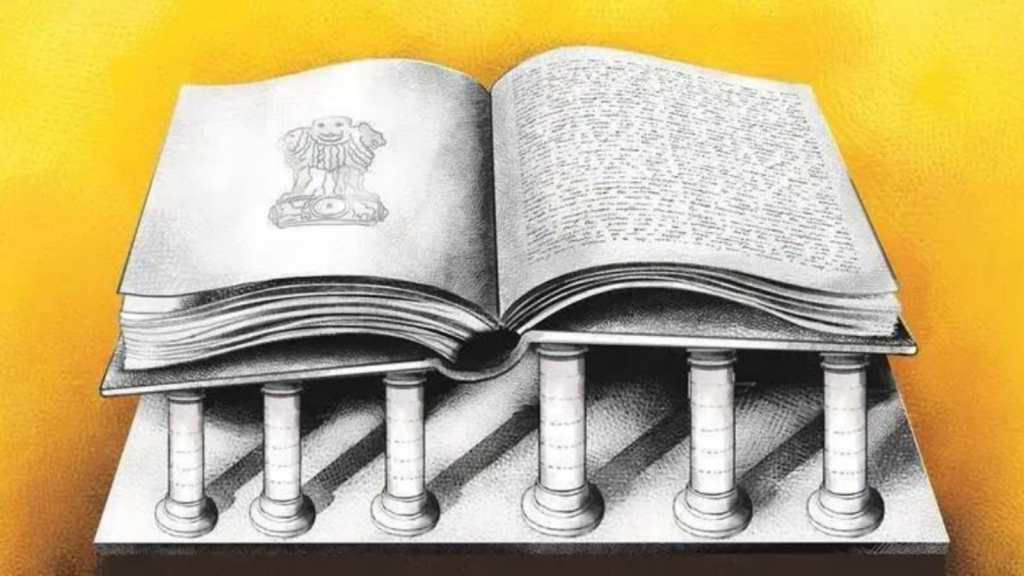
The digital turn in the public life of the Constitution is perhaps the most fascinating development of our time. The Constitution, which has always been cherished by India’s political elites as one of the finest, non-debatable, and guiding documents for political transactions, is now available to an ever-growing digital public. It is now possible to access the foundational documents associated with a few crucial historical events and individuals that shaped the determining provisions of the Constitution. At the same time, one can also learn about the decisive judicial interpretations that paved the way for new forms of politics in the country. In other words, the past and present of the Constitution are just a click away.
This new avatar — the digital Constitution — has not yet been given adequate attention for two very specific reasons. The first reason is slightly technical. In the late 1990s and early 2000s, the government of India began to publish basic PDF versions of the Constitution on official government portals. The process continued in the next two decades. The records of the Parliament of India, judicial verdicts and executive decisions have been systematically digitised over the years. The digital Constitution, in this framework, is seen merely as one of the outcomes of what is known as e-governance.
There is also a problem of perception. The digital Constitution is still seen as a kind of second-order entity — something that contributes indirectly to the actual reception of the Constitution in the real world. This perception is based on a commonsensical belief that the digital universe does not create political events. Instead, it is meant to increase the intensity of already ongoing political processes. By this logic, digitalisation of the Constitution is understood merely as a dependent variable.
These assumptions are deeply problematic. The digital Constitution has acquired an identity of its own. It has been transformed into a serious intellectual endeavour. One finds several research-oriented web portals that systematically unpack the Indian Constitution for academic purposes. Two examples are very relevant in this regard: ConstitutionofIndia.net and The Living Constitution…The Draft of Democracy.
ConstitutionofIndia.net is an initiative of the Constitutional Culture team at the Centre for Law and Policy Research, Bangalore. This website provides access to a variety of documents to encourage readers to draw a historically sensitive interpretation of the Constitution. This user-friendly initiative also provides valuable commentaries on documents such as the Poona Pact of 1932 and the first draft of the Constitution.
The Living Constitution…The Draft of Democracy is another digital experiment. A team of researchers at the Advanced Study Institute of Asia (ASIA), New Delhi, has curated this digital archive. As an academic resource, it not only provides a historical background for a deeper reflection on the Constitution, but also invites the user to engage with India’s ever-fluctuating public life in an informed and critical manner.
This online resource is unique in two ways. First, it establishes a link between the colonial past of the country and postcolonial realities. There are dedicated webpages such as the Constituent Assembly Debates (CAD), constitutional articles and their stories, voices behind the making of the Constitution, and the visual life of the Constitution, which give an informed outline of the historicity of the Constitution. These historical segments become more relevant when the user is introduced to the postcolonial legal-political developments. The webpages, Judgments that defined Indian democracy and the Constitution in transition, offer a different flavour of actual political reception of the Constitution in India.
Secondly and perhaps most importantly, The Living Constitution recognises the relevance of Indian languages. The PDF versions of the Constitution in all recognised national languages are available on this website. This is, in a way, a courageous attempt. There is a tendency to overlook the presence of a non-English-speaking public. The English-dominated public discourse creates a problematic impression that Indian languages do not have a workable technical vocabulary to deal with the complexities associated with constitutional matters. The endless debate on official language/Raj Bhasha is a good example to show the political dominance of the English elite. We must remember that the Constitution of India finds its real meanings in the everyday life of Indian communities — the linguistic universe of the people at the grassroots level. The Living Constitution, in principle, remains sensitive to this reality. One may expect that this linguistically sensitive approach might encourage this team of researchers to provide at least the introductory commentaries of each section in Indian languages in the near future.
These innovative digital experiments with the Indian Constitution remind us that the imaginary dividing line between the digital and the real is misleading. The digital is not a mirror image of our political realities. On the contrary, it is an active, autonomous, fast, and interactive sphere where political issues are debated, interpreted and even constructed. The Cockroach Janata Party (CJP) is a good example. It was an online campaign that gradually transcended the digital world in a short span of time and transformed the nature of public discussions in a significant way. The political class was forced to recognise a new constituency of stakeholders, Gen Z, and their social-media-oriented digital politics. The digital Constitution, in this schema, cannot simply be treated as a searchable PDF available on our smartphones. It has emerged as an accessible academic-political resource, which is being creatively used as a point of reference to explore, interpret, reform, and transform contemporary India.
The writer is a political scientist