

Surjit Bhalla writes: BJP is winning the elections but losing the economy
The government response has been to apply band-aids instead of performing the surgery needed to make investment in India — by Indians and foreigners alike — more attractive
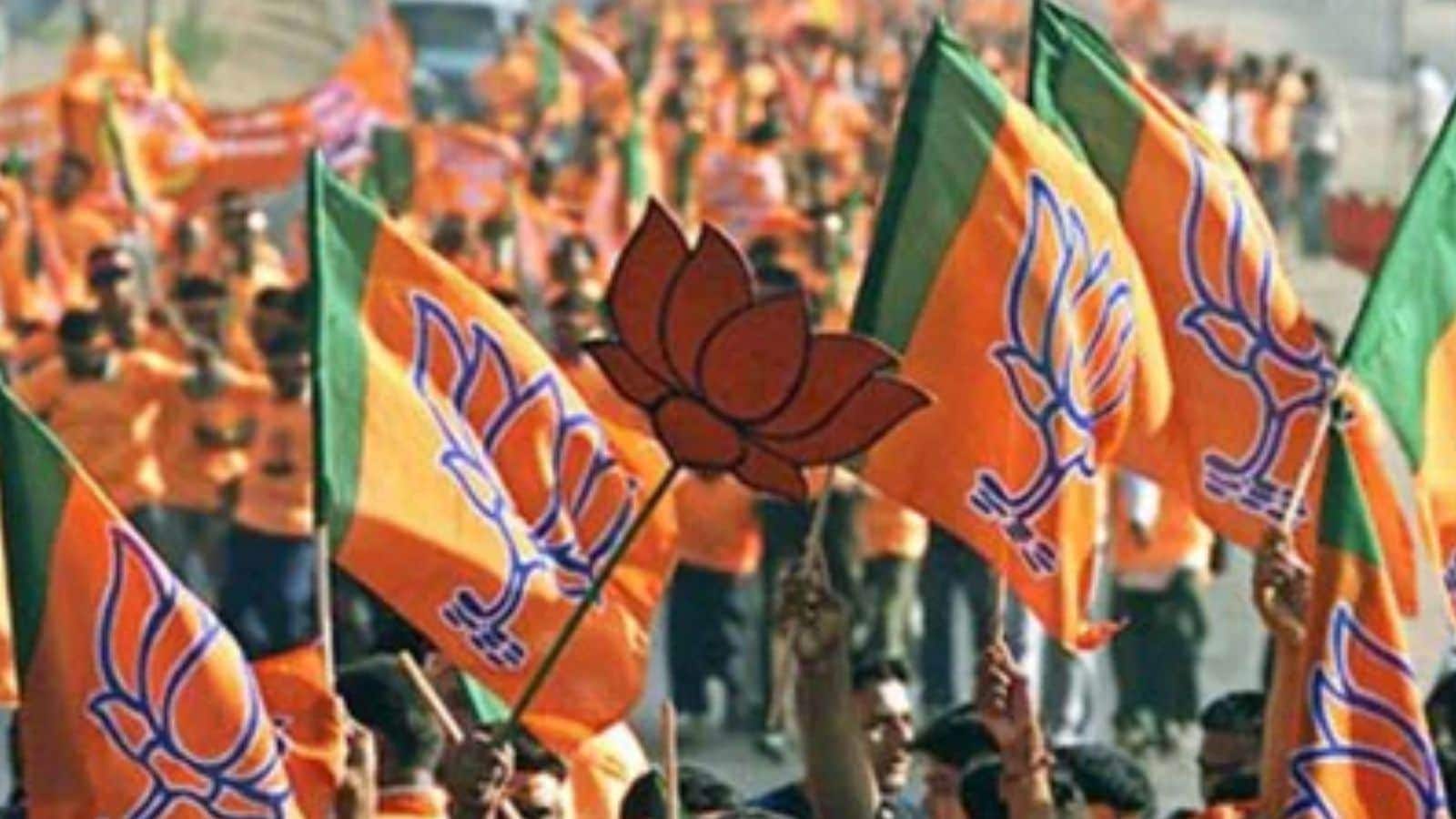
The BJP’s victory in West Bengal represents a moment of peak political performance and a landmark achievement. A resounding endorsement for Narendra Modi in 2029 is the only way the party can exceed the electoral peak it’s attained in Bengal. At the same time, the BJP’s handling of the economy has hit a low with no guarantee that it cannot go lower. The burning question is: Are the two events coincidental, or simultaneously determined? The latter — details follow.
Four agents are responsible for the economic derailment. The first and most important is the government itself. It recognises the problem but is satisfied with blaming others for the crisis — in this case, the second agent: Major industry. The third agent is the Congress party, which is so comfortable being led by the Gandhis that a BJP one-party democratic rule is all but guaranteed. The fourth agent is the puppeteer controlling the top three: The Deep State. The crisis persists because the economy continues to expand at a pace proudly touted as the fastest among the world’s major economies.
The political high is self-evident — the emphatic win in West Bengal and the near one-party democratic rule in India. For some, the “economic low” may be an exaggeration: Isn’t India the fastest-growing major economy in the world, with GDP growth around a 35-year historical average of 6 per cent a year? The catch lies in that word “major” and in measuring against a 35-year average. For the period of BJP rule from 2014 onwards, India’s rank in terms of GDP growth is ninth, in terms of per capita GDP growth, the rank is eighth, and it’s placed 16th in terms of per capita growth in US dollars. Bangladesh is the first in terms of US dollar growth, with an average per capita growth of 8.3 per cent per annum. Ethiopia is 2nd at 7.2 per cent, India is 16th at just 4.7 per cent. No matter how one slices the data, it is time to dispense with the moniker of the fastest-growing major economy.
India has also moved from being one of five “Fragile Five” economies in 2013 to possibly becoming one of just two (along with Turkey). The Indian rupee has depreciated approximately 12 per cent against the US dollar in the last year, the seventh consecutive year of decline, and was ranked among Asia’s worst-performing currencies in 2025. India today presents a macroeconomic paradox: Inflation has been contained, the current account deficit is manageable, growth remains steady, and political stability is unusually strong. In theory, those conditions should support currency confidence, not extreme fragility.
The government response has been to apply band-aids instead of performing the surgery needed to make investment in India — by Indians and foreigners alike — more attractive. One such band-aid is an appeal to Indians to invest more at home. It was established long ago that investors vote with their feet: Individuals and firms respond to economic incentives, not to moral appeals or what rulers perceive as national interest. And the incentive for investors today is to leave India, or not enter it. Why? For starters, there is the much-discussed “business climate”: Domestic firms are deeply uncertain about government policy.
A major driver of GDP growth, export performance, and manufacturing competitiveness is the presence and scale of Foreign Direct Investment (FDI). FDI brings foreign technology, capital, and linkages with global supply chains. The higher the FDI, the higher the investment and the higher the growth. This is accepted wisdom around the world — and was accepted in India, until 2015. The new mindset believes India can, and should, dictate terms to the foreign investor; that investors are “dying” to enter the “large” Indian market. To put that market in perspective: India’s GDP in 2025 was smaller than that of the state of California. It is likely that this same mindset drove the radical revision of the Bilateral Investment Treaty (BIT) framework in 2015. Soon after, Quality Control Orders (QCOs) surged from just 14 in 2017 to 765 by December 2024 — nothing more than an additional instrument of protection for domestic industry, especially firms with foreign tie-ups.
The revised 2015 BIT required that a foreign investor, before exiting their Indian venture, wait five years before proceeding to arbitration — and that the arbitration take place before an Indian judge. If Indian citizens are wary of going to Indian courts regardless of subject or grievance, why require a foreign investor to do the same?
The most damaging provision was the requirement that foreign investors exhaust local remedies for five years before accessing international arbitration. Is there any marriage in history, of whatever kind, that needs a five-year cooling off? Even now, the government’s promised revamp appears aimed only at softening, not rethinking, that design.
Finance Minister Nirmala Sitharaman announced in Parliament in February 2025 that the BIT framework would be reviewed and a new version released. The reform release is still awaited. Speculation is that the fundamental architecture has not changed — except that the five-year waiting period has been shortened to “just” three years. And the requirement to exhaust Indian courts first — the defining departure from pre-2015 BIT norms — is likely being retained.
The deeper danger of overwhelming political success is that it can encourage the belief that policy is already good enough. It is not. India still holds the advantages of stability, scale, and global relevance. The present West Asian crisis is a perfect storm – for economic reforms. Unless the government uses this moment to improve the investment climate, restore treaty credibility, and signal seriousness about reform, political dominance will begin to look less like strength and more like a substitute for it. Elections can deliver power. Only policy can deliver prosperity. The world is watching.
Bhalla is chairperson of the Technical Expert Group for the first official Household Income Survey for India. Views are personal