

Take her word for it
It doesn’t require a quota for women to find their space if the powers-that-be — across parties — have their heart in the right place.
If some Bills are bigger than other Bills, some delimitations are smaller than other delimitations, and some voters are not voters at all, then some words are not mere words.
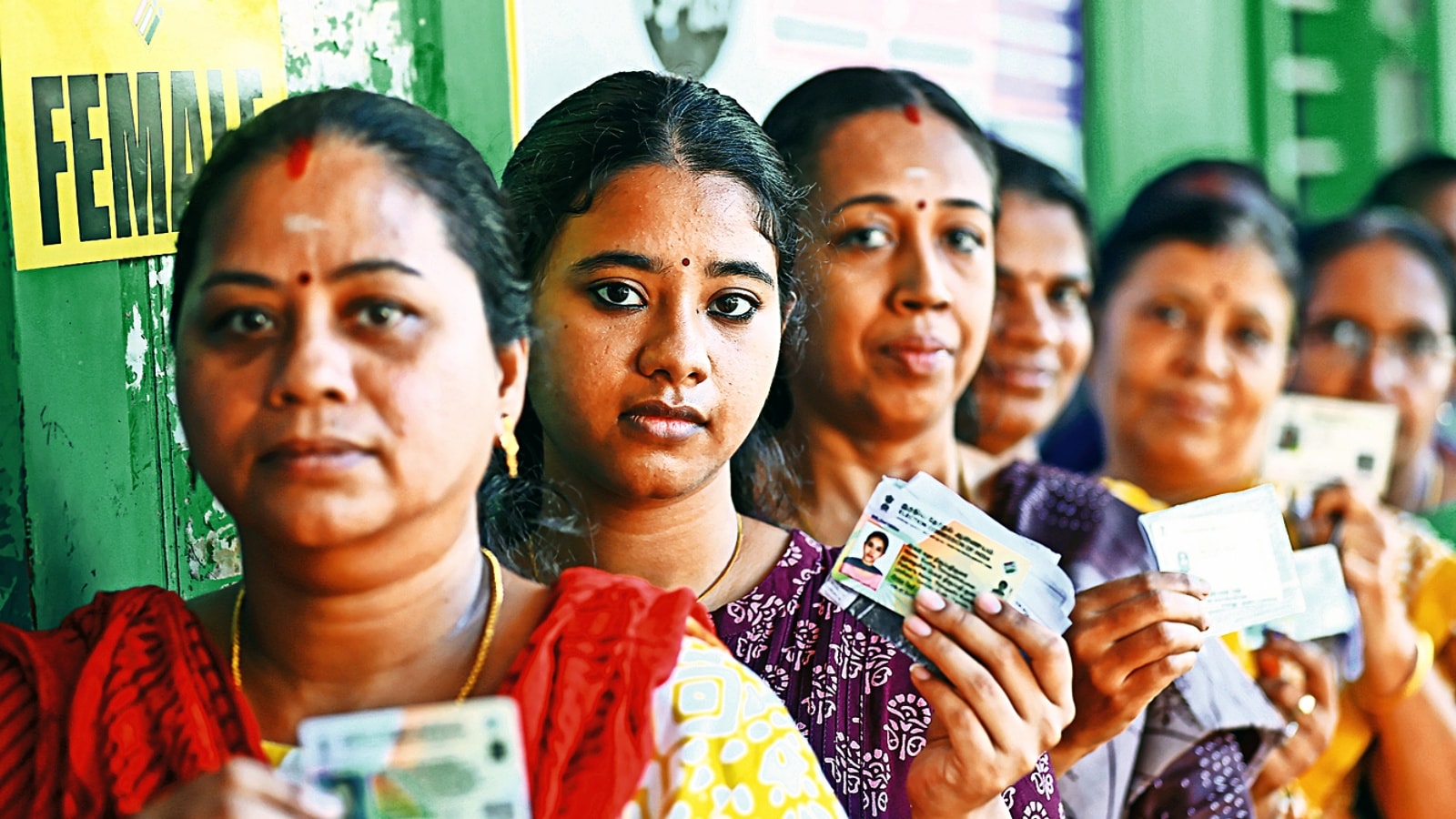
In the outpouring of “nari vandana” following the defeat of The Constitution (131st Amendment) Bill, 2026, in the recent Session of Parliament, which the government insisted was essential to give roughly half the country’s population at least one-third of its share in power, two words were thrown about casually. BJP leaders described the Opposition’s collective action in defeating the Bill as “bhrun hatya (foeticide)”, while Uttar Pradesh Chief Minister Yogi Adityanath called it “cheer haran (disrobing)”.
With due respect, there is no comparison.
Even those of us who have theoretically escaped being killed in our mother’s wombs for the sin of our gender, never escape being reminded of the possibility of it. My sister and I are only two siblings, and for a long time my parents could not dodge the question, “Did you not try for a boy?” They didn’t, and remain a minority among their families and friends.
For many women alive and around, and those now euphemistically termed “The Lost Girls”; for the women forced to make the choice of the child they could have, or were taught it was what they needed, there is little that comes close to the weight of “bhrun hatya”.
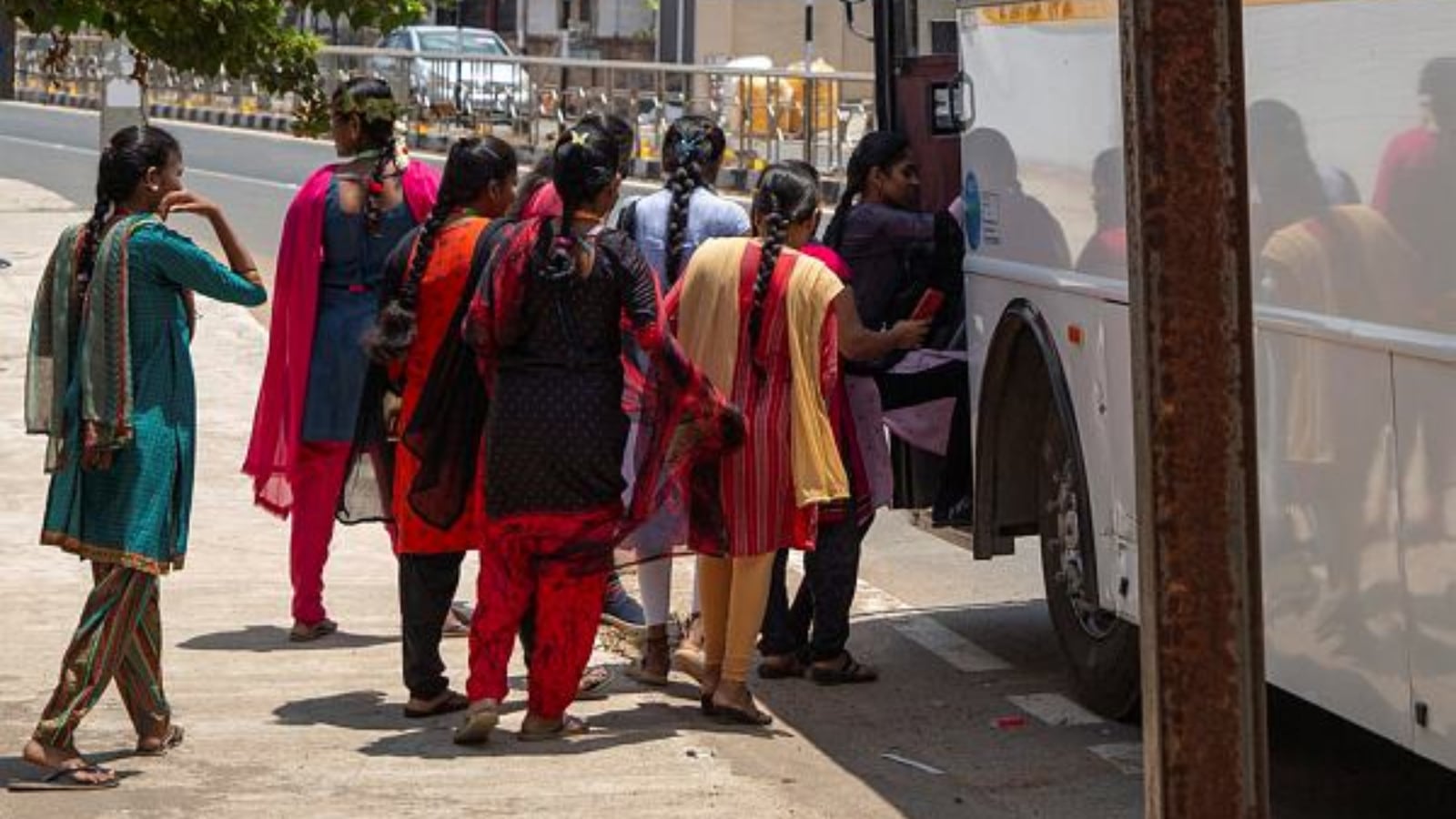
As for “cheer haran”, it goes without saying that, early on in childhood, we learn to mind our own bodies and clothes, because men can’t be trusted not to stray into that space. We may not be Draupadis with a God looking over us, but the onus is still on us to prevent a Mahabharata. In just the past few days alone, women students in colleges in two different parts of the country were “advised” not to wear sleeveless and shorts by men in authority, because… just fill in the blanks.
Not saying that things could not change with a 33% quota for women in Parliament and state Assemblies. There is enough empirical evidence, in fact, to show that there is a change in governance and priorities, and easier access to services for the female gender, when there is a woman in position of authority.
But, it doesn’t require a quota for women to find their space if the powers-that-be — across parties — have their heart in the right place.
How about making a start by stopping legislation broadly described as “anti-love jihad”, but thinly disguising the fact that men head of families don’t think their “gullible” women wards can be trusted to choose partners?
How about we don’t go about putting “vandana”, meaning prayer, in Bills meant to be about women’s rights and welfare, putting the burden of piety on them – again? If the official name for women’s quota Bill is The Nari Shakti Vandan Adhiniyam, the government scheme for pregnant women and lactating mothers is called Pradhan Mantri Matru Vandana Yojana.
How about we stop calling women generically as “maa”, “behen”, “beti”, and see them as individuals with an identity beyond families? The National Crime Records Bureau figures tell us that if India recorded 4.45 lakh crimes against women in 2022, cruelty by husband or relatives constituted the largest category, at 31.8% of all cases. So much for “maa”, “behen”, “beti”.
How about we not just tighten laws against sexual assault, and in the process make even the whisper of a suggestion of a woman victim’s identity a crime (the erasure of the same reinforcing in a way that the shame is hers to bear), but also ensure their strict implementation.
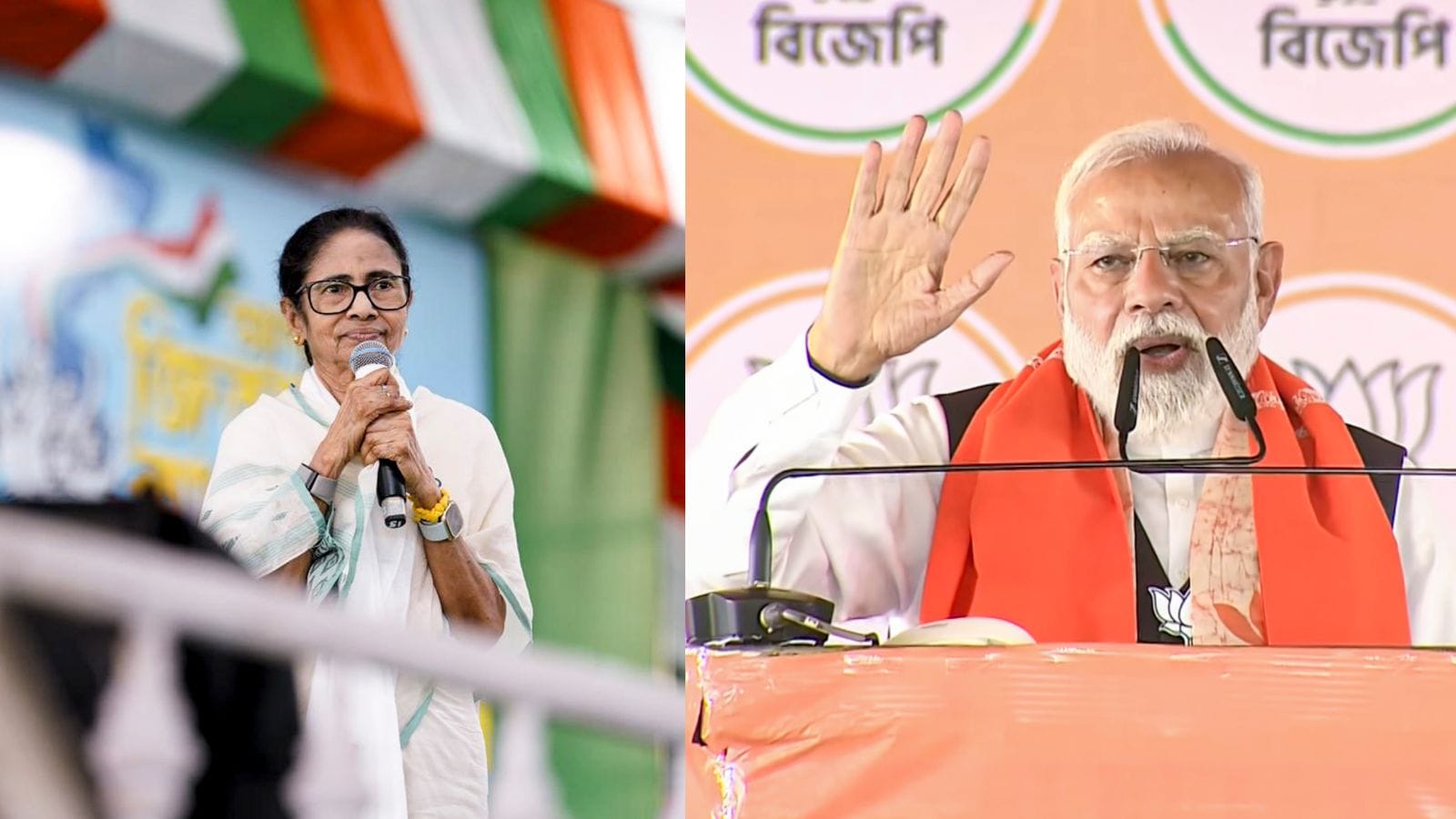
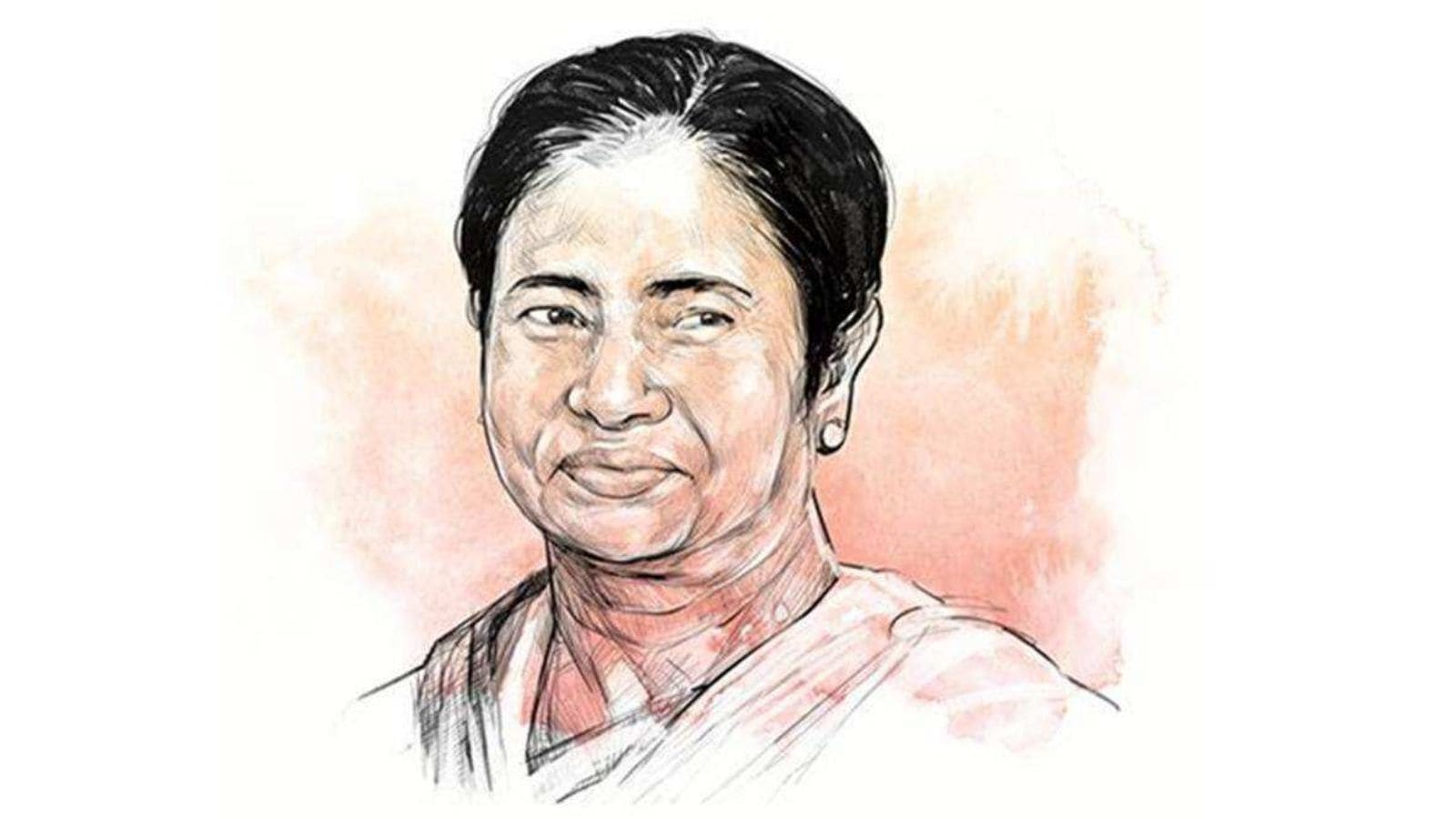
How about we begin by fielding more women in elections to begin with? And, in the middle of one of the most bitter electoral fights in recent history, at least acknowledge that Mamata Banerjee, the only woman chief minister in the country right now, has won three successive elections in her state fielding more women than any quota seen as “reasonable”.
How about we also acknowledge that in a country that ranks 131 among 148 countries in the Global Gender Gap Report 2025, a lot of homes need changing?
The House will have to make way.
Editor (Planning & Projects)
Shalini Langer curates the fortnightly ‘She Said’ column