

The Indian cricket team’s strength is diversity, but a visit to the temple with the T20 World Cup trophy undermines it
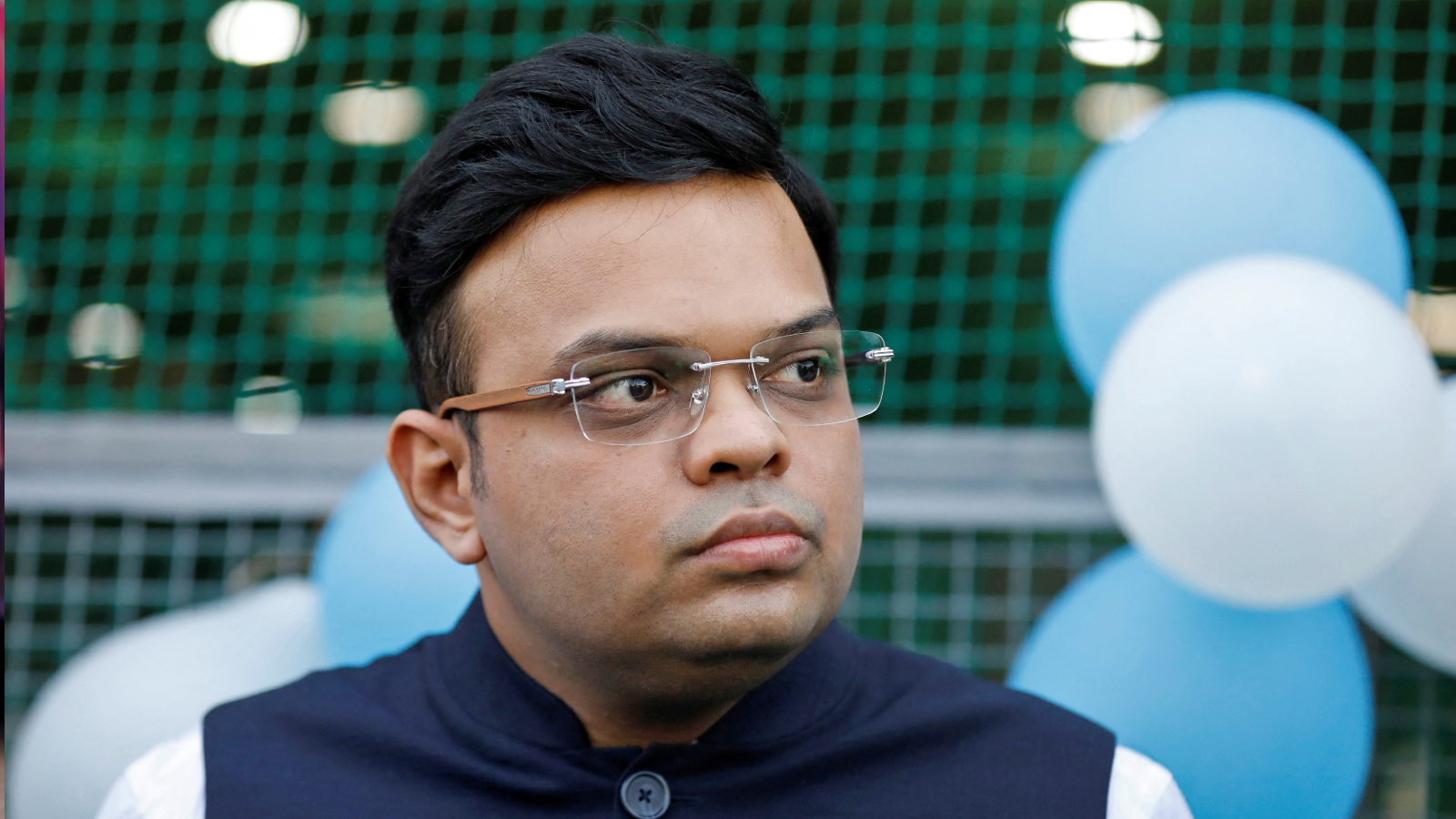
ICC chairman Jay Shah paying homage at a temple would have been viewed as a personal visit had he not been seen with the men of the moment — T20 World Cup-winning captain Suryakumar Yadav, who was carrying the trophy, and head coach Gautam Gambhir. By taking the coveted silverware along, Shah linked a winner’s trophy to a particular place of worship in a cricket-crazy nation.
A day before the T20 World Cup final, the International Cricket Council (ICC) released digital viewership numbers for the semifinal match between India and England in Mumbai. The 65.2 million concurrent viewers on the official streaming platform JioHotstar, the ICC maintained, was the highest ever for a live event. It mirrored the “tremendous progress being made in making the game more accessible and engaging for audiences everywhere,” said Jay Shah, the ICC chairman, in a statement.
With 12 full members and nearly a hundred associate members, cricket is preparing for its return to the Olympics in 2028 after over 100 years, a boost to the ICC’s aspirations of making the sport a truly global one. Shah, a former secretary of the Board of Control for Cricket in India (BCCI) — financially and trophy-wise the powerhouse of the game — will be the face of the ICC as it looks to secure the sport’s place in Future Olympic Programmes. Neutrality is one of the fundamental principles of the Olympic Charter.
After India became the first team to defend the T20 World Cup title, Shah was alongside captain Suryakumar Yadav and head coach Gautam Gambhir when they offered prayers at the Hanuman Tekri temple, adjacent to the Narendra Modi Stadium, the venue of the final between India and New Zealand. Suryakumar carried the gleaming ICC Trophy.
Just hours earlier, the entire nation had erupted in joy as Team India lifted the silverware. Fast bowlers Jasprit Bumrah and Arshdeep Singh, both Sikhs, and player of the tournament Sanju Samson, a Christian, were among the stars of the multi-religious team’s victorious campaign. Mohammed Siraj, a Muslim, is a member of the squad. But here was Shah, the ICC chairman, linking a winner’s trophy to a particular place of worship in a cricket-crazy nation.
Whichever way the temple stopover is viewed, it won’t be lost on anyone that Shah’s big breaks in cricket administration — first as BCCI secretary in 2019, and then getting elected unopposed as independent chair (formal designation) of the ICC in 2024 — happened after the National Democratic Alliance led by the BJP came to power, and won two subsequent elections. His father, Amit Shah, the Home Minister, is one of the most powerful politicians of a government that champions Hindu nationalism.
It’s worth stressing that Shah, as “independent chair”, has a duty to abide by the ICC code of ethics, which also mentions that its officials must not promote the interest of a third party, such as a government or a political body. The temple visit would have been viewed as a personal visit had Shah not been seen with the men of the moment. By taking the coveted trophy along and getting photographed, he promoted religious symbolism, which is unbecoming of the chair he occupies.
The counter to those highlighting that opener Sanju Samson drew the sign of the cross after taking India home in a tough chase against West Indies in a must-win Super Eight game is this: For generations and across sports, legends have looked skywards, bowed for the sajda, touched the head and the chest, kissed a rosary. But restraint that dignifies his office is expected of the “independent chair” of the ICC, no matter what his political leanings are.
The writer is associate editor, The Indian Express
[email protected]