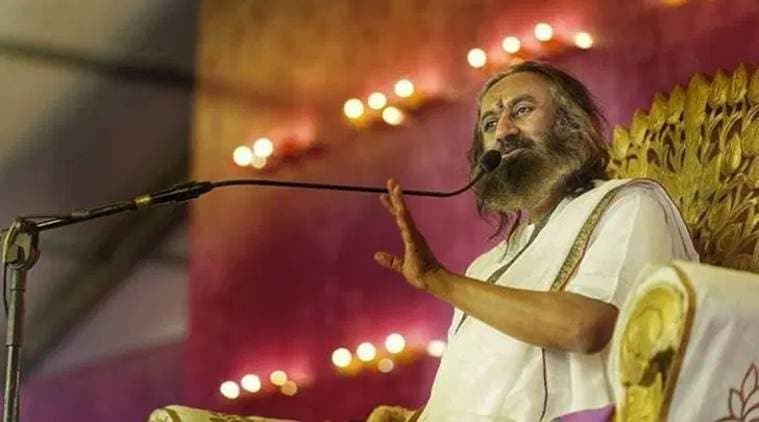


An insider’s account: How Sri Sri Ravi Shankar helped end Colombia’s civil war
What set the Art of Living apart from other organisations involved in the Colombian peace process was the level of trust and personal connection it established with the FARC leadership. Unlike many groups that worked with them from a distance, Gurudev engaged directly, showing genuine interest in their concerns
By Juan Carlos
In 2015, Colombia was at a breaking point. The peace talks between the government and the FARC guerrillas had been going on for four long years, yet progress felt painfully slow. Then came the tragedy that nearly ended it all: The FARC killed a group of young, unarmed soldiers. The country was outraged, and President Juan Manuel Santos, who had invested so much in the peace process, announced that he was freezing negotiations. It felt as if decades of efforts toward peace were collapsing before our eyes.
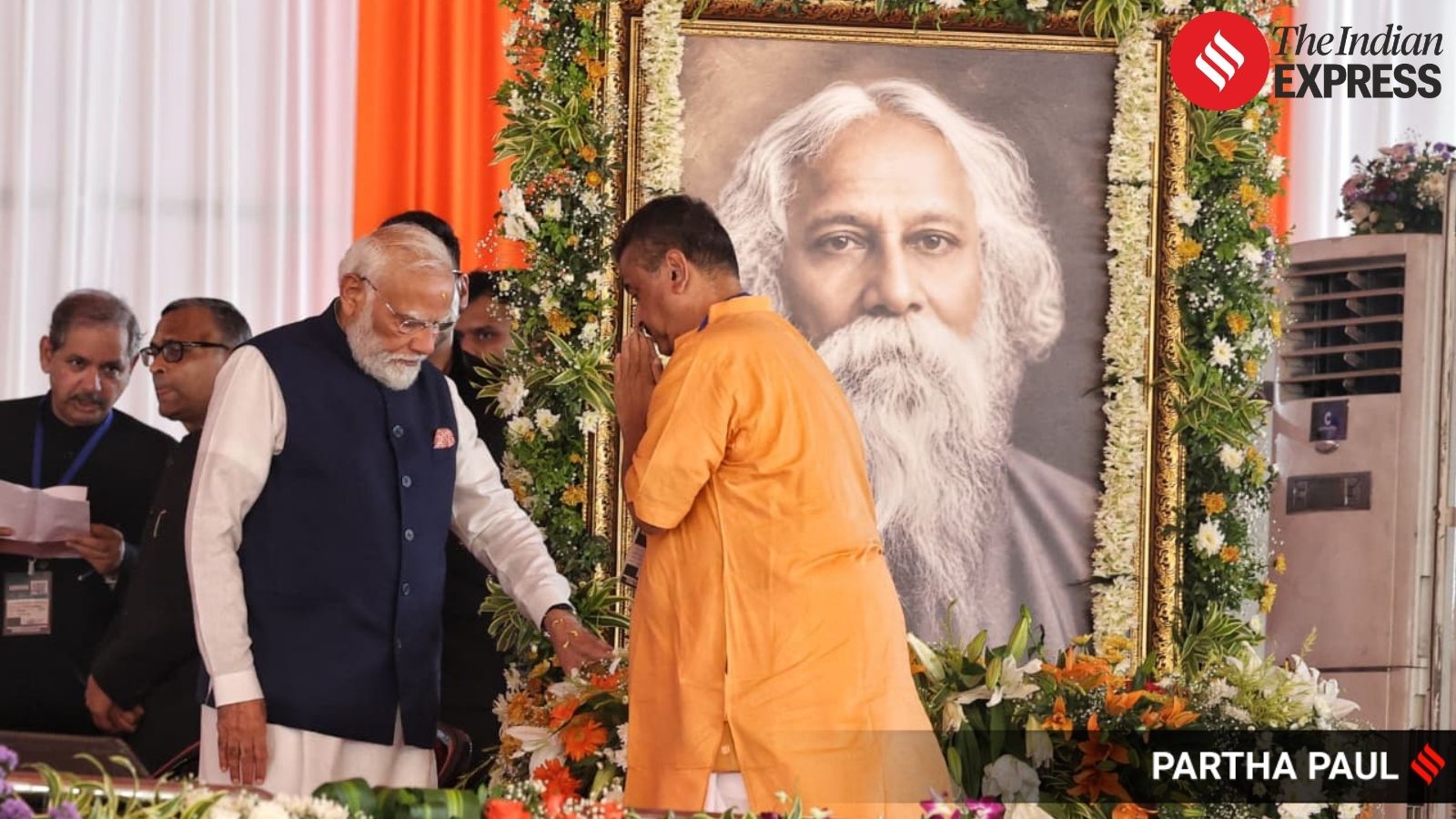
It was during this tense moment that Gurudev Sri Sri Ravi Shankar arrived in Colombia. I had approached the government before his visit, sharing Gurudev’s work around the world and suggesting that perhaps a new perspective, a spiritual one, might break the deadlock. Even President Santos’ daughter, who followed Gurudev on social media, offered to help arrange a meeting. Initially, the President agreed to see him for only 10-15 minutes, but when they finally sat down together, the conversation flowed so deeply and naturally that it continued for over an hour. By the end, President Santos invited Gurudev to Havana, Cuba, where the FARC leadership was gathered for peace negotiations.
When Gurudev arrived in Havana, there was understandable scepticism. After all, the FARC had been at war for over 50 years. Gurudev did not lecture or argue. He spoke to them with warmth and positivity, appealing not to their politics but to their humanity. Over the course of three days, he met with their top negotiators, including Iván Márquez, the chief of the FARC delegation.
What set the Art of Living apart from other organisations involved in the Colombian peace process was the level of trust and personal connection it established with the FARC leadership. Unlike many groups that worked with them from a distance, Gurudev engaged directly, showing genuine interest in their concerns and offering concrete help, even connecting them to the wider world. For example, in Havana, the FARC leaders met the Art of Living President from Colombia, a former Minister of Environment from the extreme right-wing government that had been in power before Santos’ administration, and a sworn enemy of the FARC.
It was the first time they were speaking to someone from the opposite side, yet the dialogue unfolded with openness and mutual respect. This closeness, both personal and sustained, was something they said they had not experienced with other organisations. I believe that, through this, the Colombian government began to realise they had found something extraordinary because they had earned the trust of the FARC. In any negotiation, the hardest part is finding a mediator whom both parties trust.
At first, it seemed as if nothing was changing. From the outside, you would not have thought these conversations were moving mountains. But then, something extraordinary happened. Márquez declared that the FARC would adopt Gandhian principles of nonviolence as their philosophy.
That decision saved the peace process. What countless rounds of formal negotiations and international pressure had failed to accomplish, Gurudev’s compassionate presence achieved in just days. It was after his visit that the talks regained momentum, eventually leading to the signing of the historic peace accord. When President Santos invited Gurudev to attend the signing ceremony, he seated him in the front row next to US Secretary of State John Kerry, a clear recognition of the crucial role he had played.
Years later, after the FARC had laid down arms and transformed into a political party, I organised another meeting when Gurudev returned to Colombia. For the first time, all 12 of the most important former FARC leaders came together in one place, not for war, but to meet the man who had touched their hearts beyond ideology and argument. But perhaps the most telling moment was this: one member of one of the longest-running guerrilla groups told me, while I was teaching them meditation, “He is also our guru.”
If there is one country in the world that is deeply grateful to Gurudev, it is mine. Because Gurudev decided to come to Bogotá, meet with our President, and speak to the FARC leaders in the middle of a very difficult negotiation, we now have peace in Colombia.
The writer is one of the youngest members of the Colombian Parliament