

Sri Lanka’s fuel crisis, triggered by war, shows why structural reforms can’t wait
Sri Lanka has sought help from countries like India. New Delhi has already extended emergency fuel aid of 38,000 metric tonnes
By N Manoharan and Akshaya R Nair
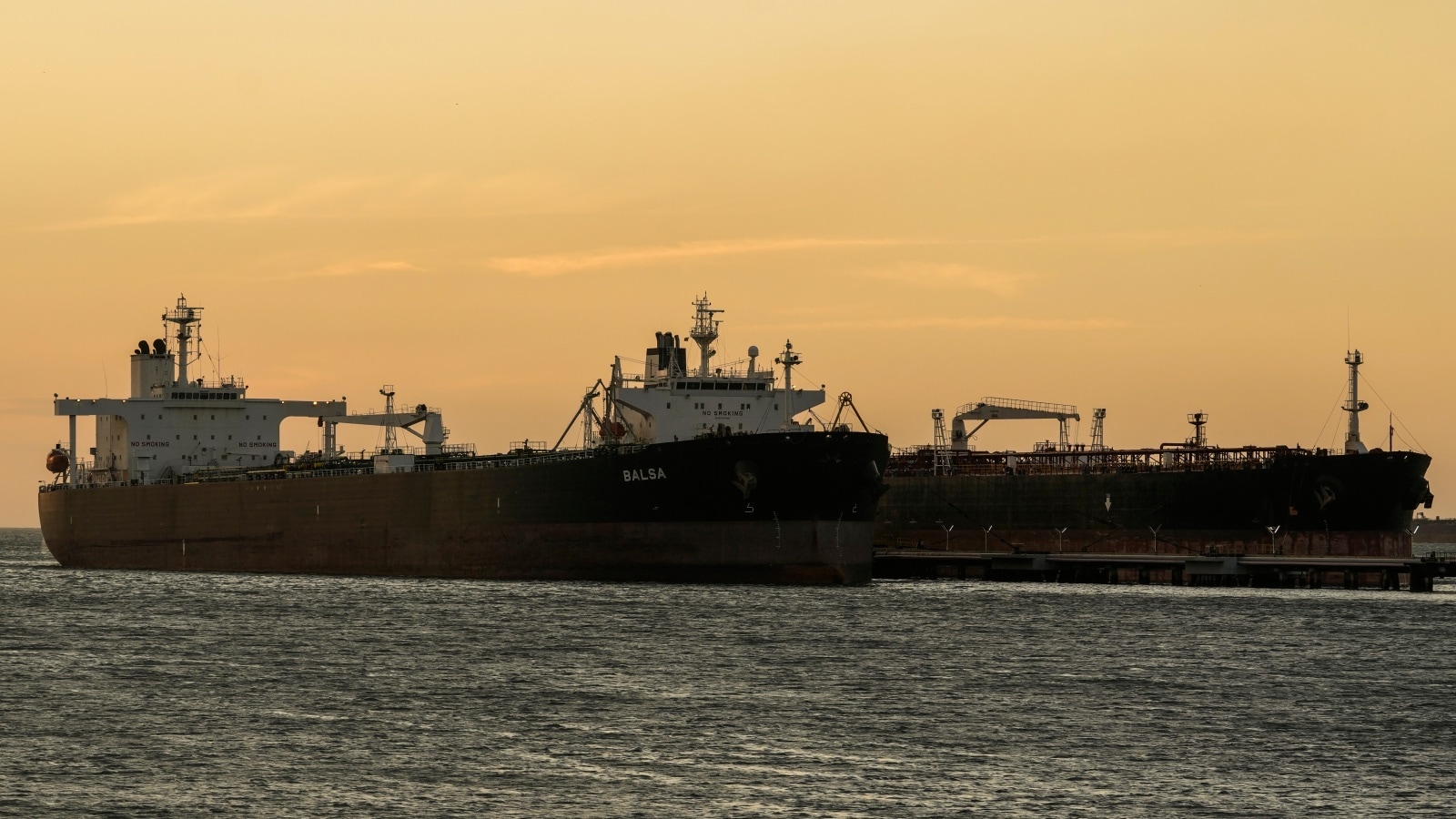
The ongoing war in West Asia has given a “crude” shock to many countries. In an outward-looking economy, the impact is all the more palpable in Sri Lanka in the form of fuel shortages — LPG, petrol, and diesel — and their cascading effects on several sectors. The present situation is like rubbing salt on successive multi-layered wounds on the Sri Lankan polity: The ethnic civil war that went on for nearly three decades (from the late 1970s to 2009), the Easter bomb attacks of 2019, the Covid pandemic, the economic crisis of 2022, and a host of natural disasters in the form of tsunamis, cyclones and floods from time to time.
Sri Lanka is highly vulnerable to external shocks, especially to developments in West Asia. The energy crises of the 1970s, due to the Yom Kippur War (1973) and the Iranian Revolution (1979), hit Sri Lanka very hard. The Gulf Wars of 1990-91 and 2003 became unbearable for the Sri Lankan economy, which was already battling Tamil militancy led by the Liberation Tigers of Tamil Eelam.
In response to the present fuel crisis, the Sri Lankan government has taken two broad categories of measures: Demand-side and supply-side. On the demand side, Colombo has switched to QR code-based rationing of fuel to avoid hoarding and ensure equitable distribution. Accordingly, a weekly allowance has been fixed: A maximum of eight litres for two-wheelers, 20 litres for three-wheelers, 25 litres for cars, 100 litres for buses, and 200 litres for lorries. However, considering the tourism sector, the government has made special arrangements for hotels and tour operators.
To reduce commuting, the government has also implemented a four-day work week for government servants and educational institutions and advised the private sector to emulate this measure. Government institutions have been asked to reduce the use of air conditioners and avoid public ceremonies. The government has also increased fuel prices thrice, amounting to around a 25 per cent overall hike.
On the supply side, Sri Lanka has sought help from countries like India. New Delhi has already extended emergency fuel aid of 38,000 metric tonnes. Colombo is also negotiating with suppliers like Russia for crude to be made available to refineries based in India and other countries such as Singapore, Malaysia, and South Korea, from where Sri Lanka has been sourcing fuel. Since Sri Lanka rescued sailors from the IRIS Dena, reportedly hit by a US submarine, and gave asylum to another Iranian vessel, Tehran could consider helping out Colombo at this moment of need.
Demand- and supply-side measures taken so far are fair, though painful. As Bertrand Russell rightly pointed out, “War does not determine who is right — only who is left.” The impact is already being felt in the form of rising inflation in essential commodities. The festive season in April is going to make matters worse. At the same time, in the longer run, food shortages, the stalling of production of various goods, and, in turn, unemployment are expected to hit the already strained economy.
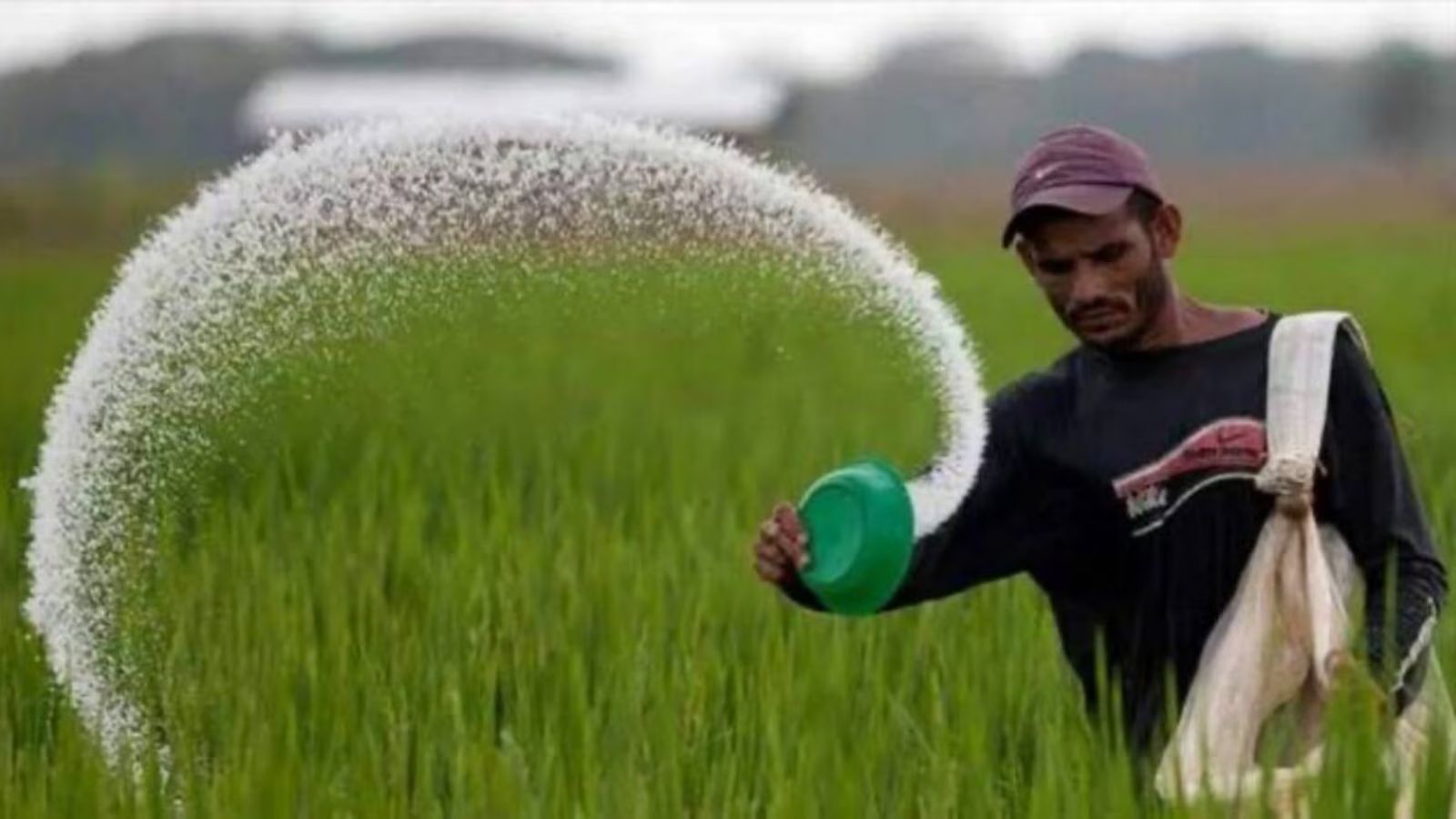
Sri Lanka, facing a food shortage due to the fertiliser issue, is still in everyone’s memory. The fate of about one million Sri Lankan expatriate workers based in West Asia remains uncertain. With their return, remittances take a huge hit. This will, in turn, dent the foreign exchange reserves of the island state.
To address such externally driven fuel crises, as Phil McGraw remarked, “Don’t wait until you’re in a crisis to come up with a crisis plan,” Sri Lanka has to think and act beyond momentary steps and needs to take long-term structural measures.
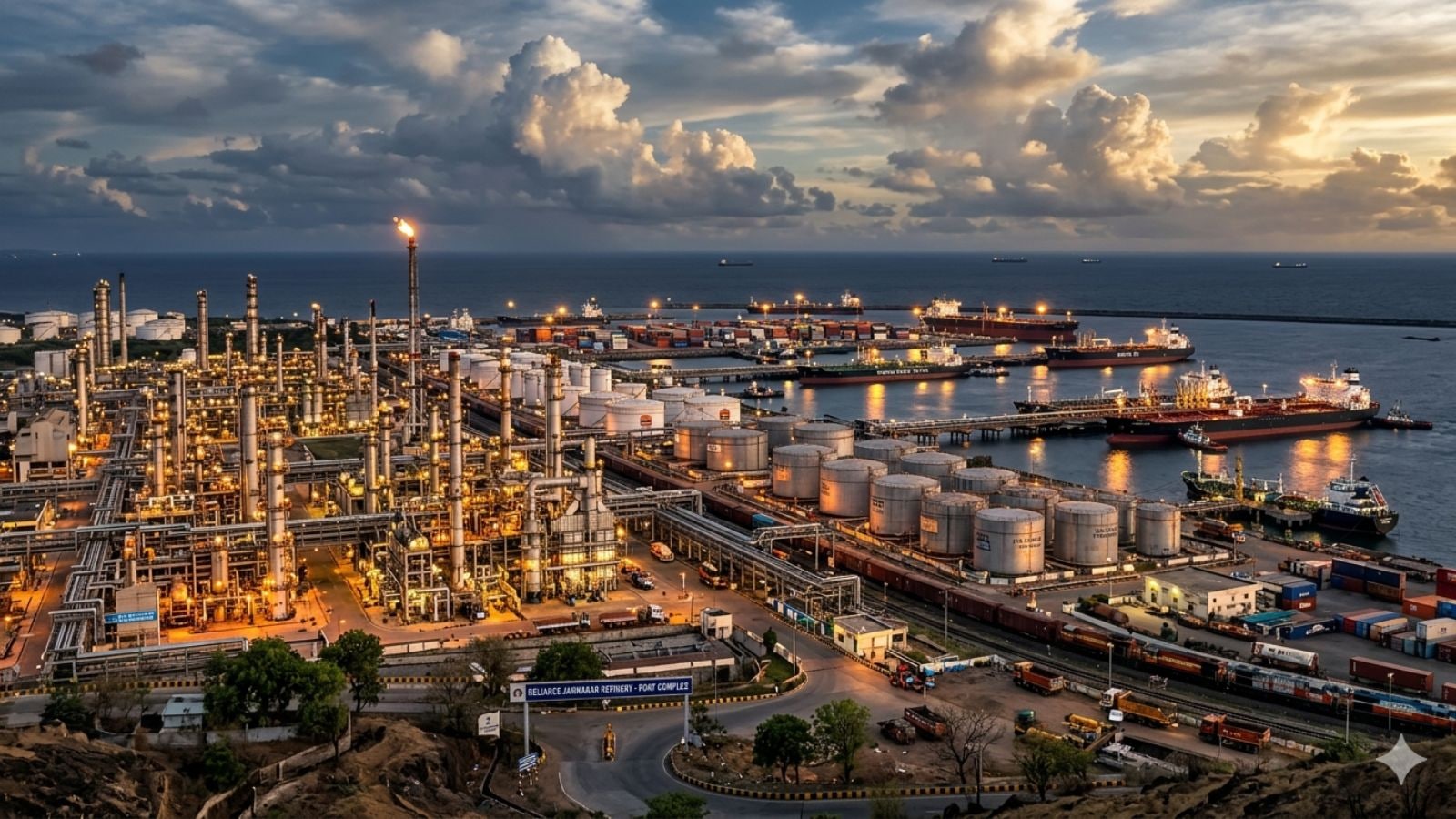
Firstly, fuel storage facilities have to be increased. Present storage facilities are not adequate. They would last only for around a month, depending on usage. In this regard, it is important to seriously take forward the Trincomalee fuel storage tanks project and build additional storage facilities spread across the island. The tripartite MoU between India, Sri Lanka, and the UAE in April 2025 to develop Trincomalee as an energy hub was a step in the right direction. However, as in the past, electoral and nationalist politics should not throw spanners in the project.
Secondly, India and other friendly countries could be requested to lend ships to transport crude that Colombo could secure at concessional rates from other suppliers. Iran has already granted safe passage to commercial ships of five “friendly nations” — India, Pakistan, China, Russia, and Iraq — through the Strait of Hormuz. One or more of these countries could be approached for transportation.
Thirdly, refinery capacity within Sri Lanka could be augmented. Presently, the Sapugaskanda Refinery is the country’s largest. Given that Sri Lanka has a vast exclusive economic zone (EEZ) rich in minerals, indigenous oil production should be taken up seriously. Finally, the Government of Sri Lanka could cut taxes and duties on fuels to ease the burden on people, especially the poor.
Hopefully, the warmongers fathom Sun Tzu’s exhortation: “In all history, there is no instance of a country having benefited from prolonged warfare. Only one who knows the disastrous effects of a long war can realise the supreme importance of rapidity in bringing it to a close.”
Manoharan is Director, and Nair is Research Affiliate, Centre for East Asian Studies, Christ University, Bengaluru