

Shashi Tharoor: West Asia needs sustained diplomacy, not another cycle of temporary pauses
Any mediation requires a mutually-hurting stalemate — a moment when all parties recognise that unilateral escalation cannot succeed
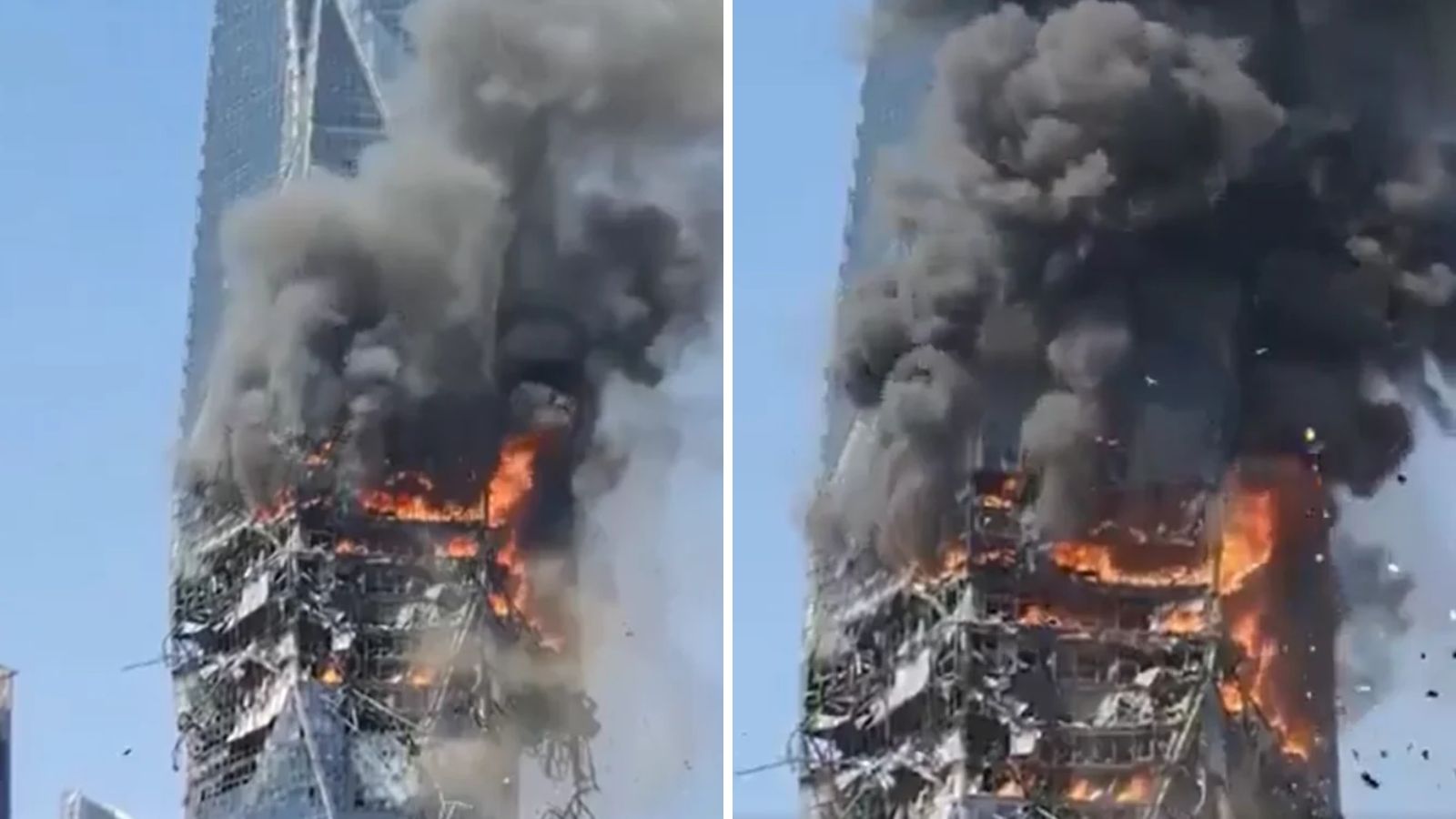
The wars in West Asia that have dominated our newspaper headlines this year all seem to have entered a “no-war-no-peace” stalemate. The Iran conflict is a case in point. Despite recent US strikes on Qeshm Island, Iranian drones striking targets in Kuwait and Bahrain, and two tankers burning after striking mines in the Strait of Hormuz, indications are that President Donald Trump will hold off on resuming full-scale war, even as Israeli officials lobby hard for renewed military action. Some ships seem to be getting through the Strait of Hormuz, some oil is flowing, crude prices are not soaring through the roof, and a recent visit to the Gulf confirms that people have learned to live with a certain level of tension and uncertainty in their lives. The baseline for what “business as usual” means has been redrawn, but life still goes on without a sense of pervasive crisis.
In other words, the direct conflict between the US, Israel, and Iran has entered a heavily militarised limbo. While Washington manages its standoff with Tehran, the prospects for resolving the wars in Gaza and Lebanon depend heavily on political developments inside Israel. Following an inconclusive election that cost Prime Minister Benjamin Netanyahu’s right-wing bloc its Knesset majority, Israeli President Isaac Herzog tapped opposition leader and former military chief Gadi Eisenkot to form a new government. This is a protracted process, but should Eisenkot succeed in assembling a centrist coalition (likely involving external backing from Arab parties), the diplomatic landscape could shift dramatically.
In Palestine, we can only hope that a new Israeli government would reopen the humanitarian space in Gaza currently strangled by the occupation, and that the “settler terrorism” blighting the West Bank will stop. In Lebanon, where Beirut has indicated willingness to curb Hezbollah’s military dominance in exchange for Israeli withdrawal and international reconstruction aid, a pragmatic Israeli cabinet could seize the opening to formalise a border demarcation and security arrangement. Still, even a moderate Israeli government would refuse to compromise on core security demands regarding Hezbollah’s disarmament and Hamas’s exclusion from power.
Meanwhile, the seemingly endless Yemen civil war erupts sporadically, with Houthi missiles striking Aramco headquarters in Saudi Arabia and allegedly being intercepted before landing in Mecca and Medina. Reports claim the Houthis are bargaining with the Saudis to hold off on their attacks in exchange for a substantial payment, an option that may well be worth considering given the damage the Houthis have done to Saudi interests and the security of the region. The US appears to have resisted Saudi requests to intervene, though the “Mecca Pact” could yet permit the entry of external forces (Pakistan and Turkey) into the conflict if Saudi territory is directly threatened.
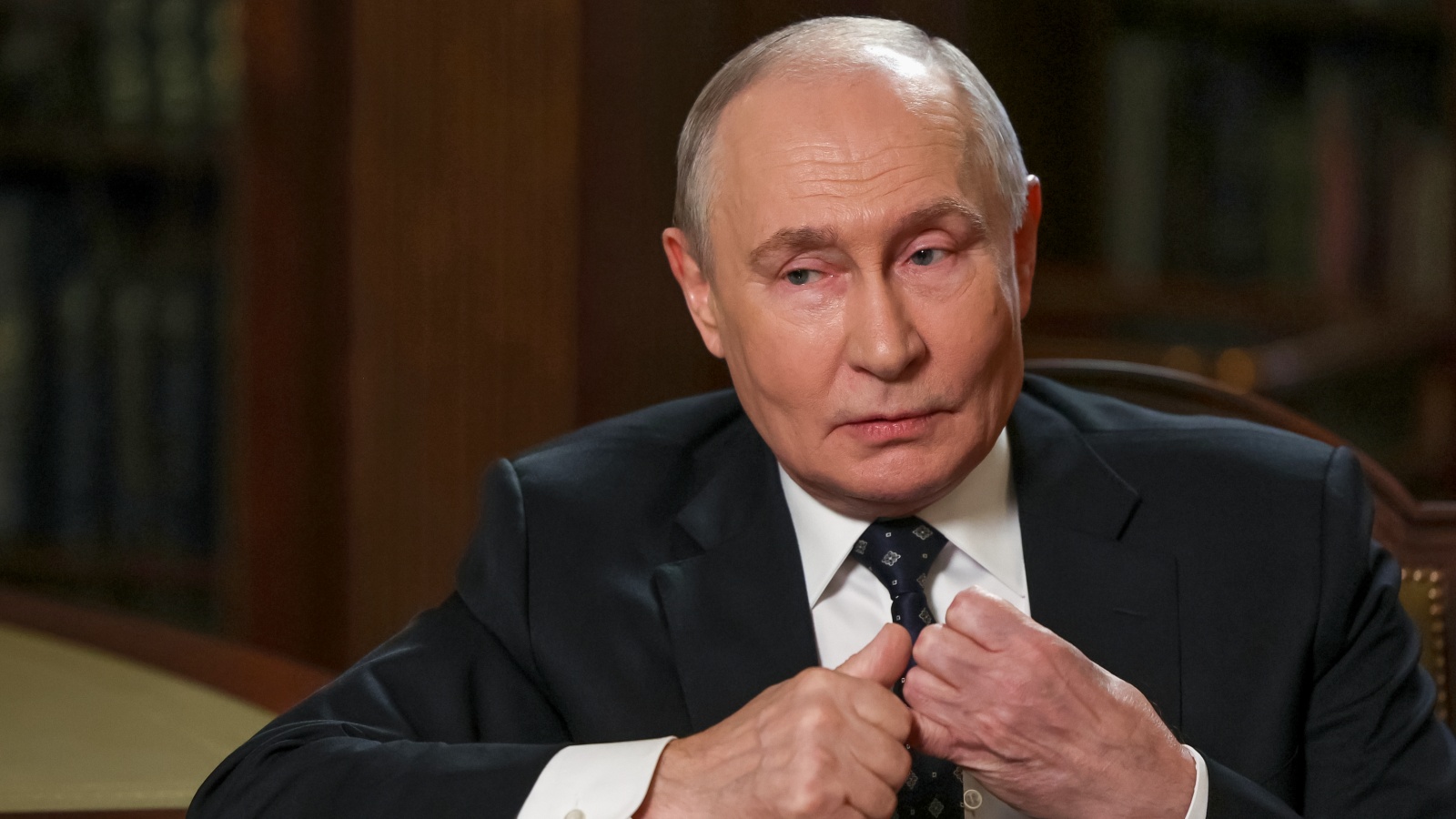
Rather than operating in isolation, these conflicts form a web of proxy warfare, shared supply chains, and common geopolitical interests. At the centre sits a deepening partnership between Moscow and Tehran. After relying heavily on Iranian drones and ballistic missiles to sustain its invasion of Ukraine, Russia has reciprocated during the US-Israeli campaign against Iran by supplying Tehran with air-defence systems, upgraded drone technology, Caspian Sea sanctions-evasion routes, and satellite-targeting intelligence, which has also been shared with Houthi militants. Iran, in turn, acts as the regional hub connecting the Middle Eastern fronts, funnelling weapons, funding, and strategic direction to Hezbollah in Lebanon, Hamas in Gaza, and the Houthis in Yemen. This “Axis of Resistance” coordinates multi-front pressure designed to encircle and exhaust Israel, as well as to disrupt global maritime traffic in the Red Sea and Strait of Hormuz. For Russian President Vladimir Putin, this continuing Middle Eastern instability is a strategic windfall: It drives up global oil prices to fund Russia’s war machine while stretching American and European military stockpiles, air-defence interceptors, and diplomatic bandwidth thin across two major theatres.
Overlaying all the arenas is a distinctly personal geopolitical driver: Donald Trump’s well-documented desire to win the Nobel Peace Prize. Having framed himself as the ultimate dealmaker capable of ending “endless wars,” Trump might view these overlapping crises — particularly a grand bargain linking Middle East normalisation with a cessation of hostilities in Ukraine — as his final, historic opportunity to secure the global accolade.
Are any of these conflicts actually “ripe” for a durable settlement, or are the belligerents merely playing for time? Any successful mediation requires a mutually-hurting stalemate — a moment when all parties recognise that unilateral escalation cannot succeed and that the cost of continuing to fight exceeds the pain of compromise. By that measure, none of these conflicts is truly “ripe” for a comprehensive peace settlement. Gaza and Lebanon offer the closest approximation of diplomatic ripeness, particularly if an Israeli political realignment displaces the most belligerent domestic players. Yet even there, deep-seated trauma, fragile Lebanese state institutions, and the unresolved question of Palestinian statehood make a lasting peace elusive.
A more fundamental word of caution is due. The notion that “no-war-no-peace” can last indefinitely is questionable. Trump has asserted that the US does not even need a formal deal with Iran, boasting that Washington holds hundreds of billions of dollars in frozen Iranian assets and controls the Strait of Hormuz, while the Pentagon maintains a two-carrier deployment in the region. Declaring victory while maintaining a suffocating economic and naval stranglehold seems to be the preferred American option. But Tehran’s leadership rejects the premise that it has been defeated and refuses to capitulate under duress. Without a structured diplomatic track to address Iran’s nuclear and ballistic missile capabilities, this “status quo” containment risks miscalculation, covert escalation, or a sudden flare-up triggered by proxy attacks.
One thing I learned from my long service at the United Nations is that while temporary truces or short-term transactional arrangements remain achievable, and could momentarily forestall war, forging durable peace requires sustained, coherent diplomacy rather than episodic pauses. If the “usual suspects” cannot make headway, is there room for a new actor to try? Might New Delhi, which enjoys good relations with all the belligerents, raise its hand?
The writer is a fourth-term Member of Parliament (Lok Sabha) for Thiruvananthapuram and chairman of the Parliamentary Standing Committee on External Affairs