

Why is RSS not registered? Asking this is either ignorance or politics
Priyank Kharge’s demand that the RSS should produce its registration certificate is frivolous
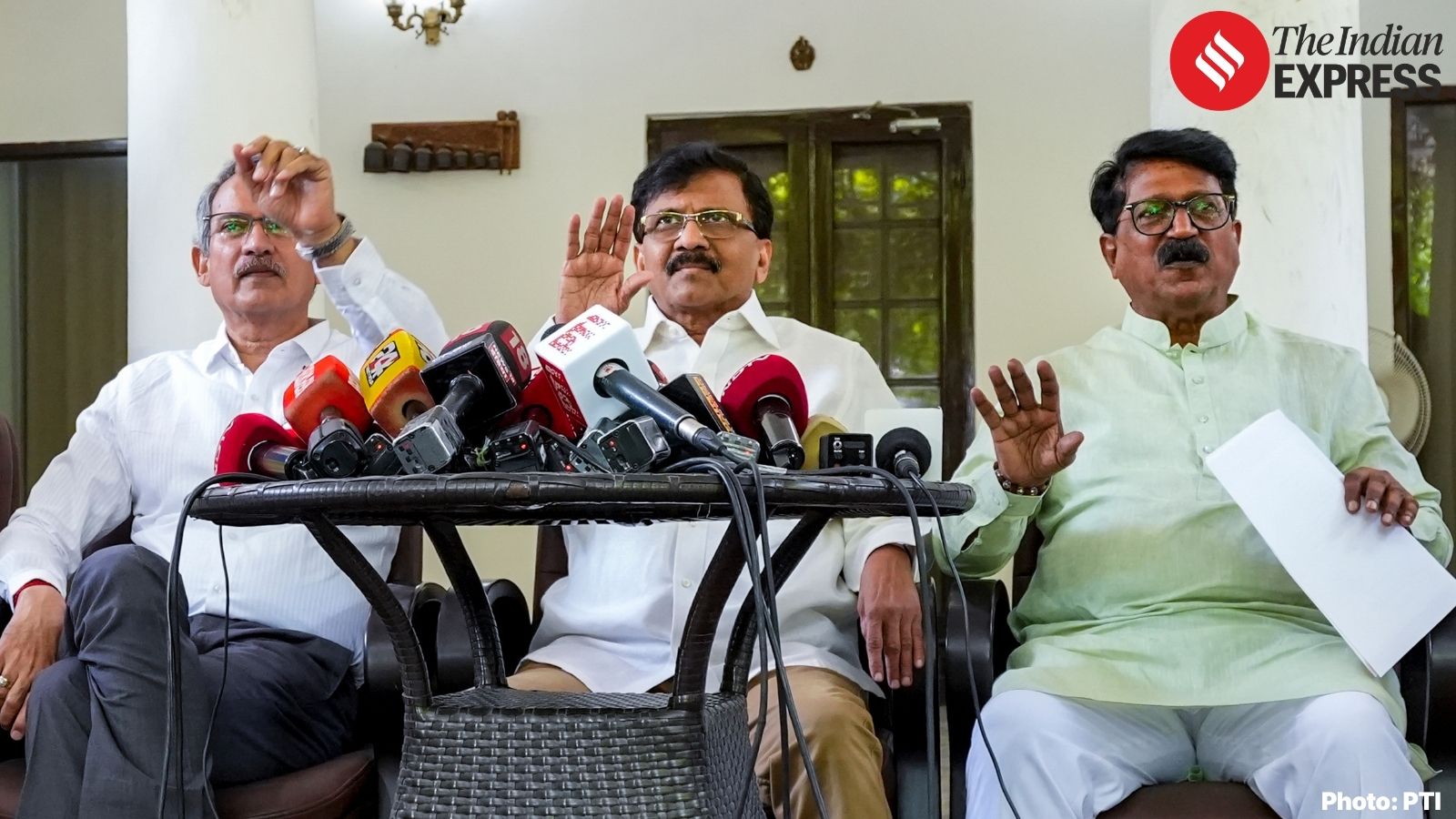
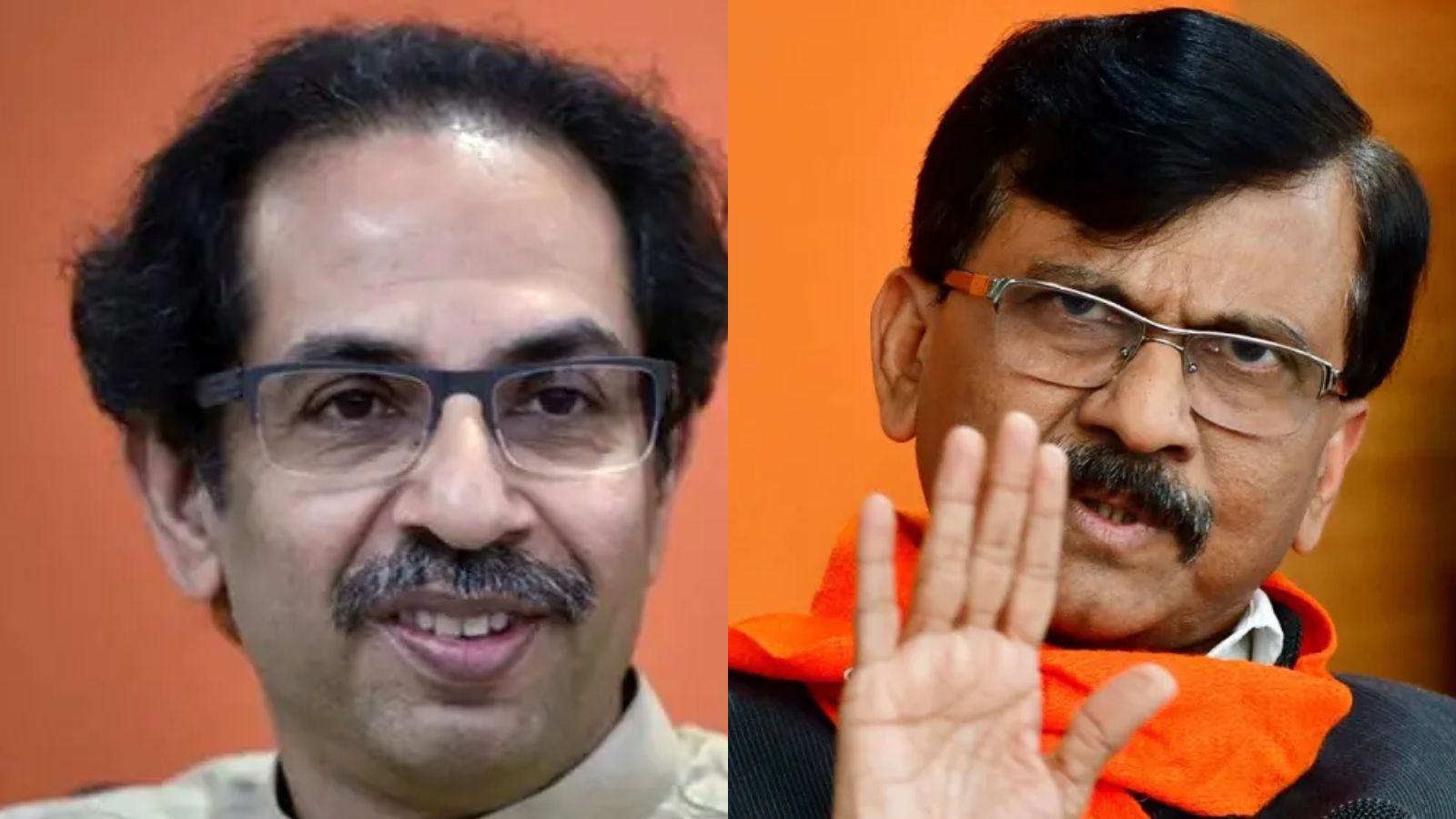
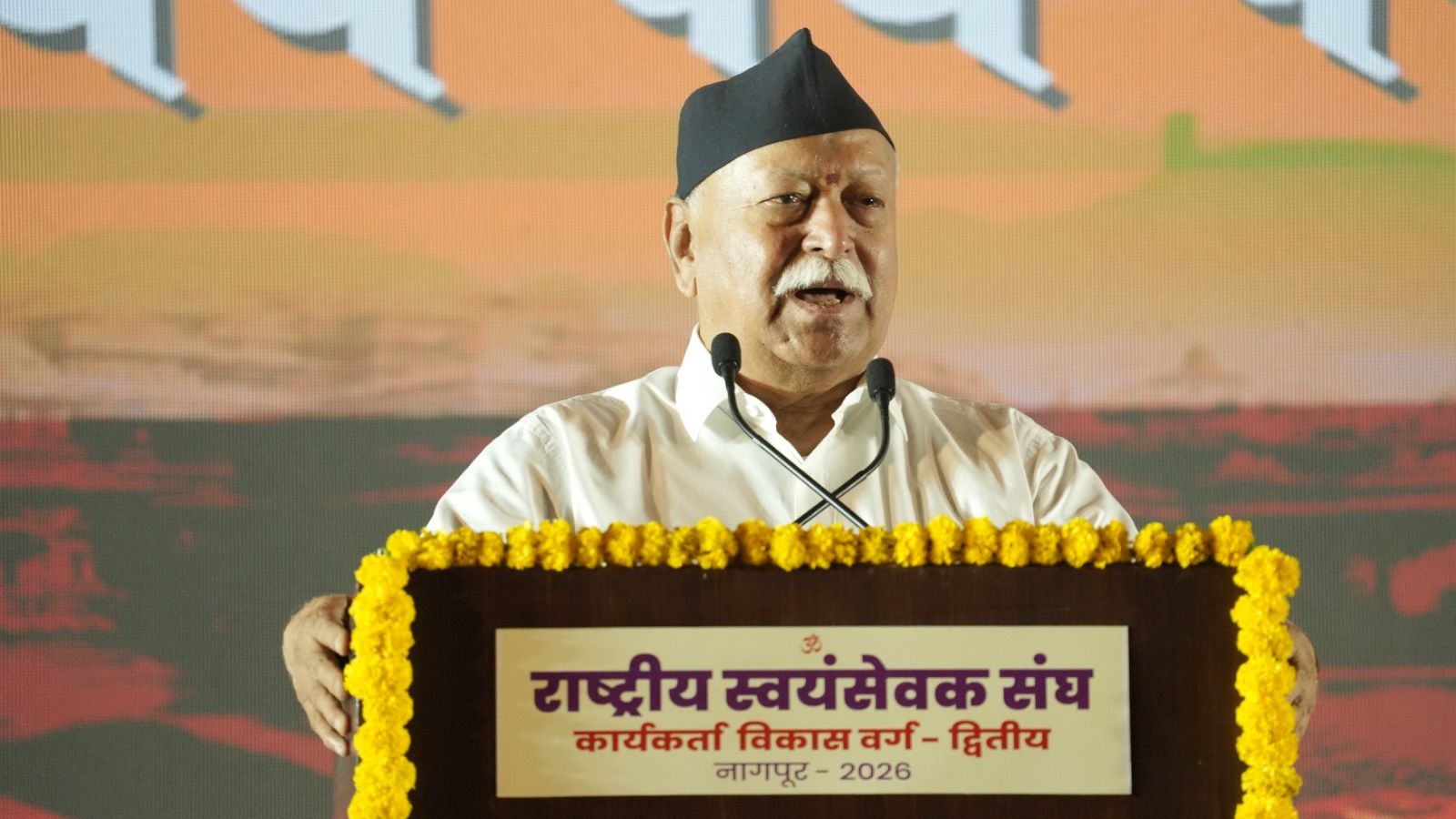
Karnataka Home Minister Priyank Kharge’s letter to the chief of the RSS, Mohan Bhagwat, has dominated the news. “Under which Indian law is RSS functioning?” Kharge cribbed, demanding that the RSS must clarify its “legal status, registration, office bearers, funding, expenditure, taxation, and permissions for public activities.” Predictably, Bhagwat dismissed Kharge’s letter as “politics” and refused to respond to it. “This is politics and these kinds of gimmicks are being tried…we are used to it,” he quipped.
In a TV interview, Kharge insisted that all he was asking the RSS was to abide by the laws of the land. When the interviewer asked him what laws the RSS had violated, he had no answer. He blabbered that he didn’t know under which law the RSS was operating. Article 19 (1) (c) of the Constitution explicitly states, “All citizens shall have the right — to form associations or unions or co-operative societies”. It is this constitutional provision that gives the RSS the right to freely run its activities in the country. The Constitution doesn’t make it mandatory for any such association to register. It is mandatory only for associations that seek funding from the government or are engaged in commercial activities. Neither applies to the RSS.
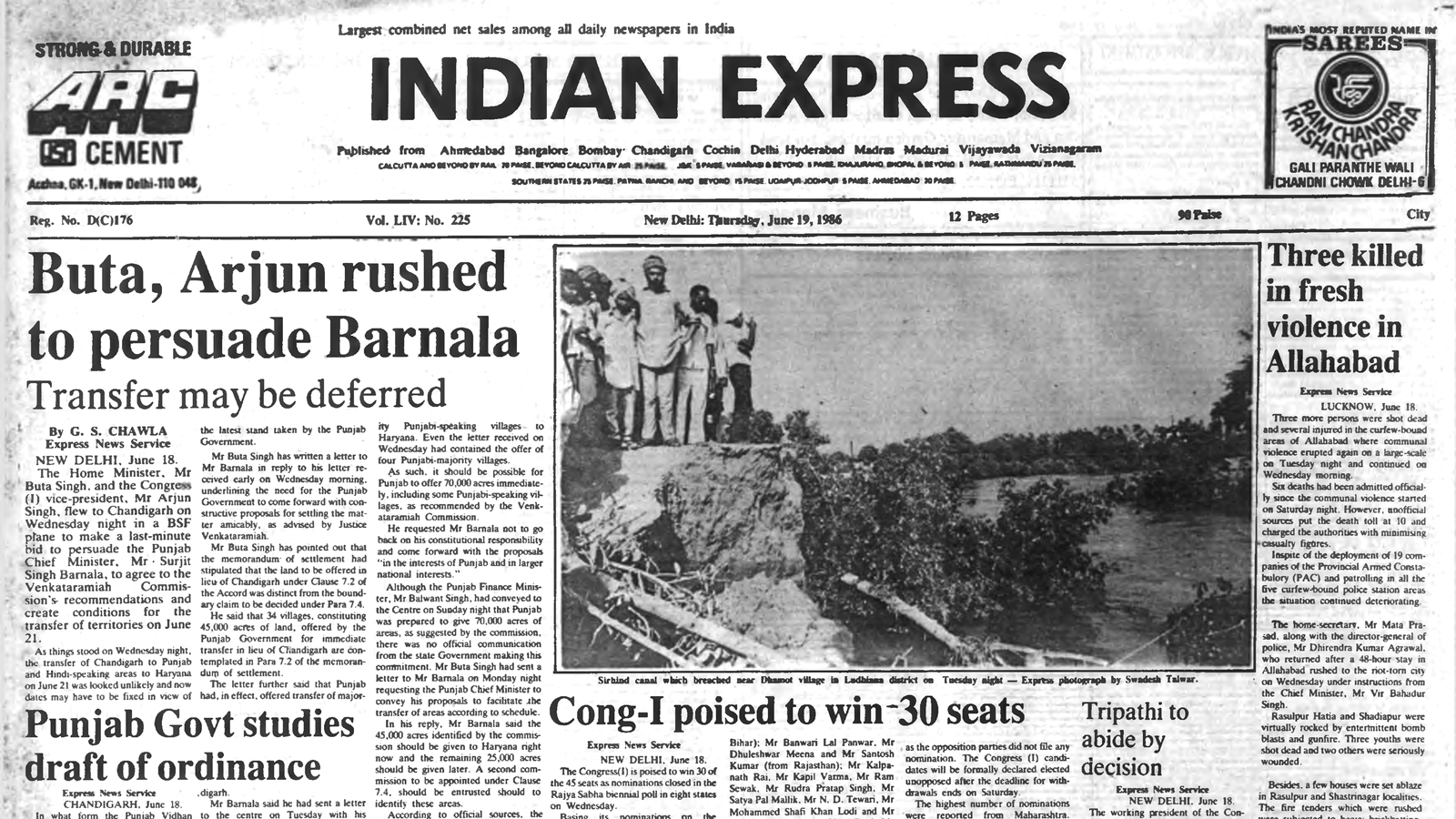
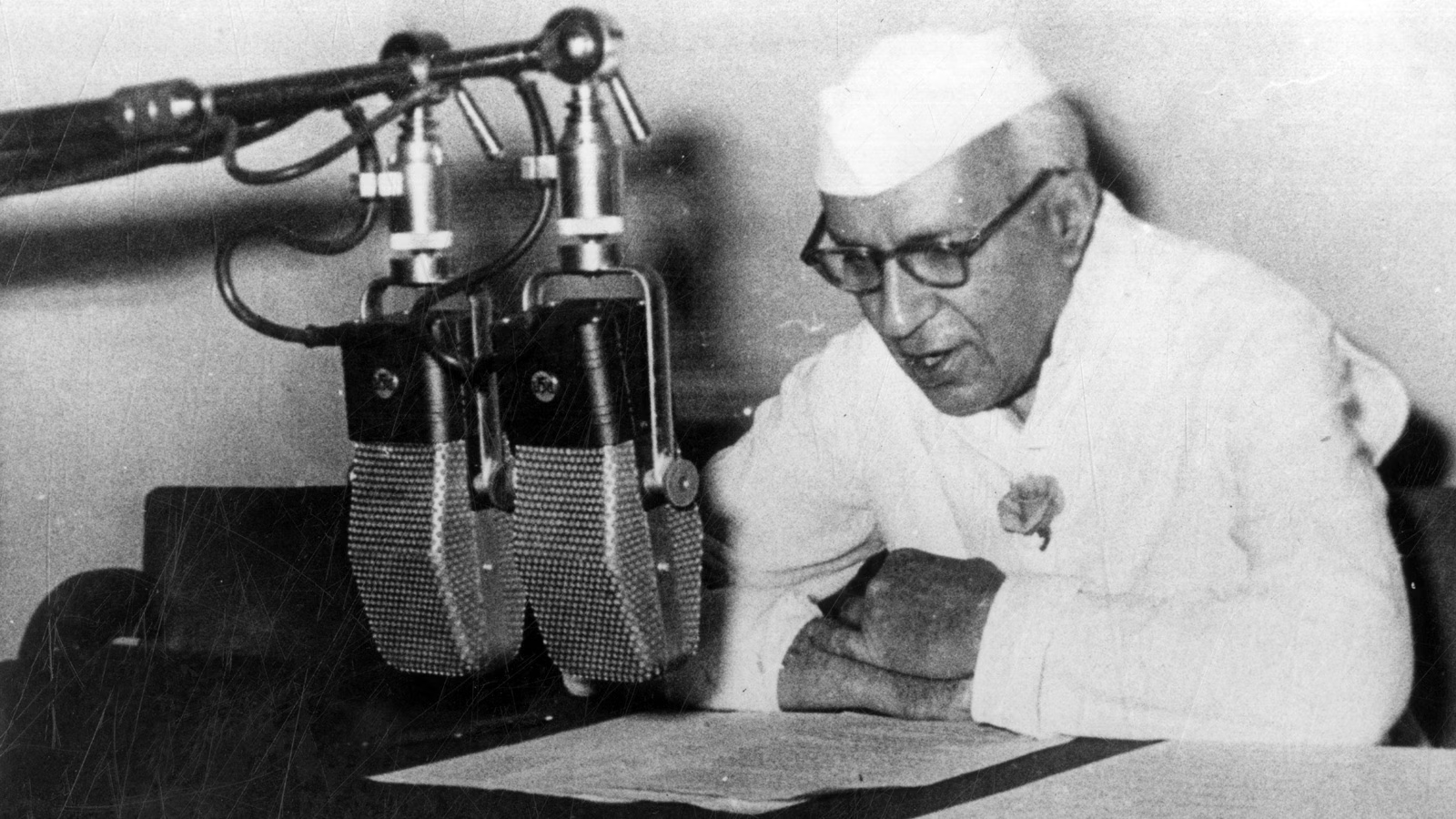
Kharge’s demand that the RSS should produce its registration certificate is frivolous. The RSS has been operating in this country for the last 100 years, 75 of them under the Constitution. In the wake of the ban, on the false allegation of RSS involvement in Gandhi’s murder, the government of Jawaharlal Nehru demanded that it produce its constitution. The organisation duly complied with that demand in 1949. The constitution of the RSS, which was accepted as the basis by the government for lifting the ban, explained its raison d’etre clearly, including the method of collecting funds.
RSS activities continued in the country thereafter, as per the constitution it submitted to the government. Its workers took part in the Republic Day Parade in 1963, during Nehru’s tenure. Prime Minister Lal Bahadur Shastri invited the RSS chief, M S Golwalkar, for consultations during the 1965 war. When Golwalkar died in 1973, Prime Minister Indira Gandhi made an obituary reference in Parliament, saying, “We have lost in Guru Golwalkar a famous personality, who was not a Member of this House. He held a respected position in the nation by the force of his personality and the intensity of his convictions”. None of them ever asked why the RSS was not registered.
Under the Income Tax Act of 1961, the RSS was legally recognised as a “Body of Individuals” — an informal group of citizens operating as a body without being incorporated as a company, a public trust, or a registered society. In its constitution, the RSS explained the fund-raising method saying that “On the ‘Vyas Poornima’ function of every year or any other sacred day fixed for the purpose, every branch will celebrate the ‘Dakshina Day’ and will receive voluntary offerings”. It also stated that such funds “shall be annually audited”. This voluntary funding, called the Guru Dakshina, is covered under the “mutuality” clause of the IT laws. The mutuality principle states that if a group of people pool money for a common purpose and not for generating any commercial profits, such income is non-taxable. Based on this principle of mutuality, the Central Board of Direct Taxes stated in an order that “Gurudakshina from Swayamsevaks on the ground of mutuality cannot be subjected to tax in the hands of the assessee.” The Patna High Court upheld the order of the CBDT in a 1994 case clearly stating that, “Whether… the amounts received from members can be taken to be Gurudakshina and held to be exempt? We answer in the affirmative, in favour of the assessee”.
Many religious and other bodies remain unregistered and yet function freely in the country. As far as the RSS is concerned, except for the main “body of individuals”, all other activities — its properties, schools, NGOs, and sister organisations — are run through duly registered trusts and societies. The RSS was started in 1925 with freedom from British rule as one of the missions. Hence, there was no question of registering under that alien government. Post-independence, it opted to remain a non-registered body under Indian laws, which was respected by successive governments. If someone is raising questions about it today, it must be out of ignorance and political expediency.
The writer, president, India Foundation, is with the BJP