

PM’s appeal for gold restraint — prioritising national interest over immediate personal desire — could mark a powerful inflection point
India’s forex reserves, while robust at over $690 billion, face strain from multiple fronts. Modi framed it as a call for national discipline and Atmanirbhar Bharat in action
In 1933, amid the Great Depression, President Franklin D Roosevelt issued Executive Order 6102, effectively confiscating most privately held American citizens’ gold to bolster US Fed reserves and reflate the economy at below market prices. Americans largely complied — partly out of patriotism, partly out of fear of stiff penalties. The result? The US Federal Reserve became (and remains) the world’s largest official holder of gold, a cornerstone of US national financial strength.
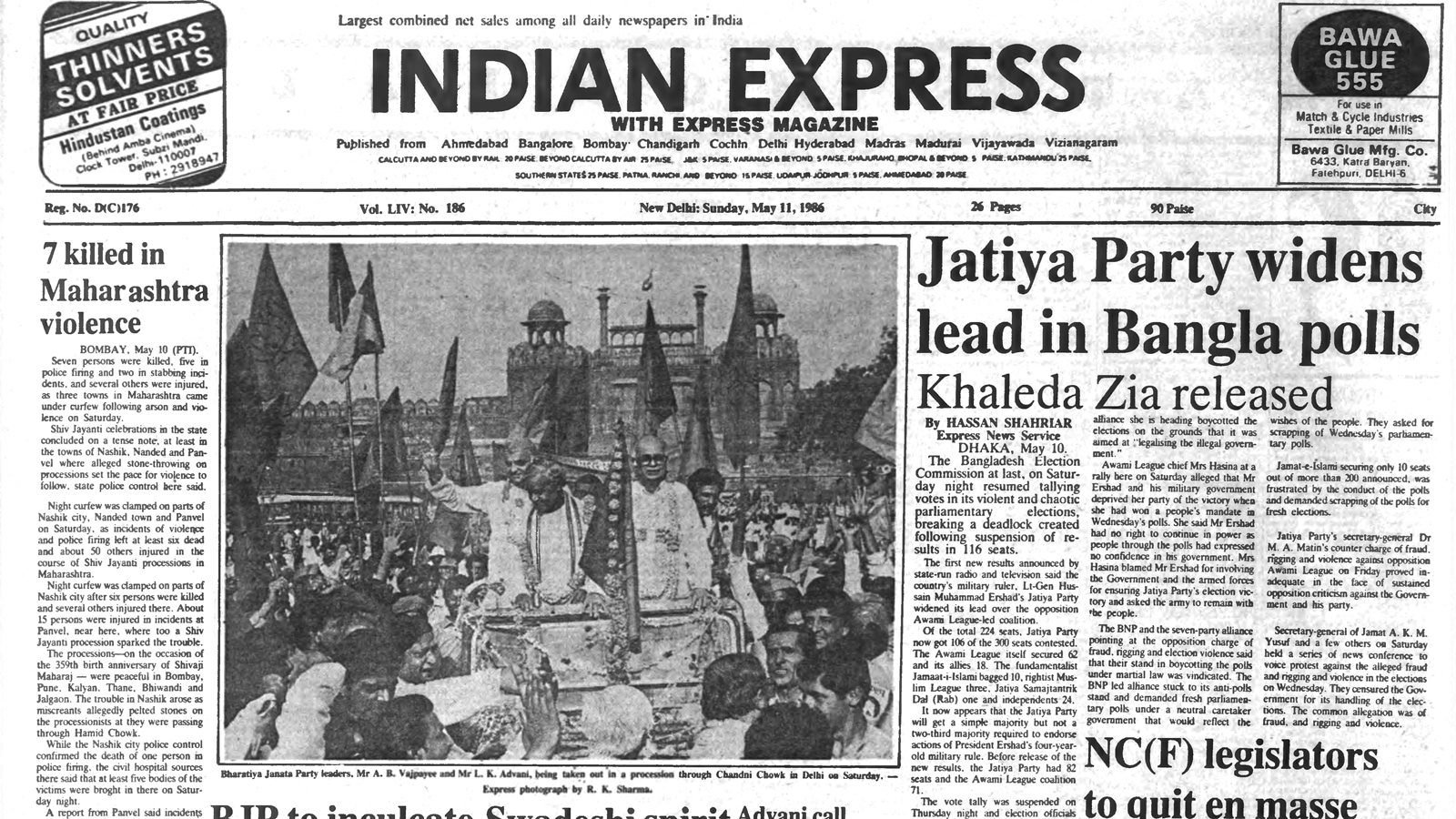
Contrast that with India in 1968. Finance Minister Morarji Desai, a staunch Gandhian, enacted the Gold Control Act to stem a crippling foreign-exchange drain after the 1962 China war and 1965 Pakistan war. Private ownership of gold bars and coins was banned; holdings had to be converted into jewellery and declared. Goldsmiths and dealers faced strict limits. Desai believed Indians would respond as they had during the freedom struggle to the call given by Mahatma Gandhi — by embracing swadeshi restraint and recycling existing gold.
Instead, demand stayed rock-solid. Smuggling exploded. Hawala networks financed it. A vast black economy took root, feeding tax evasion, corruption, and smuggling eventually leading to crime and terrorism. The Act was repealed in 1990, but the cultural obsession with physical gold endured. Post-colonisation India, once a historical superpower alongside China, slipped in global rankings while the US consolidated its position as numero uno and China surged ahead from the 1980s onwards.
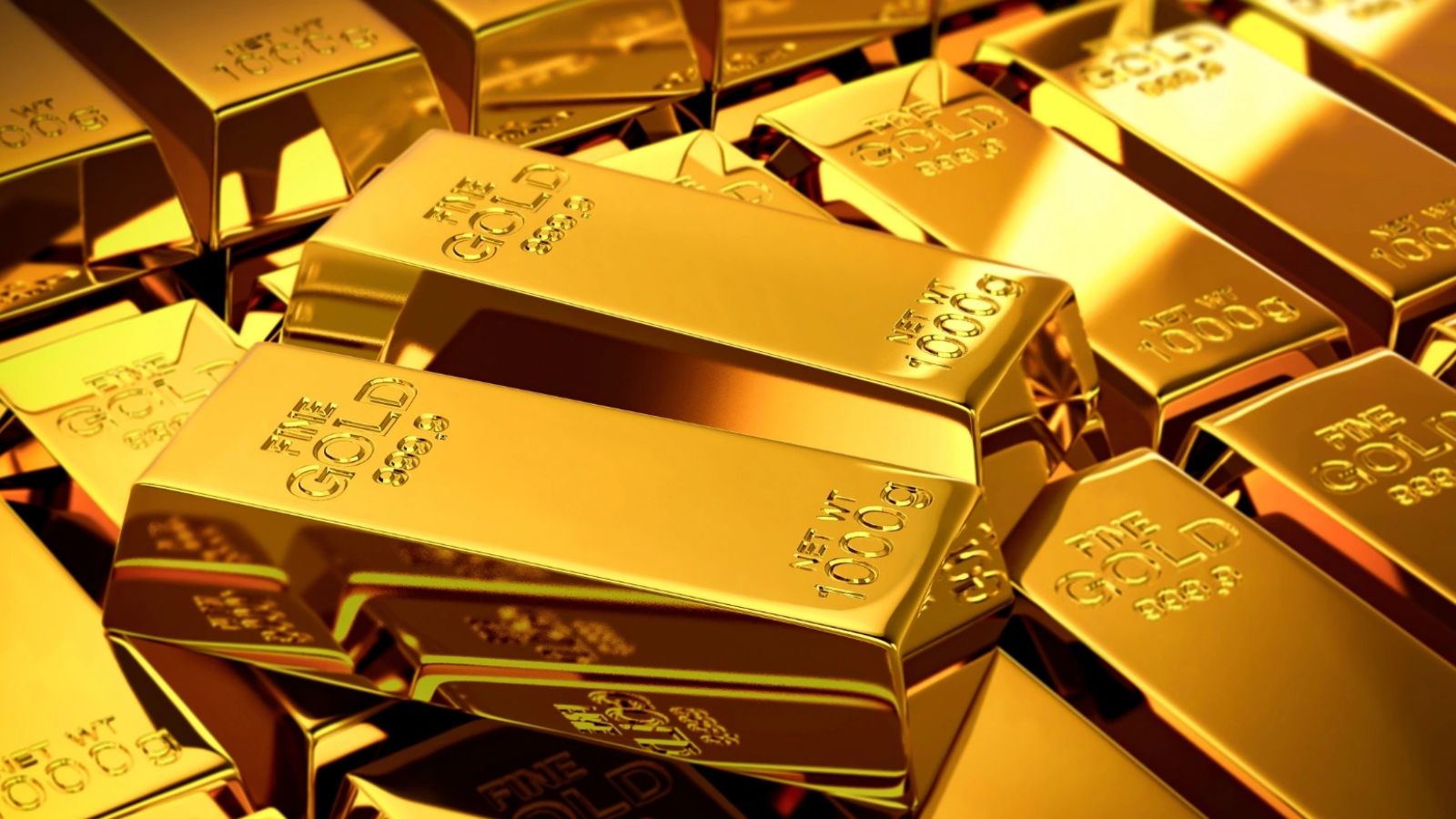
Fast-forward to May 10, 2026. Prime Minister Narendra Modi, addressing a public rally in Hyderabad, made a direct appeal to Indians: Postpone non-essential gold purchases — especially jewellery for weddings and functions — for at least one year. He also urged restraint on foreign travel, fuel consumption (revive work-from-home, use public transport), and unnecessary imports. The context? Record gold imports hitting nearly $72 billion in FY 2025-26, widening the trade deficit, and fresh pressures from West Asia tensions pushing up oil prices. India’s forex reserves, while robust at over $690 billion, face strain from multiple fronts. Modi framed it as a call for national discipline and Atmanirbhar Bharat in action: “We have to save foreign exchange by all means.”
This is not a coercive Gold Control Act redux. It is a voluntary, patriotic request — echoing Gandhi and Desai, but in a vastly different India: Liberalised since 1991, digitally connected, and with financial alternatives unimaginable in the 1960s.
The early market reaction was telling — jewellery stocks tumbled on Monday as investors priced in demand moderation voluntarily or otherwise. Yet, history suggests cultural pull runs deep. Physical gold remains a preferred store of value, inflation hedge, and wedding essential for millions. In FY 2025-26 alone, imports surged in value despite some volume moderation, reflecting steady domestic appetite even in the face of higher global prices. Retail savings, especially below the tax radar, still tilt heavily toward physical assets like gold and real estate.
The gold savings route has evolved over the years. Sovereign Gold Bonds (offering 2.5 per cent annual interest plus gold price appreciation, with capital gains tax-free on maturity), Gold ETFs, and digital gold have provided alternatives to physical gold. Financial inclusion via Jan Dhan, UPI, and mutual funds has grown. Yet, physical gold’s share in total demand remains dominant, especially during festivals and weddings.
What will determine success this time? Not just fear of social pressure or patriotism, but practical enablers that Desai’s era lacked: First, the education and messaging, which has meant framing gold restraint as a contribution to rupee stability, job creation, and poverty reduction — not a sacrifice. Second, innovation and structuring such as through the Gold Monetisation Scheme: Gold recycling scheme, gold lending and borrowing scheme can be implemented to provide an alternative to reduce gold imports. Third, governance and enforcement: While this is voluntary, cracking down on smuggling (still an issue) and ensuring transparent and well regulated markets will build trust. Finally, a long-term structural shift will require creating a level playing field across various avenues of household savings from financial to non-financial options across KYC, taxation, and distribution incentives. Accelerating productive investment — manufacturing, infrastructure, skills — so household savings naturally flow into growth-generating assets rather than precious metal.
India today is not the India of 1968. We have a $4-trillion-plus economy, world-class digital public infrastructure, and a young, aspirational population. Global influence is rising—through G20 leadership, tech exports, and defence indigenisation. Yet, the current account remains vulnerable to commodity shocks.
Prime Minister Modi’s appeal is a timely stress test of collective resolve. If Indians respond as Americans did in 1933 — prioritising national interest over immediate personal desire — it could mark a quiet but powerful inflection point. Reduced non-essential gold imports would ease forex pressure, stabilise/strengthen the rupee, free up capital for investment, and accelerate job creation. Millions could be lifted from lower income to higher levels faster.
A small island nation once built an empire on seafaring discipline and determination. A young republic can surely channel its ancient civilisational strength into modern economic prudence.
The choice is ours. In 2026, will we “back-stab” the call as in 1968, or rise to it as a mature, self-reliant superpower in the making? History is watching — and so is the world.
The writer is MD, Kotak Mahindra AMC