

From phuchkas to a bulldozer: The dismantling of Kolkata’s hawker culture
Undoubtedly, Kolkata’s much-renowned street food culture hinges on the daily labour of hawkers. At their carts, people gather not only to eat but also to discuss opinions, politics, gossip, or their daily experiences. They are the central figures in what is a melting pot of ideas that contributes to an evolving social consciousness
By Madhurita Goswami
2008. Dumdum Junction. I made the first friend with whom I shared my daily train commute to college. Our friendship grew over plates of phuchka outside the adjoining Dumdum Metro ticket counters, persuading vendors to add more of the fiery green chilli extract to the potato filling.
From 2008 to 2011, I travelled daily from Agarpara to St Xavier’s College on Park Street, changing from the local train to the Metro at Dumdum. The junction is the gateway to North Kolkata and the converging point for suburban and long-distance trains and the Kolkata Metro.
At the end of last month, vendors were evicted from the railway land at Dumdum. Stores were dismantled overnight, as part of an anti-encroachment drive, earlier undertaken at the Howrah and Sealdah stations. Bulldozers brought down approximately 500 hawker stalls at Dumdum, with authorities saying that the illegal structures were blocking platforms and approach roads. The suddenness of the drive has left hawkers who had been running their businesses from the railway premises for decades in despair. So far, the government has not announced any official policy for their resettlement.
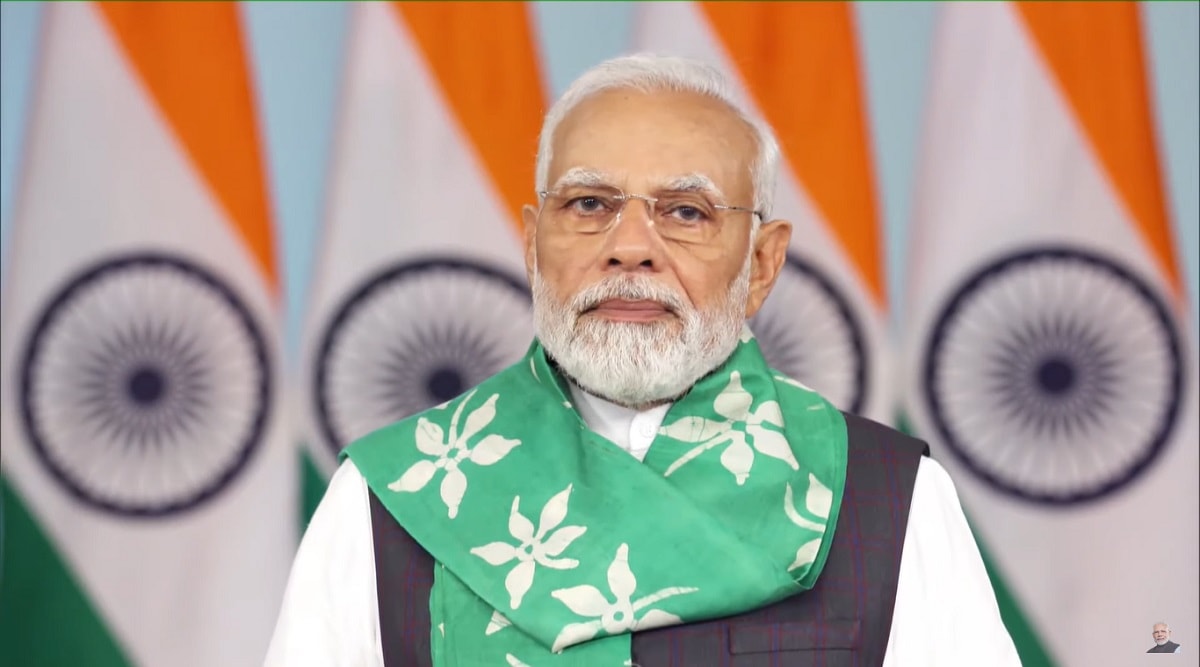
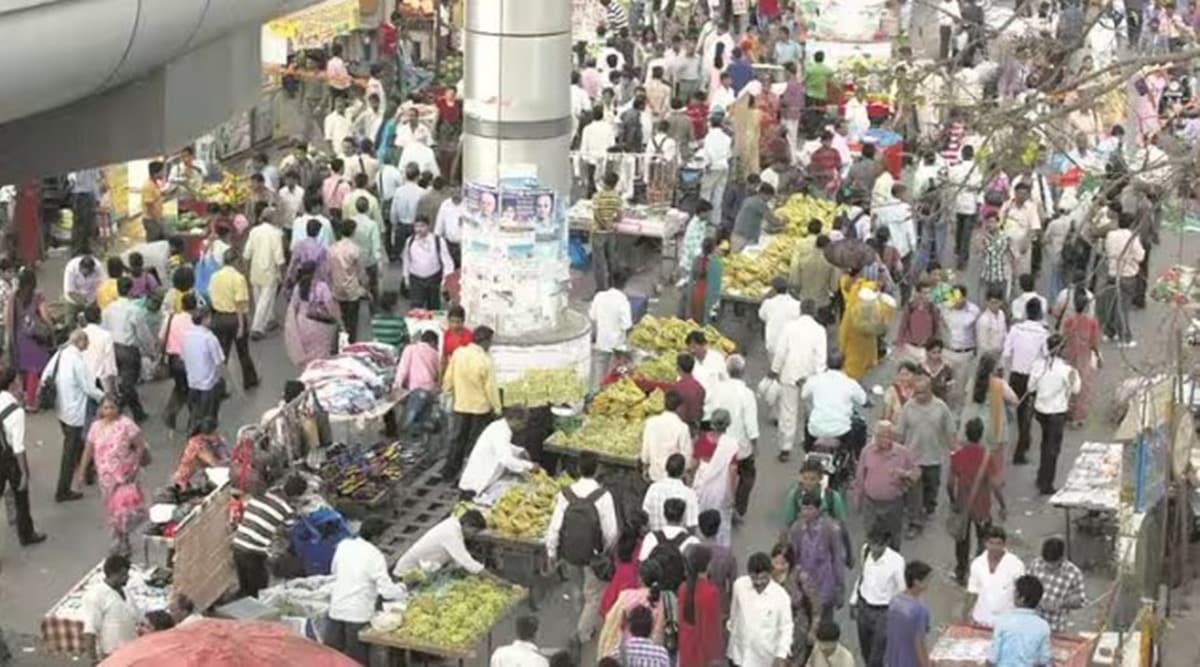
For students like us, who travelled from the outskirts to the city, these hawkers had been a lifeline. After long classes, we looked forward to their phuchkas, jhalmuri — recently hailed by the Prime Minister himself — egg rolls, and other inexpensive fare. Not just students, the hawkers at Dumdum also sustained daily-wage labourers and other working people with modest incomes. Long queues snaked around popular stalls at the bustling transit hub of Dumdum.
Outside the Metro ticket counters, the atmosphere was fair-like — hawkers selling chips and cold drinks, chaat, and even kebabs. My friend and I often ended up at the phuchka stall on our way home. Regulars were given preference, and the potato fillings in the flour shells were made to their liking. If one of the regulars drifted over to another stall, a mock, combative exchange would break out among the vendors.
I remember Raja kaku as the phuchka vendor we had settled on. He would boast that nobody ever got sick after eating at his cart. “I do not use red chillies. The green chillies do not upset stomachs,” he told us.
At other times, we had jhalmuri from the cart stationed right on the platform of Dumdum Junction. In the summers, we experimented with locally made ice creams and cold drinks.
When the hawkers were evicted from Dumdum station, locals came out to protest. But against the Railway Protection Force and police personnel and the infamous bulldozers, they were no match.
Reading about it, miles away from the city, I felt disturbed at my inability to stand by the displaced vendors. They have been hitting the streets, demanding an alternative venue for their stalls.
I also wondered what the new generation of students taking the train will look forward to on their way home. As of now, the question of the hawkers’ resettlement looms large. The nostalgia of people like me who grew up benefiting from what they dished out in minutes is undoubtedly a secondary concern. But as inflation rises, I wonder what will happen to this hawker-driven economy, which didn’t let many of us go hungry.
The hawkers did not just sell food. At train stations — among the most democratic public places — they were the fabric that briefly held people together in their shared love of food, irrespective of their background. They were central to an ecosystem of sellers and buyers, Biharis and Bangalis, Muslims and Hindus, workers and students, commuters and locals, men, women, and those belonging to other gender identities, standing shoulder to shoulder, waiting for their turn to dig into small but filling dollops of pure joy.
Undoubtedly, Kolkata’s much-renowned street food culture hinges on the daily labour of hawkers. At their carts, people gather not only to eat but also to discuss opinions, politics, gossip, or their daily experiences. They are the central figures in what is a melting pot of ideas that contributes to an evolving social consciousness.
I still visit phuchka stalls when I go back home and ask for more heat, more salt, and a phau — a free dry shell in the end. From the vendors’ end, a phau, though a small gesture, symbolises a kind of unique generosity from those with little to spare.
The writer is senior assistant editor, The Indian Express. [email protected]