

Parliament, not fate, must shape road safety
If road accident deaths are preventable, tolerating a governance structure that allows them to continue is a constitutional failure
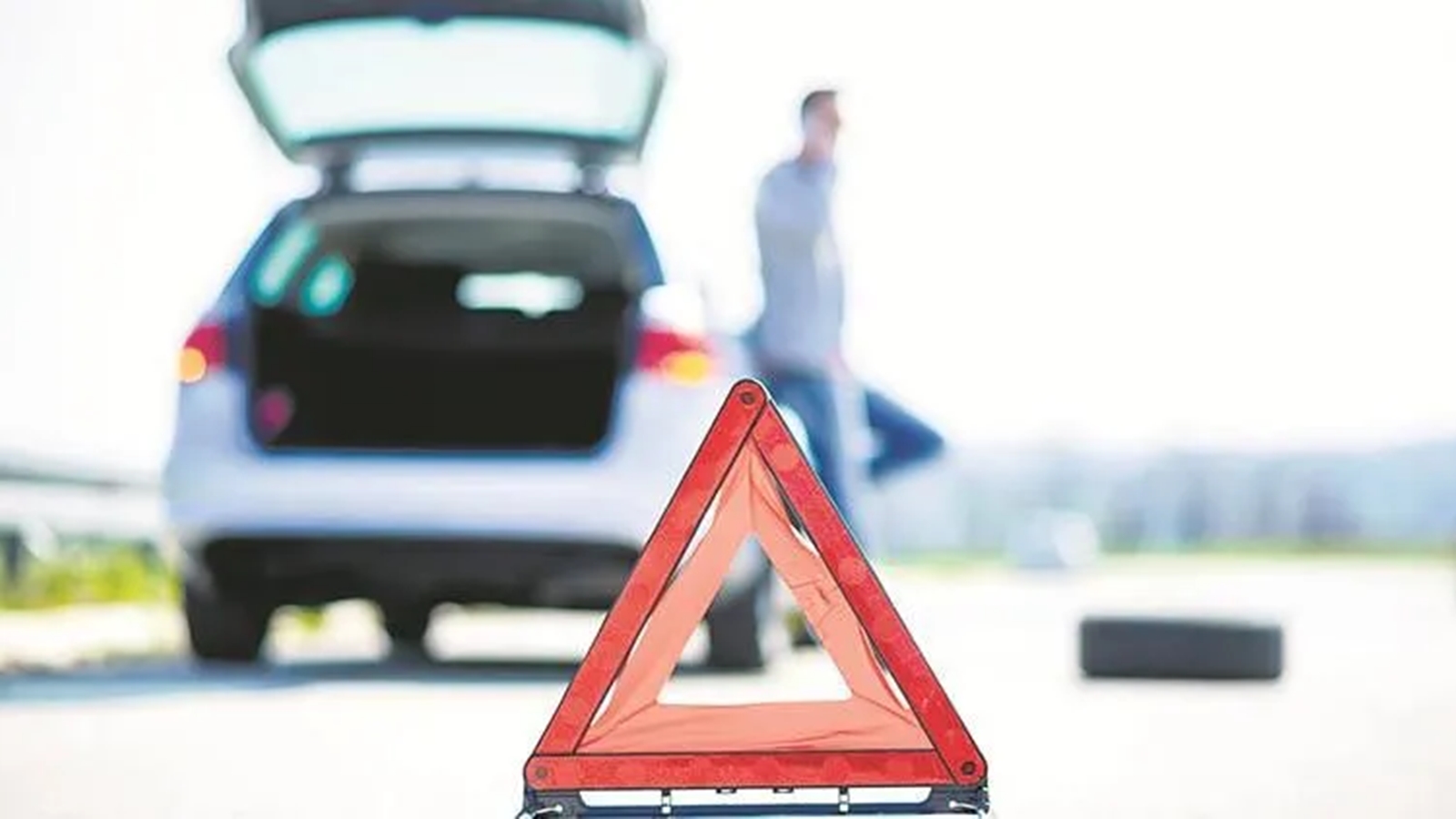
Every three minutes, someone in India dies a preventable death on the road. Two official bodies counted those deaths in 2024 and arrived at three different numbers.
The Ministry of Road Transport and Highways reported 1.77 lakh deaths. The National Crime Records Bureau’s “Accidental Deaths and Suicides” report recorded 1.75 lakh road accident deaths, compiled from police records of accidental deaths through a separate administrative pipeline. The same NCRB’s “Crime in India” report, which records deaths due to negligence relating to road accidents, shows that 1.81 lakh people lost their lives in road crashes. Two agencies, three methodologies, nearly 6,000 lives of unexplained variance.
This gap is not a data problem.India records more road deaths than any other country, despite having a far smaller share of global vehicles. In S. Rajaseekaran v. Union of India (2014), the Supreme Court recorded the full dimensions of the problem. Four working groups had studied what the Court called the four Es of road safety: Engineering, enforcement, education and emergency care. The findings across all four were alarming. Highway maintenance was receiving only 35 to 40 percent of estimated funding. Salvageable patients were dying because ambulances were inadequate, trauma centres absent, and police stations arguing over jurisdiction instead of rushing people to hospitals. Laws on enforcement existed on paper but were rarely applied with consistency.
What gave the Court’s intervention its constitutional force was a prior recognition: That road accidents are not random misfortunes. Every crash, traced to its cause, is the product of human failure, and therefore preventable. The resignation to fate, the Court said, has never been the accepted philosophy of human life. It is precisely this understanding that ties road safety to Article 21. If these deaths are preventable, tolerating a governance structure that allows them to continue is a constitutional failure.
Part of why the problem persists is constitutional. Roads, police, public health and vehicle regulation are divided across the Union List, State List and Concurrent List in ways that ensure no single institution owns prevention. A crash on a highway simultaneously touches at least seven constitutional entries, and not one of them assigns clear responsibility for preventing the next crash. National highways belong to the Centre; State roads and police belong to states; motor vehicles sit in the Concurrent List; public health is a state subject. Jurisdictional fragmentation is not incidental to this failure. It is the design. The institutional response to this fragmentation has been a succession of committees, advisories and proposed boards.
The reform path is constitutional, and it has a precedent.
When tax revenues fragmented across the same three constitutional lists became unworkable, Parliament did not create another advisory committee. It passed the 101st Constitutional Amendment Act and created the GST Council. Road safety authority is fragmented across those same constitutional lists in precisely the same way. A Road Safety Coordination Council built on that model, where Centre and states jointly set standards for road design, vehicle fitness, emergency care and fatality reporting, would give this problem the institutional weight it requires.
Amending the Seventh Schedule to bring roads and traffic more firmly within Parliament’s legislative reach would complete that foundation. It would close the constitutional gaps that every advisory body falls through. Below that structural layer, Parliament needs to mandate District Road Safety Committees by statute with defined powers and real consequences for states that ignore them.
Parliament has acted before when a structure failed too many people for too long. Roads have been failing people for longer. Courts have stepped in on road safety repeatedly because executive and legislative institutions have not built durable accountability. That step-in can only go so far.
The writer is a constitutional lawyer and leads policy advocacy at Crashfree India. Views are personal