

P Chidambaram writes: The interesting times of April
The electoral battle in Kerala, Tamil Nadu and West Bengal will be between the Left-of-centre and the Right-of-centre political formations. The performance of each party will cast a halo or a shadow on its fortunes. It is especially so for the BJP that is considered alien to the two regions’ political and social ethos
I do not know which planets will confluence or which planet will be retrograde but, looking at the political scene in India, I can say ‘we live in interesting times’.
Elections to the Assemblies of Assam, Kerala, the UT of Puducherry, Tamil Nadu and West Bengal will be conducted on April 9, 23 and 29. For the first time in recent years in Kerala, Tamil Nadu and West Bengal, the BJP is challenging entrenched Left-of-centre political parties. In the ideological spectrum, both the UDF and the LDF in Kerala are positioned on the Left of the centre. The DMK-led front in Tamil Nadu (that includes Congress) and the AITC (TMC) in West Bengal are avowedly Left-of-centre parties. All of them swear by the Constitution, federalism, primacy of Parliament/Legislature, secularism, social justice, development with equity, welfare measures, freedom of the media, and liberal economy. The LDF, DMK and TMC rule the respective state governments.
The challenger is the BJP that has positioned itself on the Right of the ideological spectrum. I can think of only the RSS as more to the Right, but the RSS claims it is not a political party. However, it reluctantly concedes that its prominent leaders were, and are, in key positions in the BJP organisation, and many ministers of BJP governments were pracharaks and continue to be swayamsevaks. The common citizen views the RSS as the parent and the BJP as the child. The BJP’s policies and laws are firmly grounded in the ideas of Hindu supremacy (Hindutva), faith in Vedic scriptures and practices, Aryan civilisation or culture, centralism, primacy of Executive, a common language (Hindi), vegetarianism, One Nation One Government, and Korean chaebol-like friendly business houses. The BJP under Mr Modi has made a deliberate break with the consensus that had prevailed until 2014.
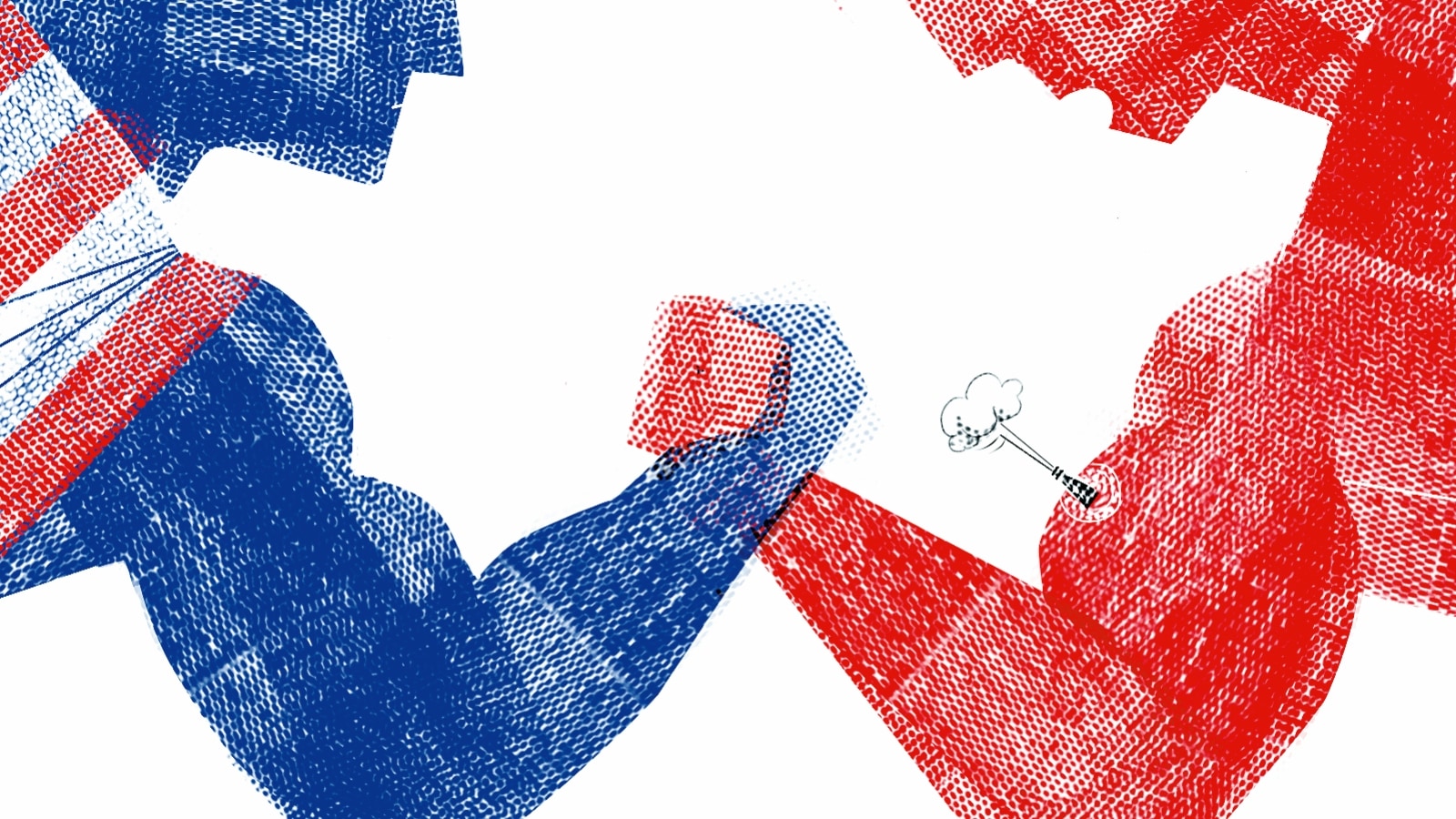
The ensuing electoral battle in the three States will be between the Left-of-centre and the Right-of-centre political formations.
The Congress-led UDF and the CPI(M)-led LDF have held sway during the last 50 years. The small parties have gravitated to one or the other bloc. Kerala’s voters alternated between the UDF and the LDF but in 2021, they broke the pattern by re-electing the LDF which had won in 2016. Both Fronts are strong and have sharpened their electoral strategies. The popular view is that the LDF has ruled for two terms under the ageing Mr Pinarayi Vijayan, and it is time for change. The inept response of the LDF government to the floods (2018) and the Wayanad landslide (2024) has severely damaged the LDF. The Congress has many capable and relatively younger leaders, and is confident of the UDF winning a comfortable majority.
The BJP does not seem to understand the DNA of the people of Kerala. The guessing game is on how many seats the BJP will be able to win; the bet is on a single digit.
The DMK-led front of 2021 and 2024 is intact — and Mr M K Stalin has prevailed upon smaller parties to contest on the DMK’s symbol. The strategy will prevent the dissipation of votes. The AIADMK-led front has suffered erosion of votes since the elections of 2021 (Assembly) and 2024 (LS), but has garnered the support of AMMK, a splinter group of AIADMK. Ironically, a month ago, the AMMK had sworn to never accept Mr E. Palaniswamy as the leader of the AIADMK or the CM face of the alliance!
What does the BJP bring to the AIADMK’s table? Certainly, power of the central government; resources; ECI’s tacit support; and the divisive rhetoric of BJP’s national leaders. Those factors did not work in 2021 and 2024, and may not work in 2026 too.
The BJP is contesting 27 (out of 234 seats) and the speculation on how many seats it will win ranges from the low single digit to 10.
Because of the presence of Tamilaga Vettri Kazhagam (TVK, founded by Mr Joseph Vijay) and Naam Tamizhar Katchi (headed by a trenchant critic of all political parties) — and their capacity to split votes — the election in each constituency will be close but the overall outcome will be in favour of one front. Poll observers and veteran journalists assess that the DMK-led alliance will be voted back to power.
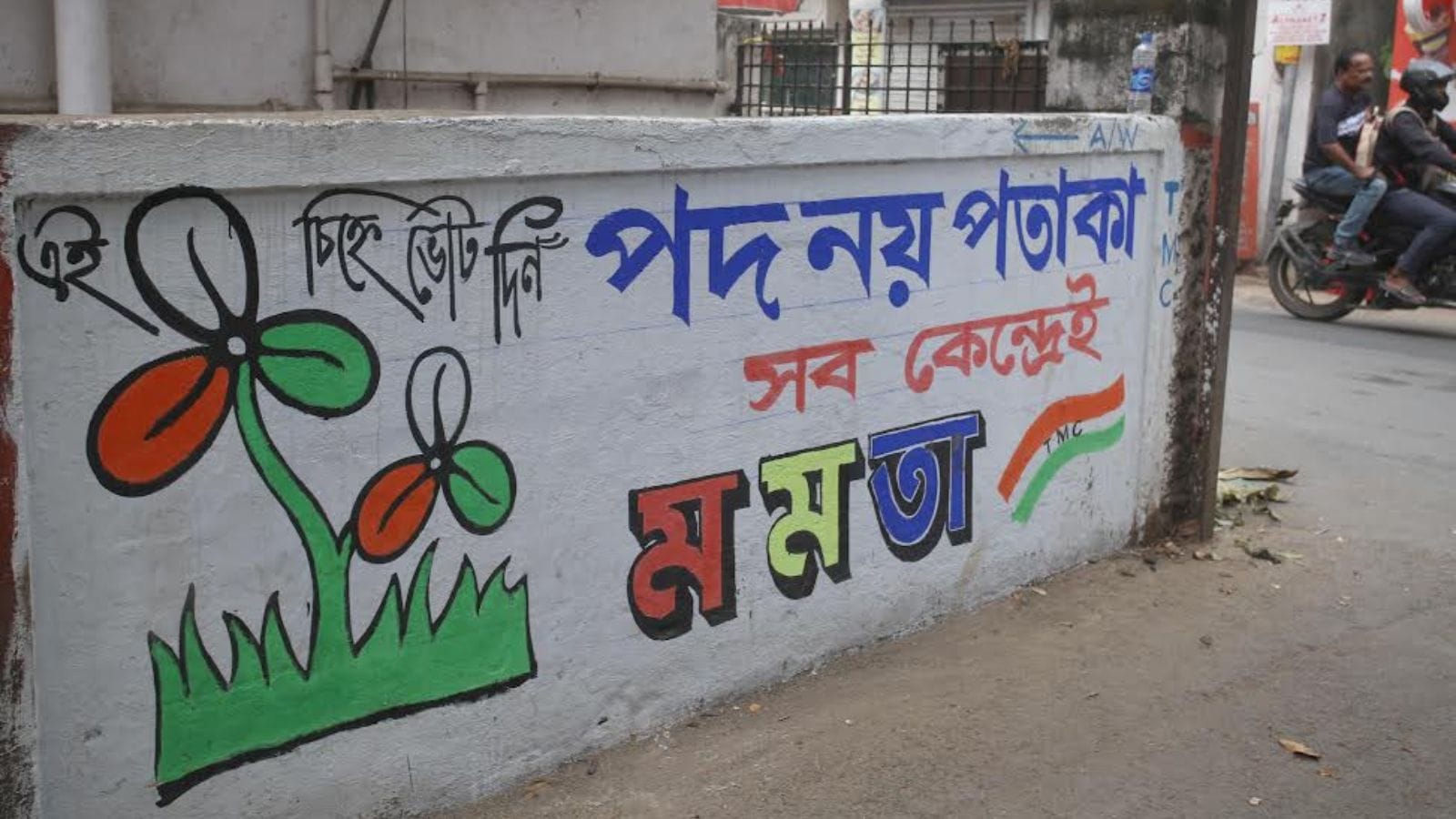
It is practically a straight fight between the ruling TMC and the challenger BJP. The ruling parties of yesteryears, the Congress and CPI(M), are expected to train their fire on the BJP but are not expected to affect the ultimate result. The battle is fiercely joined between the perennial warrior, Ms Mamata Banerjee, and the persistent challengers, Messrs Modi & Shah. The contest goes beyond the political and has become physical, raw and visceral. It has stirred the passions of the people of West Bengal to defend their culture, literature, language, ethos, communal harmony, patriotism, and reverence for their icons such as Swami Vivekananda, Rabindranath Tagore, Bankim Chandra Chatterjee and Amartya Sen. If Bengali pride and self-esteem prevail, Ms Banerjee and her party will triumph for the fourth time in a row.
The three states are outside the Hindi heartland. The performance of each party will cast a halo or a shadow on the fortunes of the party. It is especially so for the BJP that is considered alien to the two regions’ political and social ethos.