

Peace in West Asia is the one thing Netanyahu can’t afford
Sometimes, the greatest barrier to an off-ramp is not the adversary across the table, but the ally standing beside you
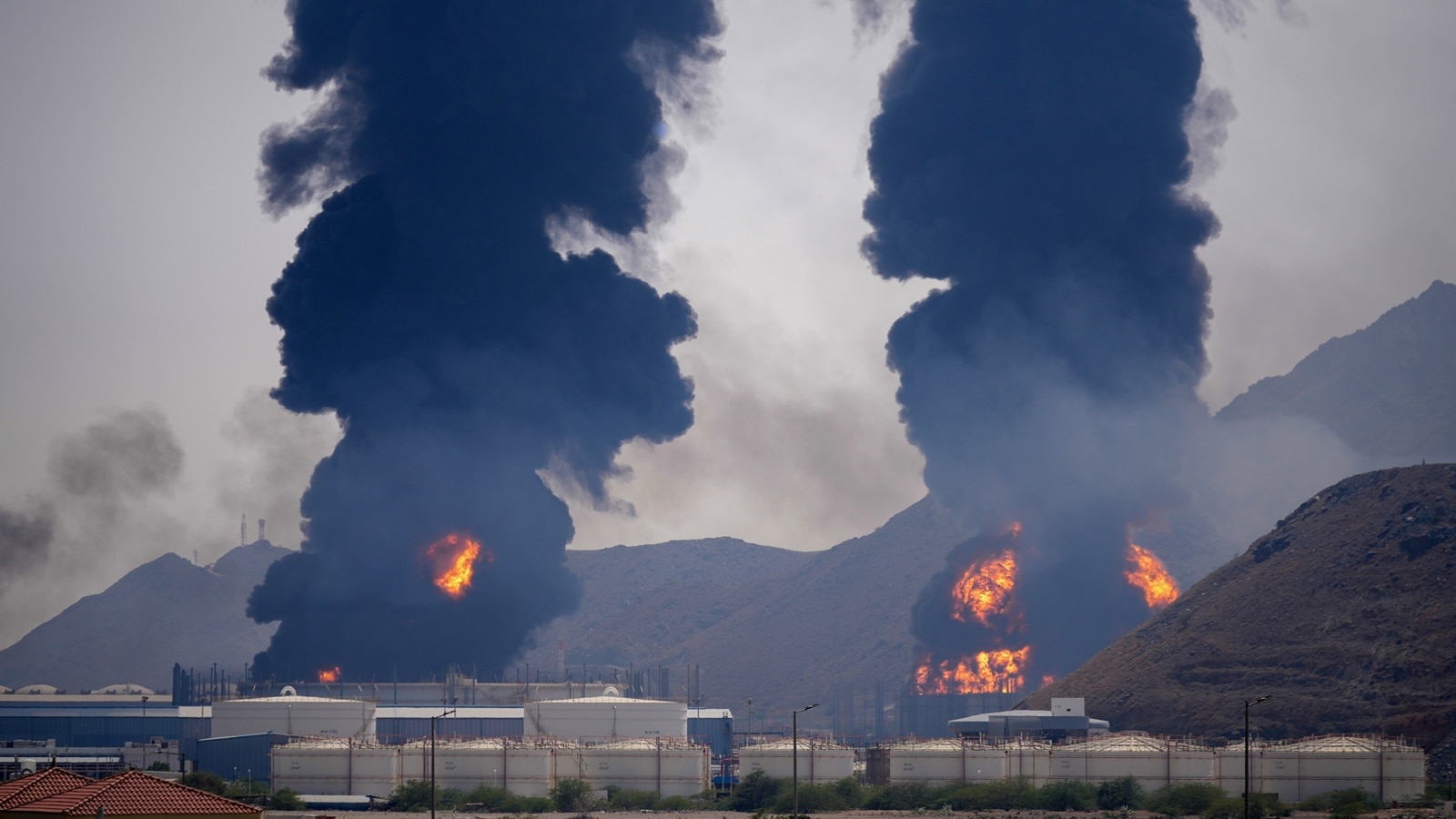
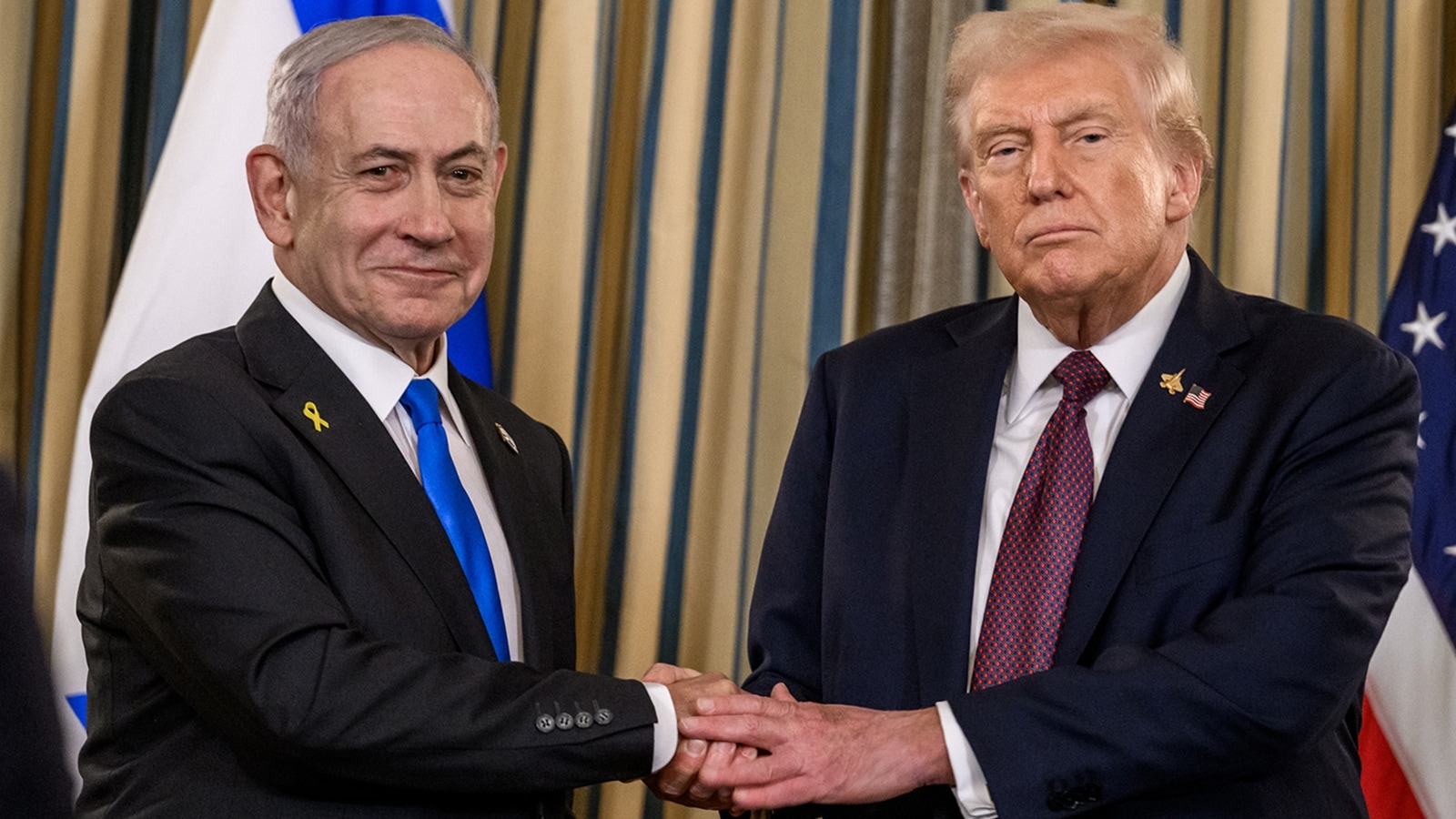
More than 100 days into the conflict in West Asia, the dominant assumption is that Iran remains the principal obstacle to regional peace. It is an assumption repeated so often that it has acquired the status of fact. Yet the events of recent years suggest a more uncomfortable possibility. The greatest obstacle to a diplomatic off-ramp may not be Tehran at all. It may be the political and strategic incentives of Benjamin Netanyahu.
The conventional narrative portrays Netanyahu as a leader seeking ever-greater security guarantees before accepting peace. But, his “eternal war” approach may not be the pathway to peace; it may be the mechanism by which peace is indefinitely deferred. A genuine settlement would inevitably reopen questions that war postpones. It would bring renewed attention to political accountability, coalition instability, and the legal challenges that have shadowed Netanyahu’s premiership for years.
This is not unique to Israel. History is filled with leaders who discovered that the end of conflict posed greater risks to their political future than its continuation. But the consequences today extend far beyond Israel’s borders. The Palestinian, Lebanese, Iranian, and Gulf Arab populations alike find themselves trapped within a conflict whose continuation threatens lives and livelihoods. The world economy is reeling, and India, too, is not insulated from the economic fallout.
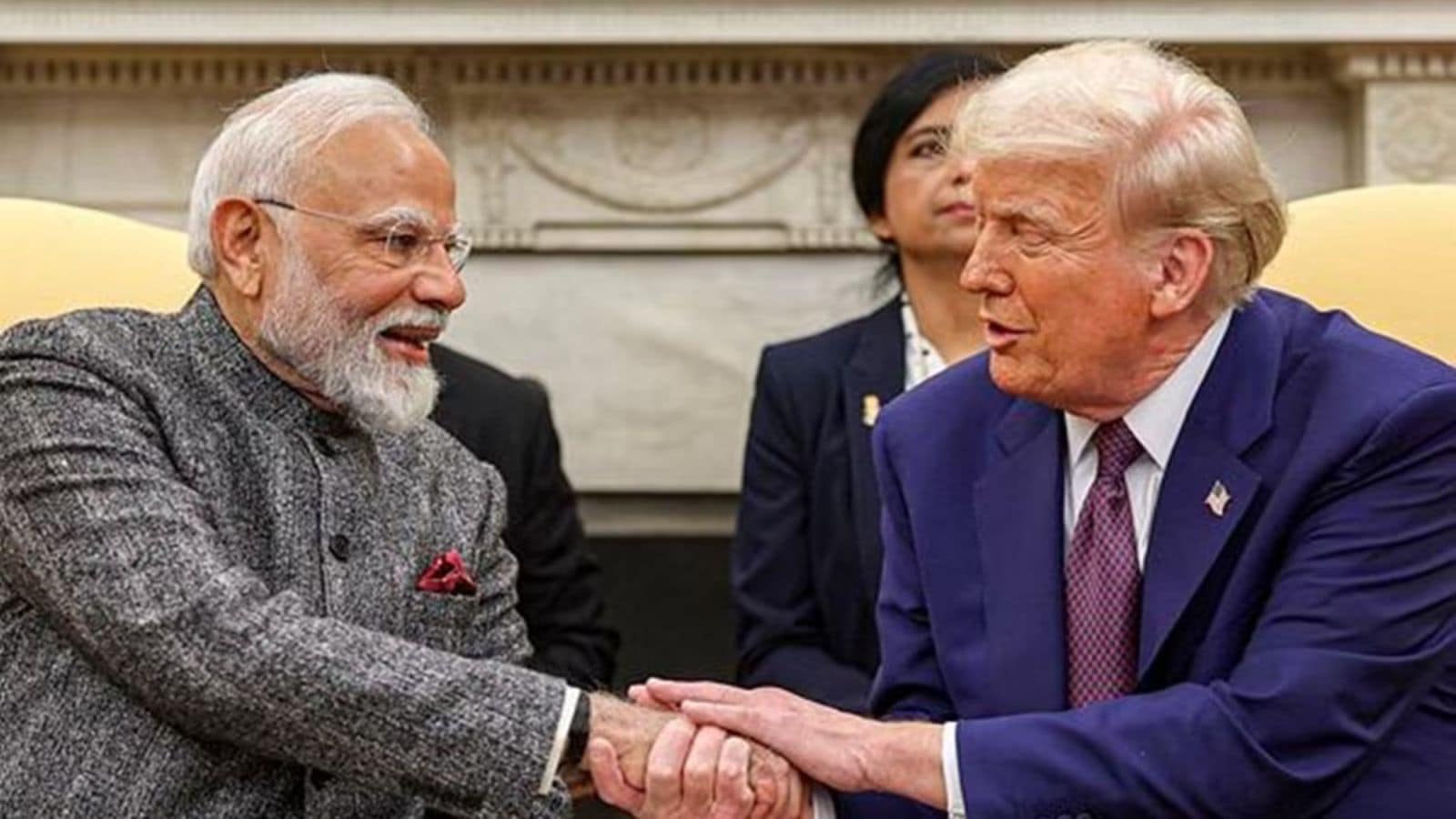
The irony is that Washington may actually have a plausible off-ramp. Donald Trump, despite his reputation as a disruptor, is temperamentally well-suited to declaring victory and moving on. The substance matters less than the narrative. A diplomatic arrangement that caps enrichment, reduces tensions in the Gulf, and lowers the risk of direct confrontation could easily be presented as a triumph. Sanctions relief could be framed as Iranian concessions. Maritime guarantees could be framed as evidence of American strength. Whether such claims would fully reflect reality is beside the point. Political narratives are rarely judged by their precision.
A limited US-Iran accommodation may serve both their interests. But for Netanyahu, it would reduce the centrality of the Iranian threat in his politics, constraining Israel’s freedom of military action. It would weaken the claim that permanent emergency is the only viable strategic framework for the region. This is why the concept of the spoiler matters. In conflict resolution, spoilers are actors who fear the consequences of peace more than the consequences of continued conflict. They do not necessarily oppose negotiations outright. Instead, they introduce new conditions, expand objectives, question timing, or create new realities that make compromise harder. The spoiler does not need to defeat peace. It merely needs to ensure that peace never quite arrives.
There was a reason successive American administrations approached direct confrontation with Iran cautiously. Iran is not Iraq or Libya. It sits at the centre of a web of maritime routes, energy corridors, proxy networks, and economic relationships that extend far beyond its borders. The Strait of Hormuz remains one of the most consequential chokepoints in the world economy. Escalation rarely remains local. Once the hornet’s nest is disturbed, nobody controls the direction of the swarm. Each round of escalation creates pressure for another.
Yet the incentives facing key actors increasingly point in the opposite direction. Political careers and coalition governments depend on conflict. In such an environment, peace becomes a threat. The path forward, if one still exists, requires more than another diplomatic initiative. It requires changing the incentives that make perpetual conflict politically useful. Escalation must become more costly than restraint, and political survival must be separated from permanent crisis. That is a difficult task. It offers no dramatic breakthrough and no guarantee of success. But it begins by acknowledging an uncomfortable possibility: The principal obstacle to peace may no longer be the side everyone assumes.
Sometimes, the greatest barrier to an off-ramp is not the adversary across the table, but the ally standing beside you. And with friends like these, who needs enemies?
The writer is a diplomat, professor, and former United Nations aid worker