

Agency, autonomy, accessibility: The promise of nari shakti in Women’s Reservation Bill
Women’s participation is not merely about representation; it is about transforming democratic institutions to make them more inclusive, equitable, just and responsive
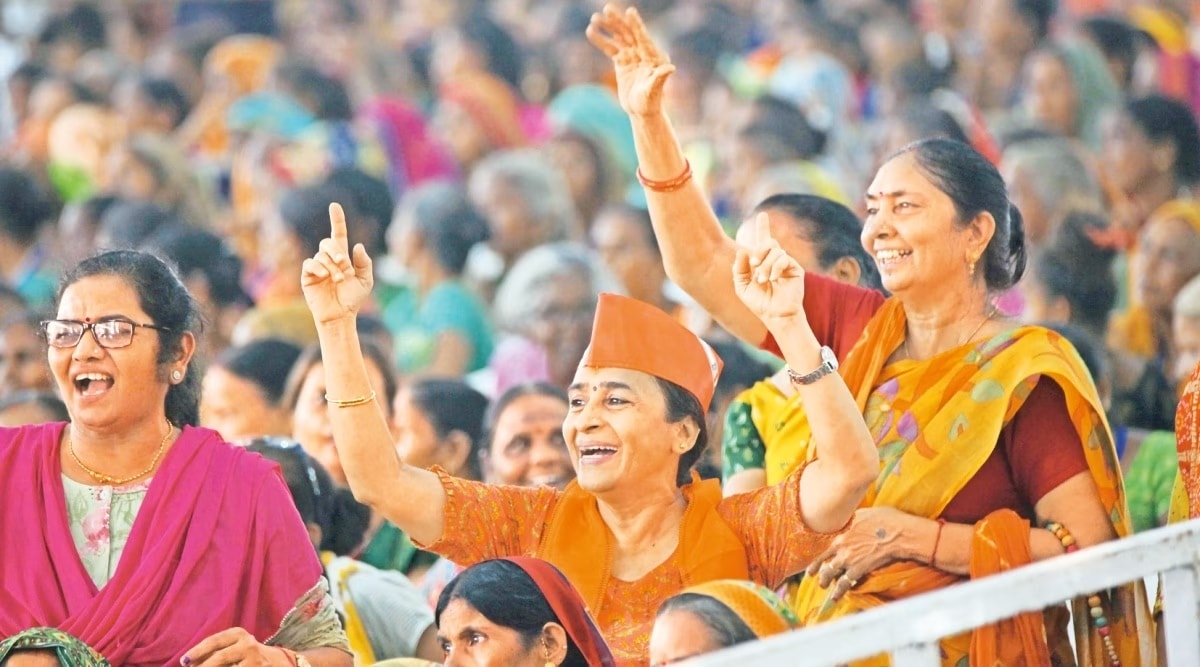
The historic Nari Shakti Vandan Adhiniyam is a landmark legislation that has the potential to reshape the political demography of the nation. India stands at the cusp of a structural transformation centred on three key parameters — agency, autonomy, and accessibility. The legislation promises to expand women’s participation beyond parliamentary corridors by inspiring greater civic engagement, building confidence among aspiring women leaders, and gradually dismantling the social barriers that have historically restricted women’s roles in public and political life.
With its introduction, the gender discourse may move beyond symbolic gestures toward a more transformative, intersectional, and justice-oriented framework. It also strengthens the principles of participatory governance by promoting accountability and embedding the values of self-respect and human dignity within democratic institutions.
By making women equal stakeholders in national and state-level decision-making processes, the bill seeks to address a fundamental democratic imbalance. Beyond mere numerical representation, the presence of women in political systems often leads to more inclusive and responsive policymaking, as they bring attention to issues affecting women and other marginalised communities. It enables not only women but also marginalised communities to challenge entrenched patterns of exclusion and discrimination.
Evidence from local governance, particularly after the 73rd and 74th Constitutional Amendments, shows that women leaders have prioritised areas such as education, health, sanitation, and community welfare, while also advancing gender-responsive budgeting. The success of Panchayati Raj Institutions demonstrates that when women are given opportunities to lead, they do so with notable commitment and sensitivity to grassroots concerns.
Women’s participation in politics extends beyond voting. The struggle for suffrage marked an important beginning, enabling women to express their views on public policy and governance. Greater representation in political institutions increases women’s visibility and strengthens their collective voice. This, in turn, leads to better representation of women’s issues and greater diversity in decision-making processes.
Women’s leadership is often associated with stronger legislative frameworks against gender discrimination and violence, improved access to healthcare and education, and greater attention to social welfare. By advancing gender-sensitive policies that promote economic independence and increase labour force participation, inclusive political engagement also contributes to economic growth.
Scholars such as Amartya Sen have argued that development is closely linked to the expansion of freedoms and capabilities, including women’s ability to participate in political and economic life. When women actively engage in governance, it can improve literacy, reduce poverty and malnutrition, and enhance overall social welfare.
The government’s approach to women’s empowerment has been fundamentally transformative rather than rooted in tokenism or charity. Its policies aim to dismantle entrenched systems of caste, patriarchy, and economic inequality. Initiatives such as Beti Bachao, Beti Padhao, launched in 2015, were designed to address the declining sex ratio and promote the welfare of the girl child.
Schemes like the Pradhan Mantri Ujjwala Yojana and Sukanya Samriddhi Yojana have also contributed to improving gender indicators and fostering structural change through a focus on holistic empowerment, particularly in districts with adverse gender statistics.
In the end, women’s participation is not merely about representation; it is about transforming democratic institutions to make them more inclusive, equitable, just and responsive. In doing so, we, India’s women, will move forward on the path of building a Viksit Bharat – not as passive observers, but as active participants.
The writer is assistant professor of Sociology, Lakshmibai College, Delhi University