

Under the garb of nari shakti, Modi government is smuggling in delimitation
A bigger House does not make a stronger Parliament. Modi and Shah have reduced Parliament to a notice board, where bills are bulldozed and sessions are cut short
A Bill that could redraw India’s electoral map has arrived in an artfully draped sari. Before Parliament passes it, the Narendra Modi government must answer one question: Why should it be trusted?
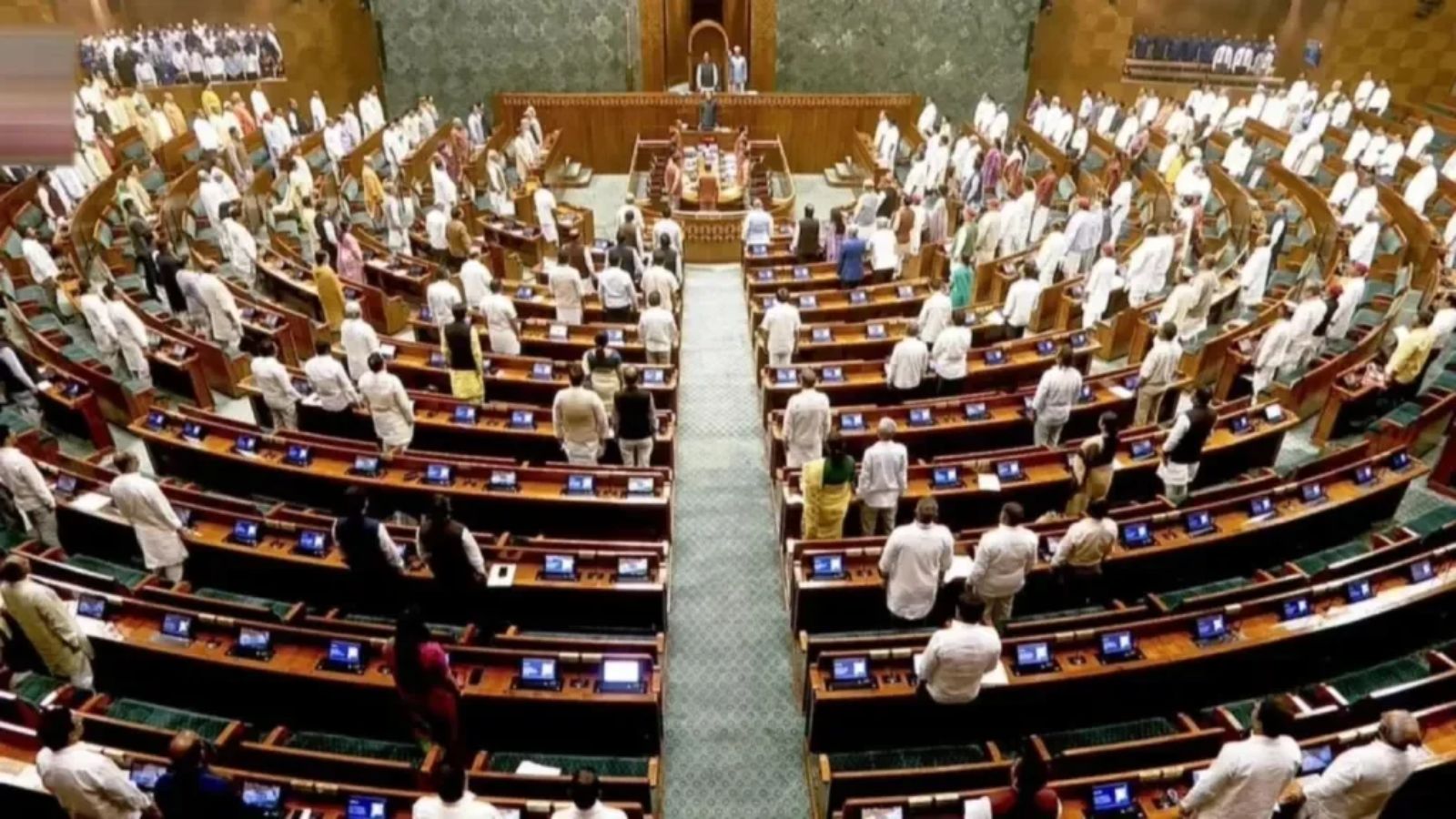
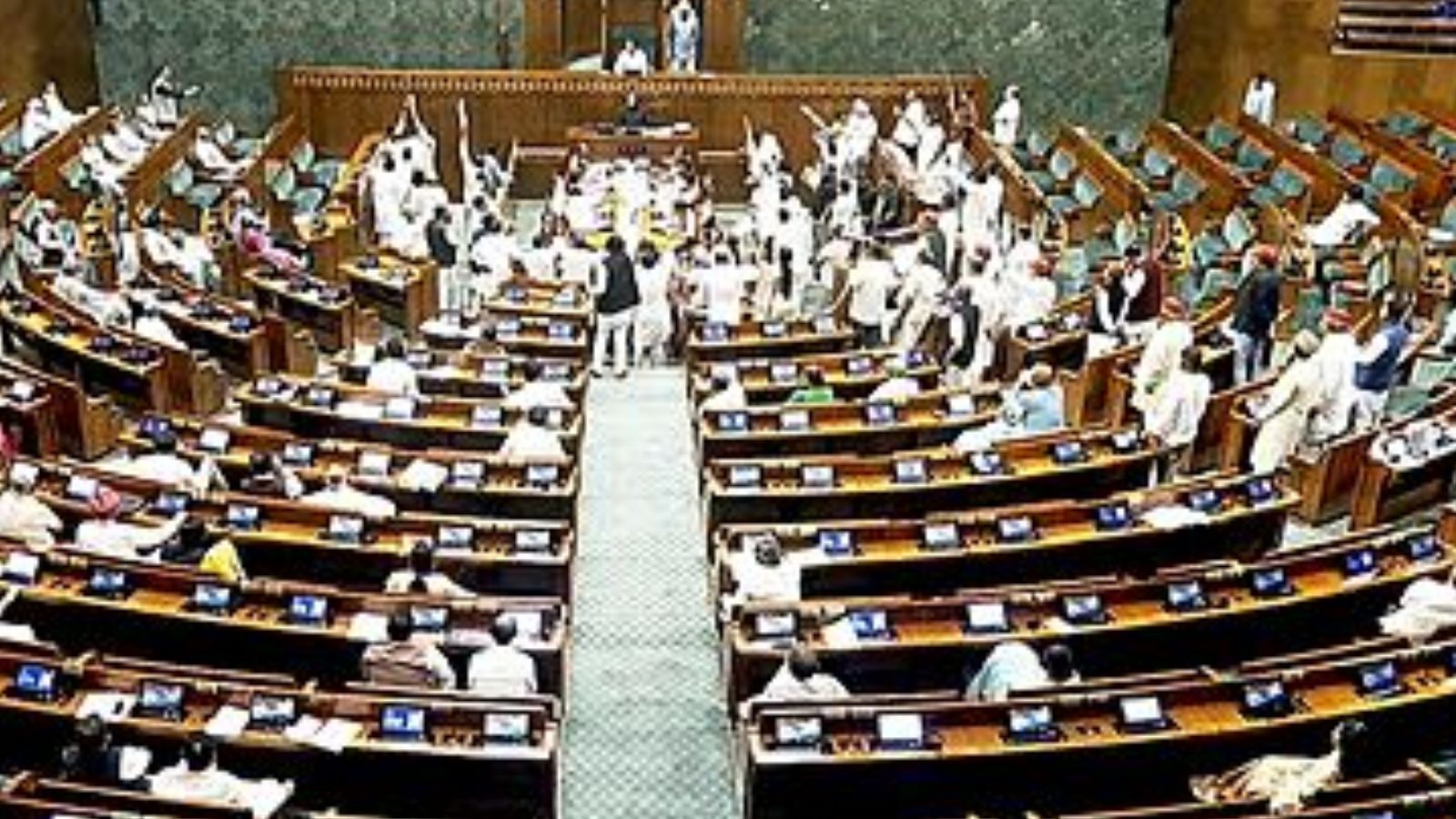
The Modi government wants a big House but a small Parliament. This Bill is likely to swell the Lok Sabha to 850 members, even as Parliament itself is being hollowed out and stripped of the power to hold the government to account. The chamber grows larger while the institution tragically shrinks.
Consider how this Bill has arrived. For days, the country was kept guessing about the Winter Session and a rumoured special session, while the Monsoon Session was not prorogued for a record 103 days. No all-party meeting was called. Then a special session was announced through a tweet, for “essential government business”.
That business is the Constitution (131st Amendment) Bill, the Delimitation Bill and the Union Territories Laws (Amendment) Bill, the same three-bill legislative package that was defeated in April. As I write, not a single copy has been circulated to parties or the public. All we are told is that it will bring more women into Parliament. Such extreme irony! A Bill being marketed as giving women a voice in Parliament is being pushed through without giving Parliament a voice. The Modi—Amit Shah-led dispensation, which has kept women waiting for three years, is suddenly in a tearing hurry to give representation to women.
But women’s reservation is already the law of the land. The Nari Shakti Vandan Adhiniyam was passed almost unanimously in September 2023, with every party calling for its immediate implementation. The law then sat in cold storage until it was abruptly notified late on the night of April 16, 2026. This special session is not for women. It is for delimitation.
Why is the Modi regime linking the two? Seats can be reserved for women in the existing 543-member House, in existing constituencies, from the very next general election. But the government’s calculation is deeply cynical. Their gamble is that nobody will dare vote against a women’s quota, so delimitation has to be smuggled in under the cover of the pallu. The sari is the packaging, the redrawn electoral map is the product. Women are being used as a shield, not empowered as equals. This is hardly surprising given the BJP-RSS’s contempt for gender equality.
Gaze on the arithmetic. In a 543-member House, its 181 women and 362 men. In an 850-member House, 283 women would face 567 men, a male bloc larger than the entire Lok Sabha today. Not a single man gives up his seat. This is not genuine transformative power sharing. It is simply enlarging the ladies’ compartment — or the zenana dabba — while the main train runs on as before.
A bigger House does not make a stronger Parliament. Modi and Shah have reduced Parliament to a notice board, where bills are bulldozed and sessions are cut short. When 850 MPs are squeezed into a handful of sittings, when will any of them get to speak and raise the issues citizens care about? Will the government guarantee 120 sitting days a year? Will the PM come to the House and answer questions? Will Parliament be allowed to demand answers on citizens’ concerns like the smog that chokes north India every winter and is shortening our children’s lives? Going by the record, no.
The citizen-taxpayer foots the bill. By some estimates, 307 more MPs will cost over Rs 1,300 crore a year. That is more than Rs 6,500 crore over a single Lok Sabha term. Citizens will pay more for a Parliament that is not allowed to work for citizens.
Then there is the question of who draws the map. Subverting institutions is second nature to the Modi regime, and the Delimitation Commission will be no exception. Under the Bill, the Chief Election Commissioner or his nominee sits on it. That means Gyanesh Kumar, the CEC on whose watch faith in the electoral rolls has been badly shaken, and whom the united Opposition holds responsible for vote chori on a gigantic scale. A neutral, upright commission was never on the cards. The same hands accused of deleting lakhs of voters will now redraw every constituency in India. Can there be any doubt whose interests the new electoral map will serve? This Bill is a make- the- BJP win- at- all -costs Bill.
Why the desperate hurry? Under the Constitution, seats are frozen until the first Census after 2026. Delimitation was due after the 2027 Census anyway. Fresh data is around the corner, and new seats could realistically take effect in 2034. Instead, the government wants to lift the freeze and redraw constituencies based on the 2011 Census, figures that are 15 years old. Why? So the new map is ready for 2029.
What has changed since April, when this Bill failed to win a two-thirds majority? Only the numbers, rearranged through murky backroom deals. Since April, parties have been broken and coerced. Twenty traitor TMC MPs will vote on this Bill in the Lok Sabha, though disqualification petitions against them are pending and the Speaker has not ruled on them for six long months. Are the votes of these 20 turncoats legal? Could the amendment itself be struck down if it rests on MPs whose status is undecided? This is defining legislation, yet there has been no wider consultation and no public conversation. We have seen where such high-handed methods lead: The 2020 Farm Laws were rammed through without dialogue and had to be repealed.
No amount of nari shakti sloganeering can wish away the trust deficit this government has created. Trust is earned, not demanded. If the government is sincere, it will send the Delimitation Bill to a Joint Parliamentary Committee and implement women’s reservation in the existing 543-member House now. Until then, citizens have every reason to ask: Why should the Modi government be trusted?
The writer is MP, Rajya Sabha, All India Trinamool Congress