

I once tore down illegal buildings. That’s why I know how Delhi keeps burning
I was able to do what I did not because I am more intelligent or capable than other civil servants. It is because I believed that as a bureaucrat my mission is to do my job
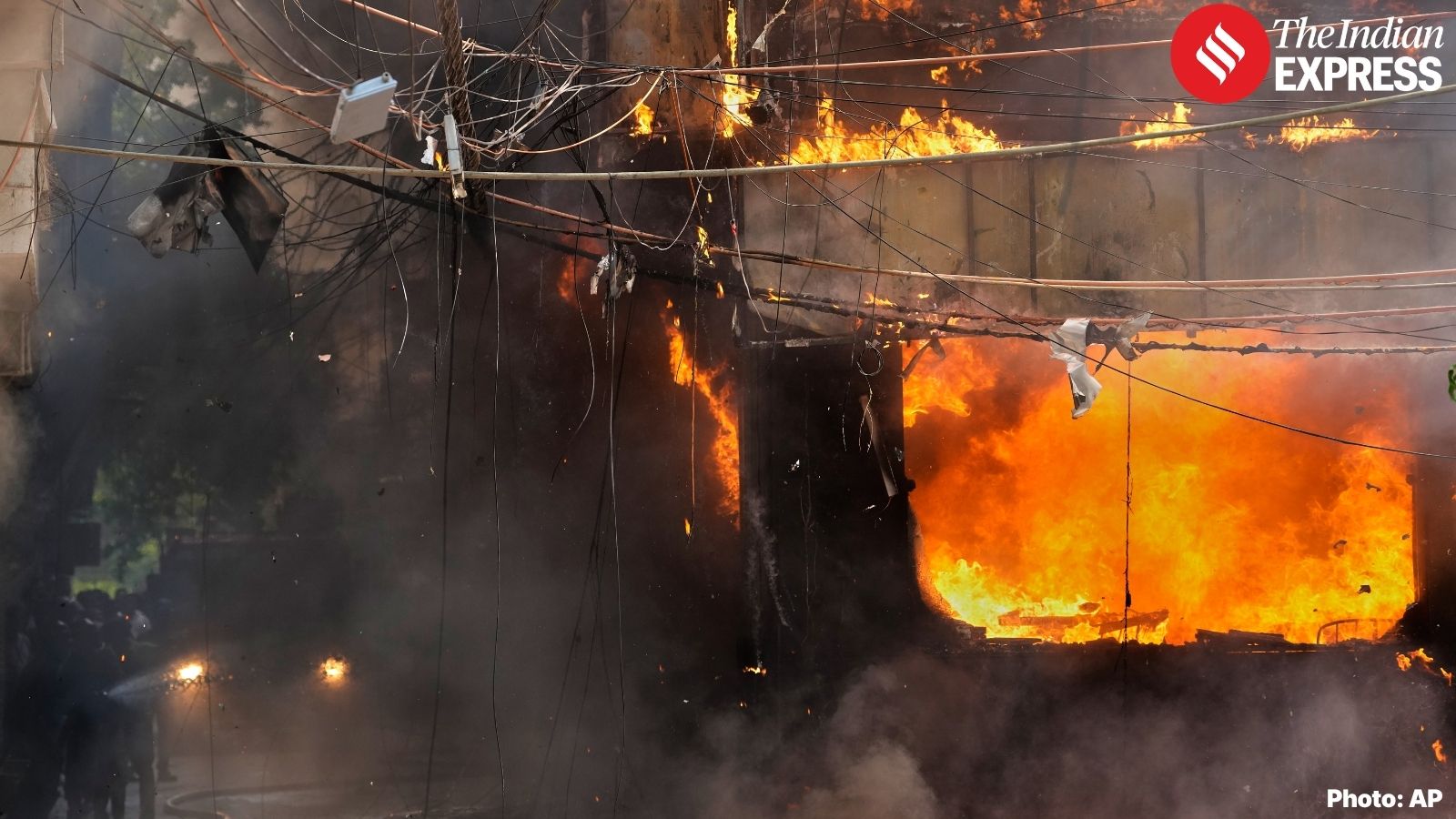
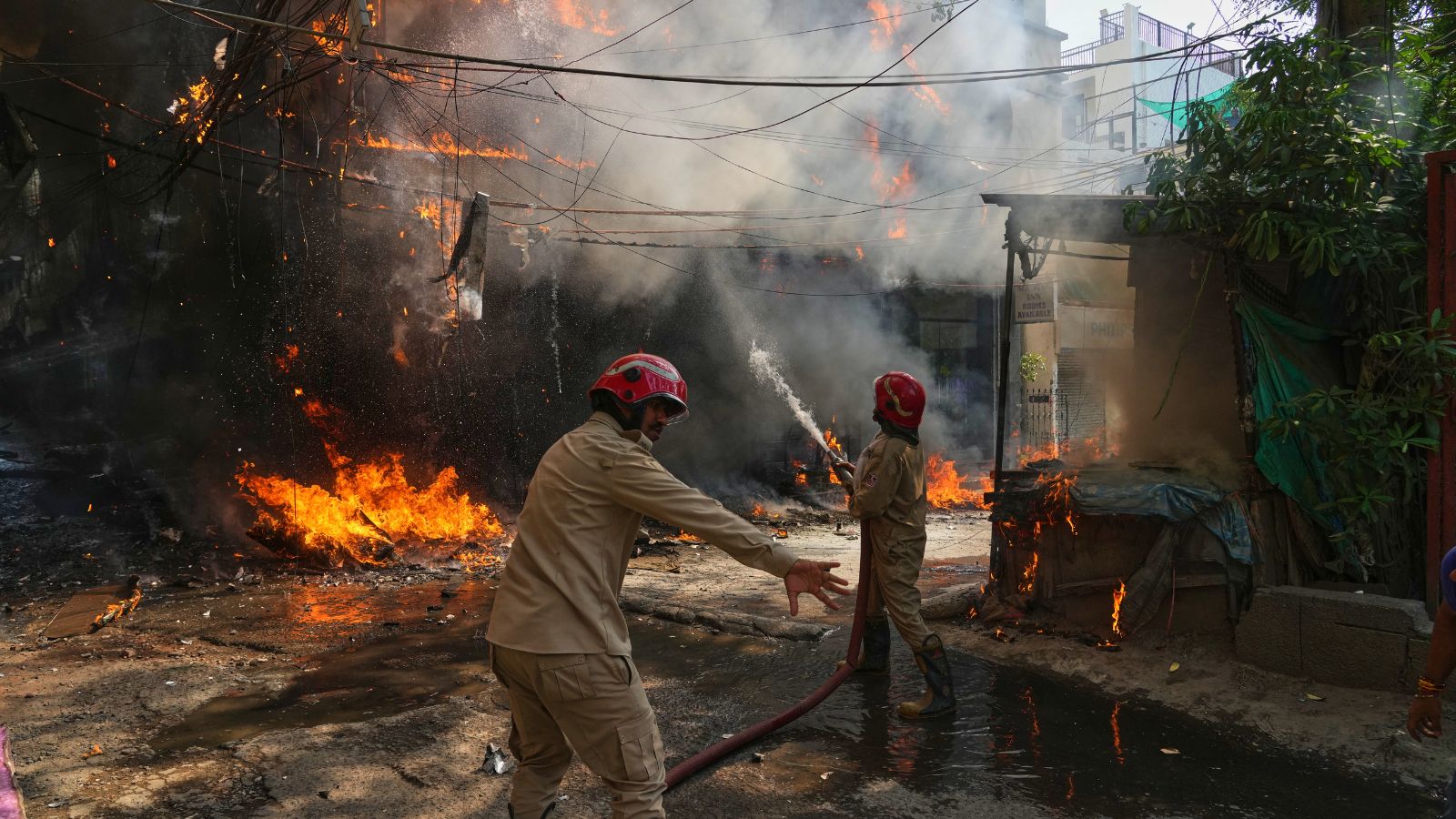
A hotel in Delhi’s Malviya Nagar went up in flames, killing 21 persons. A few days earlier, a five-story building had collapsed in Saket, killing six people. The list of building collapses and fires is long, starting from the Uphaar Cinema tragedy in 1997. After each incident, the government sets up enquiry commissions/expert committees, which list out the failures and recommend remedial action. Nobody reads these reports, not the bureaucrats and certainly not the politicians. The result: There will continue to be incidents like Saket and Malviya Nagar. Tragedies of various dimensions, not just building collapses and fires, occur throughout the country. Did we learn anything from the stampede in Bengaluru after the IPL final last year where 11 lives were lost or from the TVK rally in Karur, Tamil Nadu, which claimed 39 lives or the crowd crush at the Maha Kumbh Mela in which 37 persons died? In all cases, some bureaucrats are suspended for a few days, token compensation is paid to the victims by the government and suspended officers are reinstated a few months later with full salary. The only victim is the citizen and at the end of the day, those who are abused are the politicians.
Is this fair?
Take the case of the fire in Malviya Nagar. The tourism department, which issued the bed and breakfast licence, is blaming the Delhi Police, MCD and the fire department. The response of the tourism department has been: “As per the Bed and Breakfast Act, we are only required to check if the premises has rooms, sofas, mattress, washroom (maintains proper hygiene), etc. The tourism department does not grant the fire NOC, building plans and other permissions.” MCD says that no building permission was required for the structure as it stood on a “Lal Dora” (land around an existing village) and the construction happened before 2014. According to the MCD, since the owner had applied only for a “tatkal” (temporary) license for a tea shop, no physical inspection was needed. No clearance from the fire department was sought and none was granted. Each of these government agencies acted with criminal negligence.
It starts with the MCD, which is the agency for granting building permits. The “Lal Dora” exemption does not apply to commercial buildings. A permission for a commercial building of this size would never have been allowed on a narrow road. This was a massive six-storey structure for which an NOC from the fire department was mandatory. Where was the fire department when an illegal building was being built and later operated as a hotel on a narrow road where fire engines could not have reached? How could the tourism department have issued a licence even for a six-room B&B, when the building was illegal and there was no clearance from the fire department or police?
A report of the inspection committee, consisting of officials from the tourism department, DTDC, and Delhi police, was mandatory for issuing the B&B licence. How did they give clearance? If they did not inspect and went ahead with the grant of licence, that would suggest something worse. The police department was mandatorily bound by regulations to check the guest list of every hotel from the point of view of national security. Was this done?
According to my rough estimate, more than 50 per cent of Delhi’s buildings are illegal. This includes residential houses, hotels and commercial spaces. Even for buildings constructed legally, with all the necessary approvals, a bribe has to be paid. Various states in the country have fixed rates which are known to the public. For illegal buildings, the rates are much higher. Most of the money collected goes to officials at various levels. Politicians get the crumbs that fall from the table. Yet it is the political class that gets all the blame.
Our cities are lawless. Is it possible to set them, right?
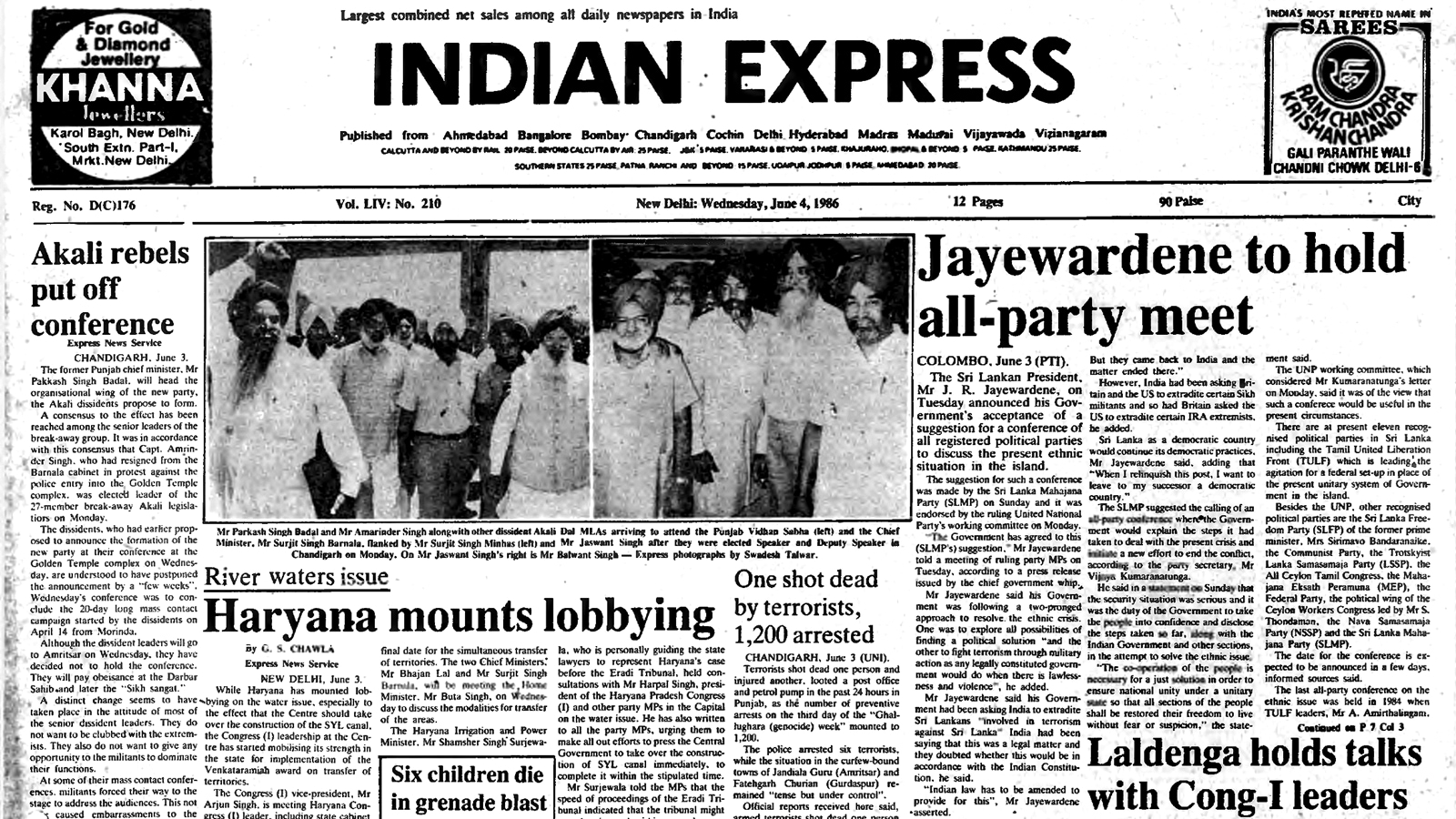
I was Commissioner, Delhi Development Authority, 1992-1997. I was the first South Indian Commissioner of the DDA and it was said of me that as a “Madrasi” with no political patronage and very little knowledge of Hindi I would be able to do nothing. We demolished 14,310 illegal buildings, some built by politicians. In fact, the first building we knocked down was that of Congress leader HKL Bhagat. Not one inch of land belonging to the DDA was encroached on. Not one illegal brick was laid in five years. In a survey by a leading newspaper, 89.6 per cent of Delhiites supported this “Madrasi”. I was able to do what I did not because I am more intelligent or capable than other civil servants. It is because I believed that as a bureaucrat my mission is to do my job, with no excuses.
If bureaucrats do their job as envisioned by Prime Minister Modi, our cities can still be made liveable. The buck should stop with the bureaucrat.
The writer was from the 1979 batch of the IAS and is a former Union Minister