

A lesson from the LPG crisis: Now more than ever, India needs a shift to electric cooking
Clean cooking began as a public health priority, but it has increasingly become a question of fiscal resilience and energy security. LPG has delivered substantial welfare gains, yet it carries significant recurring costs
By Sunil Mani
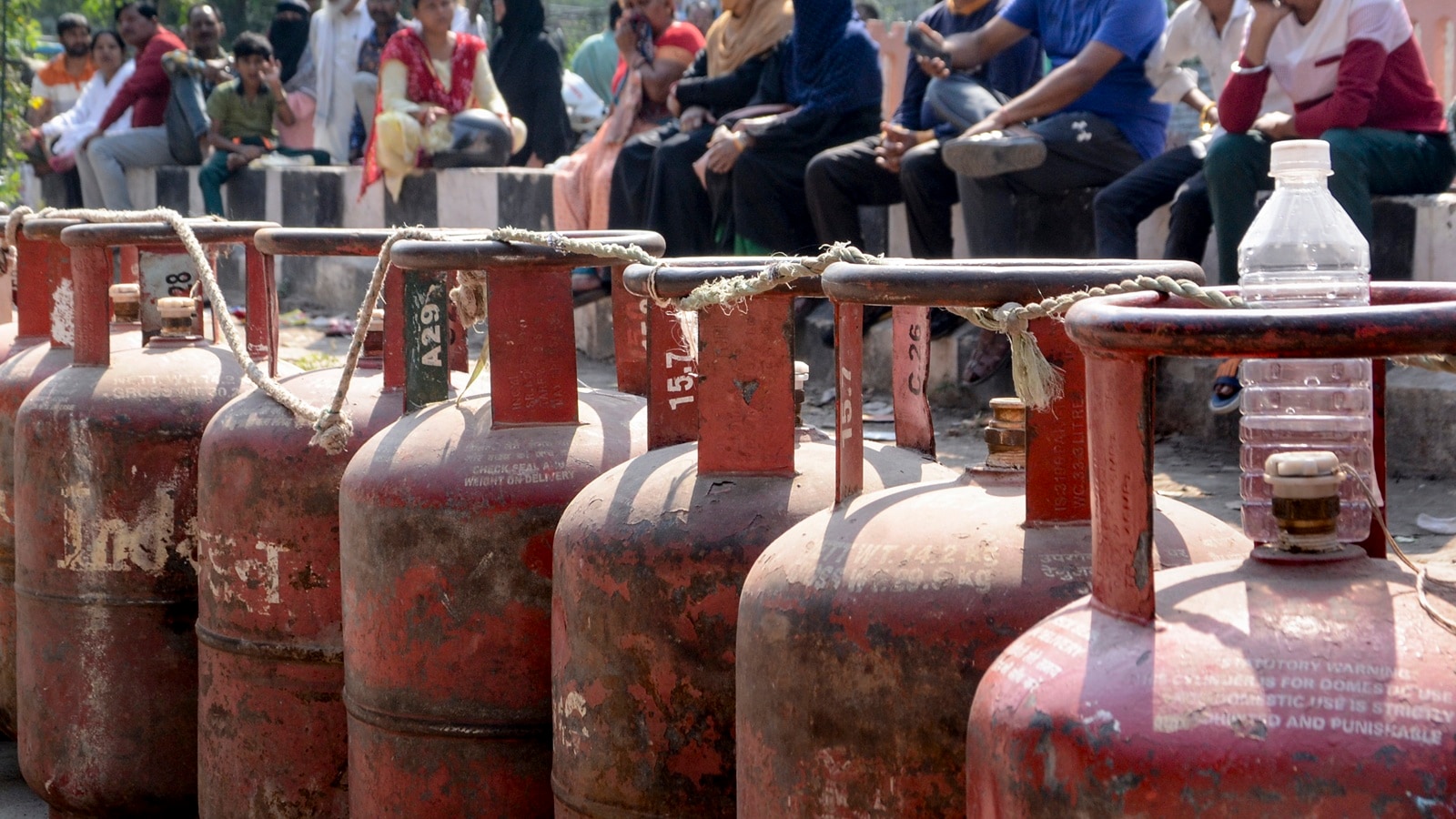
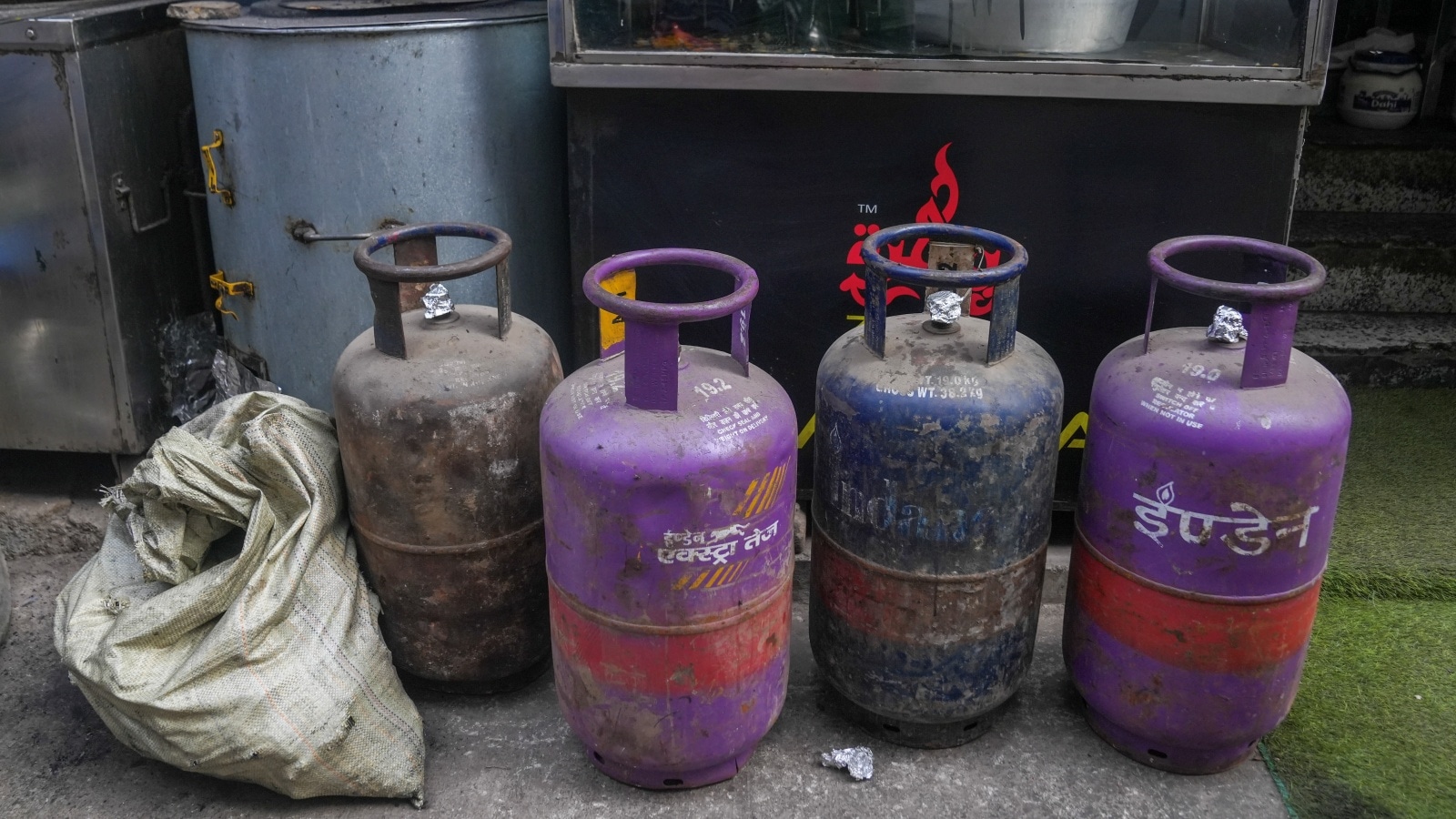
Recent reports of LPG shortages for commercial users have drawn attention to the growing pressure on India’s cooking fuel supply. At a time of conflict in West Asia — one of the world’s most important regions for LPG supply — disruptions underscore the risks of heavy import dependence. When global prices rise, subsidy costs follow quickly, turning international market volatility into fiscal pressure at home. As LPG supply tightens, gradually expanding complementary options such as electric cooking — particularly in areas with reliable power supply — could strengthen the resilience and long-term sustainability of India’s clean cooking system.
Over the past decade, India has made remarkable progress in expanding access to clean cooking. The country has built an extensive LPG distribution network reaching deep into rural areas through targeted subsidies, particularly under the Pradhan Mantri Ujjwala Yojana (PMUY) and direct benefit transfers (DBT), helping millions of households move away from smoky kitchens toward cleaner fuels. In parallel, PNG has steadily expanded across urban centres, offering households a dependable piped gas supply. Together, these systems represent years of significant public investment and the trust of millions of consumers. India is now close to achieving universal access to clean cooking.
Clean cooking began as a public health priority, but it has increasingly become a question of fiscal resilience and energy security. LPG has delivered substantial welfare gains, yet it carries significant recurring costs. The Union Budget allocated around Rs 12,000 crore annually for PMUY subsidies in 2024-25 and 2025-26, while the government approved an additional Rs 30,000 crore in August 2025 to compensate oil marketing companies. With India heavily dependent on imported LPG, global price swings can quickly affect both household refill costs and public finances.
Moments of supply stress reveal an important lesson: The next phase of India’s clean cooking transition must move beyond access alone — it must also ensure affordability, fiscal sustainability, and energy security. Households will continue using clean fuels only if they can afford them and if they believe that supply will not falter. Diversification does not replace LPG or PNG; rather, it expands choices while preserving the security and convenience that these systems already provide. Diversification is not only about resilience for households; it is also increasingly about managing long-term fiscal pressures.
Over the longer term, diversifying cooking fuels can create meaningful fiscal space. Our analysis suggests that scaling electric cooking in suitable urban areas could reduce LPG demand significantly over time. If this shift is sustained, India could save up to Rs 2.4 trillion in LPG subsidy expenditure by 2050, while reducing its exposure to global LPG price volatility — strengthening both energy security and fiscal resilience. Electric cooking is emerging as a compelling affordability option in many urban and peri-urban areas. For a typical city household, the annual operating cost can be around 15 per cent lower than LPG. With the recent Rs 60 increase in cylinder prices, the cost advantage has widened further, making electric cooking roughly 20 per cent cheaper where electricity supply is reliable.
Encouraging urban households with dependable electricity supply to gradually adopt electric cooking could lower household cooking costs while easing demand pressure on LPG. This would help ensure that subsidised LPG cylinders remain consistently available for households that depend on them most, particularly low-income PMUY beneficiaries. However, cost advantage alone will not deliver adoption at scale. Households need a transition they can trust, which requires several practical steps. Upfront appliance costs must fall through targeted subsidies or consumer finance for low-income households; electricity networks must be able to handle peak cooking demand; and tariff structures should ensure that monthly electricity bills remain predictable.
There is also a forward-looking reason to begin now. As electric cooking scales in suitable areas, volumes can reduce appliance prices, strengthen repair ecosystems, and accelerate innovation, making devices cheaper, more energy efficient, and better suited to Indian cooking needs over time. At scale, this shift could reduce LPG demand by up to 50 per cent by 2050. India’s clean cooking transition now has an opportunity to move from expansion to transformation. This shift would not replace LPG but strengthen the system around it — easing demand pressures while expanding household choice and securing clean, reliable, modern cooking for every household in the decades ahead.
The writer is policy advisor, International Institute for Development