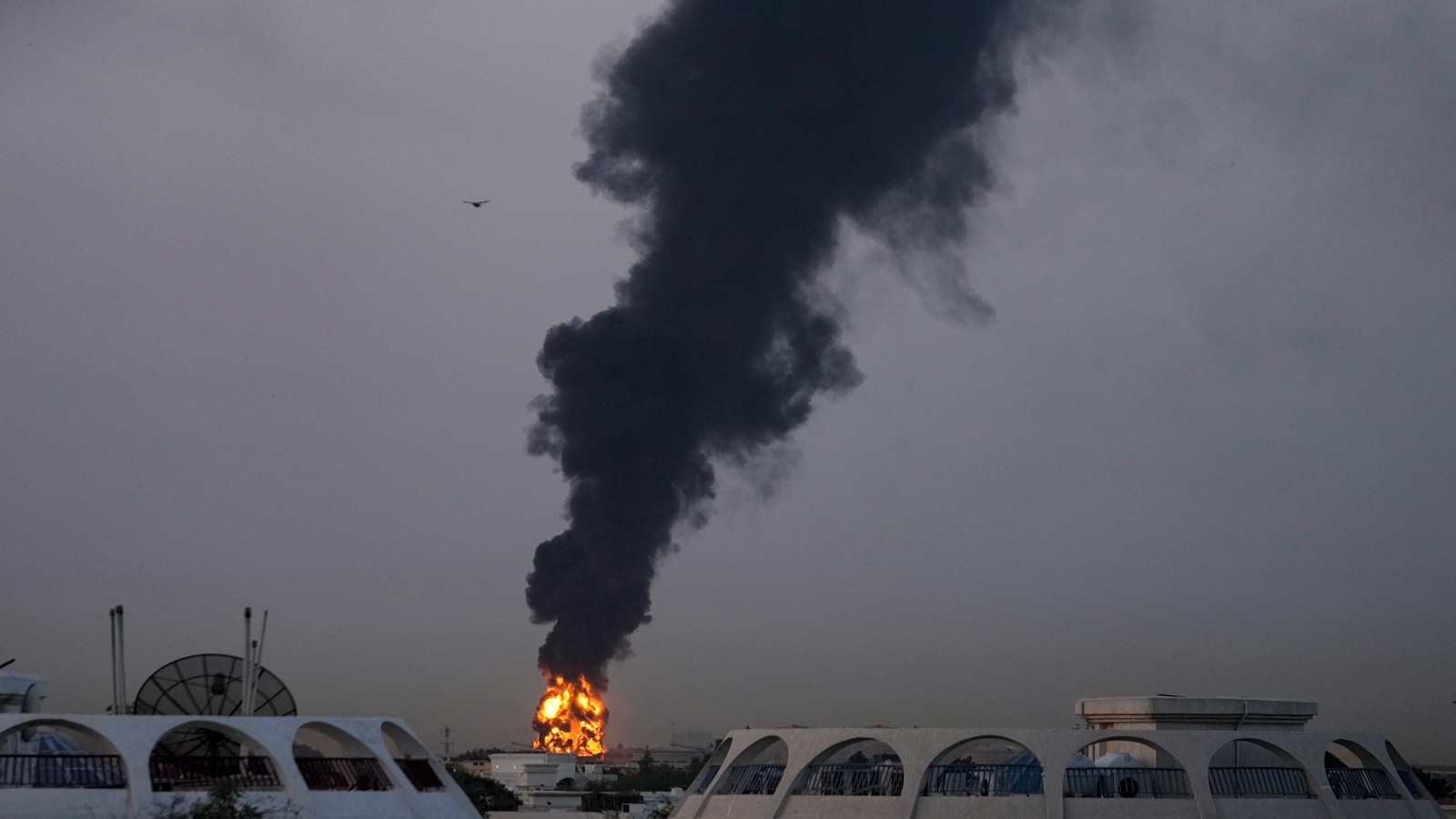


How Ukraine and Iran are exposing the limits of superpowers
Established powers as well as aspiring ones need to abandon their hubristic belief that their military capabilities alone can achieve desired political ends. By depleting their limited resources, they risk precipitating their relative decline vis-à-vis other states
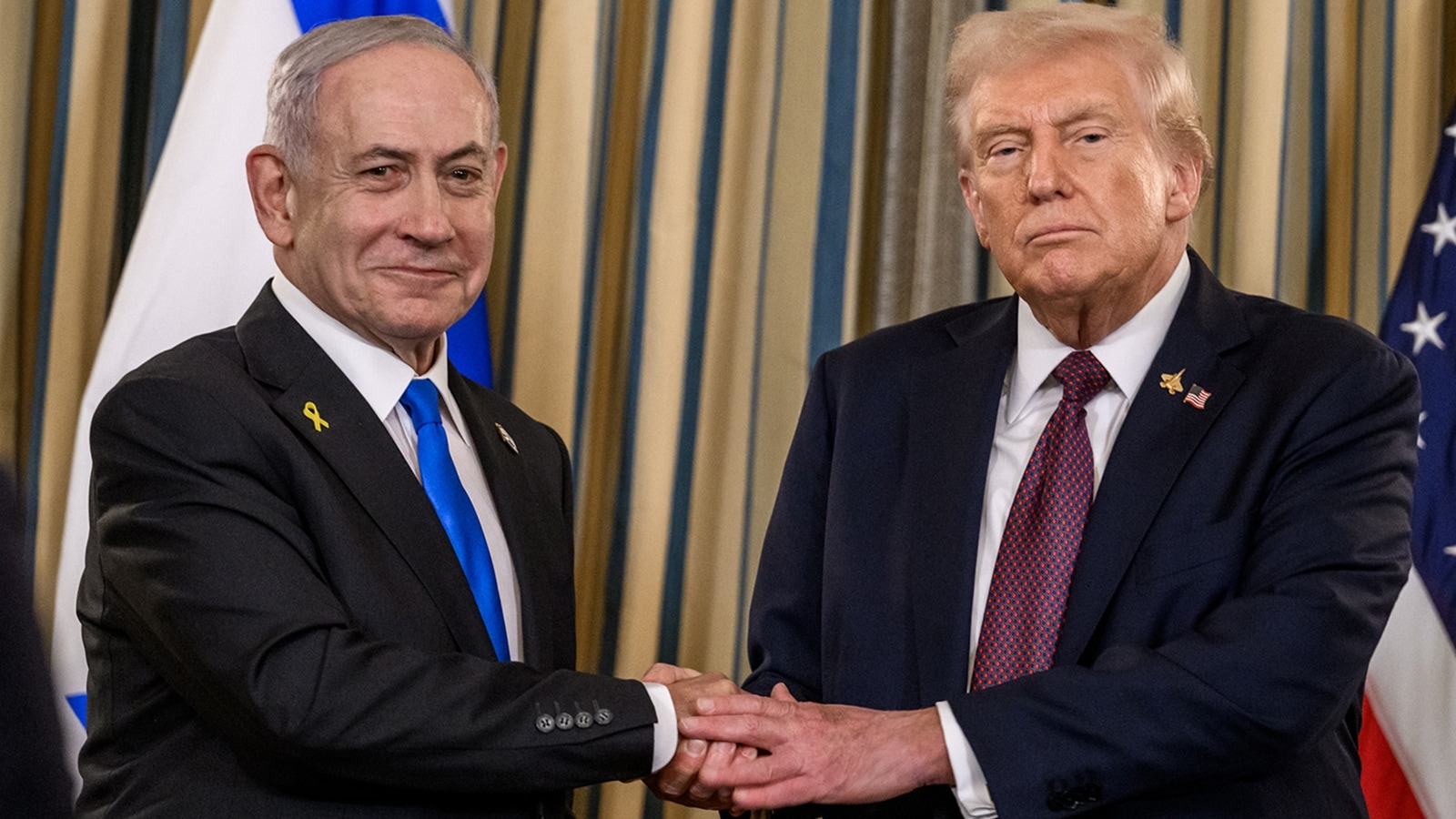
Two fundamental lessons from the ongoing conflicts in Ukraine and Iran are: Superpowers have limits to their power, and resilience matters more than a large stockpile of deadly weapons in protracted conflicts. Weaker states in the two conflicts have demonstrated exceptional resilience in resisting stronger opponents. Moreover, despite the asymmetry in strategic and military capabilities, neither Russia nor the US could achieve its strategic objectives in its respective conflict. They deployed every possible weapon — except nuclear — yet they could not break their rivals’ resolve. Neither succeeded in coercing the regime to capitulate. In contrast, as it stands, Ukraine and Iran are dictating the terms of war and the conditions of peace. They are not the winners, but they have not lost either.
Ukraine and Iran are making their rivals pay a heavy price for their misadventures. What could explain the resistance of these states in confronting superior adversaries?
First and foremost is the willpower of their political leadership. States that exhibited political resolve to fight back succeeded in thwarting the designs of more powerful states. Both Ukraine and Iran have suffered tremendous human casualties and damage, and it will take years to recuperate. Nonetheless, they have demonstrated remarkable resilience and determination in frustrating the designs of invading states. They succeeded in rallying the citizens around their flags, ruthlessly crushed dissent, curtailed all freedoms, but saved the regime from imminent collapse. The aggressor states sought to divide the elite and fuel discontent, but the regime countered by advancing its own narrative and keeping its elite united. In contrast, in states where the elite split, as in Venezuela, the regime surrendered.
Second, while emerging multipolarity and associated rivalries pose an existential threat to smaller states, they also offer fresh opportunities. For Ukraine, Lebanon, Venezuela, Palestine, Iran, Taiwan, and Cuba, threats from their foes are not merely hypothetical, but real and existential. They are victims of mounting imperial ambitions and expanding geopolitical rivalries. International institutions have been of little help in protecting their sovereignty and territorial integrity. Consequently, these states have adopted the following strategic choices: Bandwagon with a superpower, maintain friendly ties with rival powers to hedge risks, and maximise capacity through investment in military and technological skills.
These options are available because of emerging multipolarity. Ukraine received strong support from the European Union and the US, while Iran received support from Russia and China. Neither of them could have lasted without external support. Therefore, the emerging multipolarity offers options for fallback. Beyond the US and China, the EU, Russia, and some powerful countries of the Global South are new power centres.
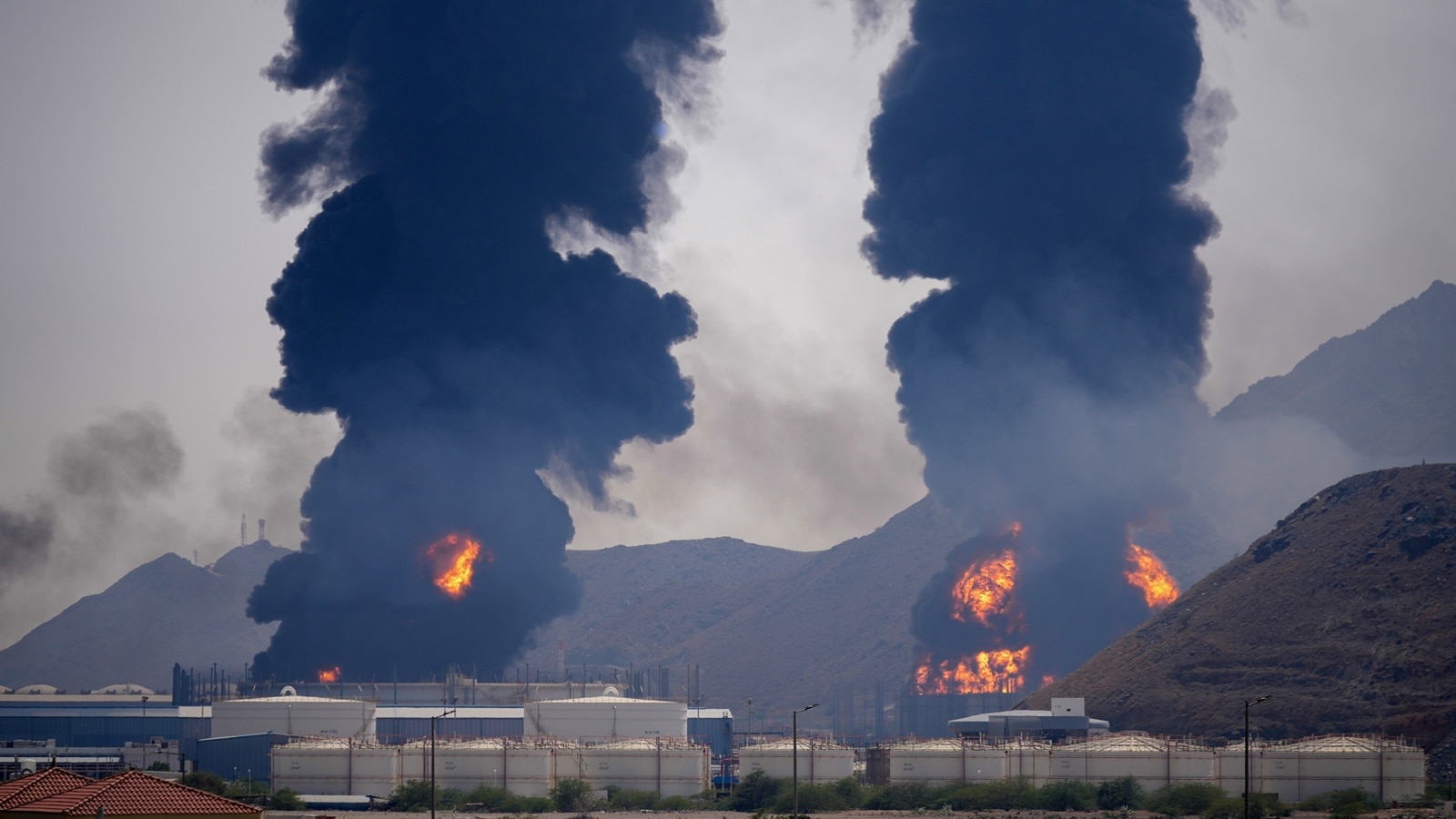
Third, new technology saved smaller powers from decimation. Ukraine and Iran could never match the military capabilities of Russia and the US, respectively. Cheap Ukrainian drones have targeted hundreds of oil refineries and other military infrastructure deep inside Russia, recently in St. Petersburg during the International Economic Forum. Similarly, Iran’s Shahed drones have increased the cost of defence for the US and Israel. These drones cost merely a few thousand dollars, while defence missiles cost millions. They rely on high-tech innovation, adaptation, and integration with space and AI technologies. These weapons have proved deadly for powerful states and forced them to recalibrate their strategy.
Recent military interventions have resulted in immeasurable human suffering, political vacuums, and even civil wars. But they have proven disastrous, with no substantial gains to the powerful states. In fact, both Washington and Moscow are caught in a political stalemate and military deadlock in their respective wars. Their leaders may claim victory for political purposes, but the outcomes reflect no tangible strategic achievements. Therefore, established powers as well as aspiring ones need to abandon their hubristic belief that their military capabilities alone can achieve desired political ends. By depleting their limited resources, they risk precipitating their relative decline vis-à-vis other states.
The writer is professor, School of International Studies, Jawaharlal Nehru University, New Delhi