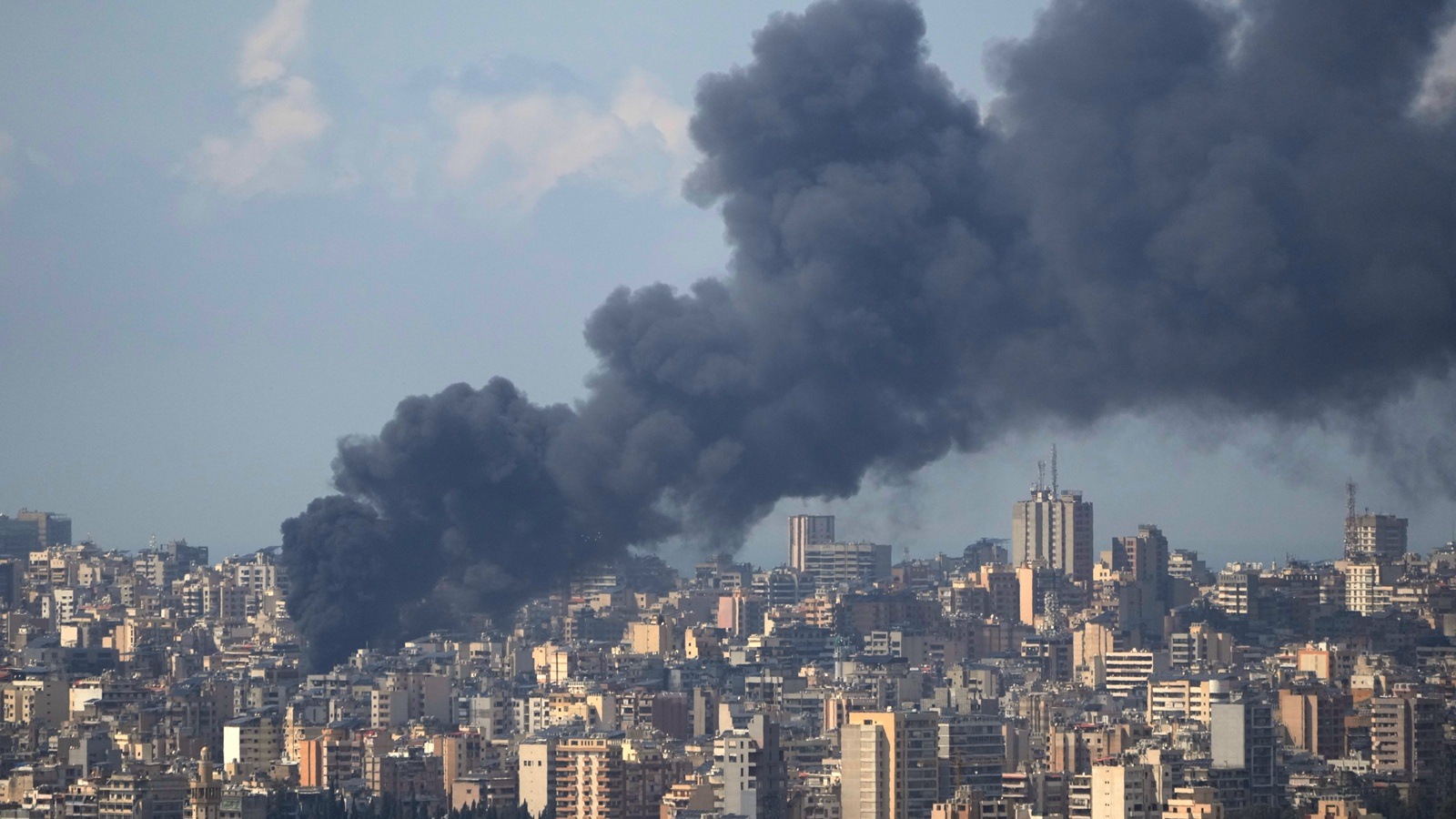


The tragedy of Lebanon — a theatre of other people’s wars for 50 years
The current conflict between Israel and the Iran-backed Hezbollah is likely to reinforce the pattern, even as the first direct talks in 33 years between Israel and Lebanon offer a glimmer of hope
Certain countries, because of their geography, ethnic composition, or strategic resources, are doomed to become arenas for geopolitical rivalries and proxy wars. They are characterised by a weak state, powerful militias that function as a state-within-a-state, often funded and sustained by foreign powers, and frequent external military intervention.
Afghanistan is a classic case study, from the Great Game, the Cold War, and post-9/11 interventions. The Second Congo War came to be known as Africa’s World War. The Syrian Civil War involved multiple proxies: The US, Russia, Iran and Turkey. The regions may differ, but the pattern is the same: Local conflicts are fostered, exploited, and prolonged to serve great-power competition.
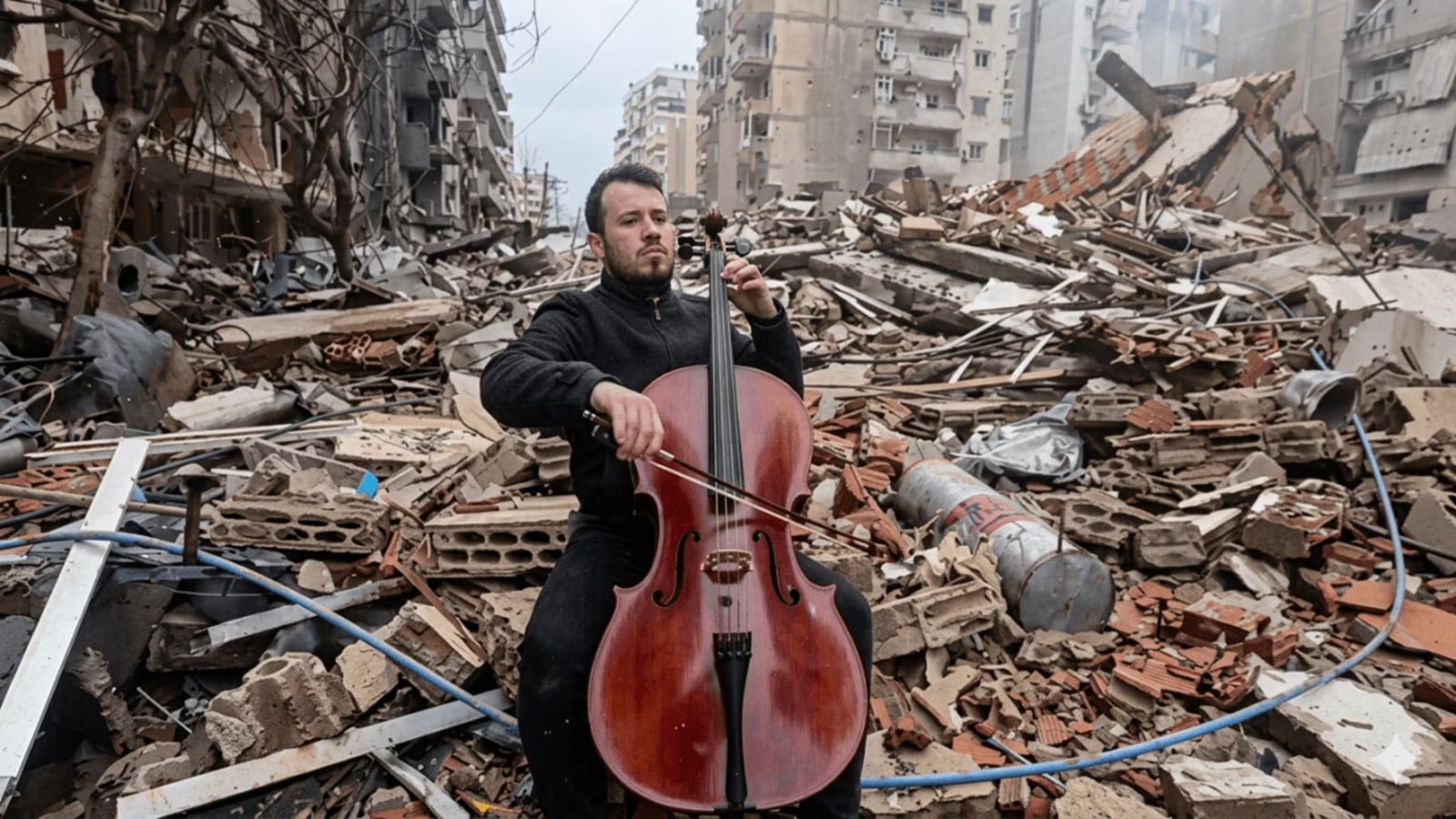
A permanent place on this list of countries belongs to Lebanon, which at the time of writing is under sustained military assault. This is the seventh time it has been invaded by Israel in the last 50 years. Israel’s prime minister, Benjamin Netanyahu, has pressed ahead with operations despite a US-Iran ceasefire, with the stated aim of eliminating the Iran-backed militant group Hezbollah. More than 2,000 Lebanese people are dead already, and over a million are displaced.
The tragedy of Lebanon is that, despite being one of the few democracies in West Asia, it has repeatedly been a site of other countries’ wars. This is compounded by the fact that these conflicts rarely reach decisive conclusions, allowing militias to remain armed and the state weak. Conflict is managed, not resolved.
Since its creation from the ruins of the Ottoman Empire in 1920, Lebanon has rarely been at peace. Barring a “golden age” of relative prosperity in the 1950s and ’60s, it has oscillated between war, civil war, and “not war, not peace”. The persistent instability continues to deter investment and external assistance, while the country remains burdened by high debt levels.
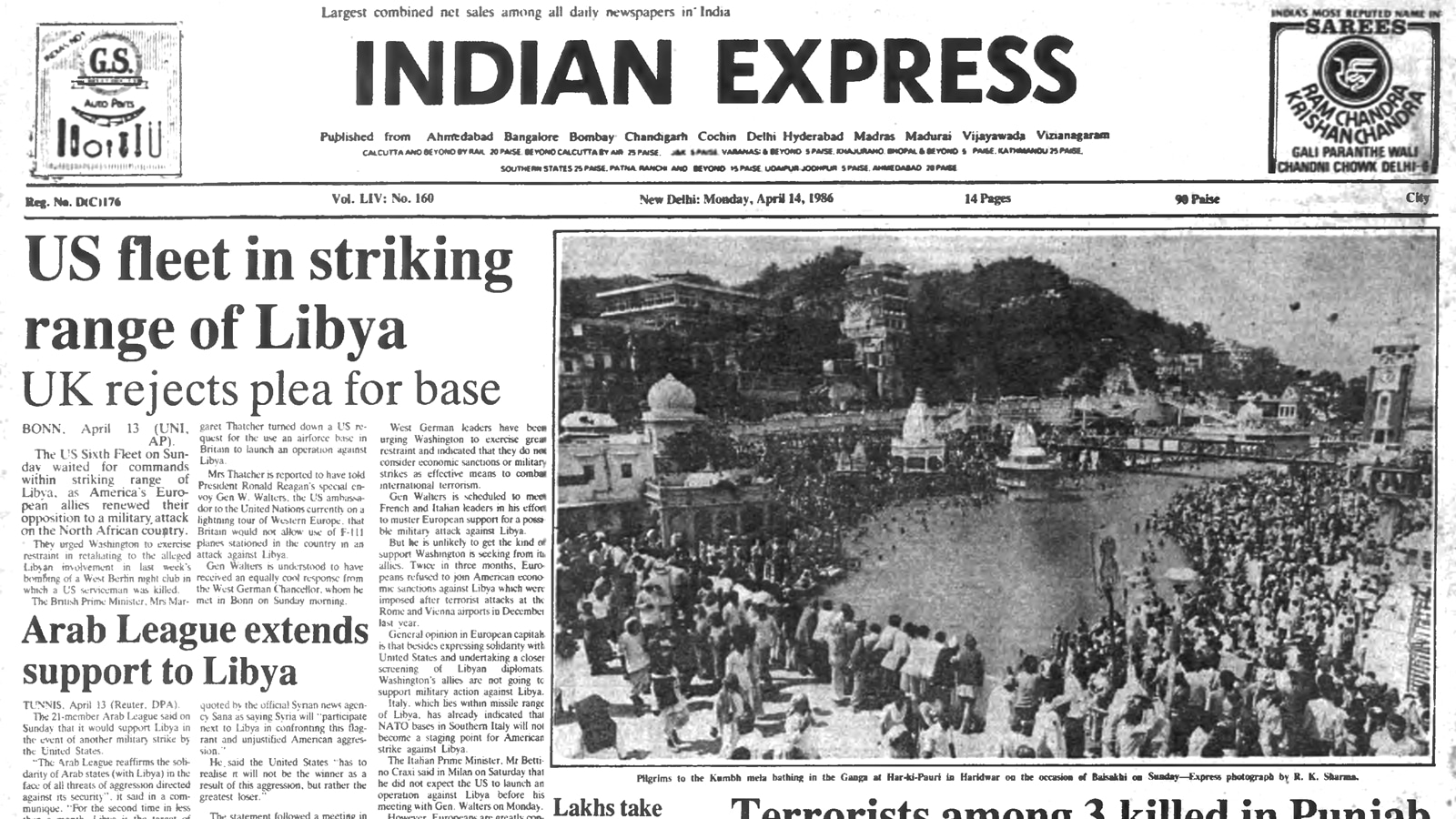
Today’s devastation continues the crisis fuelled by Hezbollah, Iran, and Israel since the 1982 Lebanon War, when Israel invaded to expel the Palestine Liberation Organisation (PLO) from the south of the country. But even before 1982, Lebanon had become a proxy battleground not only for the Israel-Palestinian conflict, but also for wider Arab-Israeli hostilities, with Syria backing the PLO and helping entrench it as a state-within-a-state, as well as for intra-Arab rivalries, with players such as Iraq (Saddam Hussein) and Syria (Hafez al-Assad) supporting competing factions.
Part of the reason for this eternal crisis lies in the country’s fragmented social structure, comprising Christians of varying denominations (notably the Maronites), Sunnis, Shiites, Palestinians, and the Druze. The 15-year civil war from 1975 to 1990 was driven by competing interests and power struggles among these groups. And while external interventions did not create these divisions, they significantly exacerbated them. As Geraint Hughes writes in My Enemy’s Enemy, “The secular Ba’athist regime of Syria helped Iran foster the rise of Hezbollah… while Israel’s main ally amongst the Maronite Lebanese was a political party that had been founded in the 1930s in emulation of the German Nazis and the Italian Fascists.”
Hezbollah emerged as Israel’s primary adversary during the 1982-2000 conflict in southern Lebanon, after which Israel withdrew in what was widely seen as a Hezbollah victory. After the 2006 Lebanon War, Hezbollah became very powerful, particularly in the south, and is even regarded as one of the world’s most heavily armed non-state actors. It poses a legitimate security threat to Israel, and has been the most important component of Iran’s “forward defence”.
Hezbollah has also systematically weakened the Lebanese state and benefits from continued conflict, which reinforces its standing as a force of resistance. At the same time, survey data, including a recent Gallup poll, suggest that many Lebanese favour limiting weapons to the national army, viewing Hezbollah as a destabilising force backed by a foreign power.
But disarmament remains unlikely: Hezbollah is deeply entrenched, the Lebanese state — constrained by a sectarian power-sharing system — is too weak to confront it, and Israel has been unable to eliminate it. Hezbollah is also a political actor embedded within the state, further complicating efforts to disarm the militia.
Israel’s war on its most powerful non-state enemy, however, does not justify the continued violation of Lebanon’s sovereignty, particularly when proposals advocated by far-right Israeli Finance Minister Bezalel Smotrich point toward possible annexation up to the Litani River. As Lebanese journalist Nida Bakri writes, “I cannot call this liberation when the liberator is also the occupier.”
All this leaves ordinary Lebanese caught between a group that claims to defend them and a persistent state of conflict whose costs they must bear. The current cycle of confrontation between Israel and Hezbollah is likely to reinforce this pattern, even as the first direct talks in 33 years between Israel and the state of Lebanon offer a glimmer of hope. But as long as external actors view proxy warfare as a relatively low-cost means of weakening adversaries, it will remain an attractive strategy — one whose costs are borne primarily by the non-combatant men, women and children.
The writer is deputy copy editor, The Indian Express. [email protected]